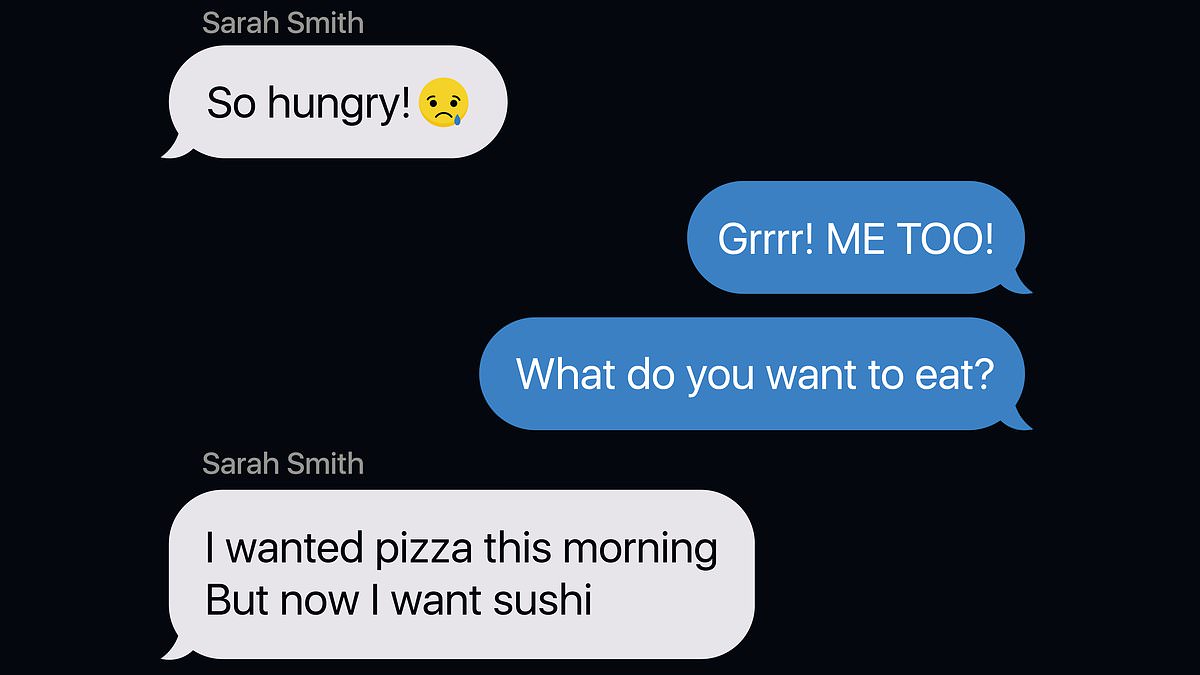
How do you feel about exclamation marks? Otherwise known as gaspers, screamers, dog’s cocks, or shrieks. In his Modern English Usage, Fowler said that using too many betrays an “uneducated or unpractised writer”. Martin Amis called them “joke badges”, and Theodor Adorno “soundless cymbal-crashing”. The novelist Elmore Leonard specified that you were allowed only two or three every 100,000 words. He was being generous.Florence Hazrat notes that the Nazis loved exclamation marks, with Goebbels pencilling in triplets of them into a speech for Hitler. The modern German linguist Konrad Ehlich is described here as believing that “slapping exclamation marks on to the end of statements turns all utterance into shouting, and all thinking into order”. At the same time she derides male scholars who have complained about previous editors inserting exclamation marks into the speech of Beowulf on the grounds that it feminises the hero.What Hazrat really believes about exclamation marks, alas, may be inferred from her ultra-liberal use of them. “No such thing as binge-reading the Bible for an early-medieval monk!” runs one joke-badged parenthesis. “Let nobody claim punctuation wasn’t sexy!” “The mind and the hand of the pope – you couldn’t get much higher in the Renaissance!” To be fair, this is a nice observation: “All Shakespearean tragedies have at least one exclamation mark, while the six comedies and two history plays don’t have any at all. It’s not farfetched to conclude that, for Shakespeare and his contemporaries, exclamations were an expression of intense distress, rather than ‘screechy’ hysteria.” If the reader is supposed to experience intense distress on encountering Hazrat’s own exclamation marks, then they work as intended.
On the Mark by Florence Hazrat review – a fascinating history of punctuation
This lavishly researched book shows that dots and dashes are an essential component of style, whether you’re a medieval monk or Donald Trump
687 words~3 min read