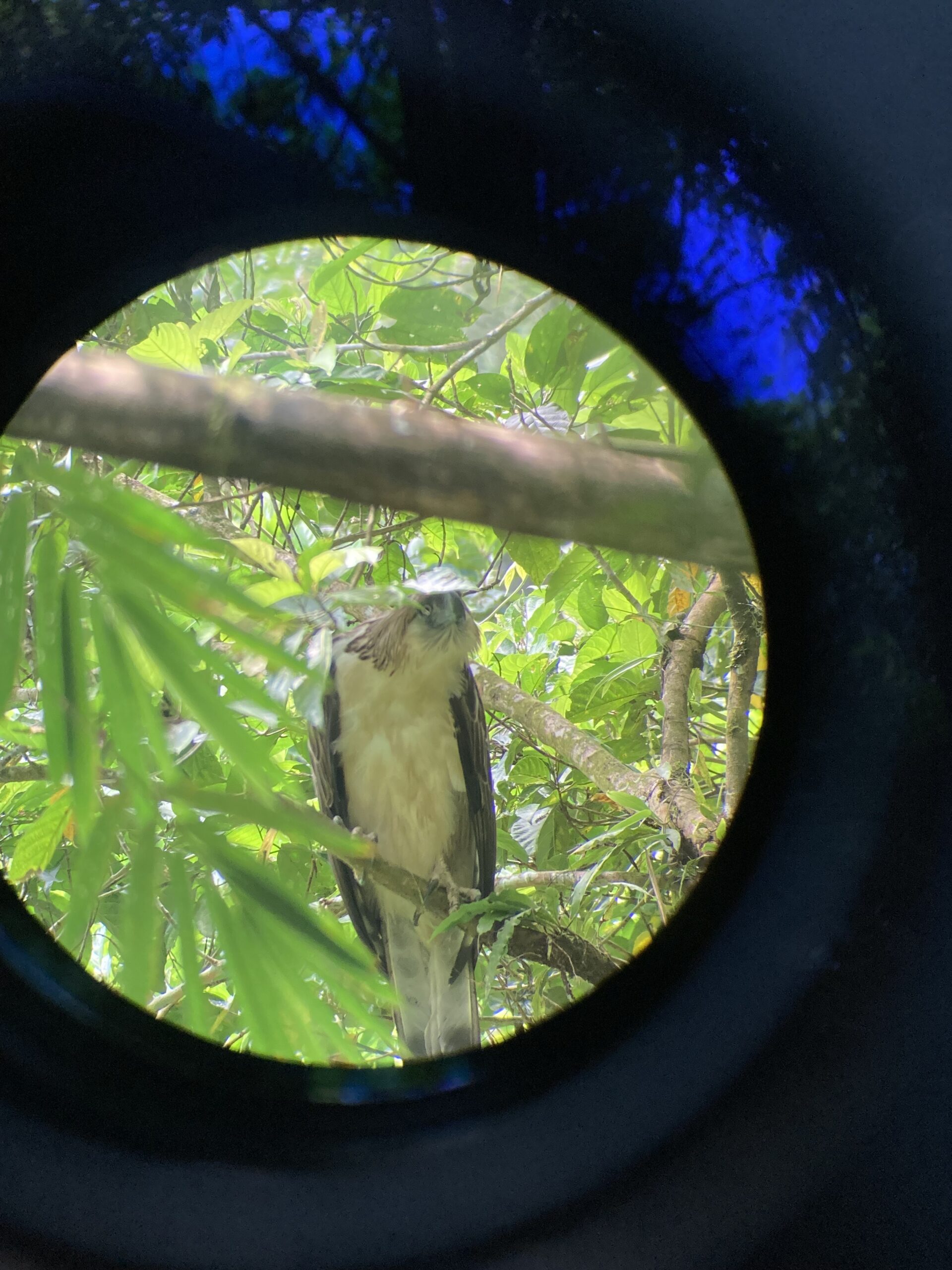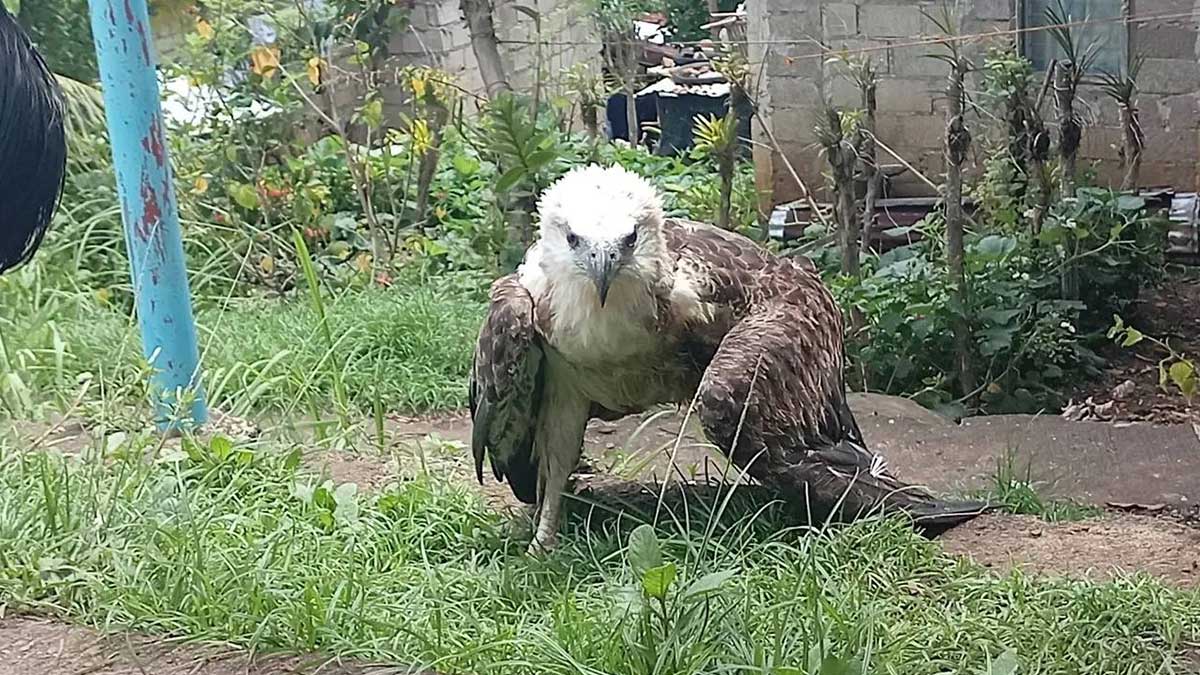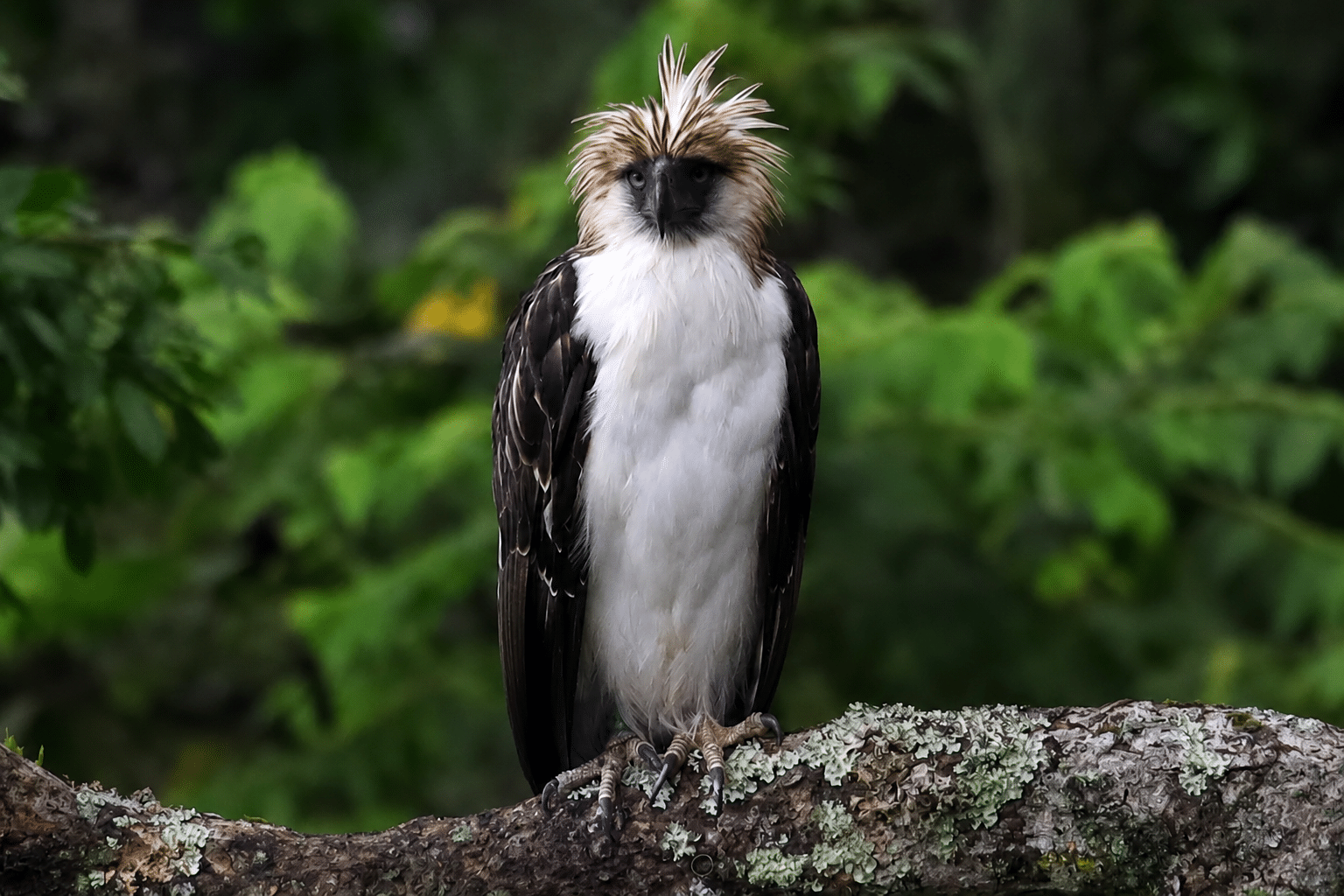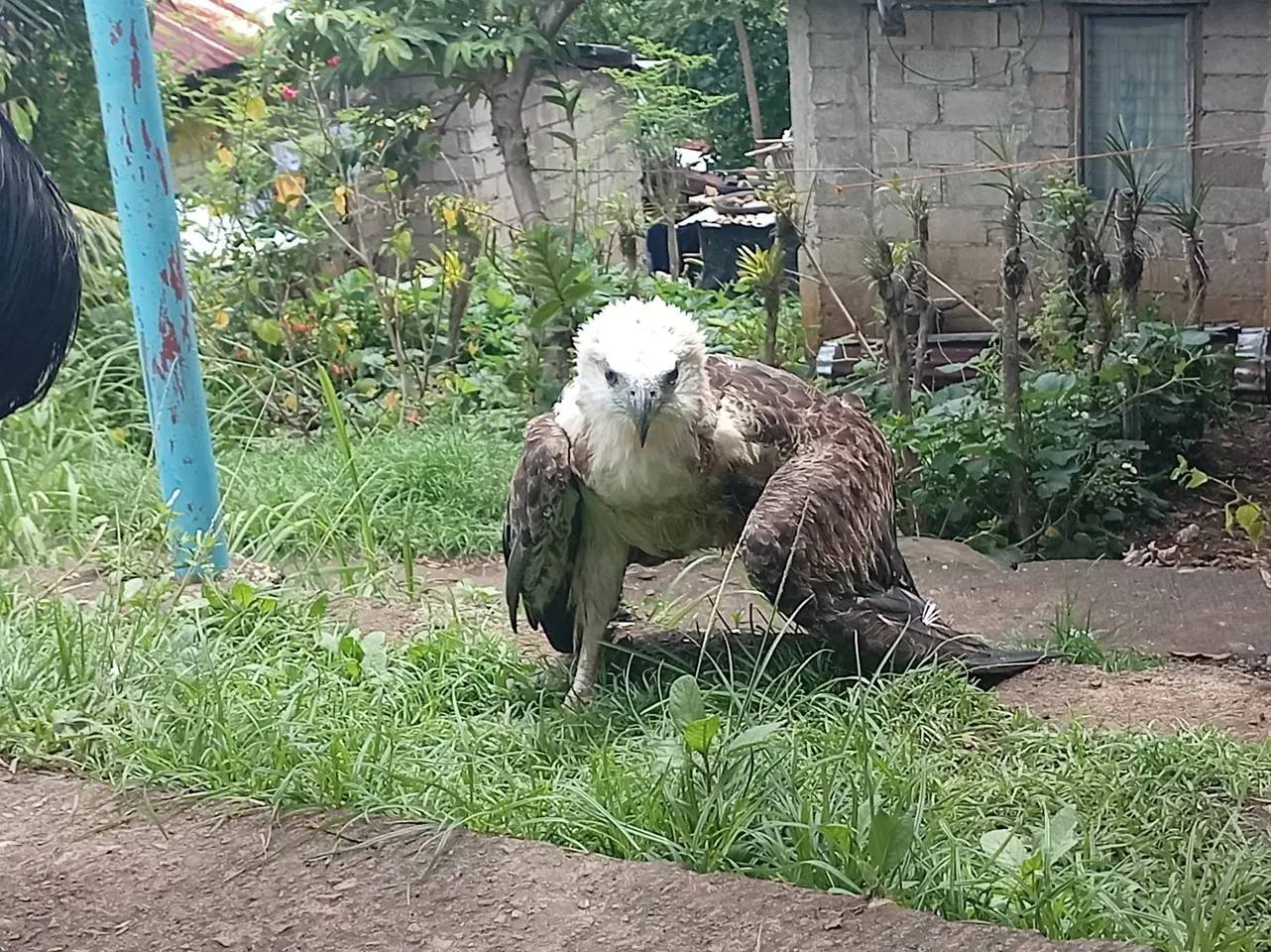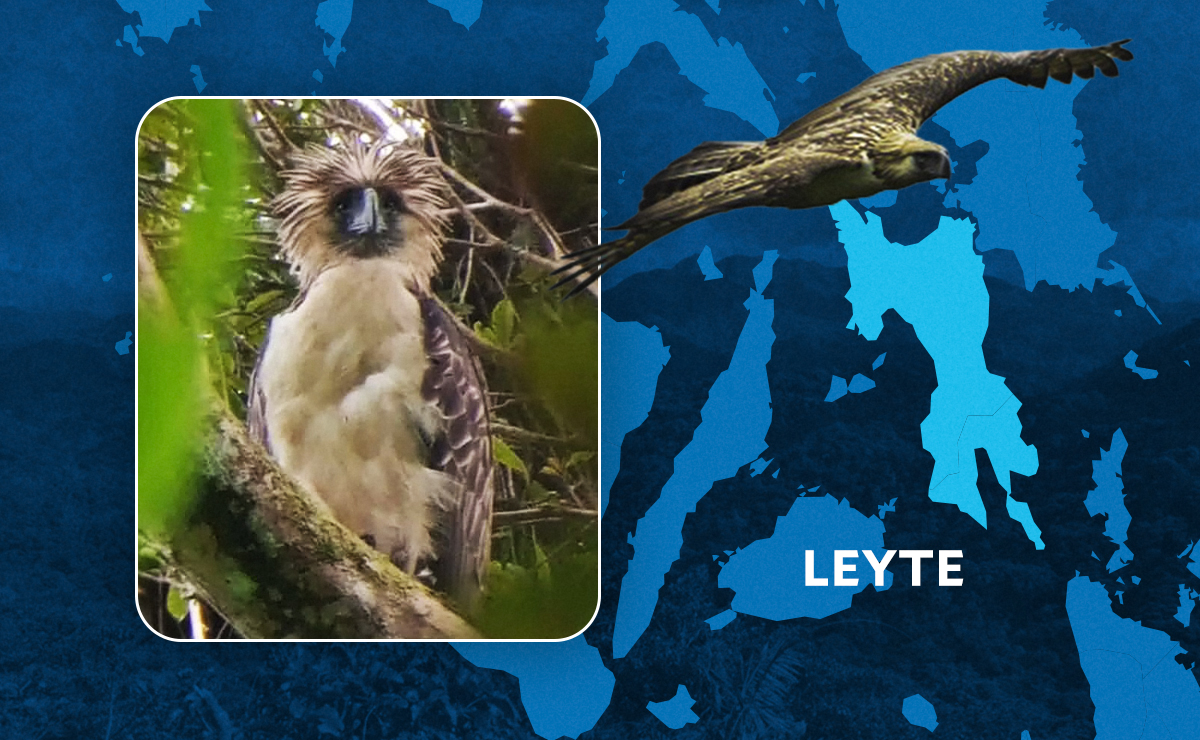
MANILA, Philippines — More than 10,000 hectares of forests in Leyte have been identified as potential release sites for Philippine eagles, offering conservationists a science-based guide as they work to restore the critically endangered raptor to an island where it once thrived.
Published in the Philippine Journal of Science, the study identified around 10,320 hectares of suitable release areas within the Anonang-Lobi Mountain Range and Mt. Nacolod Key Biodiversity Areas. Of these, about 9,554 hectares were classified as the “most suitable” because they are located farther from human settlements and meet habitat and safety requirements for future releases.
The findings come as the Philippine Eagle Reintroduction Program continues efforts to establish a new wild population in Leyte through a partnership involving the Department of Environment and Natural Resources, the Philippine Eagle Foundation, local governments, universities, conservation organizations and communities.
READ: DENR, PEF, PNP unite to restore PH Eagle population in Leyte forests
For researchers, the study fills an important gap in the country’s conservation efforts. While earlier habitat modeling had shown that Leyte still contains forests capable of supporting Philippine eagles, there had been no detailed spatial analysis identifying where future birds could be released while minimizing risks from human activities and other threats.