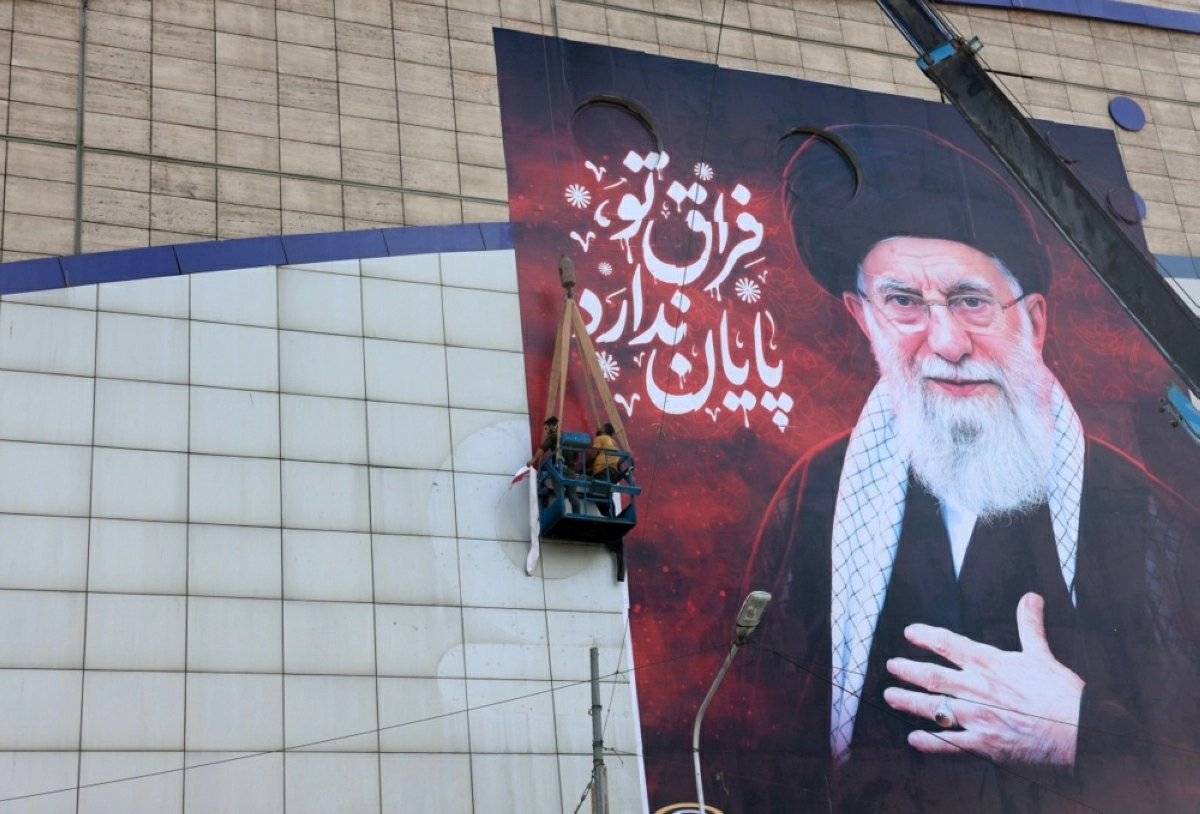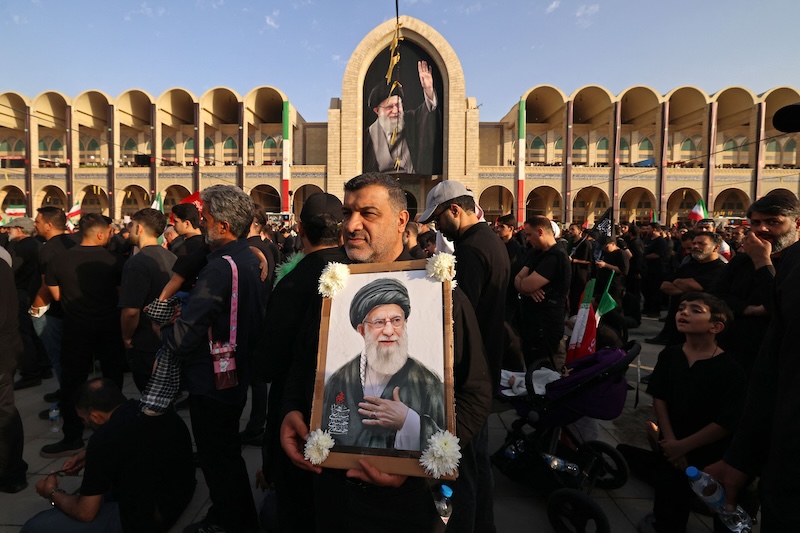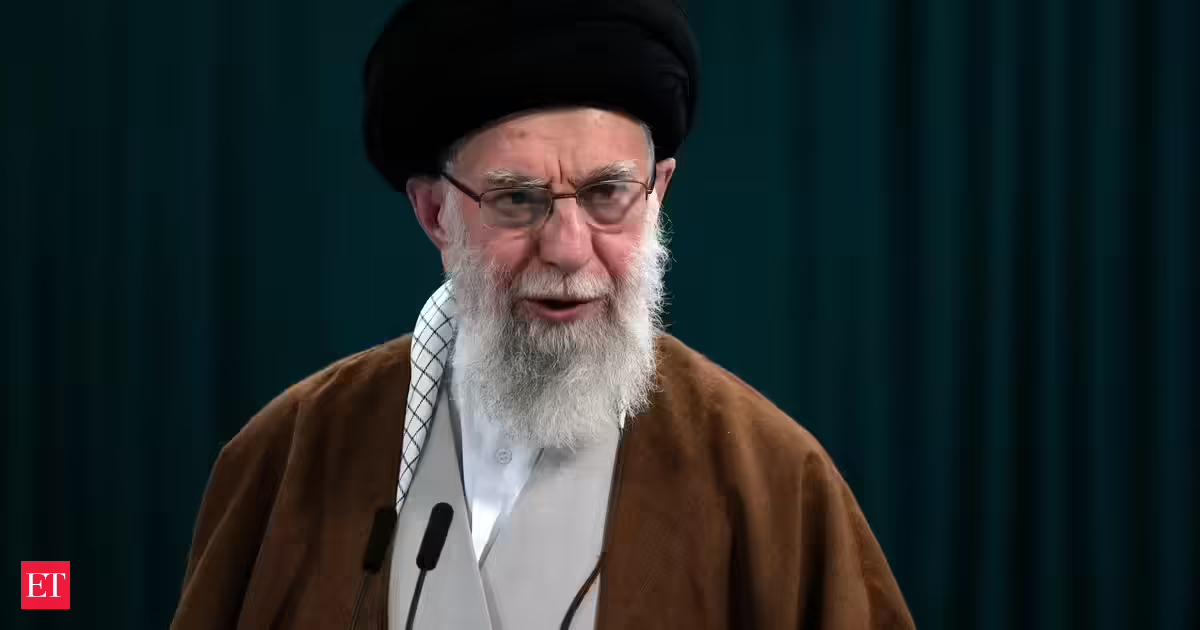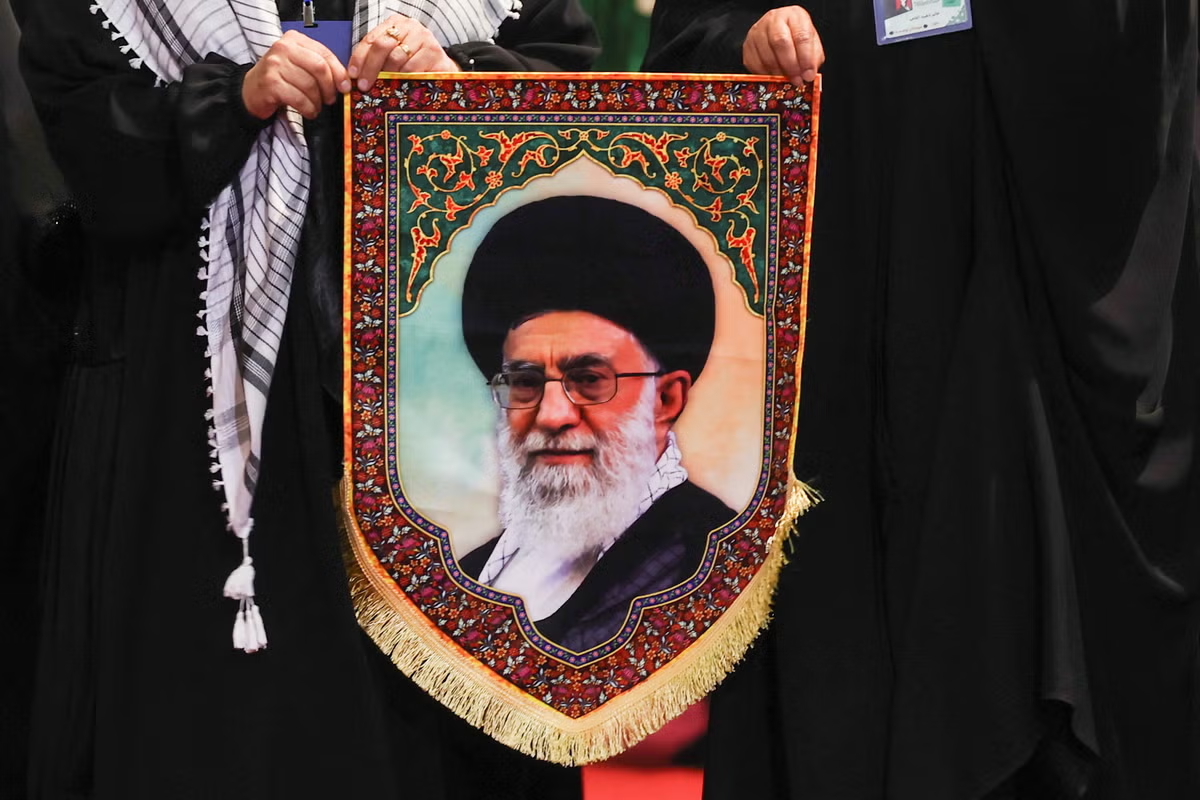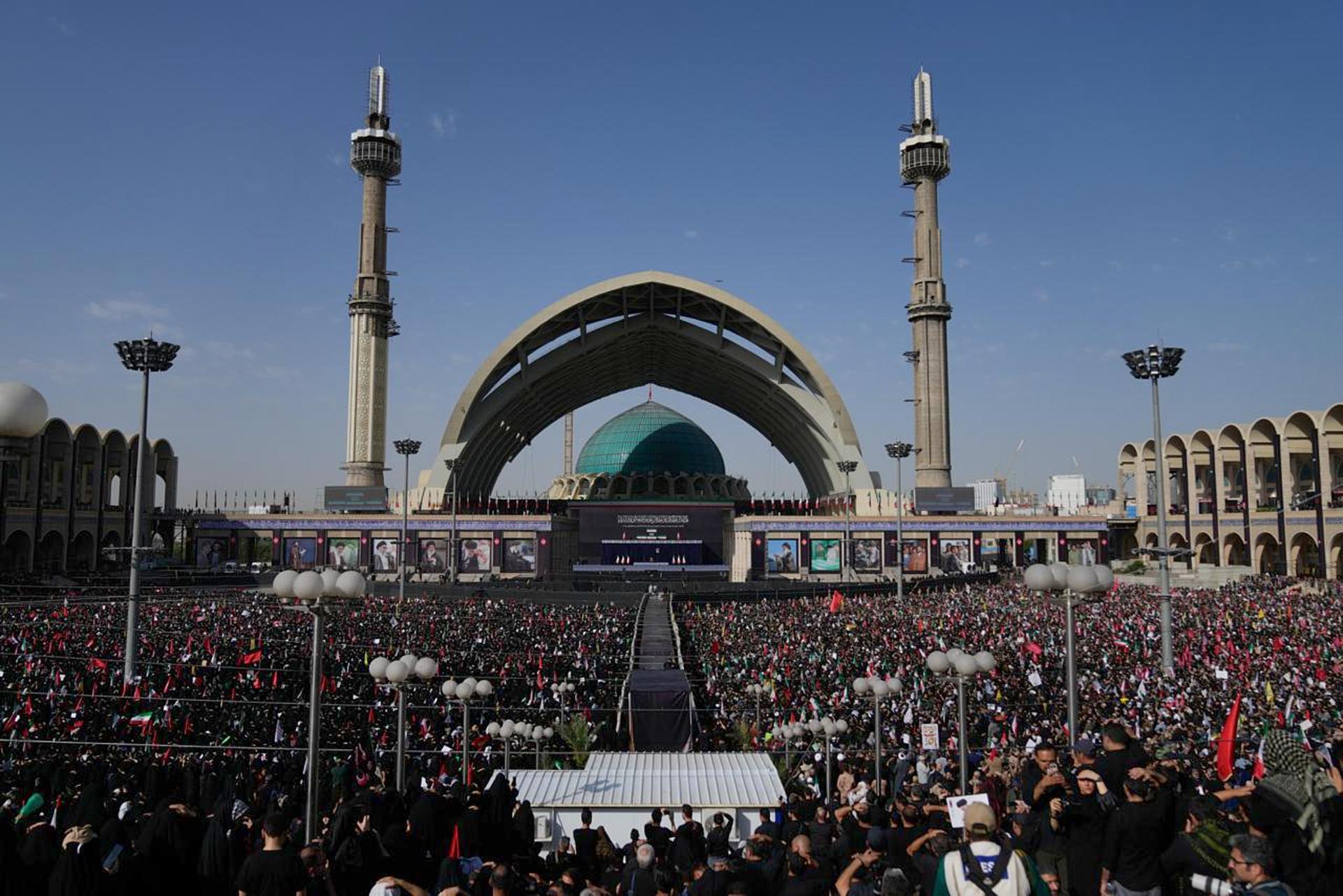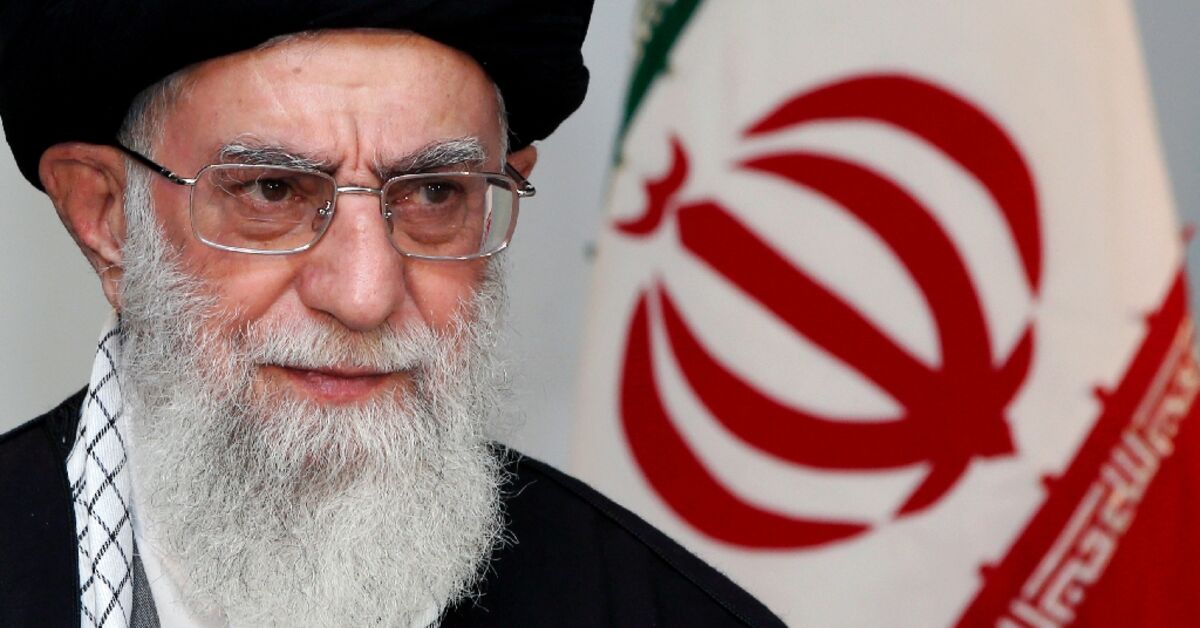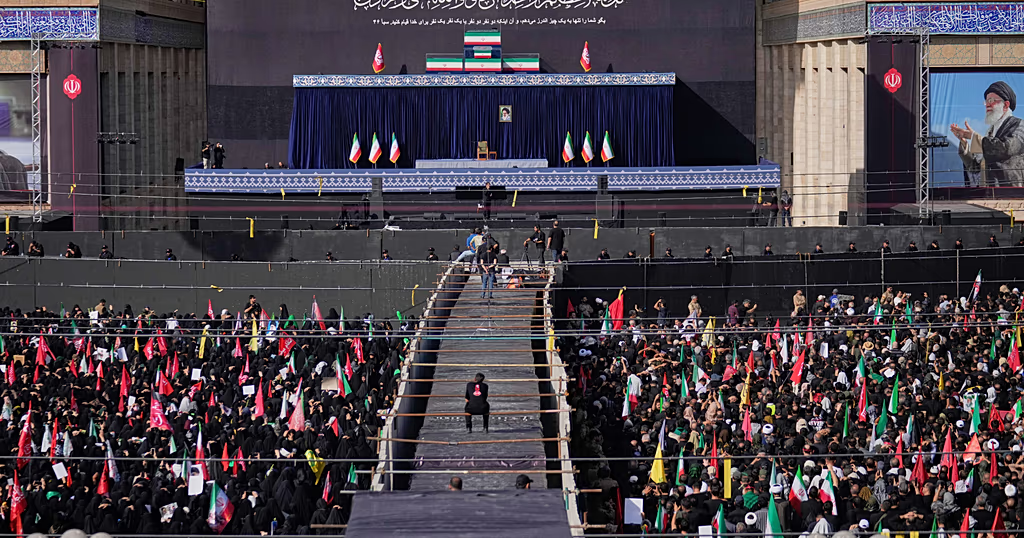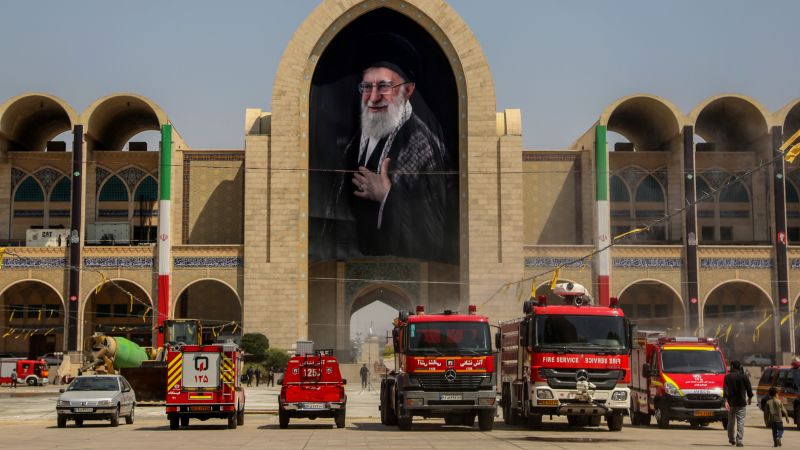
Four months after he was killed at the outset of the US-Israeli war on Iran, Supreme Leader Ali Khamenei is being memorialized in a weeklong funeral spectacle stretching across five cities in two countries, with millions of mourners expected to attend.
Despite a costly war against two of the world’s strongest militaries and decades of crushing economic hardship, Tehran is sparing no expense to send off Khamenei in a grand ceremony shrouded in religious symbolism that overlaps with the 250th US Independence Day celebrations.
Authorities say they’ve launched one of the largest logistical efforts in the Islamic Republic’s history, mobilizing government employees, universities, labor unions, firefighters, soldiers, aid workers and even religious “mourning groups” to organize the funeral and manage the millions of “pilgrims” expected to travel to cities and holy sites across Iran and Iraq to bid the ayatollah farewell. Authorities in neighboring Iraq, where Shiite Muslims are a majority, say millions of mourners are expected to pay respects.
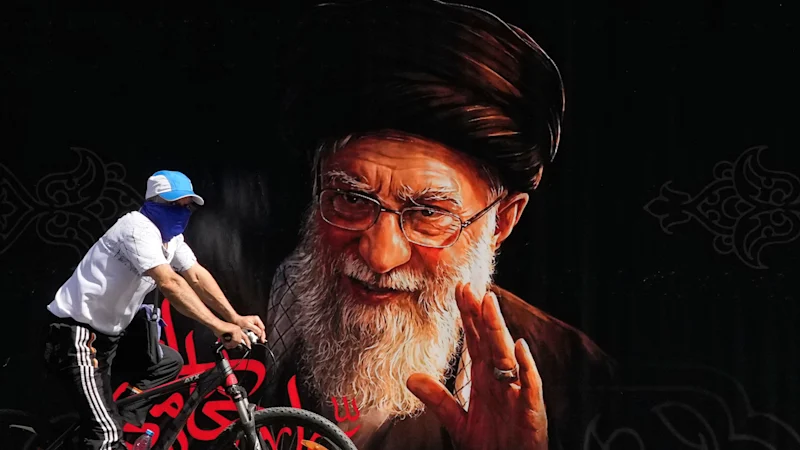
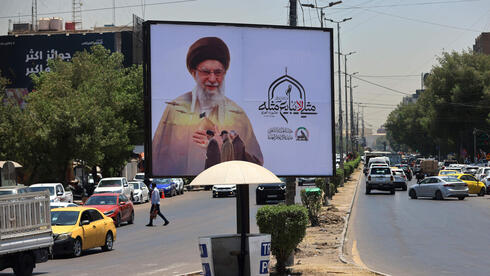
For more than ten days, the overwhelming coverage across Iranian media has been building up to this moment, with tribute songs and documentaries on Khamenei’s life overtaking news of talks with the US that had previously dominated headlines. The scale of the spectacle is designed to send a message to the world and to the Islamic Republic’s enemies: The regime not only survived an existential war, but will stubbornly immortalize its slain leader as a symbol of its resilience.