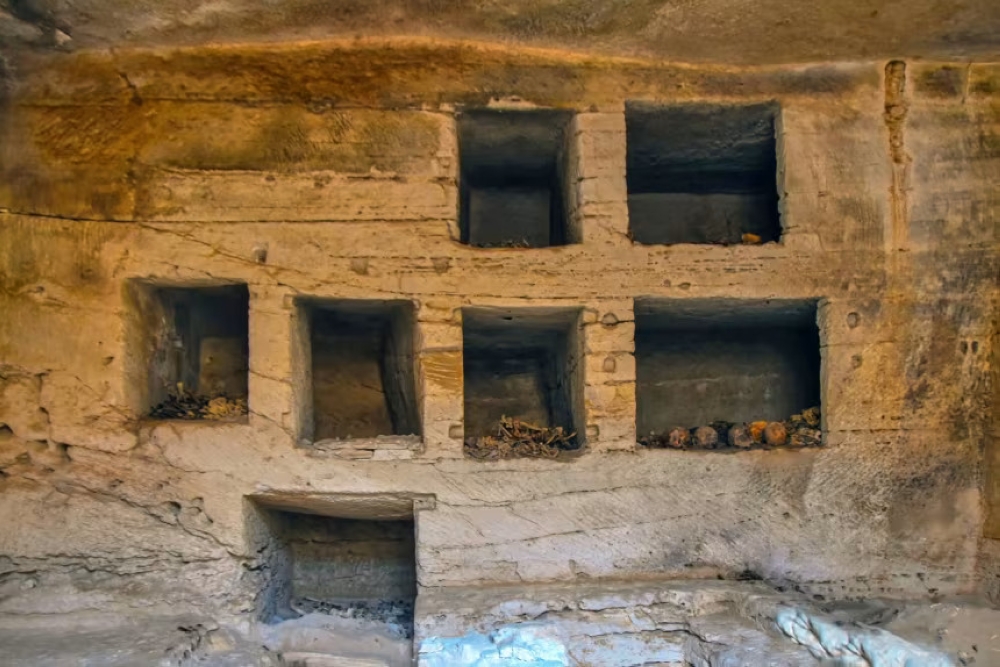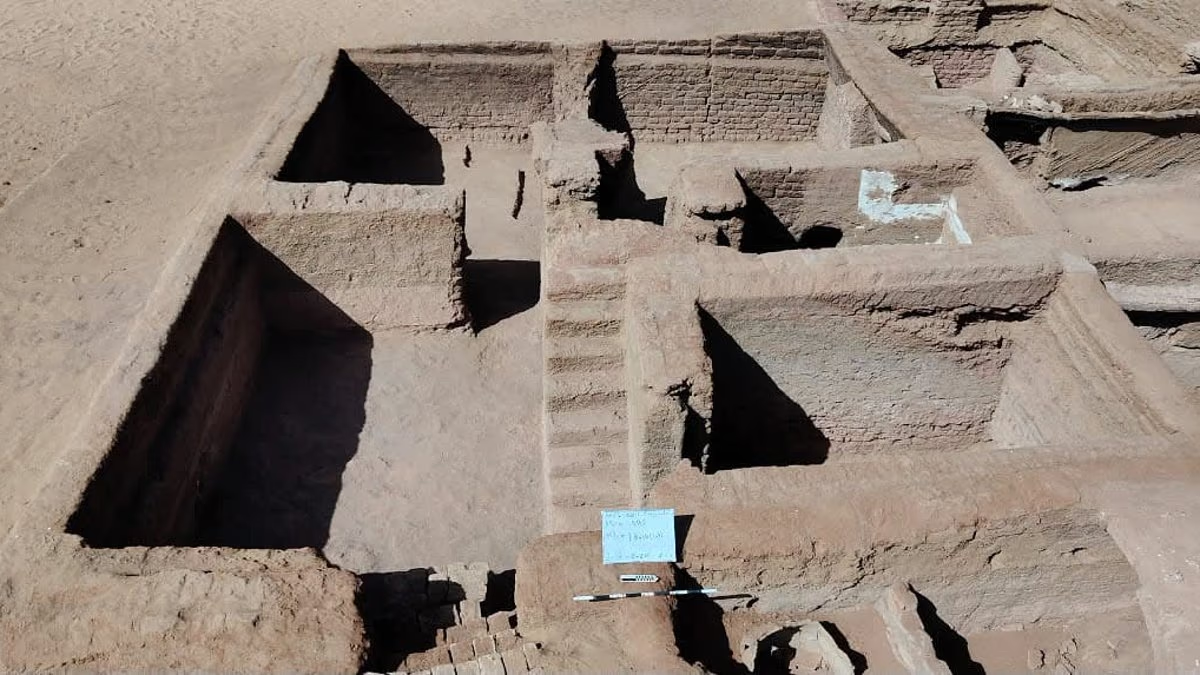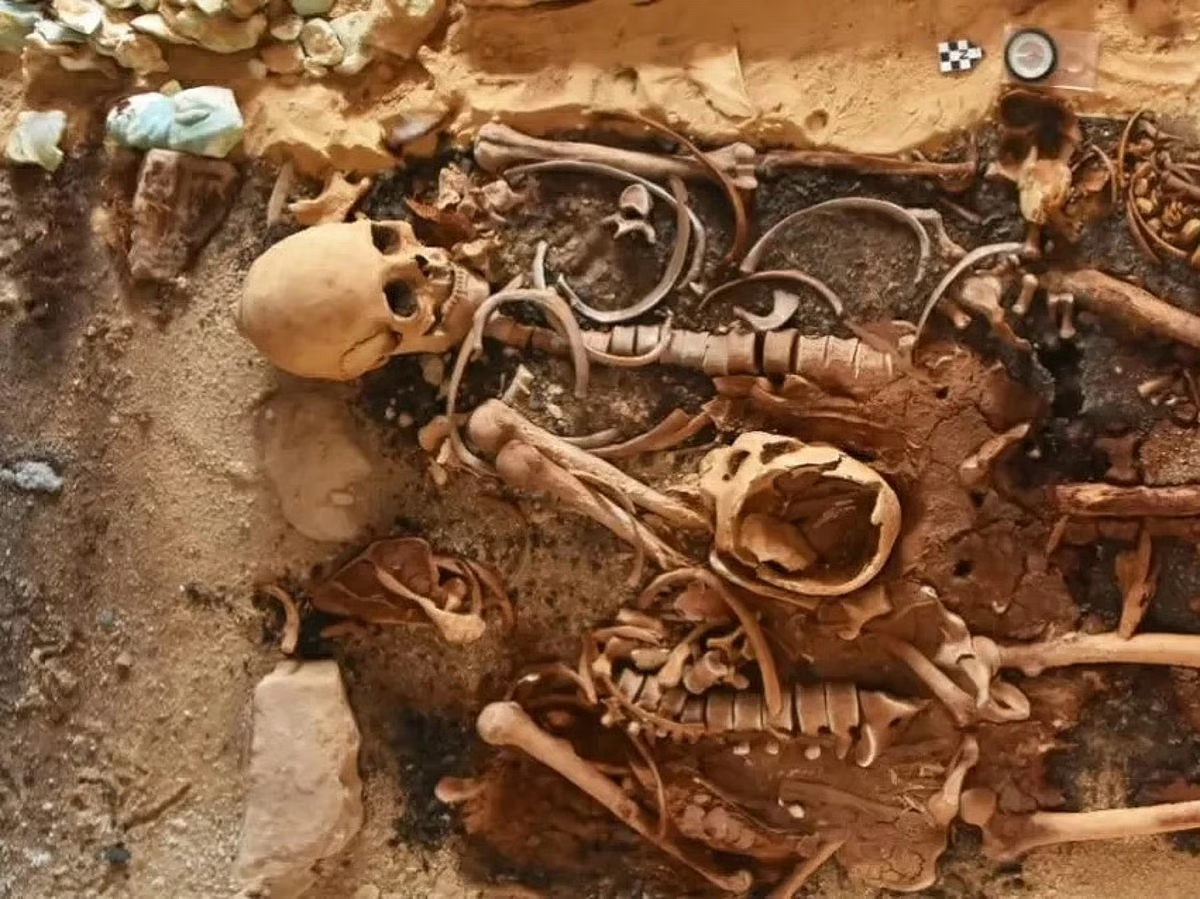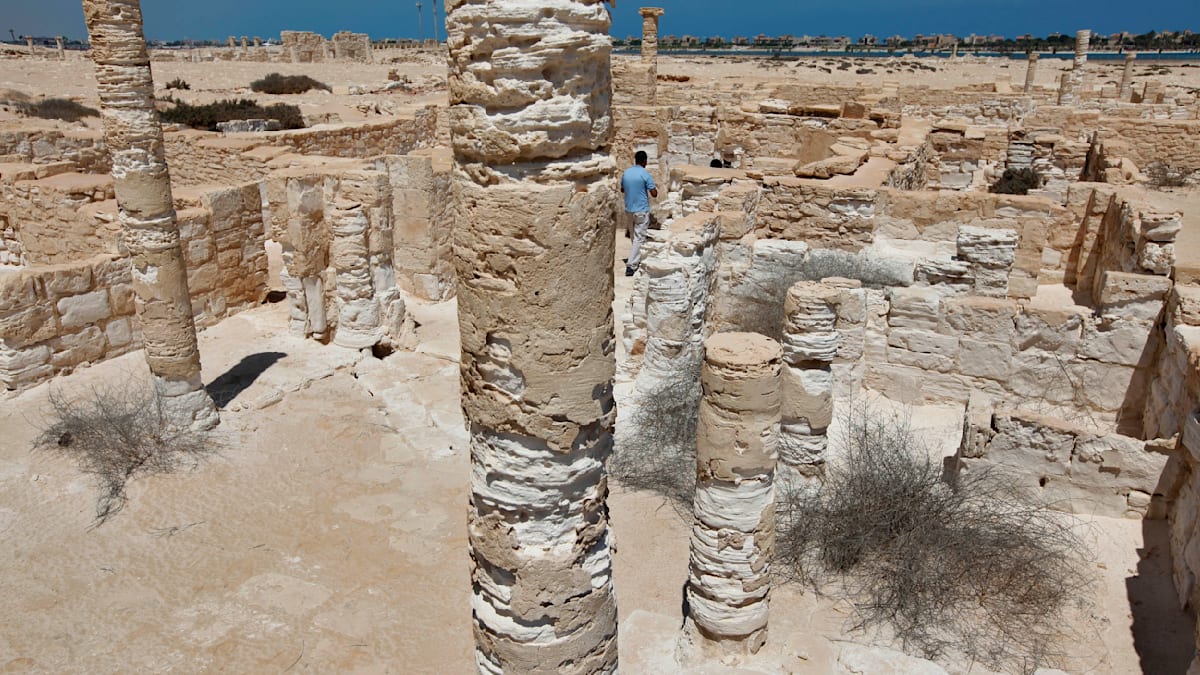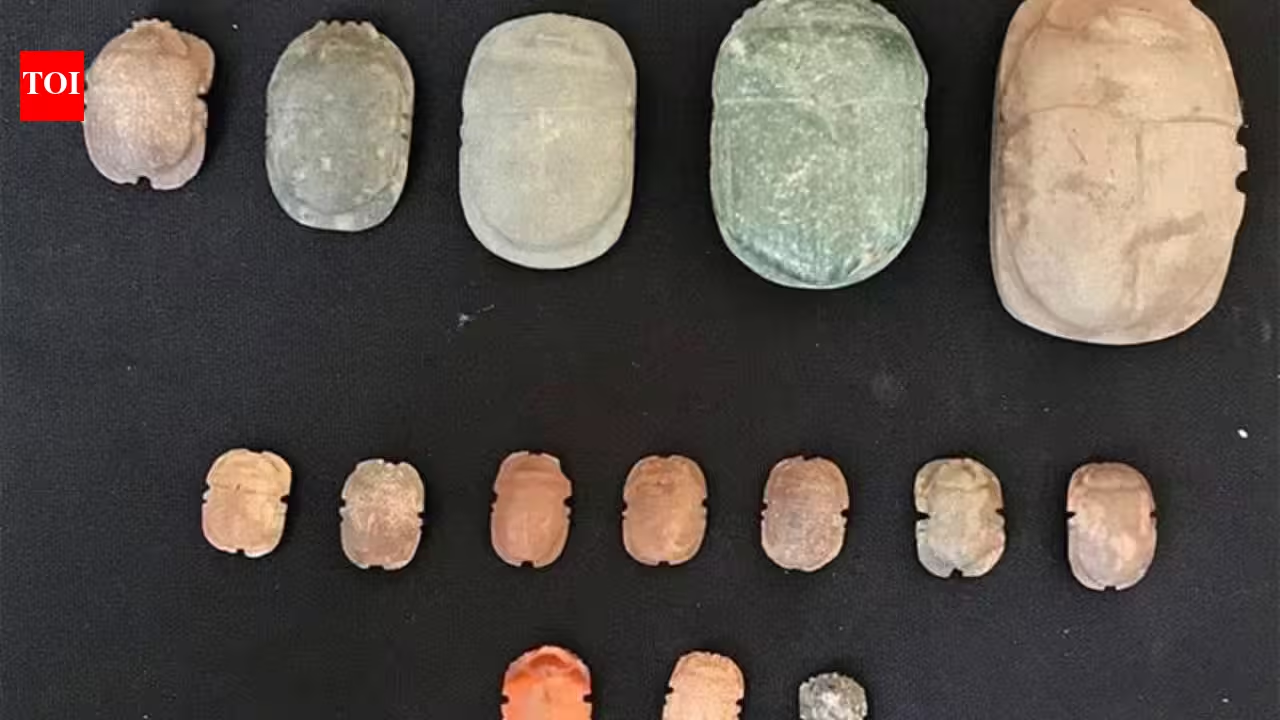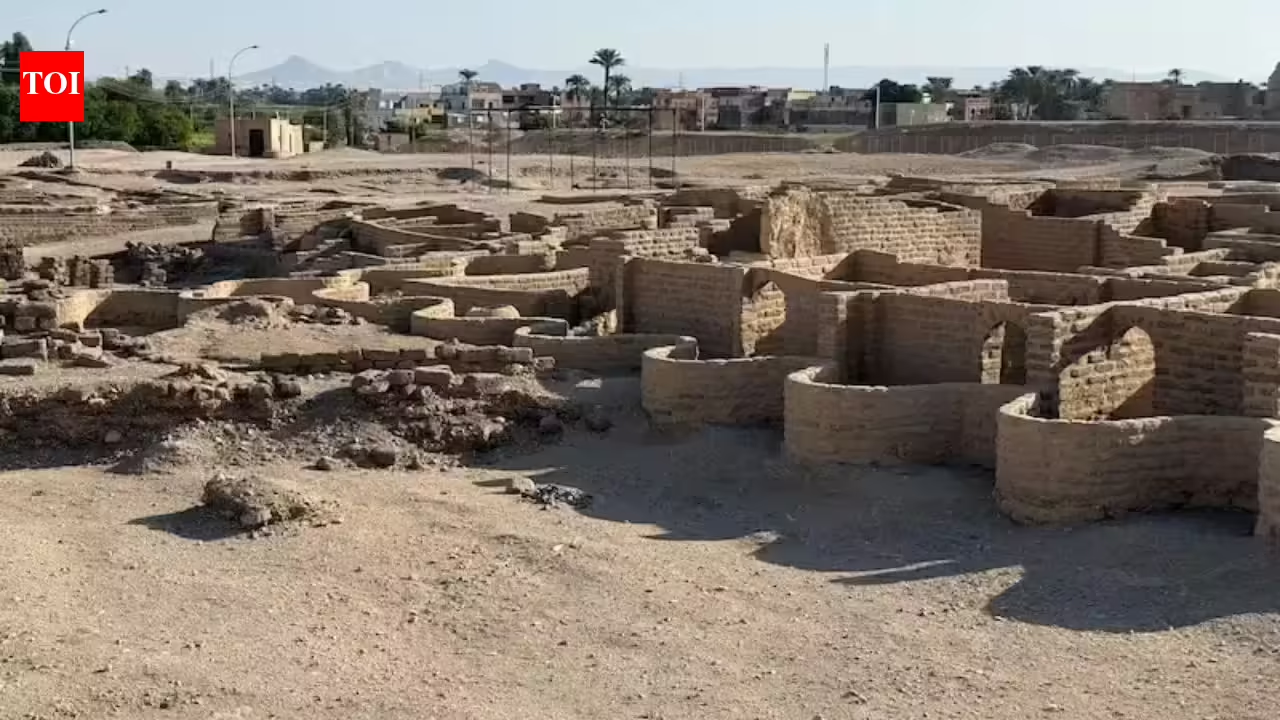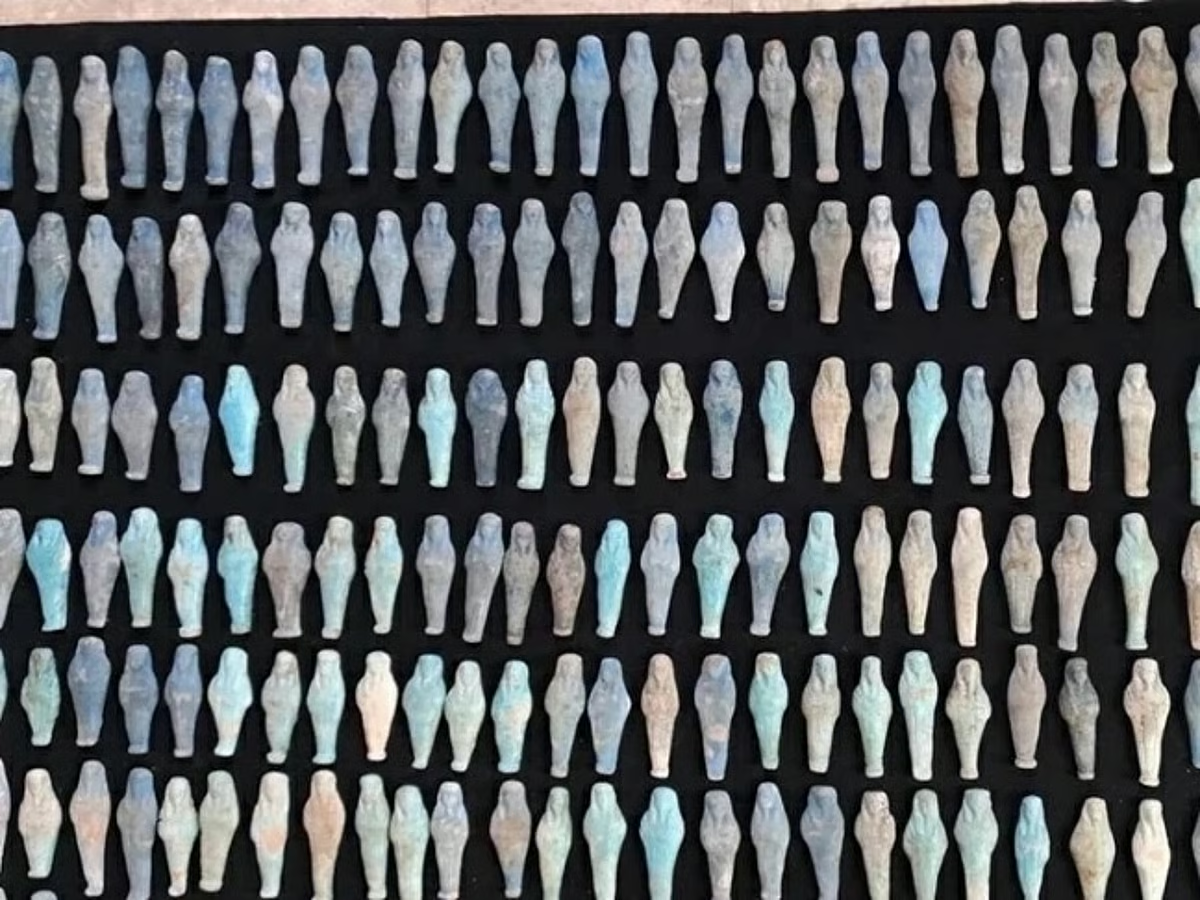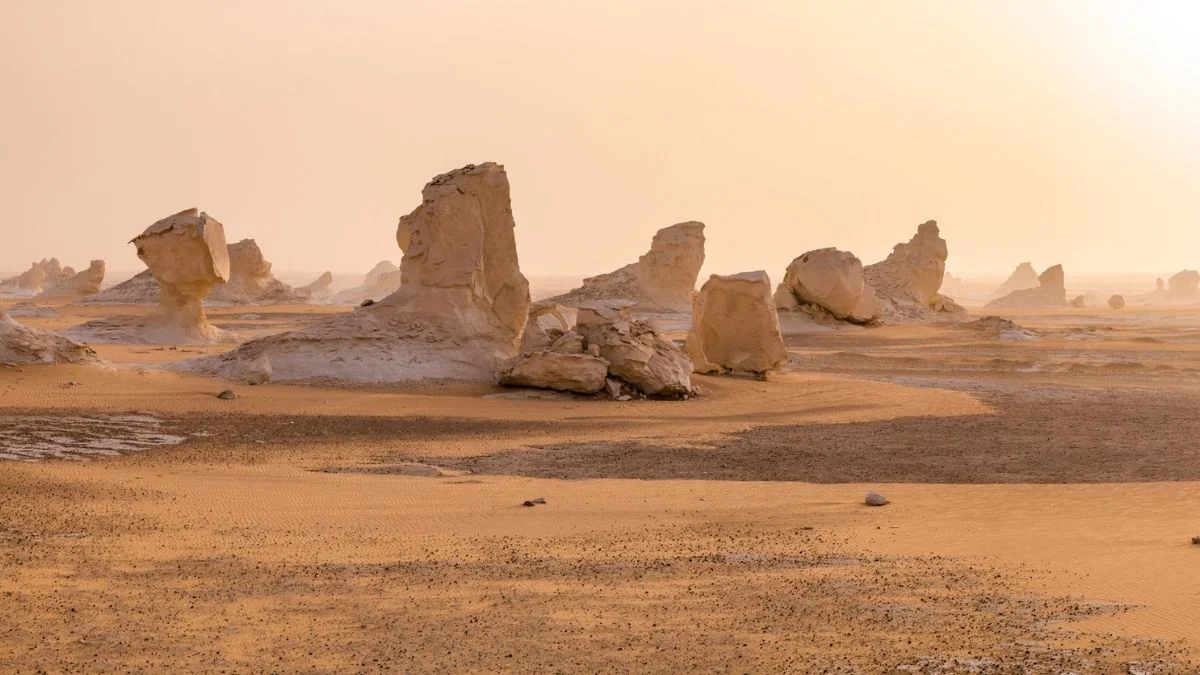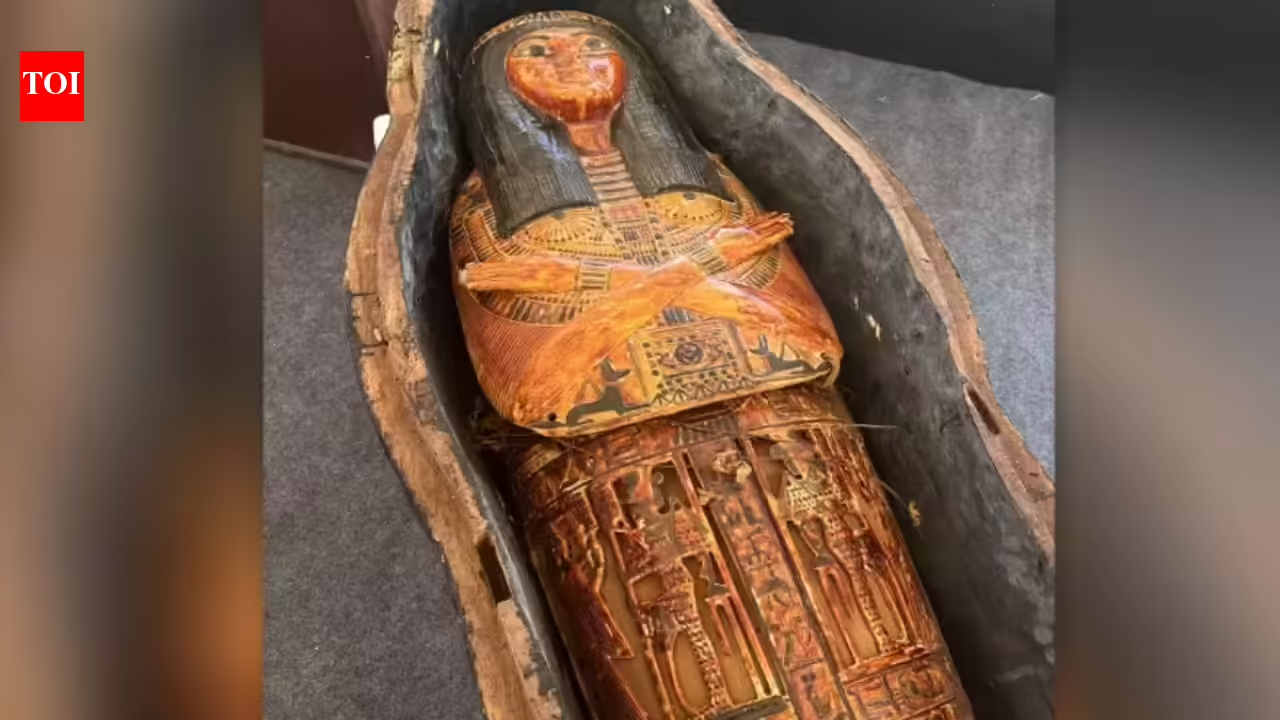
Egypt’s deserts rarely reveal anything in a straight line. Beneath the shifting sand of al-Ghuraifa, a burial ground dating back to around 1550–1070 BC has emerged with a kind of quiet stubbornness, as though it never fully gave up its contents. Stone-lined graves, wooden coffins and carefully placed funerary objects sit packed into a landscape that feels used, revisited, and layered over time rather than sealed in a single moment. Nothing here looks rushed or accidental; even the smallest items seem positioned with intent, as if each burial added another page to a long, unfinished record. What stands out most is not a single artefact but the density of what remains. Tombs lie close together, sometimes overlapping, suggesting generations returned to the same ground, adjusting, reworking, and reusing it in ways that blur the boundary between one burial and the next.Al-Ghuraifa cemetery: Ancient Egyptian burial practices and ritual continuityEgypt has no shortage of excavated burial sites, yet the cemetery uncovered in al-Ghuraifa doesn’t sit comfortably in the usual catalogue. It belongs to a stretch of history around 1550 to 1070 BC, when burial customs were already layered with ritual objects and carefully arranged chamber goods.The ground has yielded stone-lined graves and wooden coffins placed with deliberate order, alongside clusters of everyday objects that were never meant to be everyday in that context. Nothing about the layout suggests haste. Instead, it reads like repeated use over generations, each burial adding its own set of items into a shared, quiet landscape.What complicates the picture is the density. Finds are not isolated. They sit close together, sometimes overlapping in a way that suggests the cemetery was not abandoned cleanly but shifted through long cycles of use, repair and return.Intact ‘Book of the Dead’ manuscript surviving millennia Among the material lifted from the site is a papyrus scroll associated with the funerary tradition known as Book of the Dead. The document is said to extend more than 40 feet, an unusually long continuous piece for something of its kind, and preserved well enough to hold shape rather than crumble into fragments.The length has drawn interest not because scale guarantees significance, but because surviving papyri from this period are often incomplete, torn, or scattered across collections. This one appears to have remained largely intact where it was placed, folded or rolled in a way that kept its structure stable over millennia.Officials connected to the excavation have described it as unusually well preserved, though details of the writing itself have not been fully released. That absence of clarity has left Egyptologists cautious, waiting for publication before assigning too much weight to what it contains.Al-Ghuraifa burial chambers: Canopic jars, ushabti figures, and elite funerary assemblagesInside the burial chambers, the papyrus was not alone. The tombs contained the familiar paraphernalia of elite and priestly burials: canopic jars placed in pairs or sets, small statues intended to serve or protect, and carved amulets scattered through coffin spaces as if they were part of the body’s inventory.There were also thousands of ushabti figures, far more than a single burial would typically require. Their sheer number suggests repeated deposition or the presence of multiple high-status individuals within the same cemetery zone.One coffin stands out in records from the site, belonging to Ta-de-Isa, described as the daughter of a high-ranking priest associated with Jehuti at Al-Ashmunin. Around her burial were wooden boxes holding organs preserved in vessels, along with figurines arranged in sets rather than loose groupings, as though prepared with specific roles in mind.It is not the presence of such objects that surprises archaeologists, but their concentration. The cemetery feels saturated with ritual intent, every chamber carrying more than one layer of preparation.Rare Book of the Dead papyrus positioned within New Kingdom burial practice narrativeThe discovery has been placed under the oversight of Egypt’s antiquities authorities, with plans for selected material to be shown at the Great Egyptian Museum once documentation is complete. That alone suggests the papyrus is being treated not as an isolated curiosity, but as part of a broader narrative about burial practice in the New Kingdom.Scholars familiar with funerary texts have pointed out that copies of the Book of the Dead tradition varied widely between individuals, sometimes rewritten, abbreviated or expanded depending on status and preference. A long, intact example from an actual burial context is therefore rare enough to slow interpretation.Without full access to the text, speculation stays limited. What remains is the physical reality: a cemetery that resisted erosion more than expected, and a document that survived in a condition that feels almost out of step with its age.
Buried for 3,000 years: Ancient Egyptian cemetery reveals rare Book of the Dead scroll
Egypt’s deserts rarely reveal anything in a straight line. Beneath the shifting sand of al-Ghuraifa, a burial ground dating back to around 1550–1070 BC has emerged with a kind of quiet stubbornness, as though it never fully gave up its contents.
764 words~3 min read