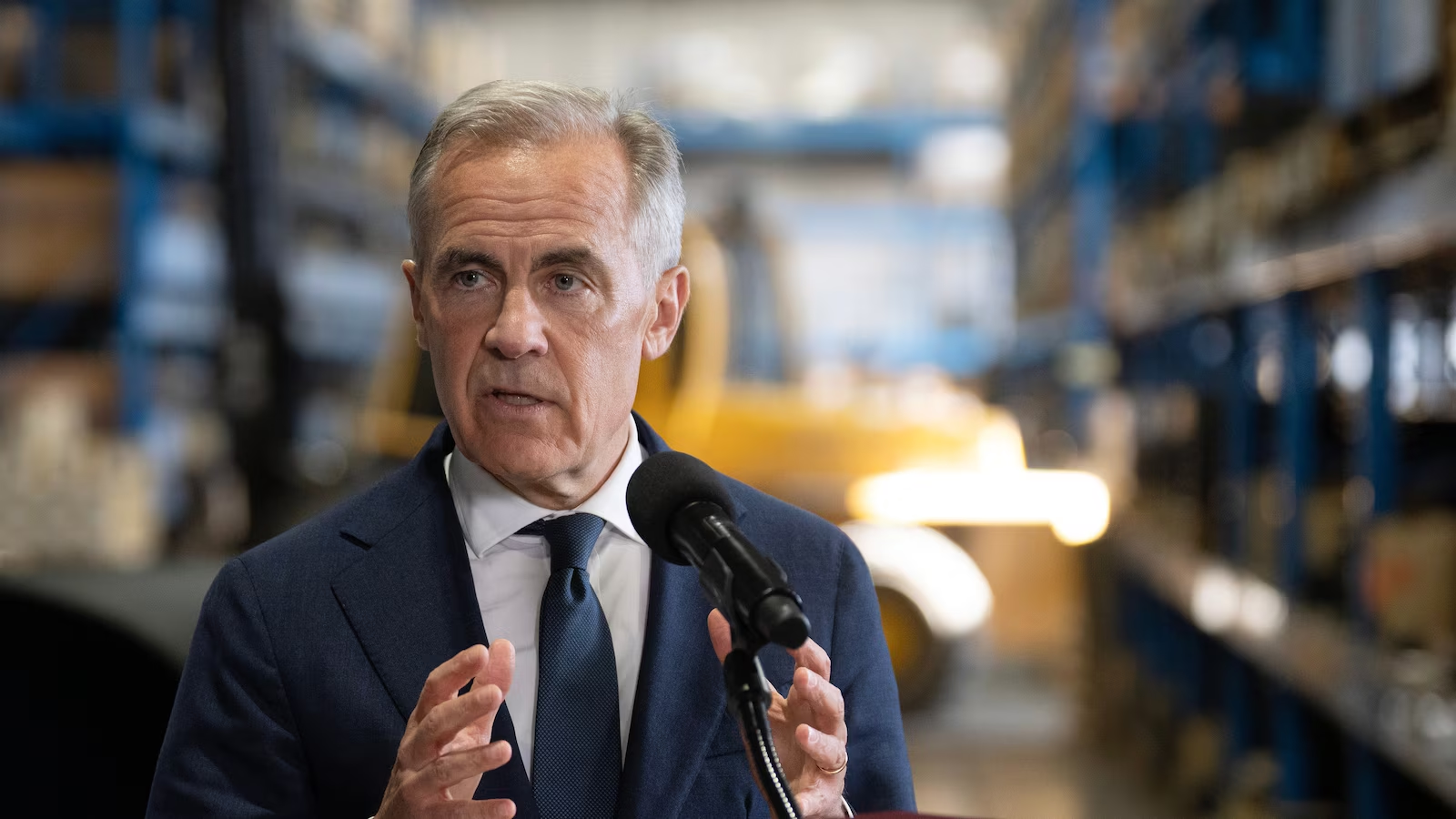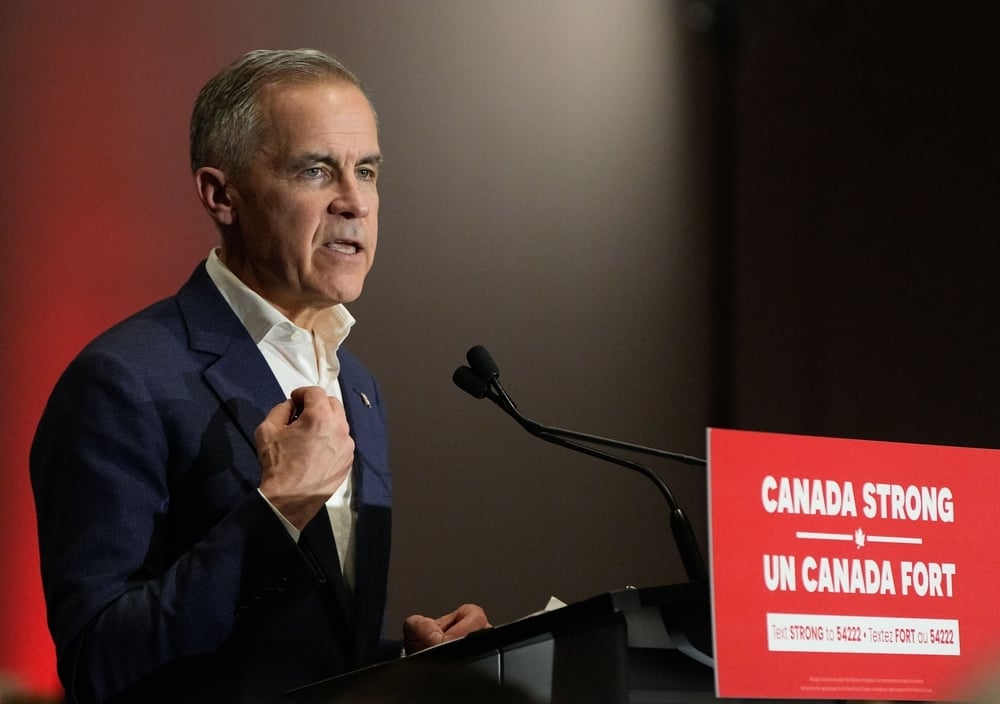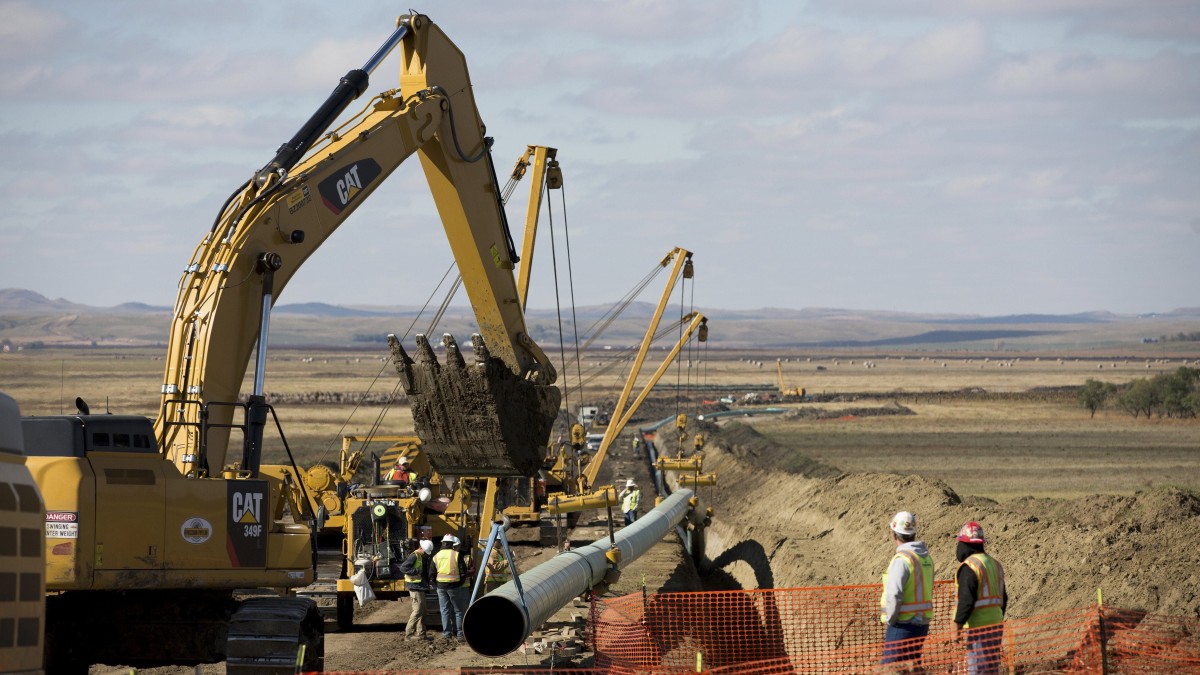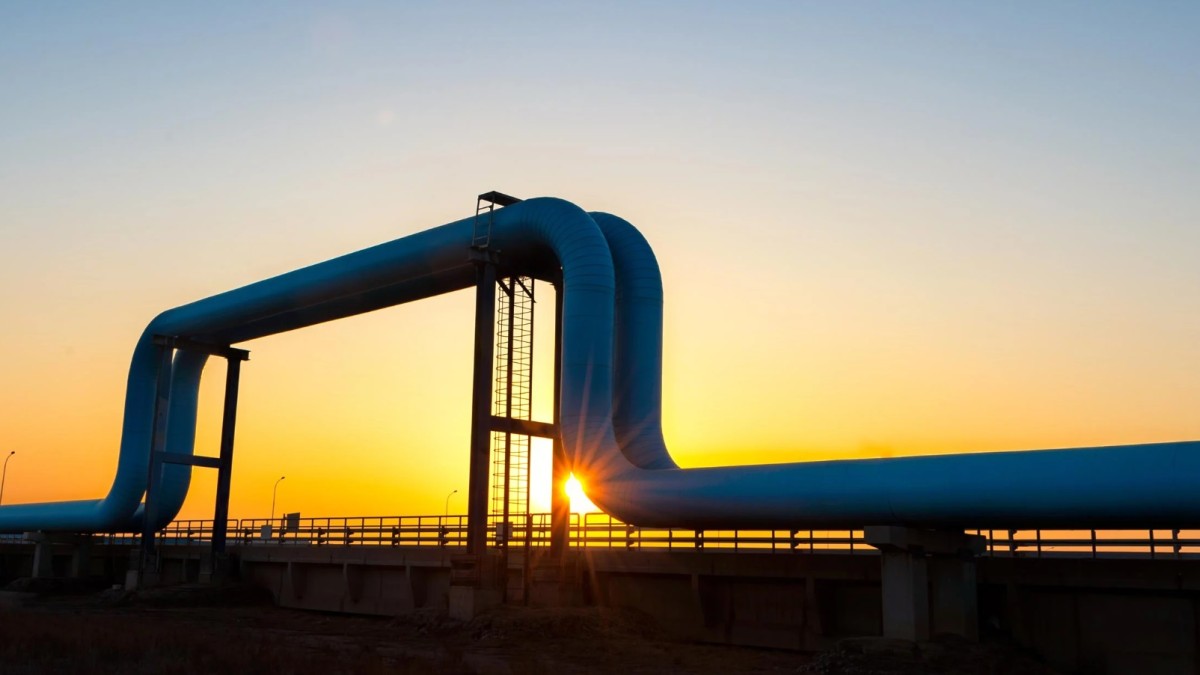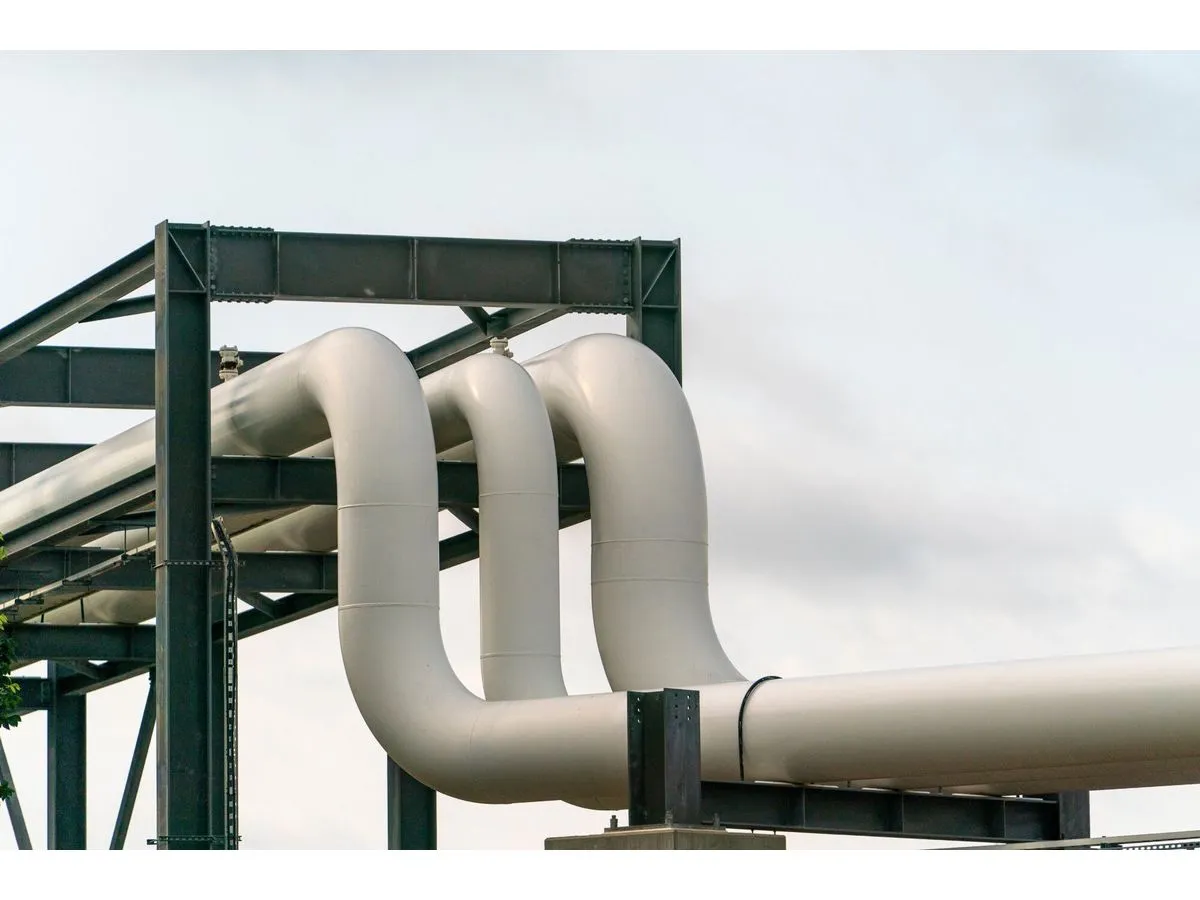
Canada’s Prime Minister Mark Carney is building a pipeline. Not the metaphorical kind politicians love to talk about. An actual, physical pipeline designed to move up to 1 million barrels of crude oil per day from Alberta to the British Columbia coast, where tankers will carry it to buyers in Japan, South Korea, China, and India.
The deal so far
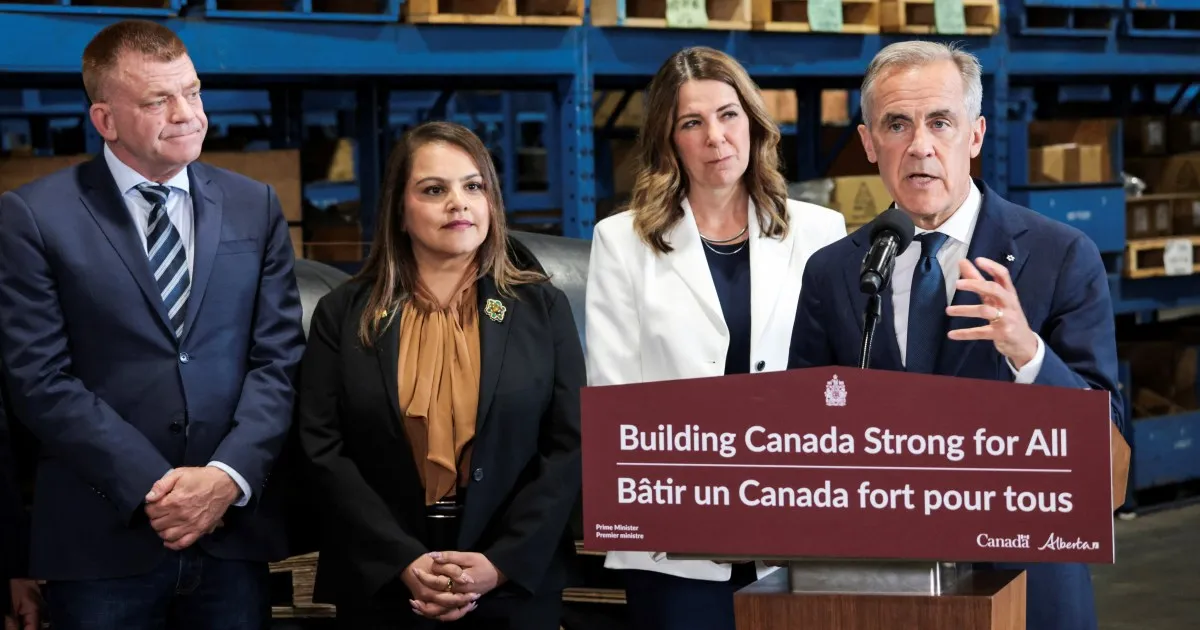
Carney locked down an agreement with Alberta on May 19, 2026, securing the province’s cooperation for the pipeline’s starting point. A follow-up pact with British Columbia came on July 2, 2026, though that deal came with strings attached.
The federal tanker ban on Canada’s northwest coast remains in place. That means the pipeline’s route is still subject to negotiation, with possible alternatives running through southern BC rather than the politically sensitive northern coastline.
Alberta Premier Danielle Smith is expected to present detailed pipeline proposals alongside Carney. Opposition estimates peg the economic upside at roughly CAD $30 billion in annual export revenue and around 90,000 jobs. Those are opposition figures, which means they could be optimistic or conservative depending on which side of the aisle is doing the math.