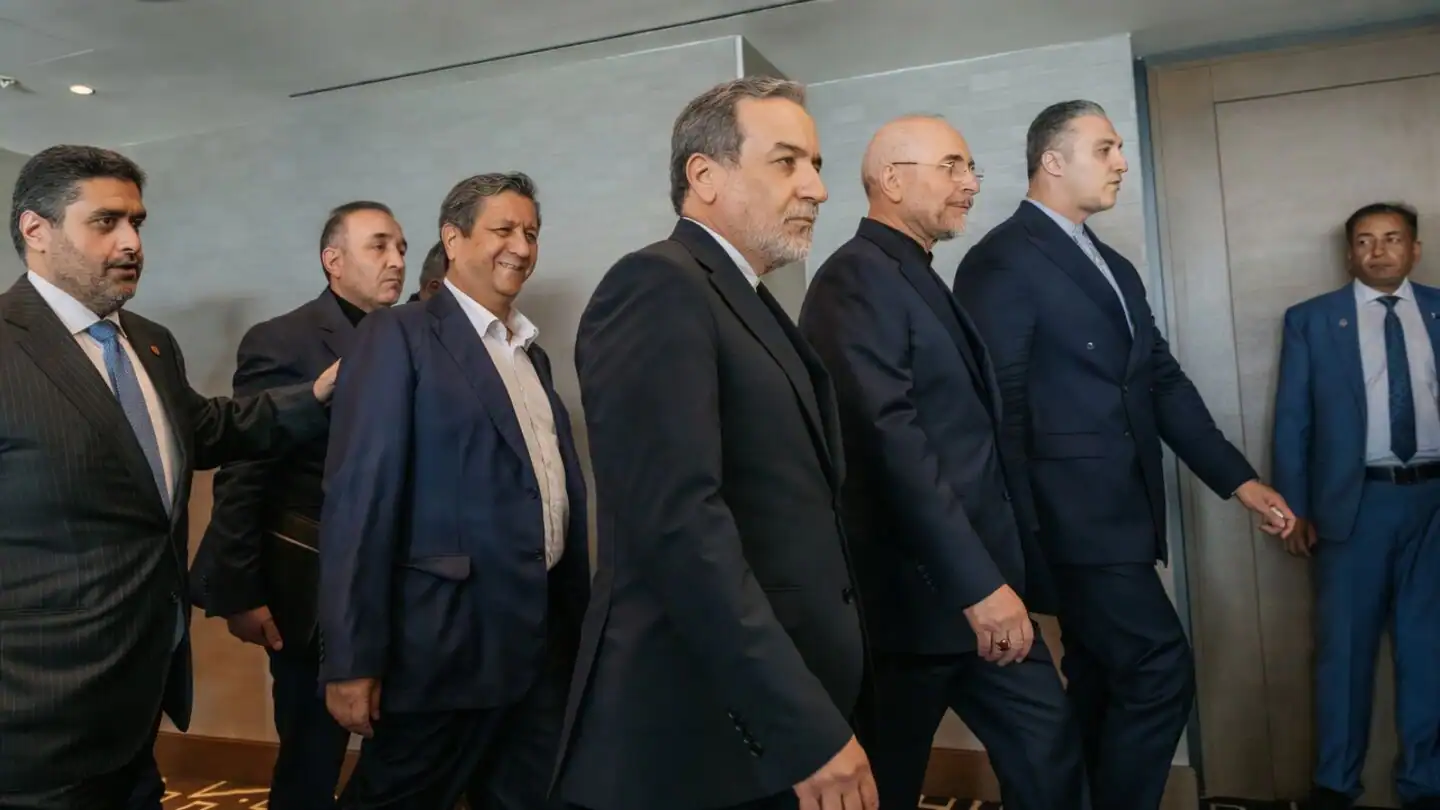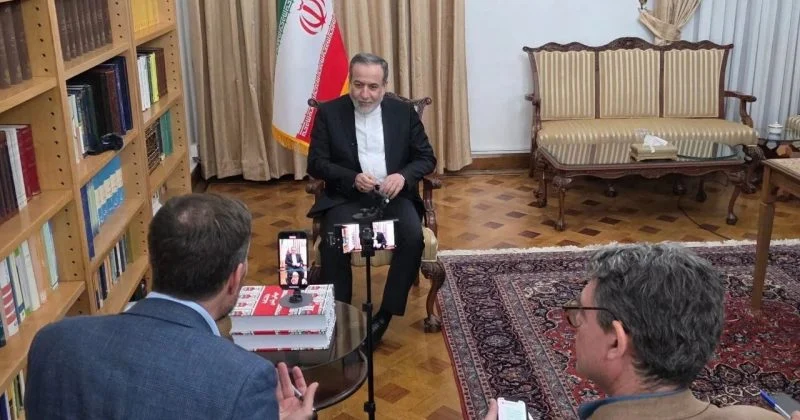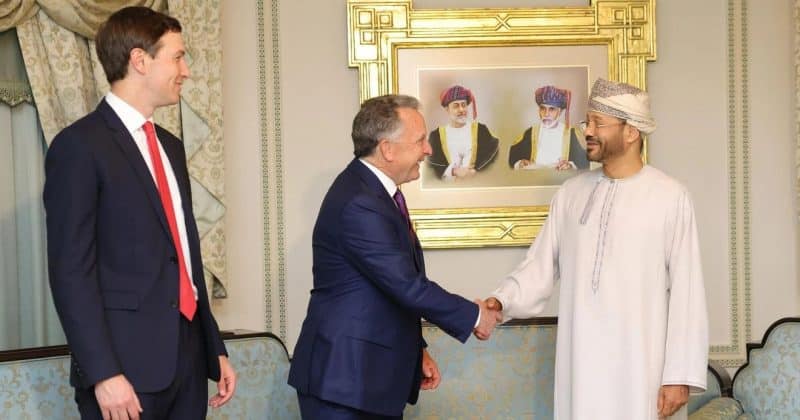
US officials have flagged concerns that senior Iranian negotiators could be targeted during ongoing peace talks, specifically warning about threats to Iranian Foreign Minister Abbas Araghchi and Parliamentary Speaker Mohammad Bagher Ghalibaf. The warnings, reportedly communicated to Iran through third-party channels, underscore just how fragile the diplomatic process has become.
The peace negotiations between the US and Iran have unfolded across multiple rounds in cities including Doha and Zurich, spanning from 2025 into 2026. The talks have aimed at establishing a ceasefire amid a broader regional escalation, but progress has repeatedly stalled over Israeli military actions in Lebanon and disputes about Iran’s compliance with nuclear agreements.
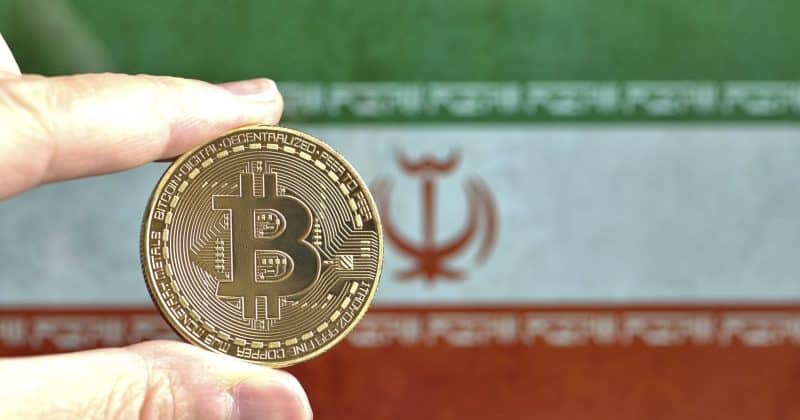
In June 2026, the US Treasury sanctioned Nobitex, Iran’s largest cryptocurrency exchange, citing its links to the Islamic Revolutionary Guard Corps. Iranian on-chain crypto activity linked to IRGC-affiliated addresses exceeded $3 billion in 2025, a figure that illustrates just how deeply digital assets have been woven into Iran’s sanctions evasion playbook.
Oil prices approached $100 per barrel in June 2026, reflecting the market’s anxiety about potential supply disruptions tied to the escalating tensions. Bitcoin showed notable resilience and even gained traction as peace talks progressed and hopes for de-escalation briefly took hold.