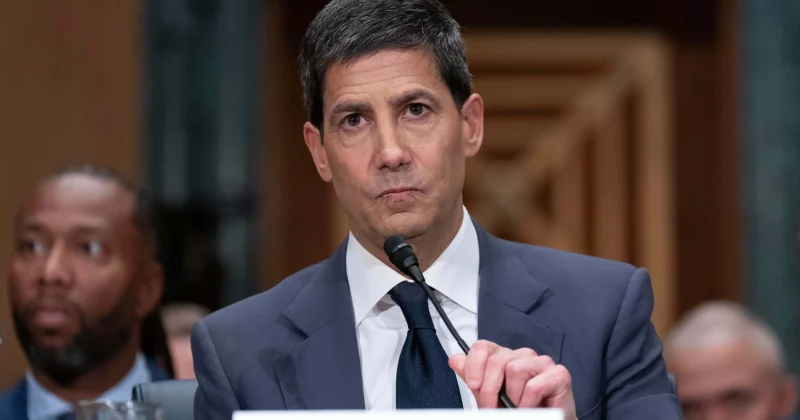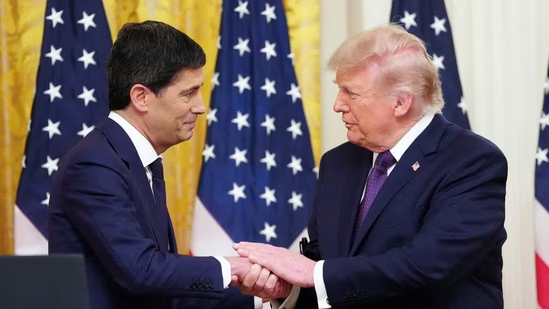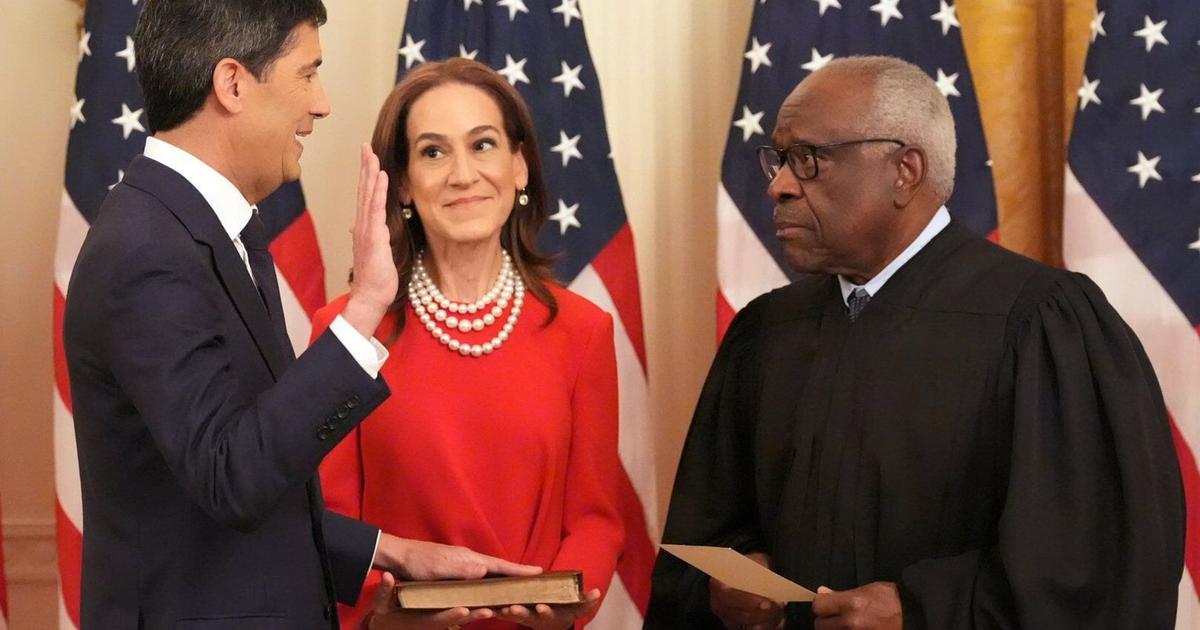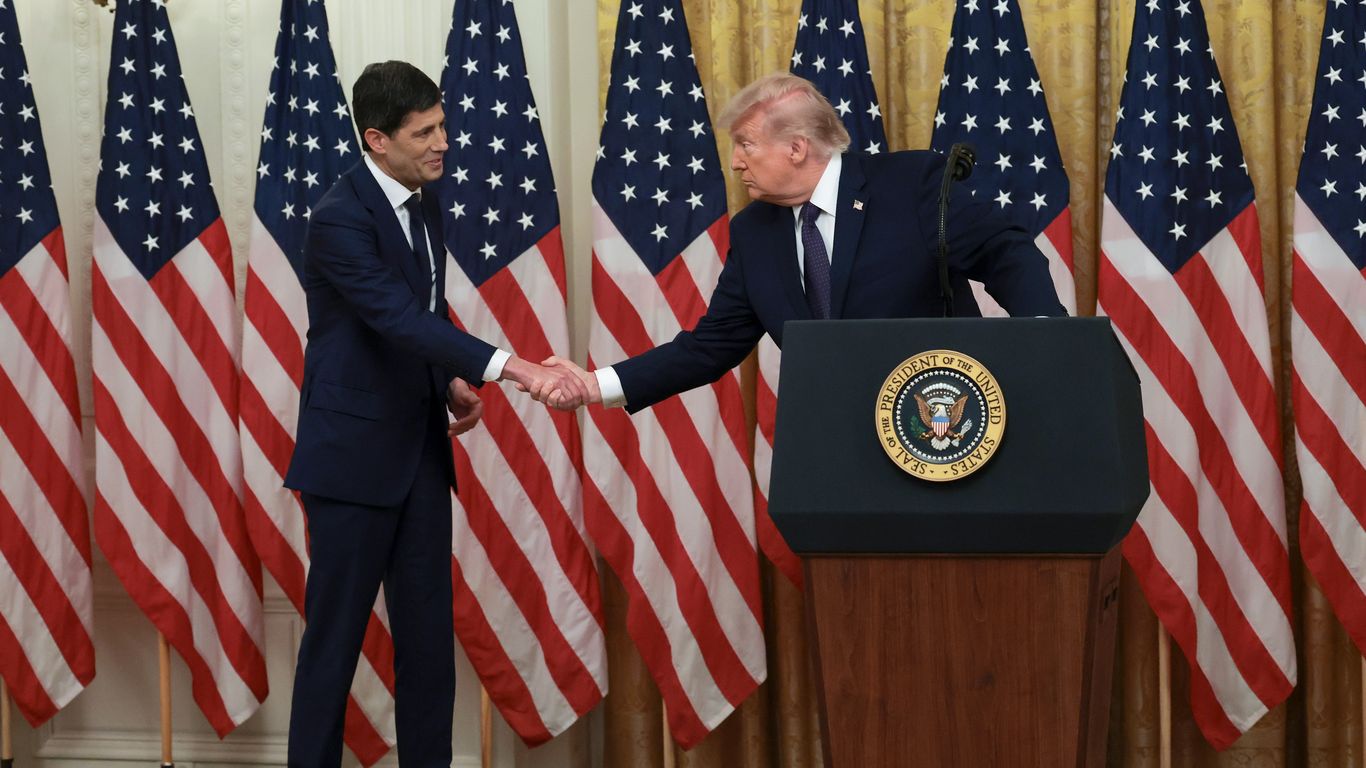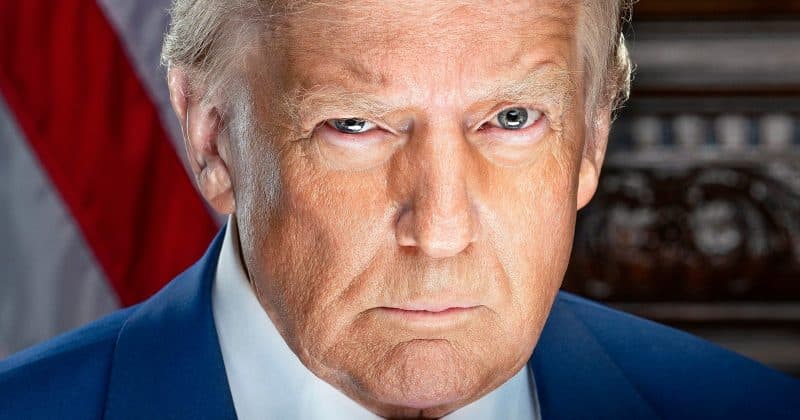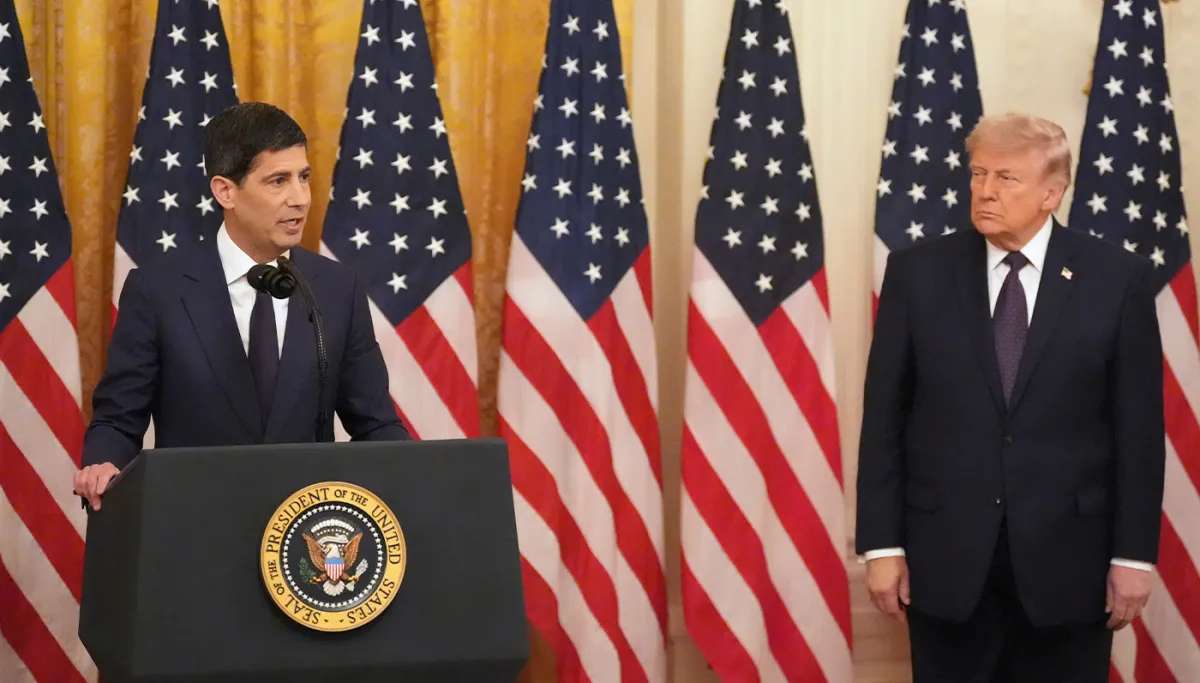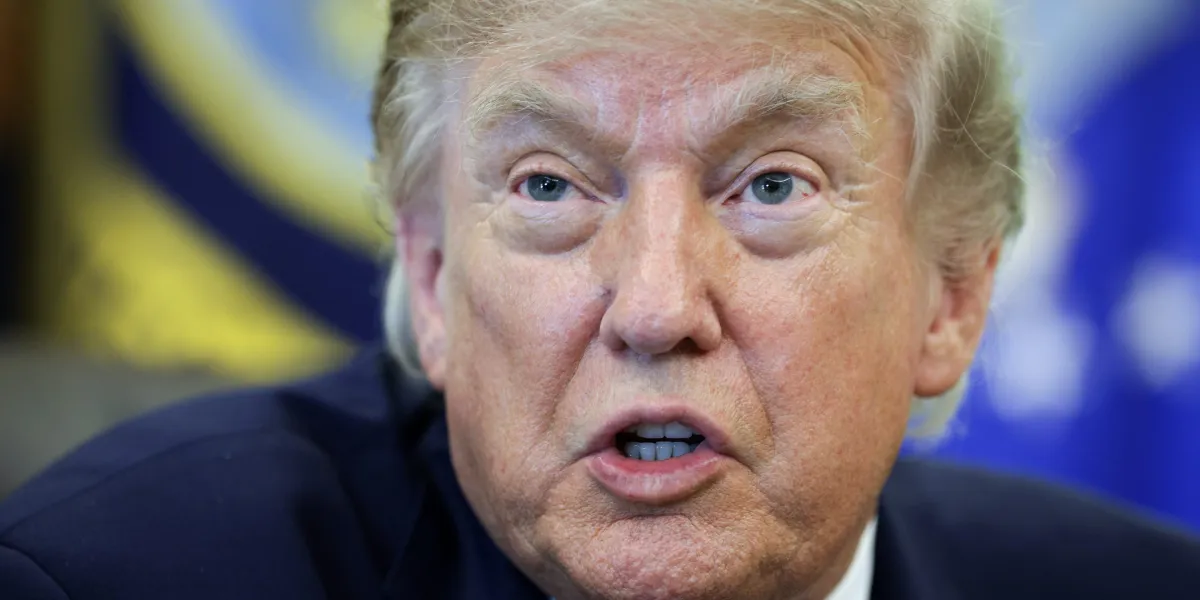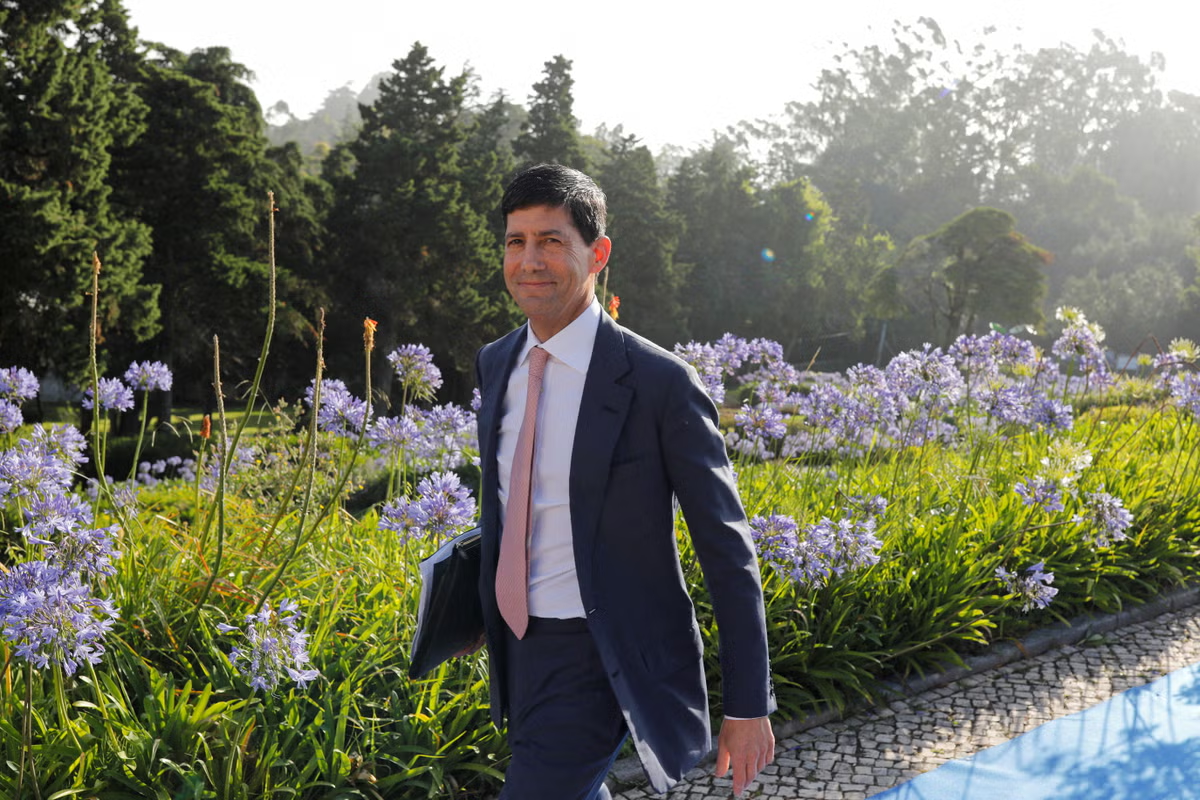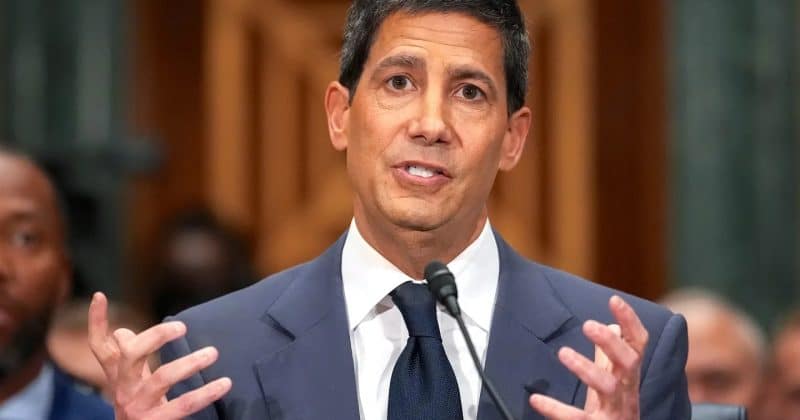
Kevin Warsh has been in the Fed chair seat for roughly six weeks, and Donald Trump is already managing expectations. Trump publicly acknowledged that Warsh may have difficulty winning over his Federal Open Market Committee colleagues on monetary policy, a candid admission that the new chair inherits a divided institution alongside a stubborn inflation problem.
A narrow mandate from a narrow Senate vote
Warsh was confirmed on May 13, 2026, by a 54-45 margin, the thinnest confirmation vote for a Fed chair in US history. He was sworn in around May 22, succeeding Powell, and inherited an economy where inflation had just hit 4.2% in May 2026, its highest reading in three years.
The inflation spike was driven largely by energy prices amid the Iran conflict, which pushed costs higher across the supply chain. Warsh has responded by anchoring publicly to the Fed’s 2% inflation target and, notably, refusing to offer forward guidance on interest rates. He has also declined to submit individual rate projections, breaking from a convention that gave markets a cleaner read on where policy was heading.
The FOMC consensus problem