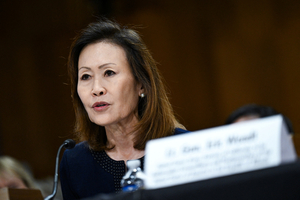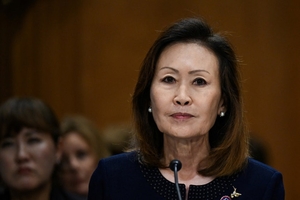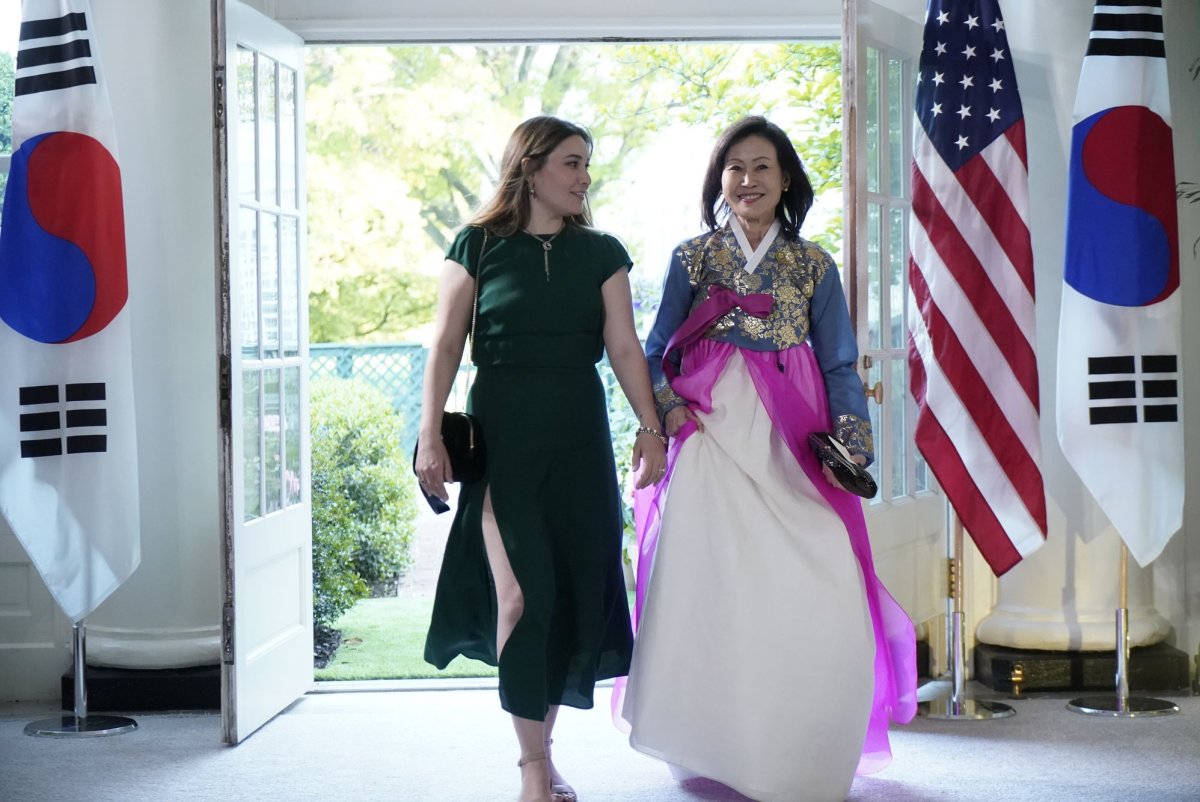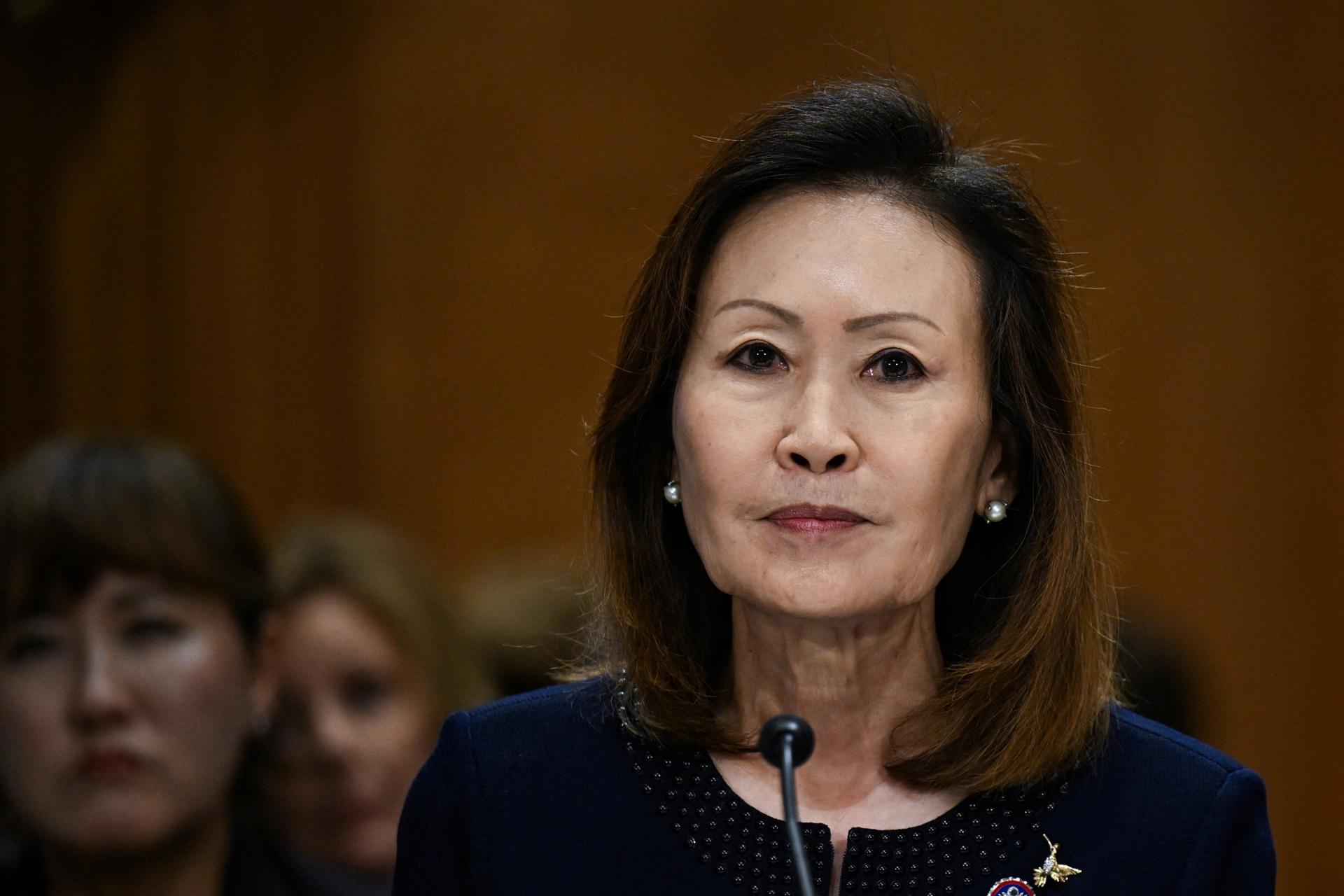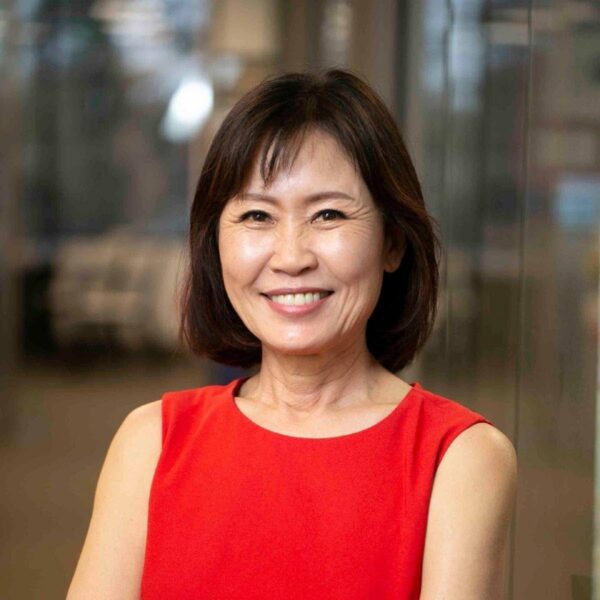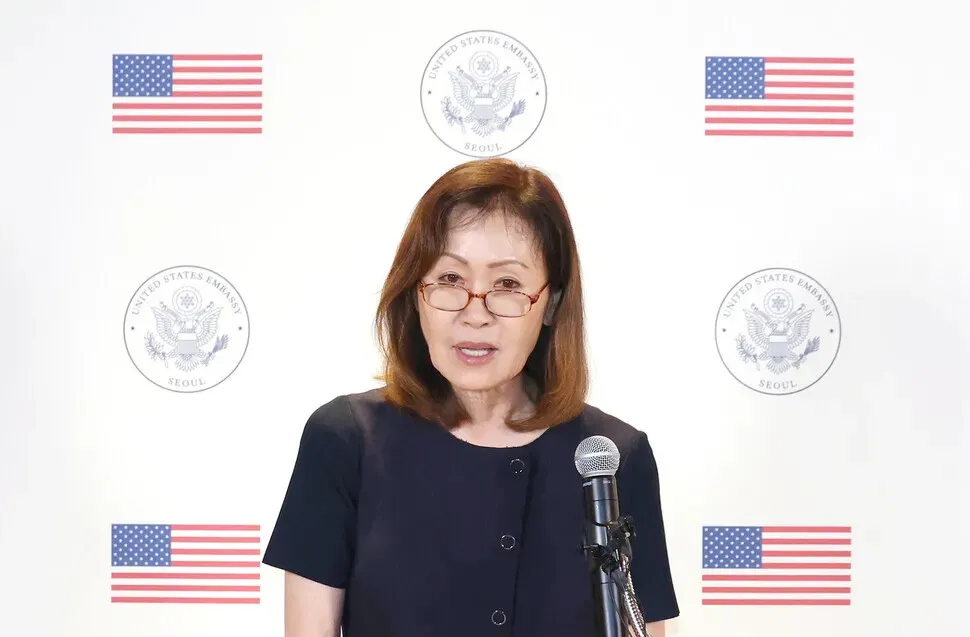
LEE BYUNG-JONG With her recent Senate confirmation, former US Congresswoman Michelle Steel is set to arrive in Seoul as the new US ambassador to South Korea. As the second Korean American to hold the post, following Sung Kim in the early 2010s, she returns to her country of birth facing both opportunities and challenges. Her ethnic heritage may serve as a valuable asset in bridging the two allies as they seek to redefine their partnership in a changing geopolitical environment. At the same time, her strong political positions could become a source of friction between Seoul and Washington in security, the economy and other domains.First, the opportunities. Steel's ethnic heritage, along with her understanding of Korean culture and language, can help facilitate diplomacy between the two countries — especially after a prolonged 18-month vacancy in the ambassadorial post. Her familiarity with Korean society may reduce, if not entirely prevent, diplomatic missteps caused by misunderstanding or miscommunication, which have not been uncommon in the past. The fact that a Korean immigrant woman has risen to such a prestigious position in the United States may also inspire a sense of pride among many Koreans.For many in Korea, her appointment is a testament to the rising global status of both Korea and Korean Americans. It marks a sharp contrast to the era when the first wave of Korean immigrants arrived in the United States as sugarcane laborers in Hawaii more than a century ago. At a time when Korea was a poor and underdeveloped country reliant on US military and economic support, Korean Americans largely occupied the lower rungs of American society. Yet as Korea has risen globally — diplomatically, economically and culturally — Korean Americans have also advanced, emerging as a prominent and influential community. Today, many serve in Congress and other powerful institutions.Steel's personal story mirrors this broader trajectory. Now 71, she left Korea nearly five decades ago, in 1975, as an immigrant. After settling in Los Angeles, she lived as a homemaker until the early 1990s, married to a lawyer who later became a prominent Republican figure. Her life changed in 1992 during the Los Angeles riots. Witnessing the severe hardships faced by Korean Americans, she decided to enter politics and joined the Republican Party.After studying business management at Pepperdine University and the University of Southern California, she began her career in local government, working in tax administration in Los Angeles and later in Orange County, home to a large Korean American population. In 2020, she was elected to the US House of Representatives, becoming the first Korean American woman to serve in Congress. After winning reelection in 2022, she served two terms before narrowly losing her seat last year. A loyal supporter of President Trump, she was nominated as ambassador to Seoul in April and confirmed by the Senate in June.Her challenges, however, stem in part from her close alignment with Trump's policies and worldview. Like the president, Steel is a strong conservative who emphasizes containing China and expanding South Korea's role in broader Indo-Pacific strategic competition. Washington's view that the Korea–US alliance should extend beyond the Korean Peninsula into a wider geopolitical and geoeconomic framework may clash with Seoul's preference to avoid entanglement in broader regional rivalries. South Korea remains cautious about direct confrontation with China, its largest trading partner.North Korea presents another potential point of tension. Steel's family originates from the North, and she is known for her anti-communist views and strong advocacy for North Korean human rights. She has opposed efforts by Seoul to pursue a peace declaration with Pyongyang without prior denuclearization. Her hawkish stance could put her at odds with the current liberal government of President Lee Jae Myung, which favors dialogue and engagement with the North.Economic issues may prove equally sensitive. Steel has firmly supported Trump's "America First" agenda. During her confirmation hearings, she pledged to press South Korea on its $350 billion investment commitments in the United States and called for stronger protections for US technology firms operating in Korea.As a political appointee rather than a career diplomat, Steel's position is inherently more exposed to partisan dynamics. Unlike career diplomats, she is less able to distance herself from political controversies or maintain strict neutrality. In an era of deep polarization in both the United States and South Korea, she is likely to be perceived through a partisan lens. Indeed, reactions to her appointment have already been divided, with progressive groups in Seoul voicing opposition while conservatives have expressed support. Her Senate confirmation also reflected partisan splits.By contrast, Sung Kim — the first Korean American ambassador to Seoul — largely avoided such controversies. As a career diplomat, he operated with greater insulation from domestic political pressures, and he served during a period when US diplomacy was less shaped by intense partisan conflict. With Trump in power, however, today's environment is markedly different. US diplomacy is much more politicized than before. Steel may seek to strike a balance across political divides in both Washington and Seoul, but doing so will be a formidable challenge.- - -Lee Byung-jong is a former Seoul correspondent for Newsweek, The Associated Press and Bloomberg News. He is a professor at the School of Global Service at Sookmyung Women’s University in Seoul. The views expressed here are the writer’s own. -- Ed.
[Lee Byung-jong] New US Ambassador to Korea
With her recent Senate confirmation, former US Congresswoman Michelle Steel is set to arrive in Seoul as the new US ambassador to South Korea. As the second Kor
883 words~4 min read