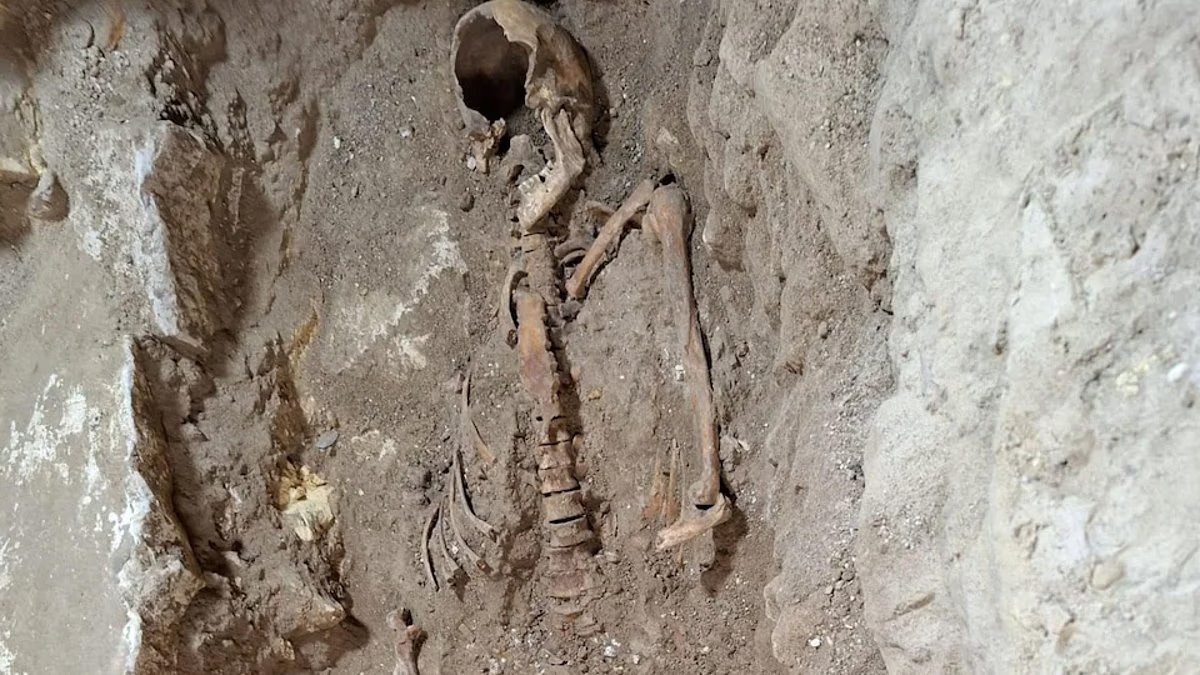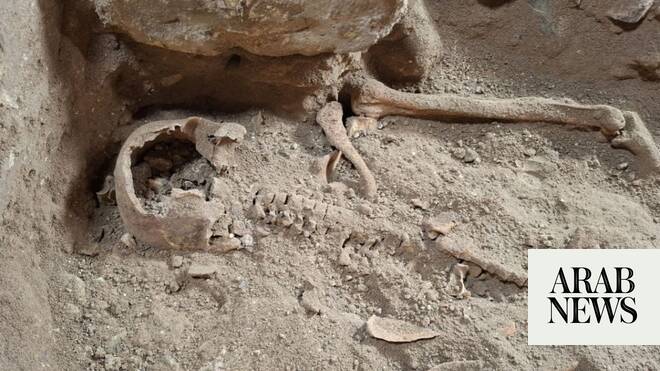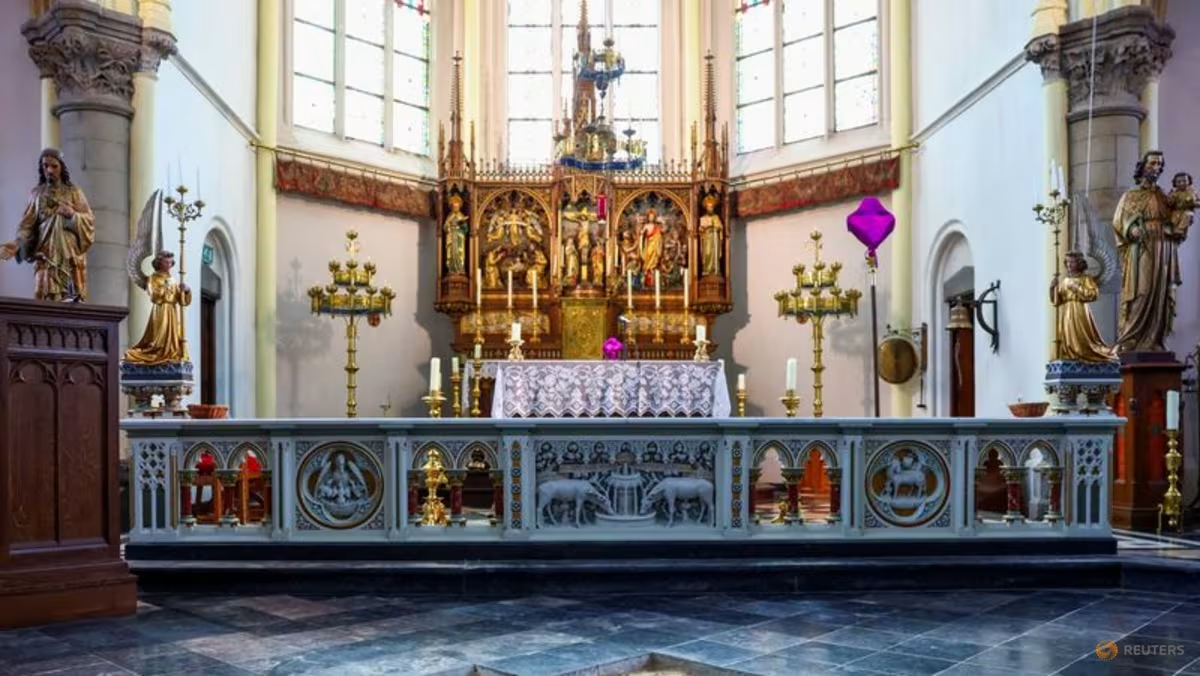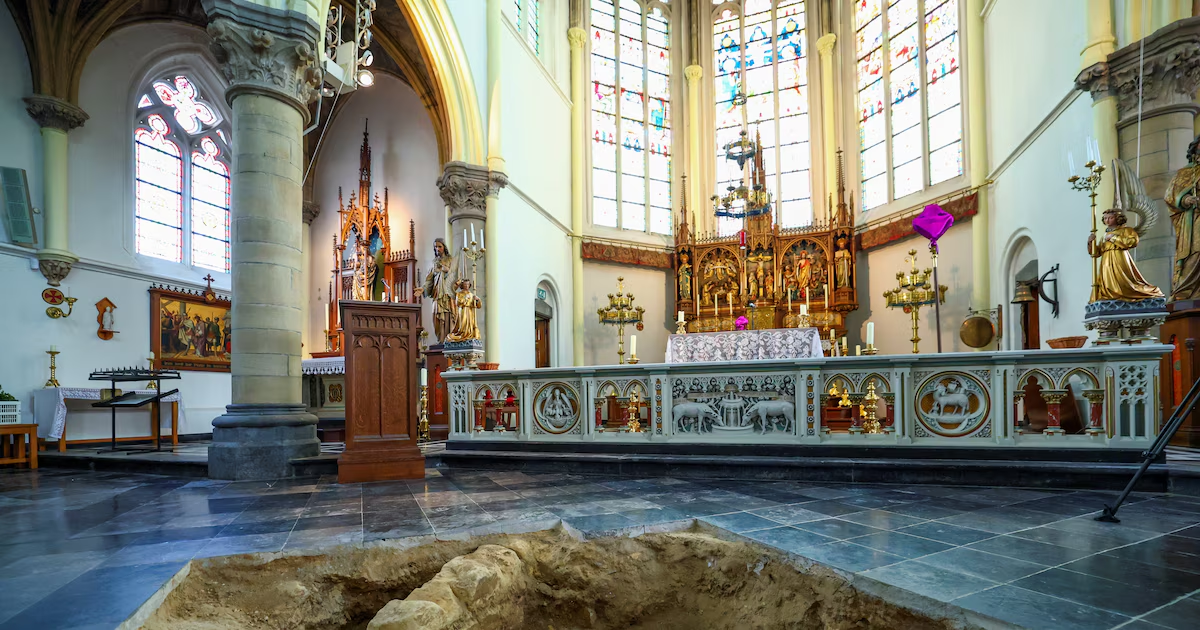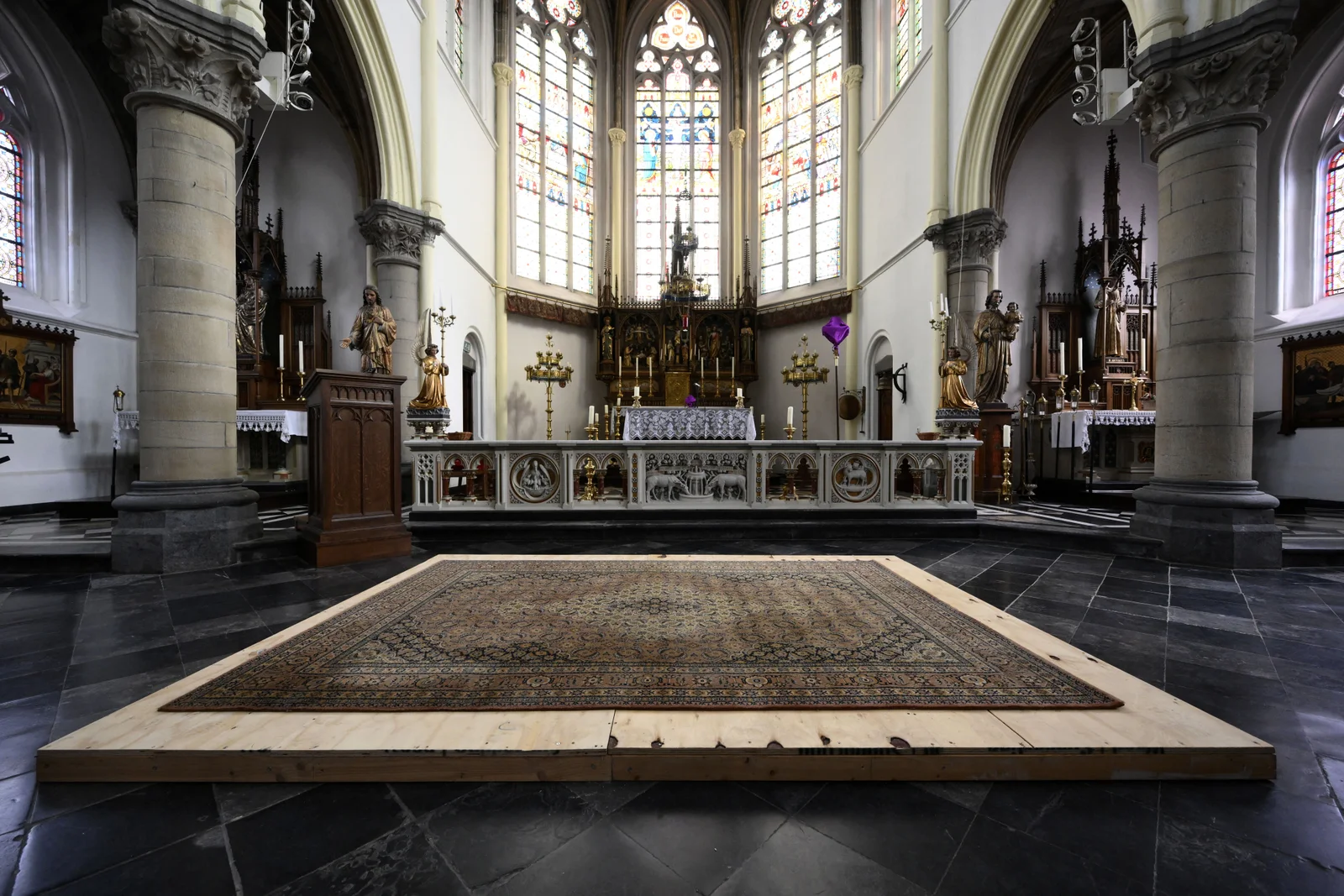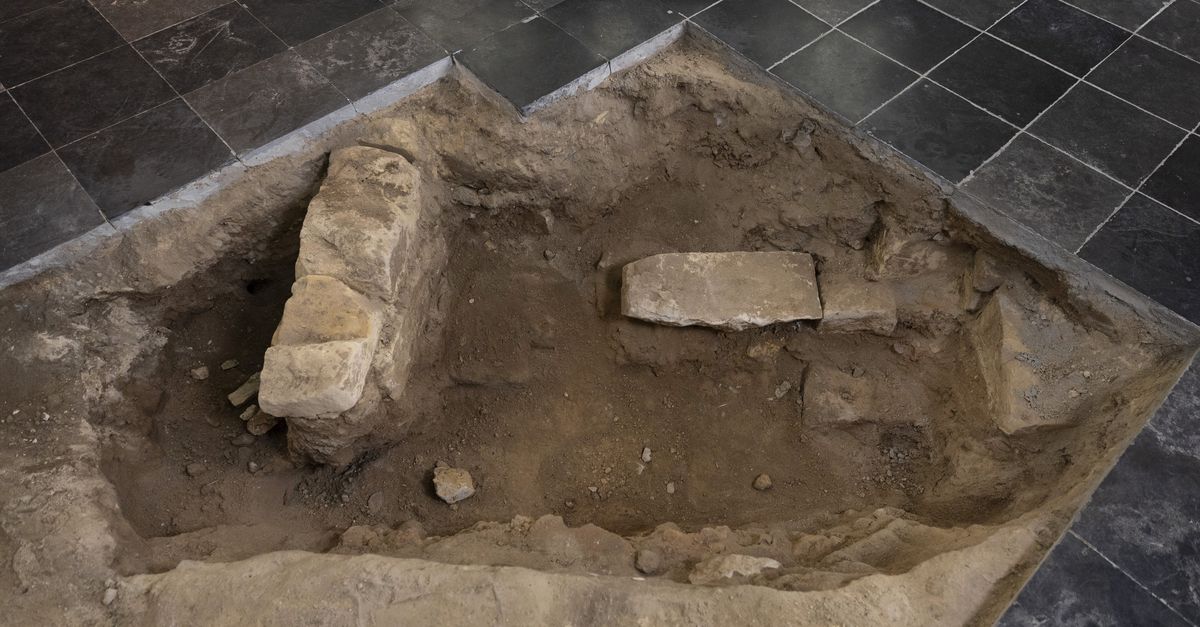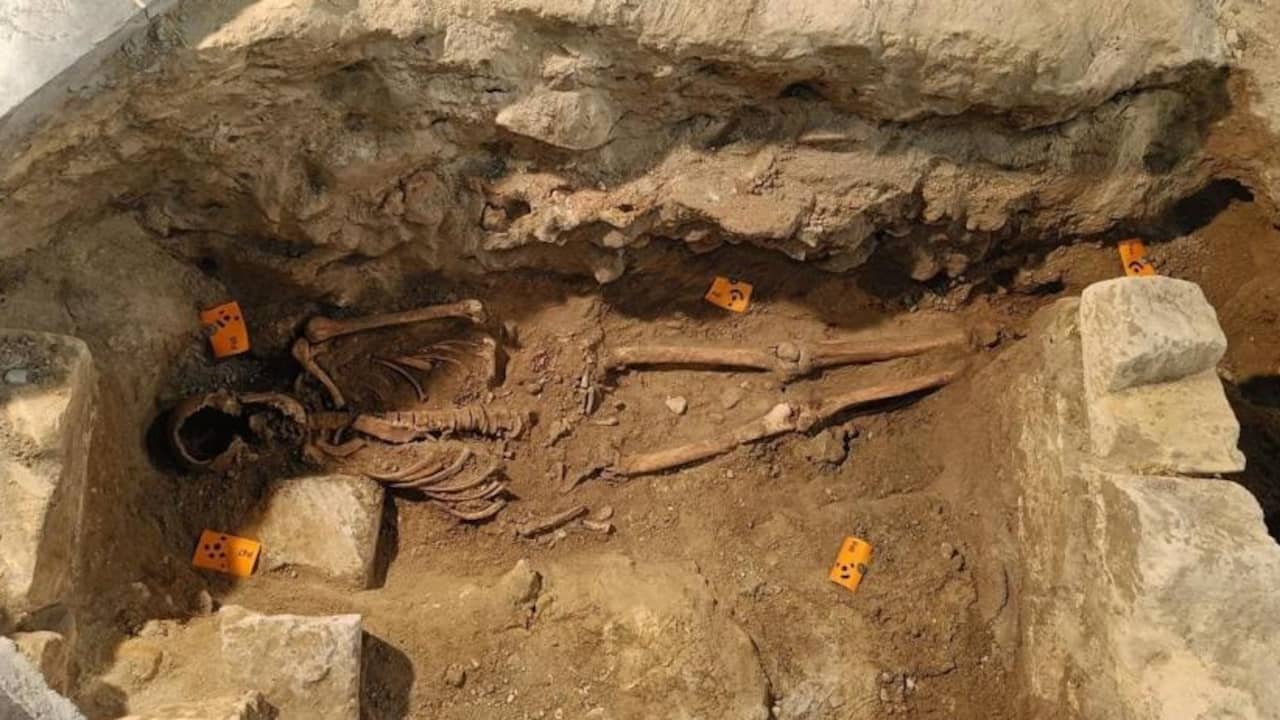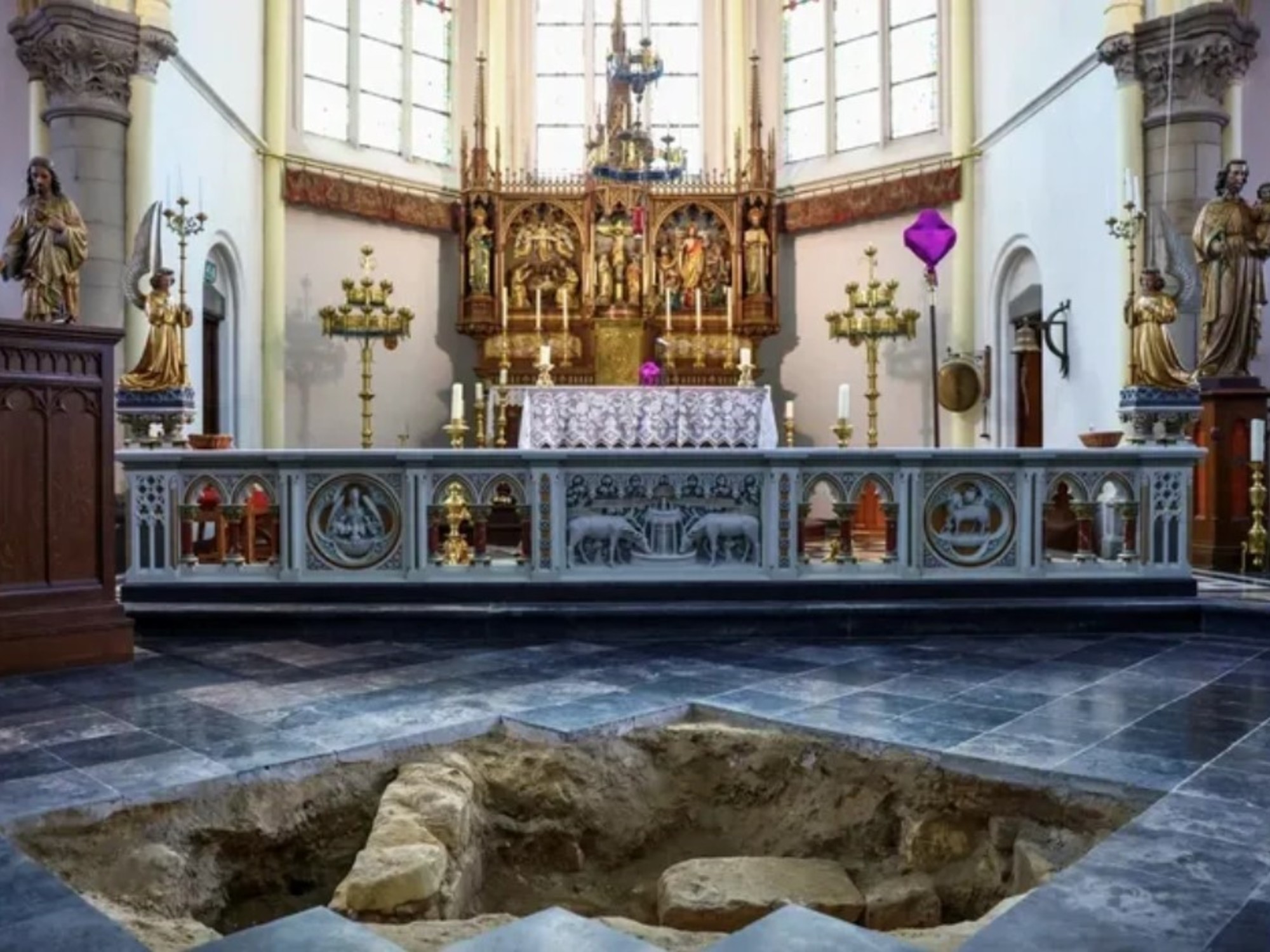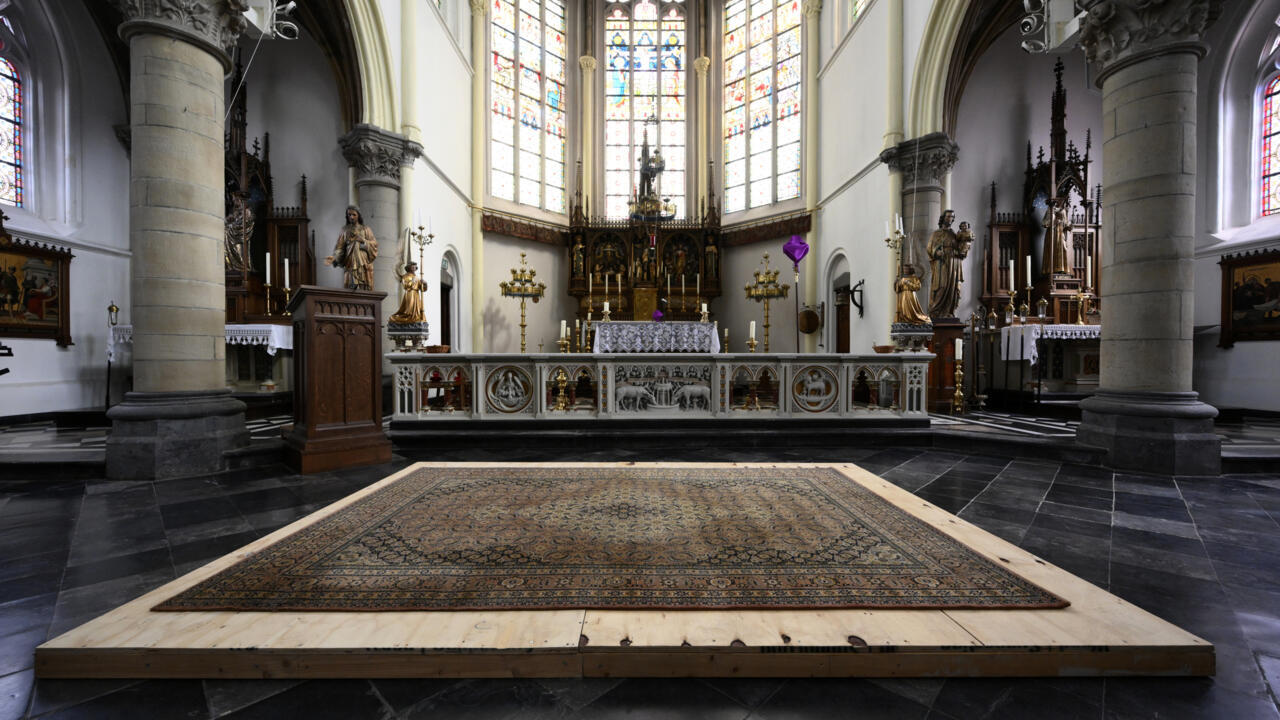
After an illegal dig by an archaeologist who stuffed ancient remains in a plastic shopping bag, the world is no closer to knowing whether a skeleton uncovered months ago in a Dutch church belongs to d'Artagnan of Three Musketeers fame.Following months of speculation and media reports of bungled investigations, the city hall of Maastricht, where the bones were discovered, finally admitted on Thursday that six more months of research were needed.The dig was initially conducted by archaeologist Wim Dijkman, who worked without a permit or the usual precise methodology required, said Gilbert Soeters, an archaeologist from Maastricht city hall."It was a former colleague who was first to do the dig. Well, actually the word 'dig' isn't exactly right. This was not an archaeological dig," Soeters told reporters Thursday.The city authorities hastily took over with an "emergency excavation" but the damage of the first dig has hampered their ability to state once and for all whether or not the bones are d'Artagnan's."We would have liked to know exactly where certain remains, placed in a small box in a shopping bag, came from," said Soeters."That would have considerably simplified the mystery with which we are now confronted," he added.Dijkman is currently facing legal action. Repeated AFP efforts to contact him have proved unsuccessful."Because no archaeological documentation was prepared in accordance with the usual standards before the emergency excavation, part of the archaeological context has been lost," said city hall officials in a statement."The loss of information limits the possibilities for fully interpreting the grave and the skeleton."'Too much fish'The jury is therefore still out on whether the bones buried beneath the church belong to d'Artagnan, the swashbuckling French soldier who inspired Dumas and a series of TV adaptations."The characteristics of the skeleton are consistent with what is known historically about d'Artagnan, but they are not specific enough to allow a definitive identification. Further research is therefore needed," said authorities.Initial studies have however revealed the person ate too much fish for someone like d'Artagnan, who came from Lupiac in southern France."Analysis of the collagen in the collected samples clearly showed that this person consumed a large amount of saltwater fish: fish accounted for between 27 and 30 percent of his usual diet," city officials said."This proportion is exceptionally high and does not match the profile of a Gascon, who spent a large part of his life in Paris and Lille," they added.The skeleton's discovery -- in the nave of a modern church whose origins date back to at least the 13th century -- sparked global media interest in March.The nobleman was killed during the siege of Maastricht in 1673. His final resting place has remained a mystery ever since.A mystery that is not over yet."I'm holding out hope until the very last minute, but is that really realistic? I don't want to give in to an overly romanticised view," said Maastricht mayor Wim Hillenaar.
Bones of contention: More research needed on 'd'Artagnan corpse'
It's a story worthy of Alexandre Dumas himself.
481 words~2 min read