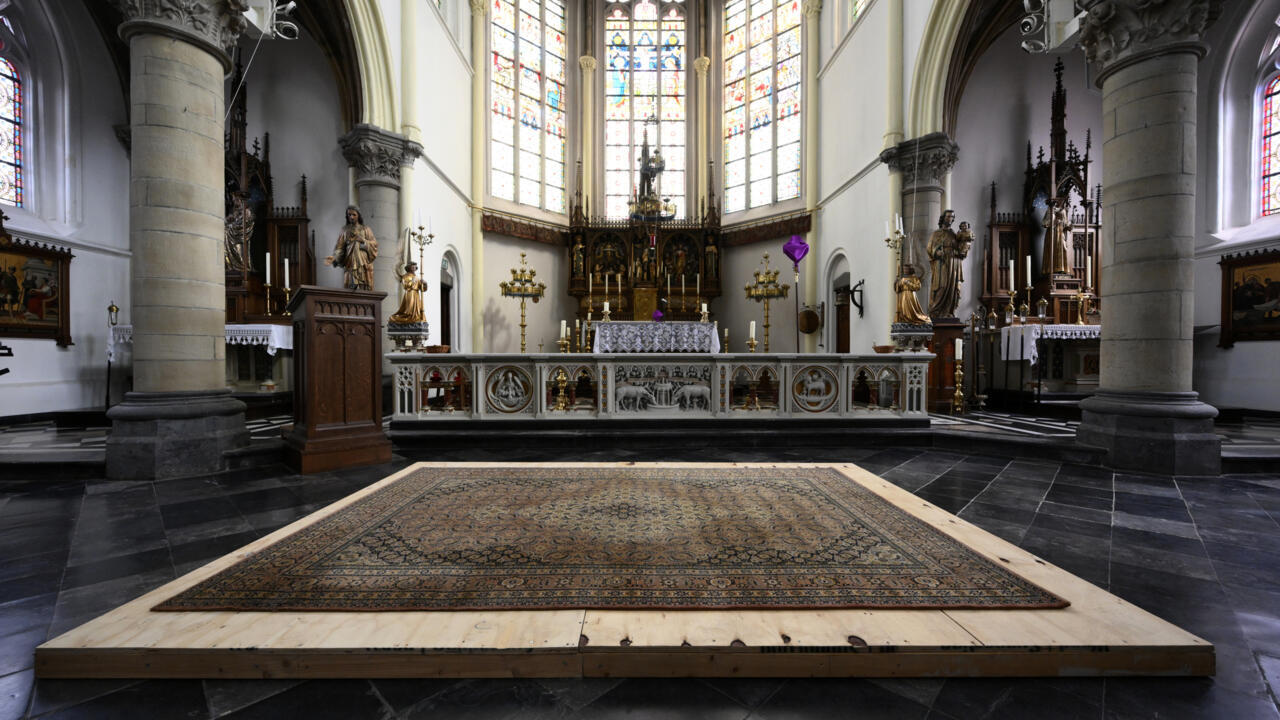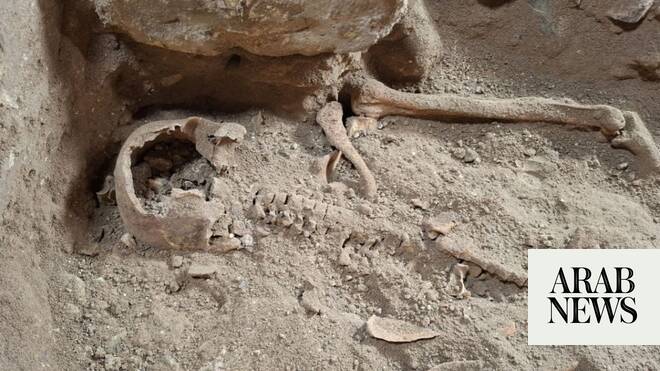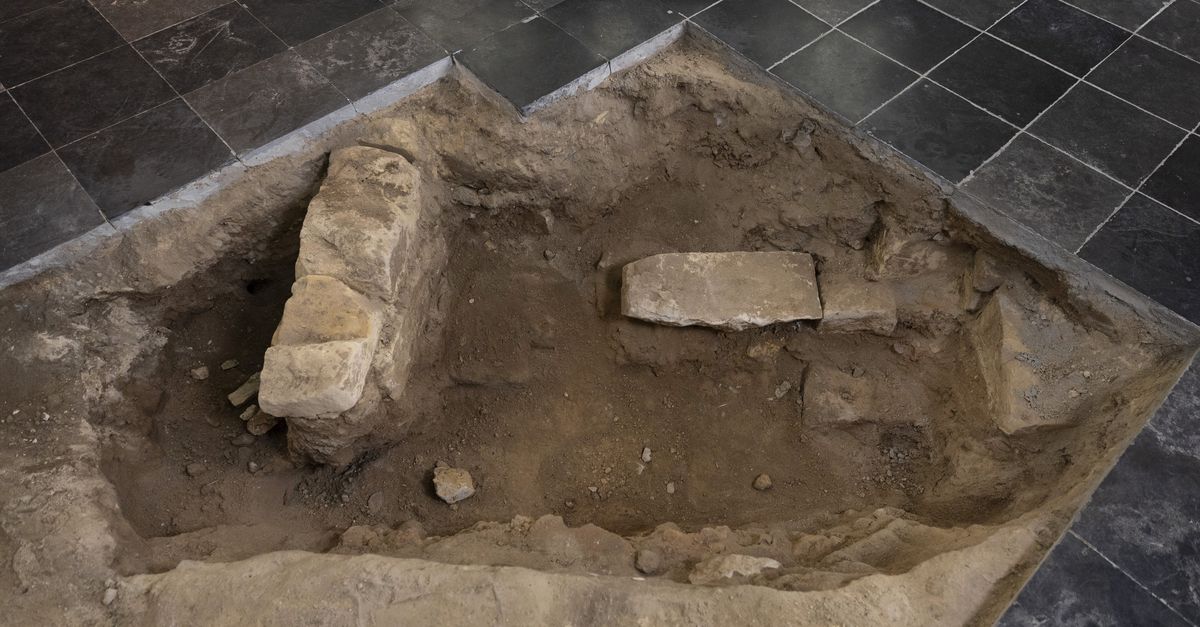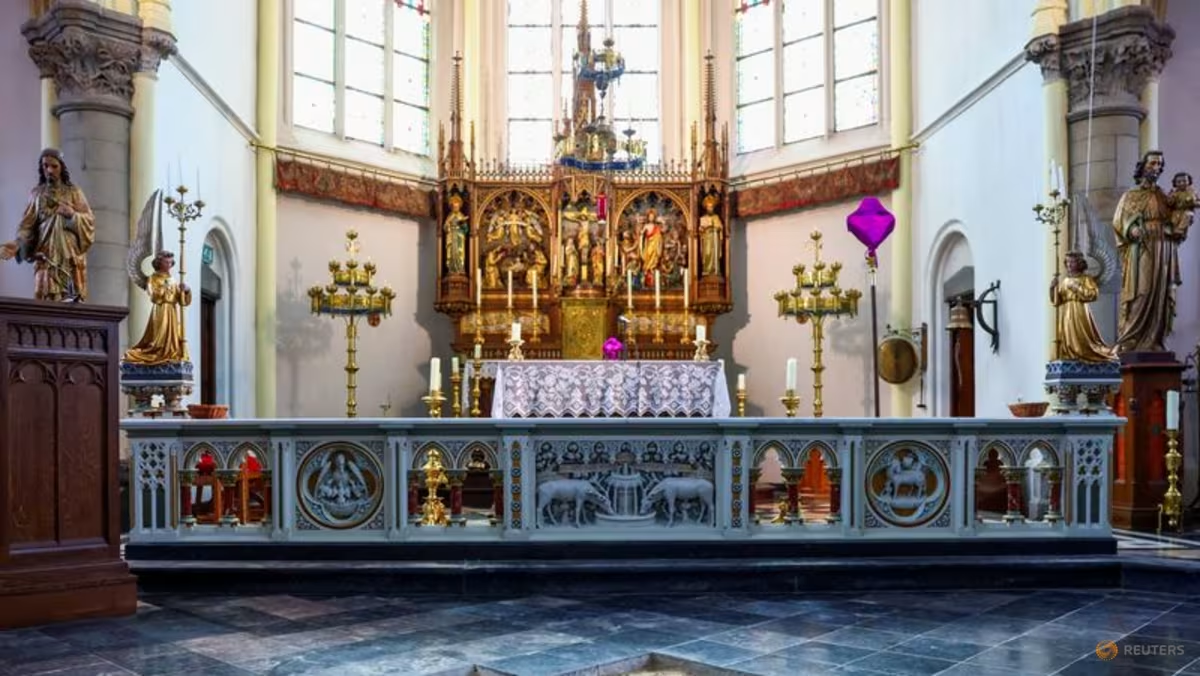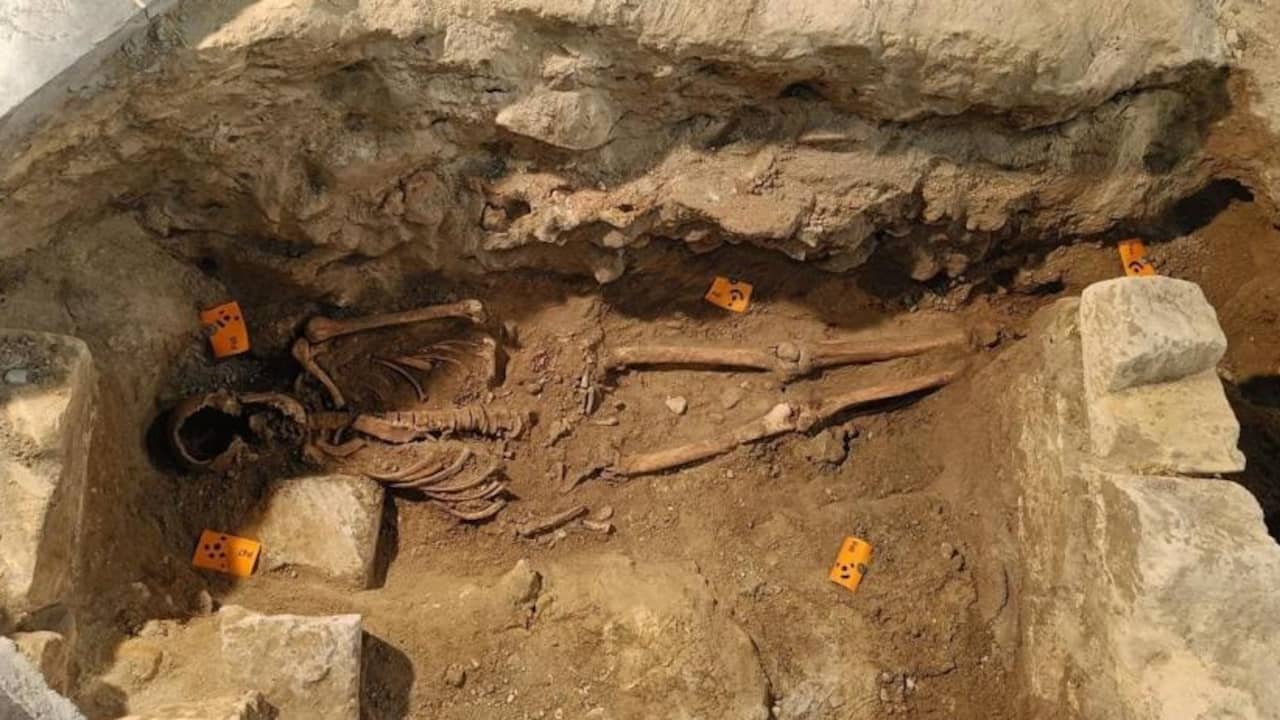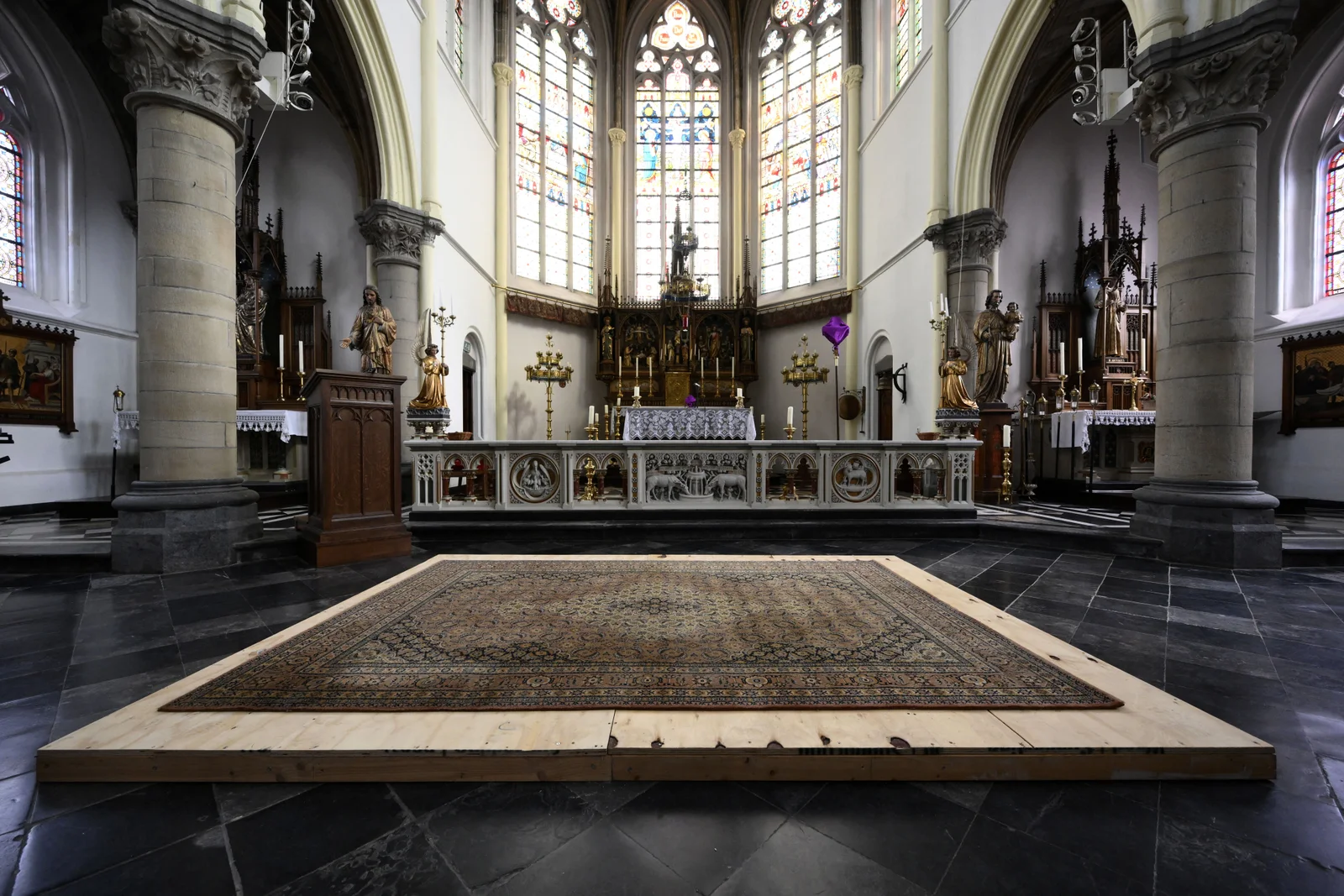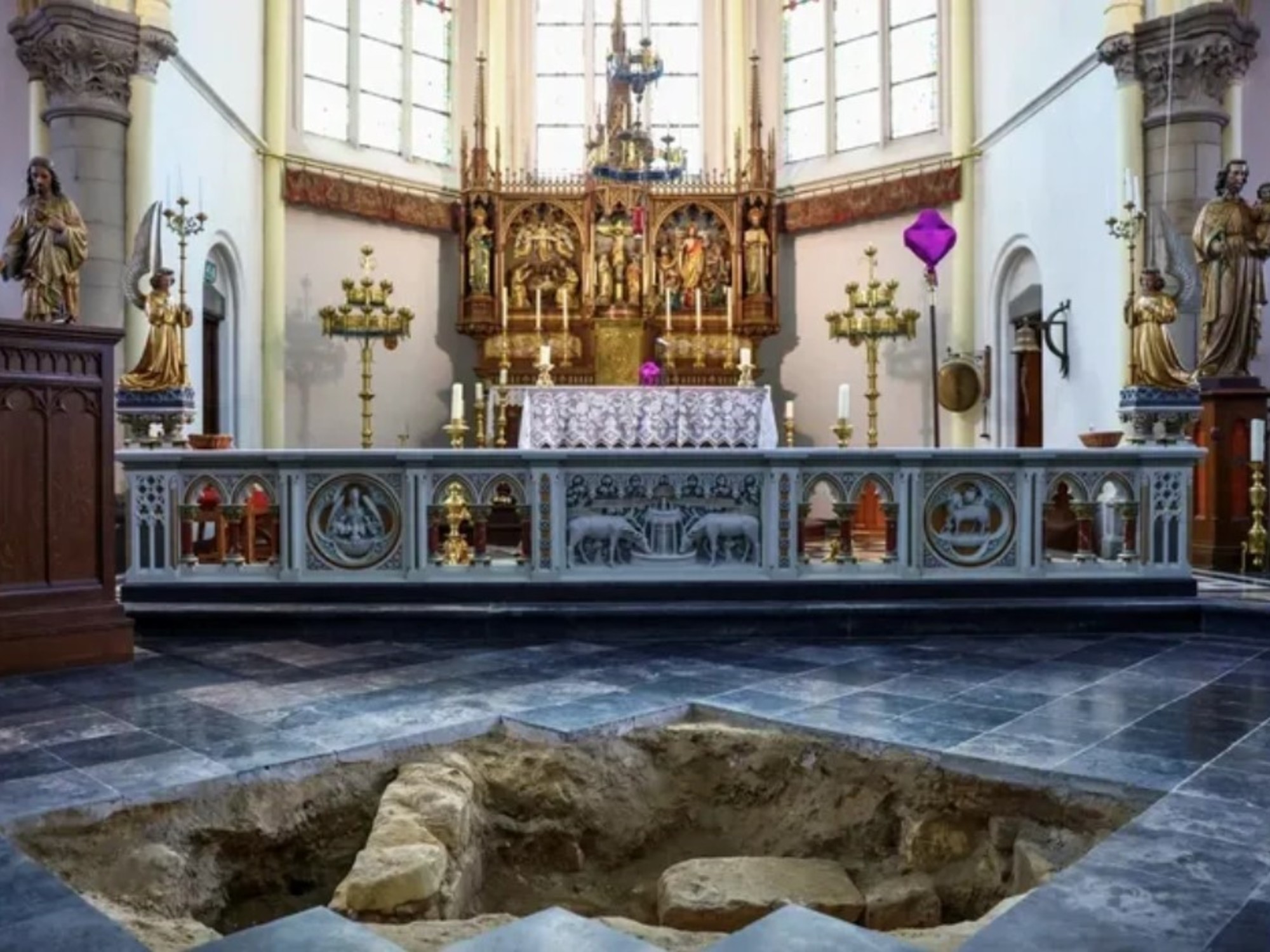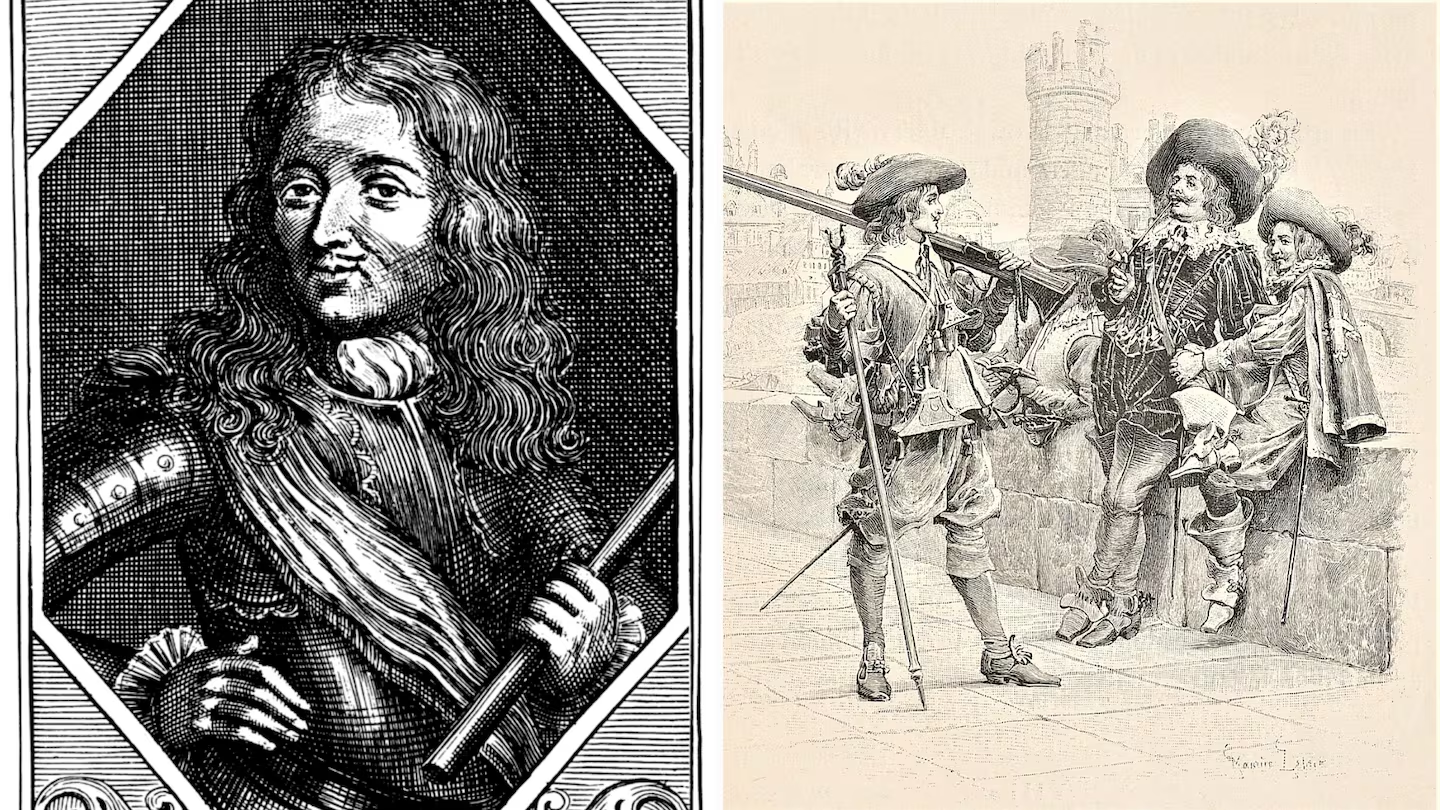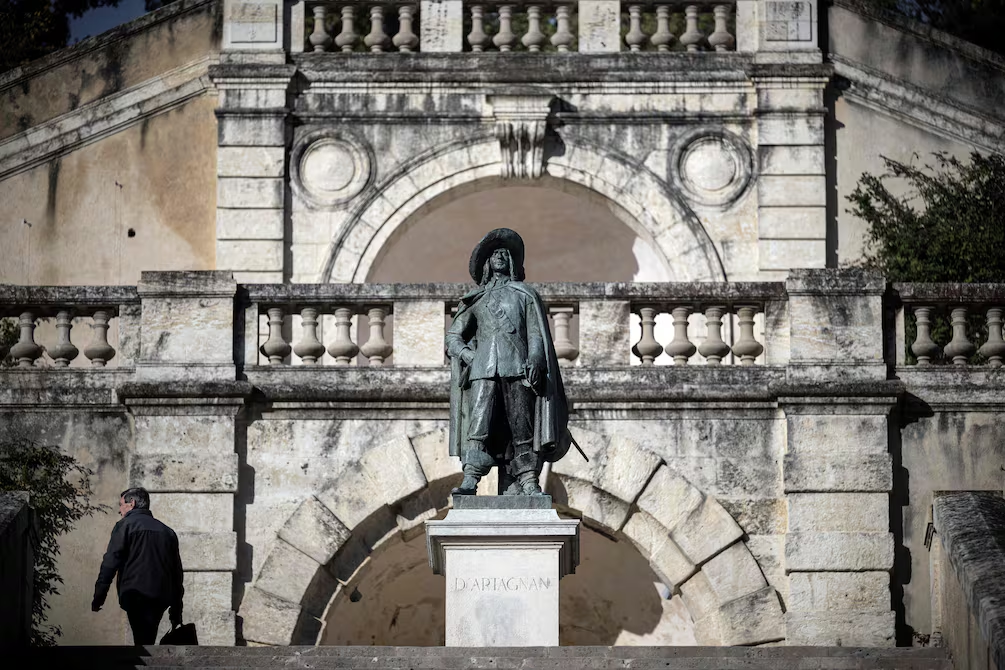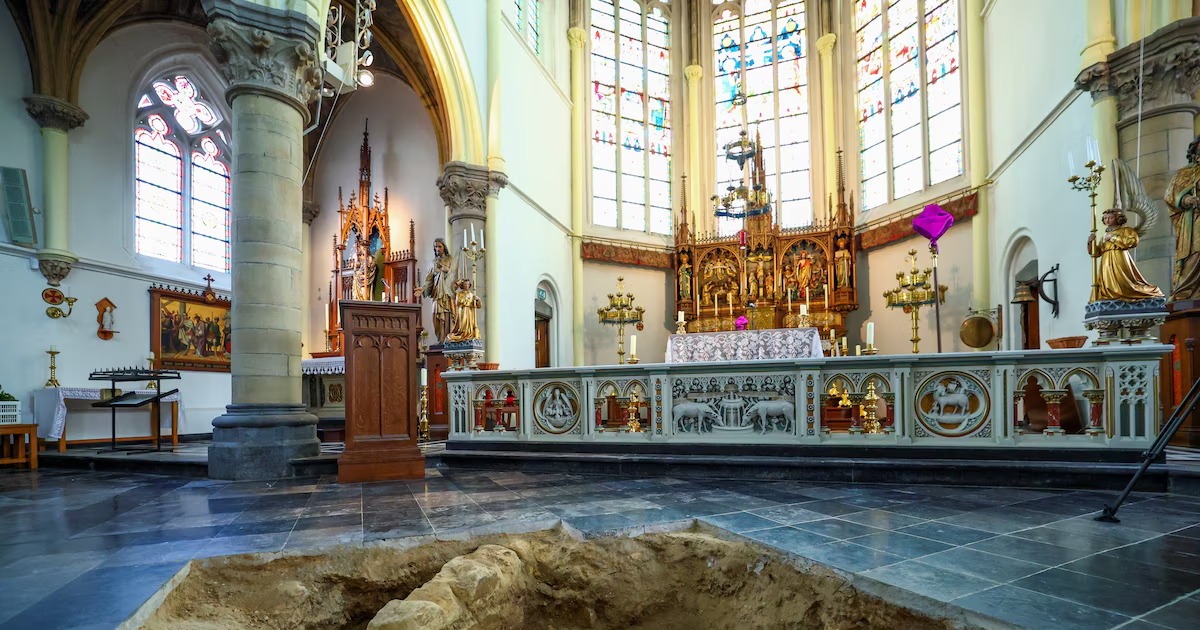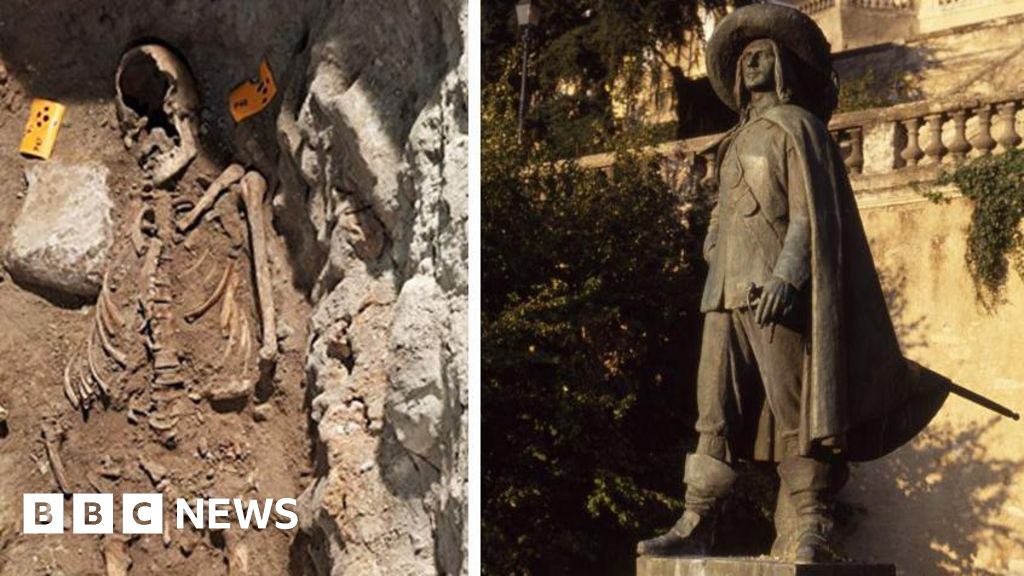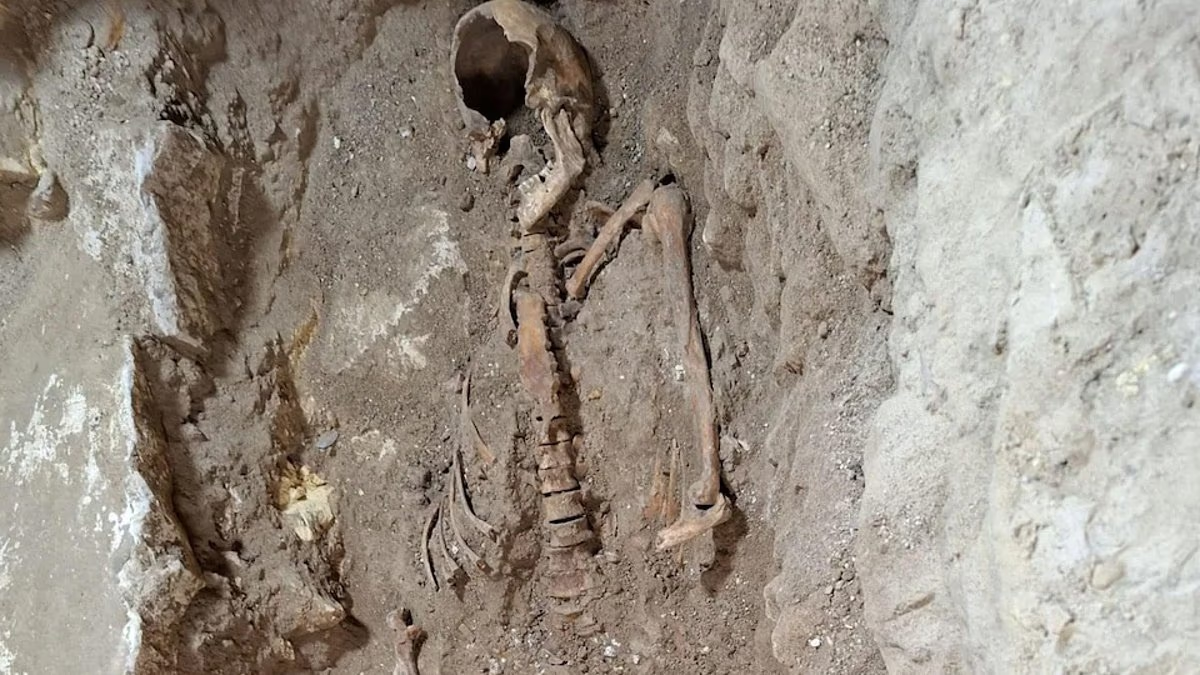
The mystery over whether remains buried beneath a Dutch church belong to the fourth musketeer d'Artagnan may never be solved after officials admitted mistakes during the excavation meant crucial evidence was lost.After months of speculation and reports of a bungled investigation, Maastricht city hall said on Thursday there was still not enough evidence to identify the skeleton.'Based on the current research findings, it cannot be established that the skeleton found is that of d'Artagnan,' said the authorities.'The characteristics of the skeleton are consistent with what is known historically about d'Artagnan, but they are not specific enough to allow a definitive identification. Further research is therefore needed.'D'Artagnan was killed during the siege of Maastricht in 1673. His final resting place has remained a mystery ever since.The Gascon nobleman Charles de Batz de Castelmore inspired Alexandre Dumas’s fictional hero d’Artagnan in The Three Musketeers, published in the 19th century, a character now known worldwide through the novel and its numerous film adaptations.The skeleton's discovery - in the nave of a modern church whose origins date back to at least the 13th century - sparked global media interest in March.But according to local media L1, mistakes were made during an initial excavation, meaning valuable information was lost. A view inside the Peter and Paul Church (Petrus en Pauluskerk) in Maastricht shows an excavation pit opened in the floor, where archaeologists believe they may have uncovered the skeletal remains of d'Artagnan After months of speculation and reports of a bungled investigation, Maastricht city hall said on Thursday there was still not enough evidence to identify the skeleton D'Artagnan was killed during the siege of Maastricht in 1673. His final resting place has remained a mystery ever sinceThe city hall took over with an 'emergency excavation' but admitted that the investigation had suffered.'Because no archaeological documentation was prepared in accordance with the usual standards before the emergency excavation, part of the archaeological context has been lost,' said the statement.'The loss of information limits the possibilities for fully interpreting the grave and the skeleton,' the statement added.Authorities said they needed to conduct further archaeological, historical and genetic research to determine whether the bones once belonged to the famous swashbuckler.Until then, all options are open, said the authorities.'The current research findings do not confirm the identification, but they do not rule it out either,' they concluded.Archaeologists previously said key clues match historical accounts of his death, including a musket ball fragment found near the ribs and a French coin buried in the grave. Experts say the location of the grave is significant, as only high-status figures were buried beneath the altar at the time. Two teeth from the skeleton had been sent to Munich for analysis but did not provide enough material for a clear result, according to local reports.Archaeologist Wim Dijkma, who has spent nearly 30 years searching for the musketeer's tomb, said nothing so far contradicts the theory that the remains are his. Jos Valke, a deacon, was also present at the dig and is convinced the find is historically significant.'The skeleton lay on the spot where the altar used to stand,' Mr Valke told The Telegraph.'Only royal or other important figures were buried under the altar at the time.' Authorities said they needed to conduct further archaeological, historical and genetic research to determine whether the bones once belonged to the famous swashbuckler Two teeth from the skeleton had been sent to Munich for analysis but did not provide enough material for a clear result, according to local reports Exterior of the Peter and Paul Church (Petrus en Pauluskerk) in MaastrichtWim Hillenaar, the mayor of Maastricht, told L1Nieuws: 'If the DNA analysis confirms this, it would be a remarkable discovery within an important chapter in the history of Maastricht.'At the same time, it is now of great importance that the ongoing investigation can be conducted with the necessary care and scientific accuracy. Until those results are known, restraint is appropriate.'D'Artagnan was immortalised in Alexandre Dumas's The Three Musketeers, becoming a global cultural icon under the famous motto 'All for one and one for all'.Film adaptations featuring him date back to the birth of cinema, and have starred Oliver Reed, Raquel Welch, Gene Kelly, Lana Turner, Charlie Sheen, Leonardo DiCaprio, Orlando Bloom and many other stars.In the early 1980s, Dogtanian and the Three Muskehounds, a Spanish-Japanese cartoon featuring chivalrous canines, enchanted a generation of adventure-loving British boys and girls.
Mystery over whether skeleton discovered beneath church is d'Artagnan
After months of speculation and reports of a bungled investigation, Maastricht city hall said on Thursday there was still not enough evidence to identify the skeleton.
733 words~3 min read