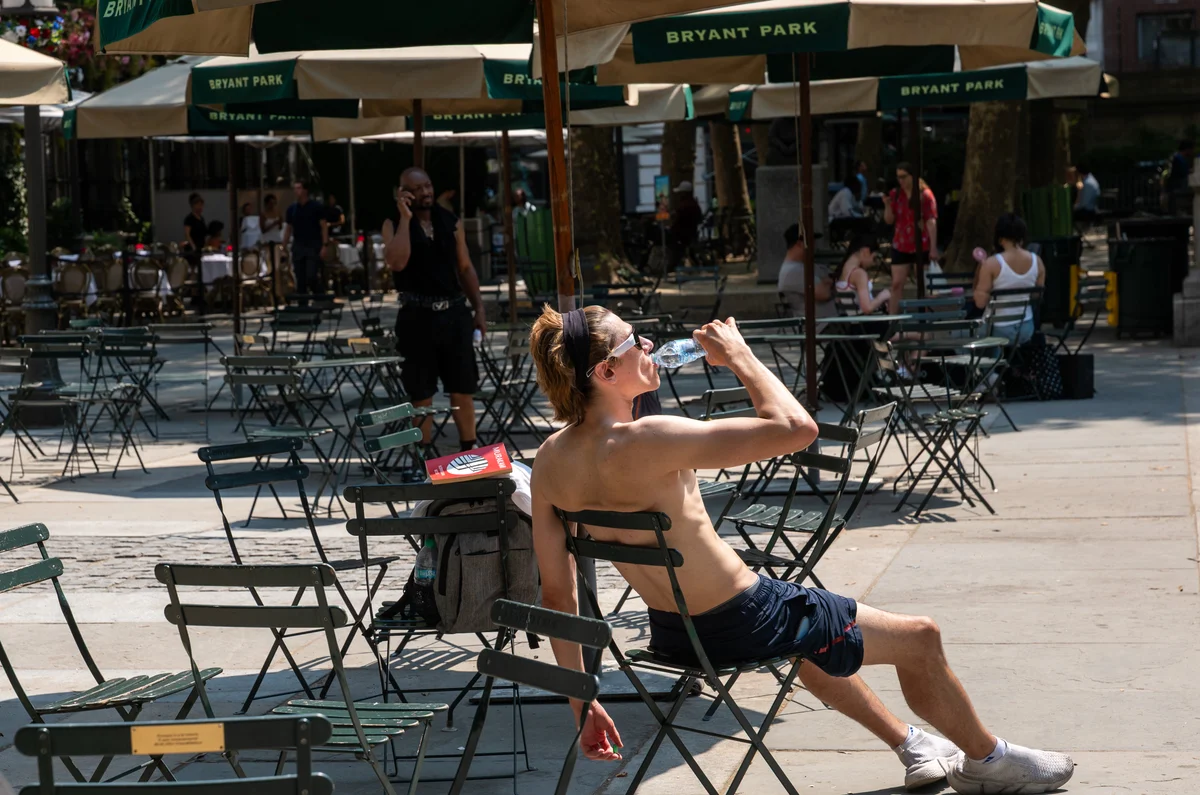
Safety experts say dangerous holiday heat will impact millions. Here's how to stay safe if you're celebrating outside – and when to stay inside.Show Caption
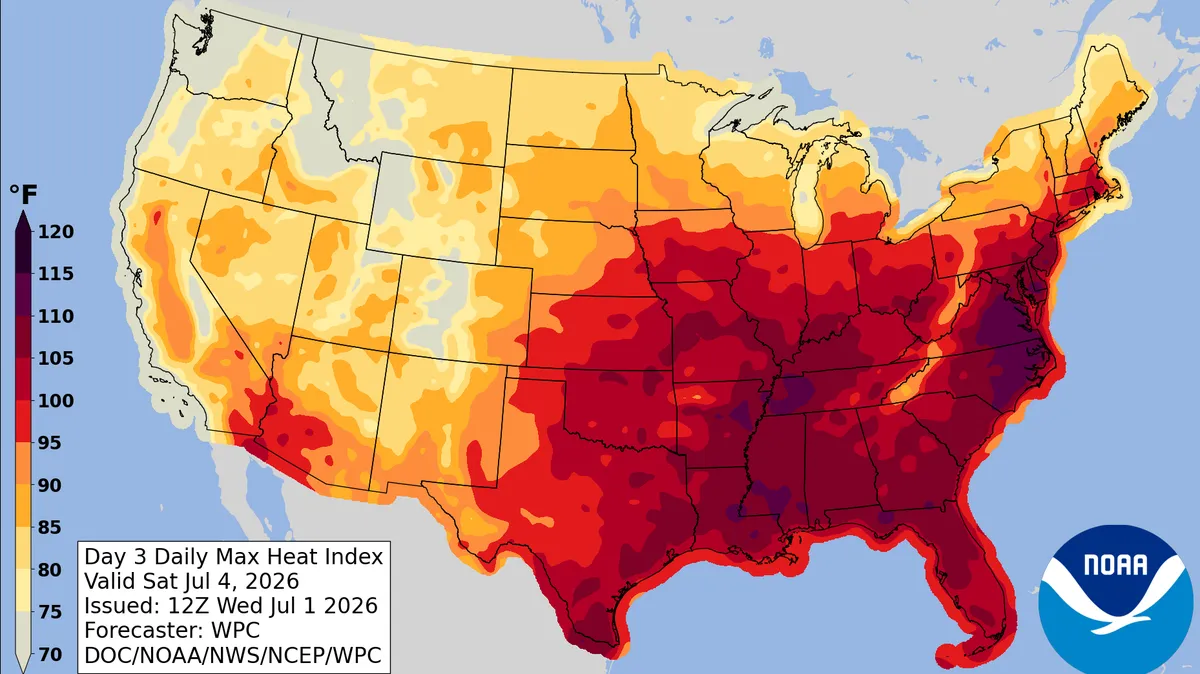
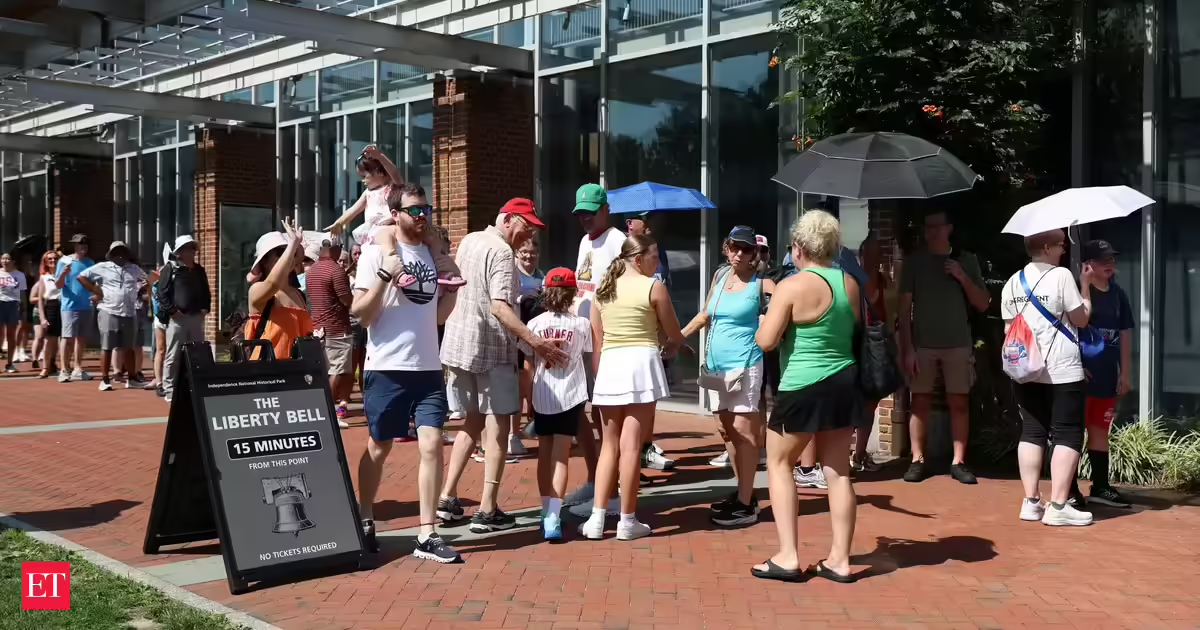
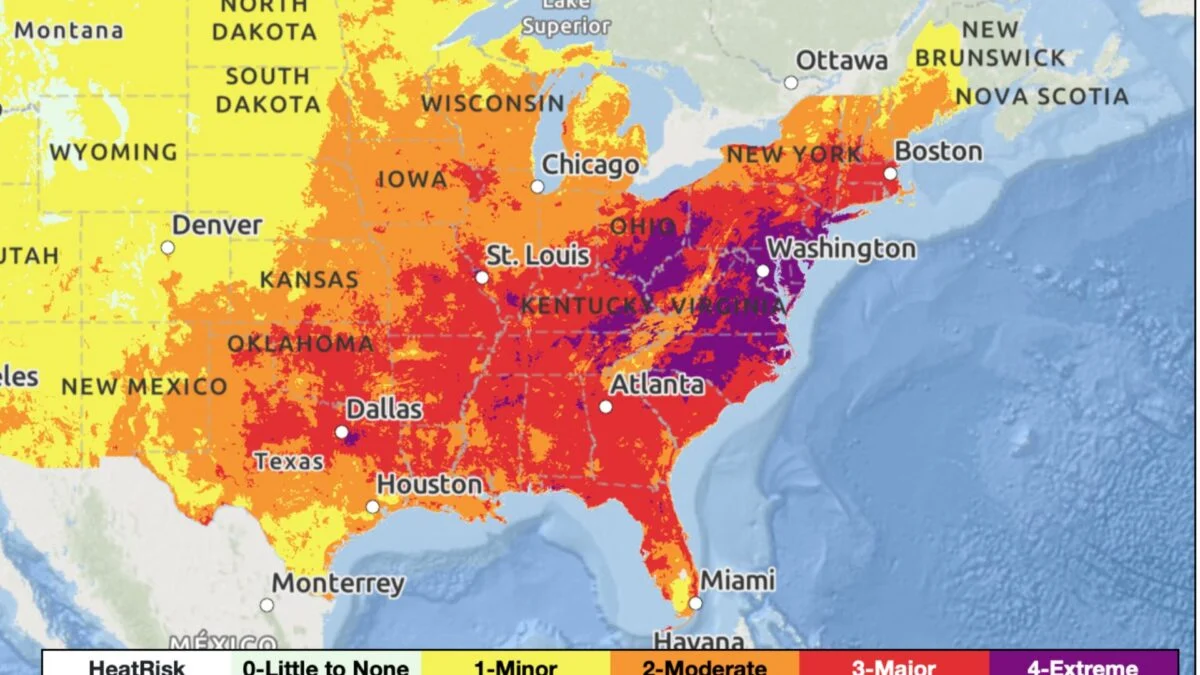
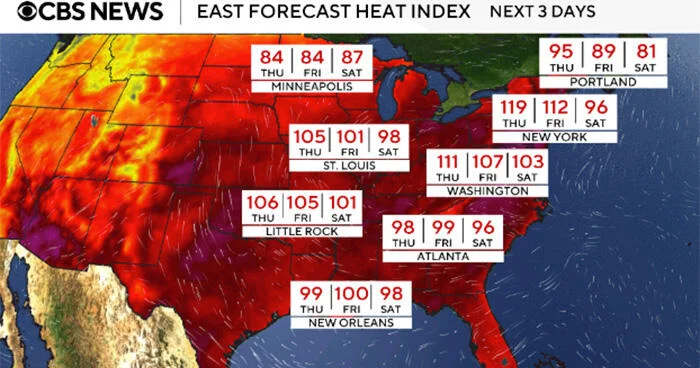
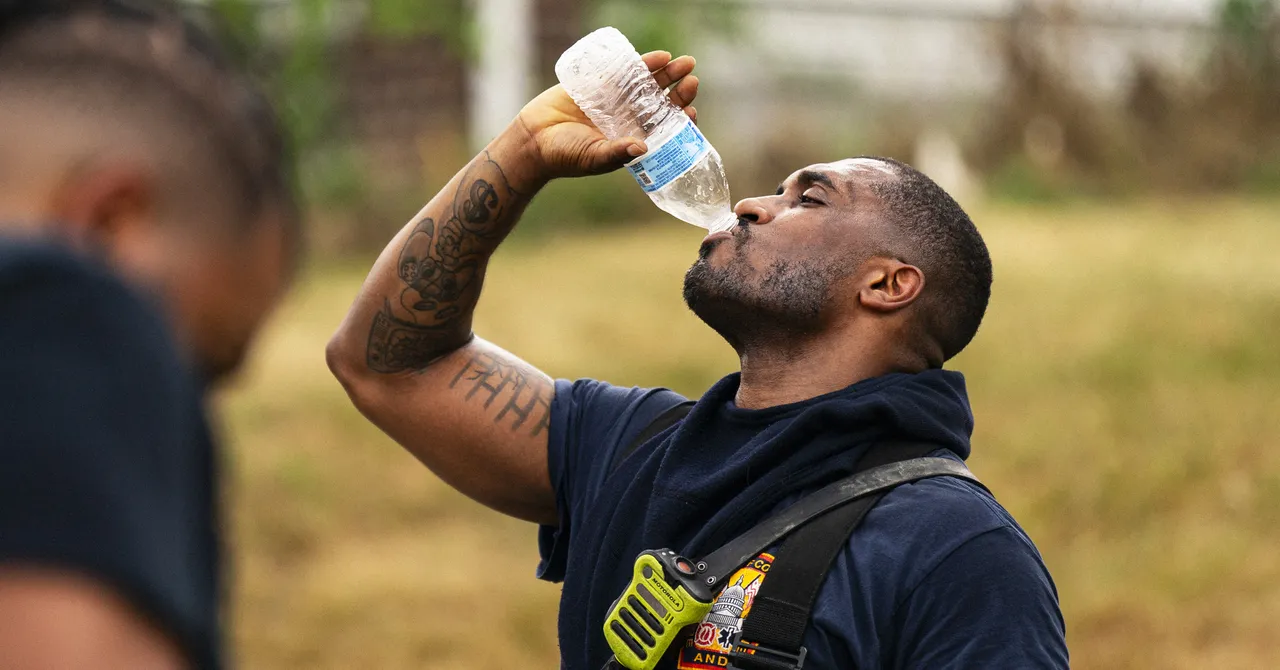
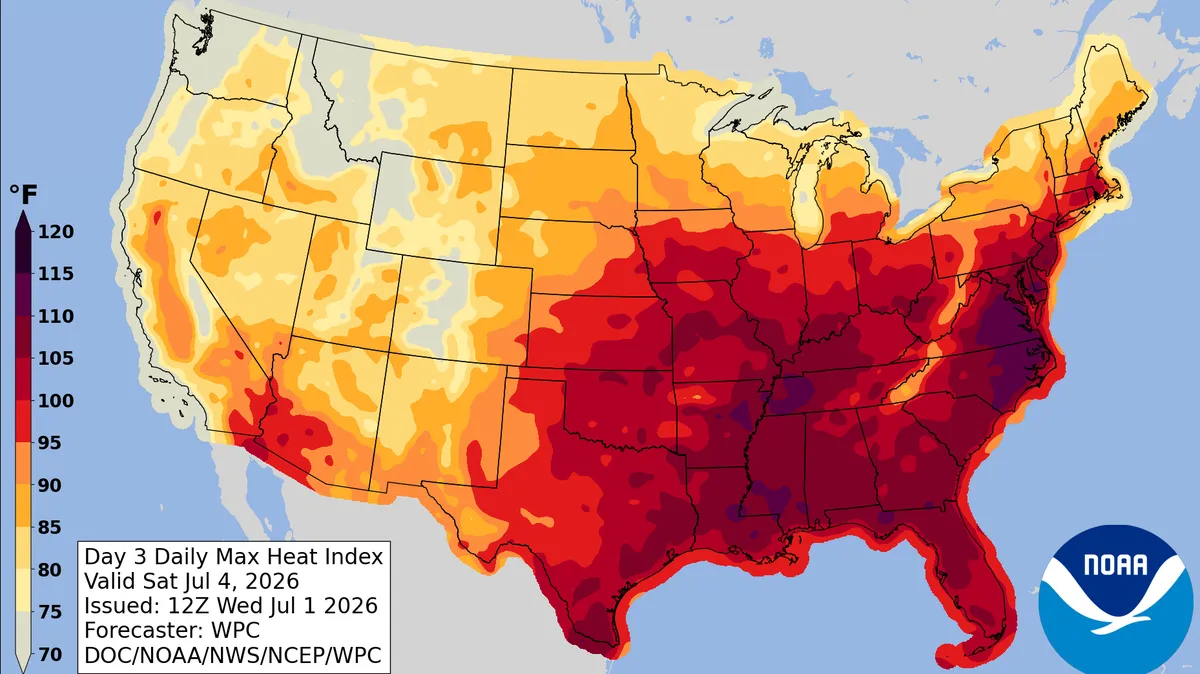
Scott Delaney, an epidemiologist who studies extreme heat and health, is in a quandary about the Fourth of July, and he knows he's not alone.He's planning a cookout at his Massachusetts home and wondered this week whether he should cancel or go ahead. It's the first time he can ever remember hoping for a little rain to cool things off on Independence Day. But a forecast for extreme heat in many locations over the weekend raises the question: How hot is too hot?"This level of extreme heat across this broad of an area in the country, especially on a weekend, when you have people celebrating, hopefully outside, definitely poses a danger for some folks," Delaney said. The challenge is to do things "in a responsible way so that we can still go out and have fun and still celebrate the holiday."Should you cancel your cookout, picnic or barbecue? The answer depends on how hot it's going to be where you are.The key to safety for you and your loved ones is not just what the temperature will be, but what the heat index – how hot the temperature feels – will be.In much of the West, you're clear to clean up the outdoor furniture and grill. San Francisco, Seattle and Portland all look super for outdoor fun on the Fourth, with high temperatures in the mild 60s and 70s. If you're anywhere from Texas north to Iowa and eastward, your decision may not be as simple. Many of the forecast heat index values look like bowling scores for beginners.The quickest and easiest way to find your potential heat index is to use the Zip code search at Heat.gov. It's a collaboration of the Centers for Disease Control and Prevention and the National Oceanic and Atmospheric Administration's National Weather Service. NOAA also has an interactive graphic that lets you zoom in on your area.Zoom in on the experimental heat risk map for Saturday – areas with a major or extreme risk are marked in red and magenta. That means potential or even likely effects on the elderly, the young or those with medical issues.Here's where it might be too hot for a July 4th picnicThe highest heat index ("feels like") values on July 4 are forecast for parts of the Mid-Atlantic, Northeast urban corridor, and the Southeast, according to NOAA's Weather Prediction Center. In these locations, oppressive humidity and scorching air temperatures will push the heat index value to 105 degrees or even higher.The hottest cities for the heat index on July 4 include Richmond, Virginia (a whopping 115), Washington, D.C. (110), Raleigh-Durham, North Carolina (110), Tallahassee, Florida (110), and Memphis, Tennessee (109).Big cities of the Northeast will be little better: In Philadelphia, a heat index of 107 will make the day miserable for folks celebrating the Fourth and for the World Cup soccer game there. In New York City, a heat index of 103 is forecast for Independence Day revelers in the Big Apple.Boston will be the "cool spot" on July 4, where a heat index value of 98 is expected.Why should you worry about the feels-like temperature?Heat index values are important because the human body feels warmer when humidity is high. Heat index is a calculation of the temperature and humidity combined. Exposure to high heat and humidity can bring on a suite of potentially dangerous or even deadly health issues. That's especially the case for young children, older adults and people with medically complex conditions. The risk for these increase when the heat index reaches more than 105 degrees.While there is no specific temperature at which a picnic should be canceled, many experts say if the forecast heat index is 105 or higher, organizers should seriously consider changing plans, especially if any of the following conditions are met:There is little shadeGuests fit the risk categoriesThe event could last several hoursPeople will be drinking alcohol and/or engaging in strenuous activitiesSo if you know it will be too difficult to keep Grandma cool, or prevent your neighbor from overindulging at the beer cooler, you might want to take it inside, or postpone your event altogether.Drinking on the 4thOne of the most important ways to prevent heat-related illnesses is to stay hydrated, because of the dangerous things that begin to occur inside the body when dehydration starts. However, alcoholic beverages aren't considered ideal during extreme heat events, according to the Centers for Disease Control and Prevention and others.If you're partying outside over the holiday weekend, remember these tips from professionals:Drink before you feel thirsty. If you’re thirsty, you’re behind in fluid replacement.When working in the heat, drink one cup of water every 15 to 20 minutes, about a quart a hour.Don’t drink more than 1.5 quarts of water, sports drinks or energy drinks an hour because the concentration of salt in your blood can become dangerously low.Watch your caffeine intake, when drinking energy drinks that have more caffeine than coffee or tea.Avoid alcohol, which can cause dehydration. It also can create a false sense of hydration.What to know about the potato salad and deviled eggsIf you do decide to celebrate outdoors, it’s important to pay more attention than usual to food safety rules.Keep foods cold when serving by setting bowls or trays in a larger container filled with ice, advised the University of Florida. Then drain and refill after the ice thaws.You’ve probably heard the classic rule that cold foods shouldn’t be left out for more than two hours, but that rule changes when temperatures climb above 90. The University of Minnesota says food should only be out for an hour when temperatures top 90.If you’re marinating meat or cooking any meat at all, keep it in the refrigerator until you’re ready to cook it.Keep perishables in a separate cooler from the drinks, because the drink coolers are opened more frequently.Keep coolers filled with ice and in the shade, especially any that hold perishable foods.So, should you cancel?"Most folks don't need to cancel their picnics or holiday plans, but they should be prepared with plenty of water, shade, and a plan to stay cool," Delaney said. Consider cooler alternatives for at-risk guests, and "watch closely for signs of heat distress and find an indoor, air conditioned space at the first sign of them.""We're still going to barbecue," he said, but they will follow all the recommended safety precautions. Laughing, he added: "I might not have too many beers, right? Alcohol does not help with heat."Doyle Rice and Dinah Voyles Pulver are national correspondents for USA TODAY who focus on weather and climate. Reach them at drice@usatoday.com and dpulver@usatoday.com.