Tesla delivered a quarter that most companies would frame and hang on the wall. The market responded by taking a hammer to the stock.
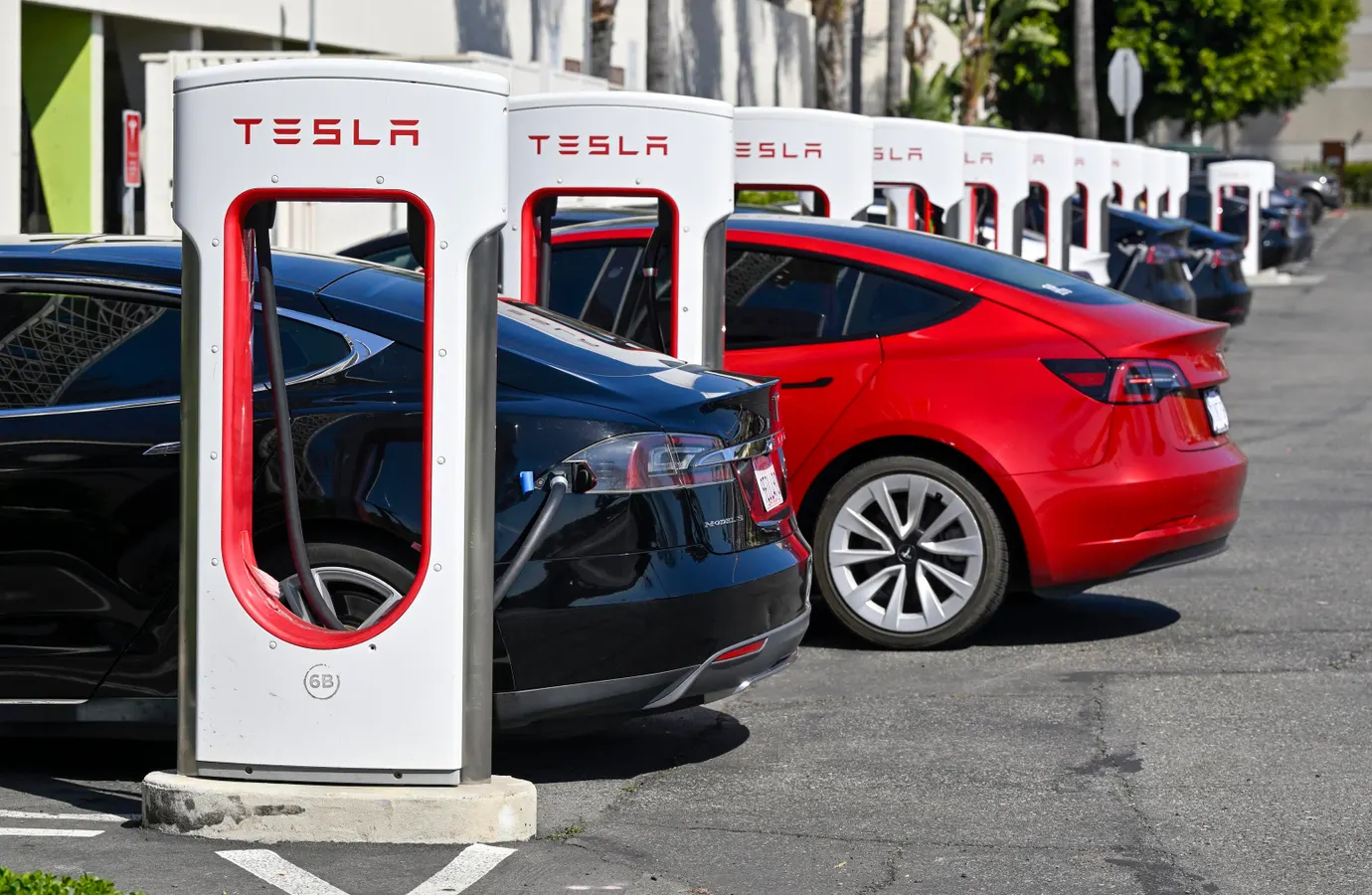
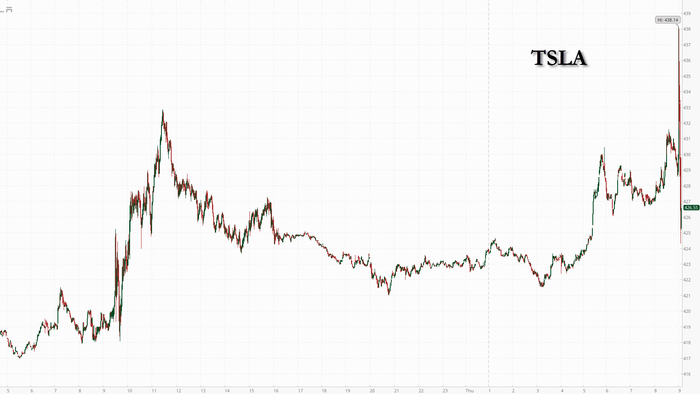
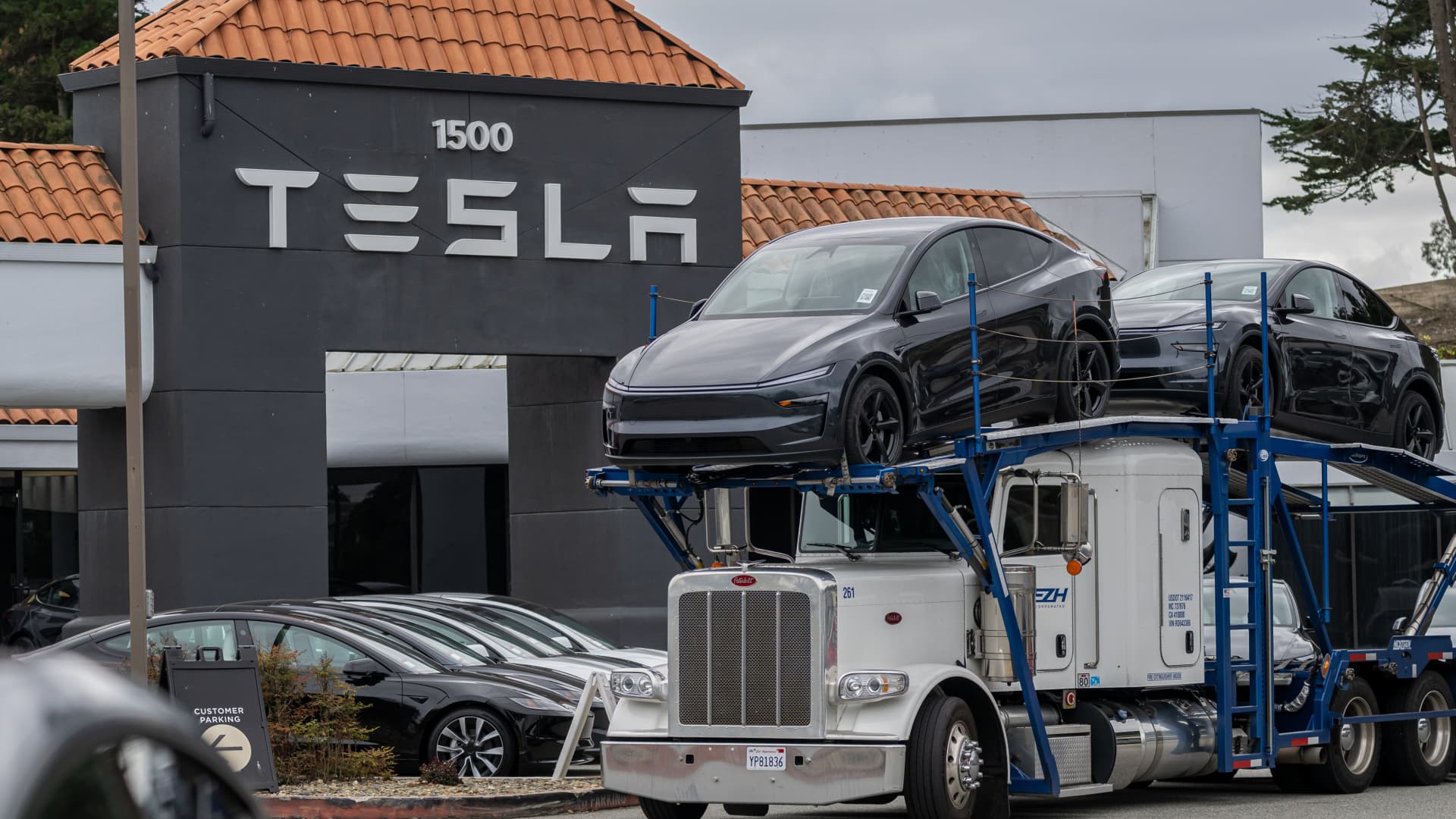
Shares of the EV giant dropped approximately 7% on July 2, 2026, marking the worst single-day decline in nearly a year. The trigger, paradoxically, was a delivery report that obliterated analyst expectations. Tesla moved 480,126 vehicles in Q2, a 25% increase year-over-year and a new quarterly record. Wall Street had been expecting something in the range of 402,776 to 406,600 units. Tesla beat the high end of that range by more than 73,000 vehicles.
The rally before the fall
Shares had already climbed roughly 12% in the weeks leading up to the delivery report, as traders positioned themselves for exactly the kind of blowout quarter Tesla ended up delivering. By the time the actual numbers landed, the good news was already baked into the price. The math is straightforward: a 12% run-up followed by a 7% decline still leaves shareholders ahead of where they started.
What the delivery numbers actually tell us