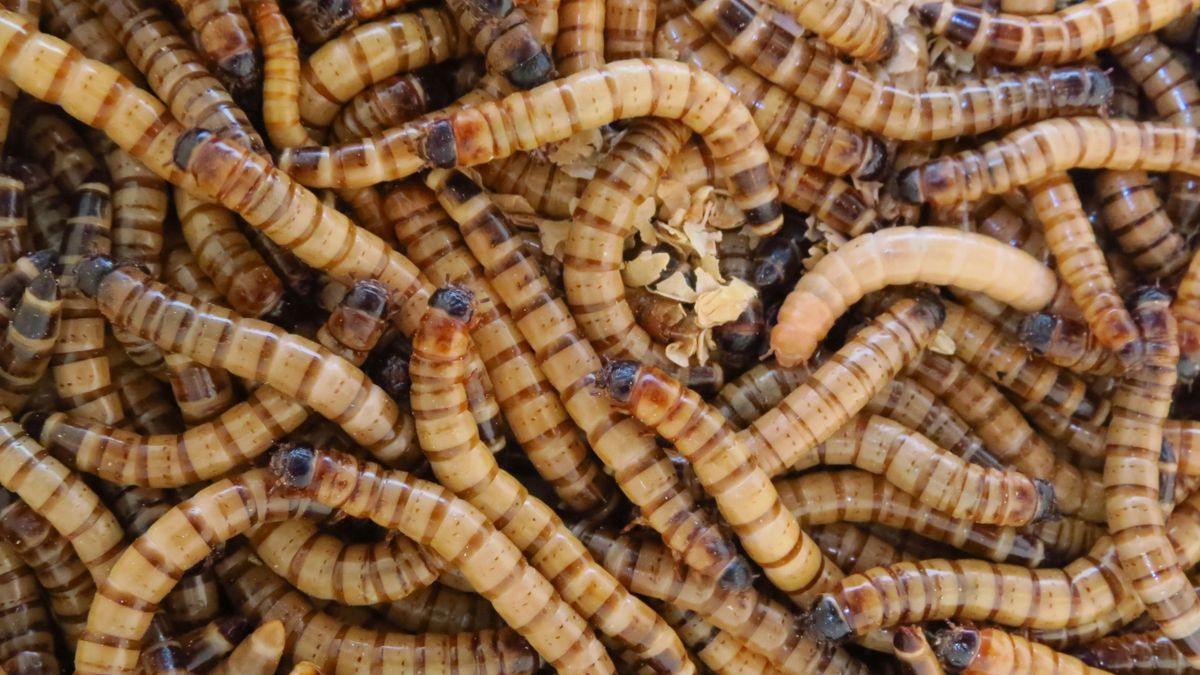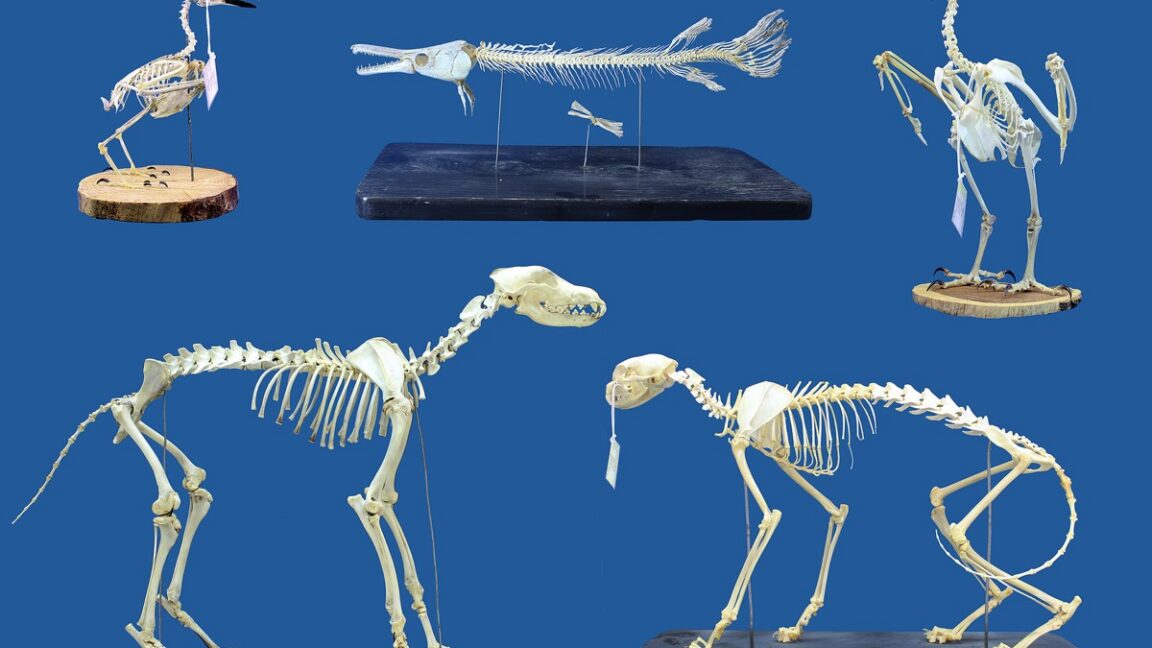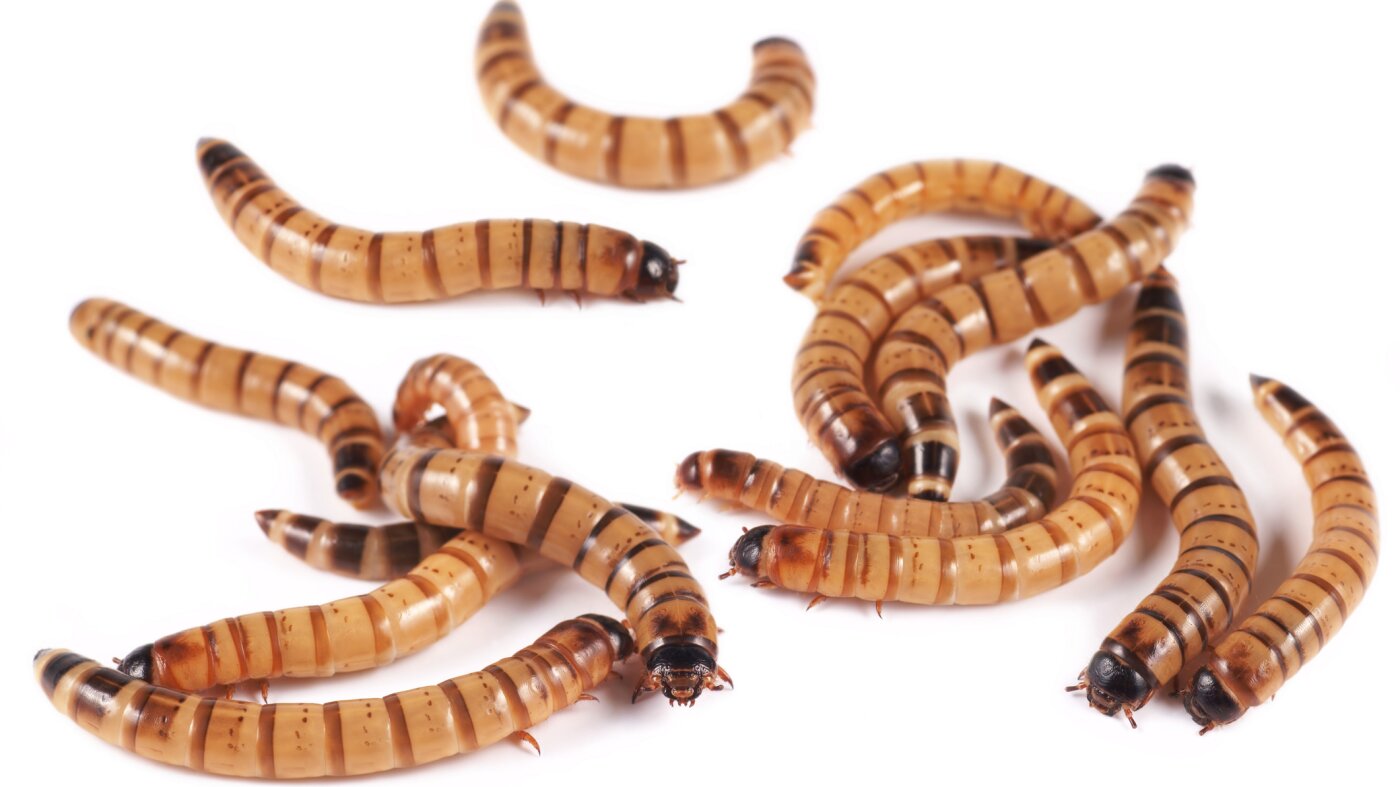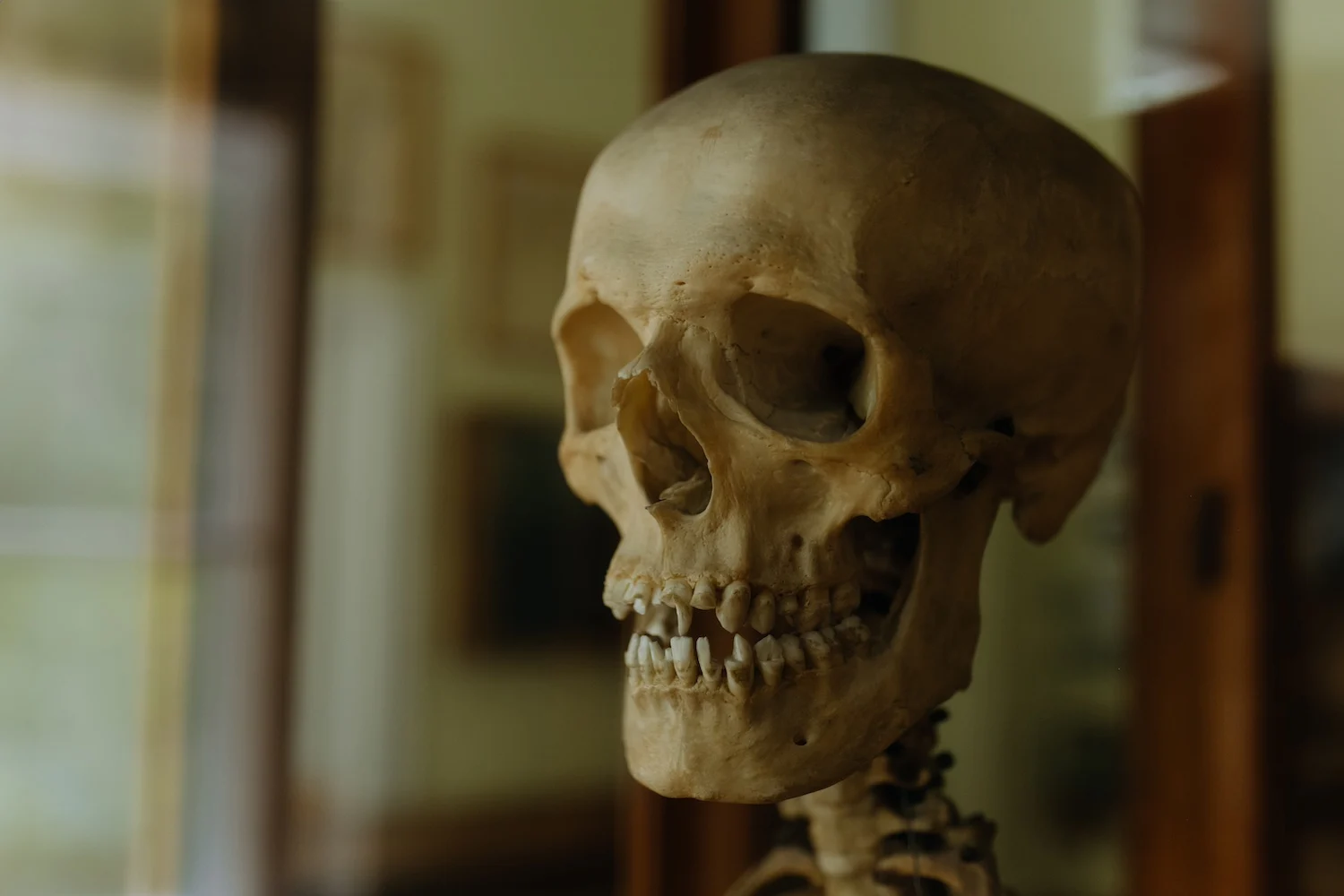
When cleaning up animal skeletons for museum display, curators have several options. They could use chemicals or enzymes to dissolve the leftover flesh or release a colony of dermestid beetles to eat it up. But a new study offers a solution that’s less expensive and risky. Researchers based in Iran and Germany tested superworms—beetle larvae commonly used as pet food—as all-natural cleaners of skeletons. The results, published yesterday in PLOS One, report that the tiny worms efficiently removed leftover flesh from animal skeletons, ranging from small Egyptian bats to a large wolf. All the team had to do was introduce a varied number of superworms to enclosed spaces with the skeleton, and it took between hours and days for the bugs to do their job with shockingly little damage to the skeletons. “Superworms are really fast compared to other traditional methods, they are more environmentally friendly, and their maintenance is super easy,” Niloofar Alaei Kakhki, the study’s co-author and a bioinformatician at the State Museum of Natural History Stuttgart in Germany, told Science.
An art of trade-offs According to the study, skeletal specimens are “essential” in museum collections and serve educational and academic purposes for experts and the public alike. However, preparing these specimens for display can be a grueling task. While examining and cleaning the bones, researchers must be mindful of preserving complex anatomical features, both before and after the specimen goes on display.