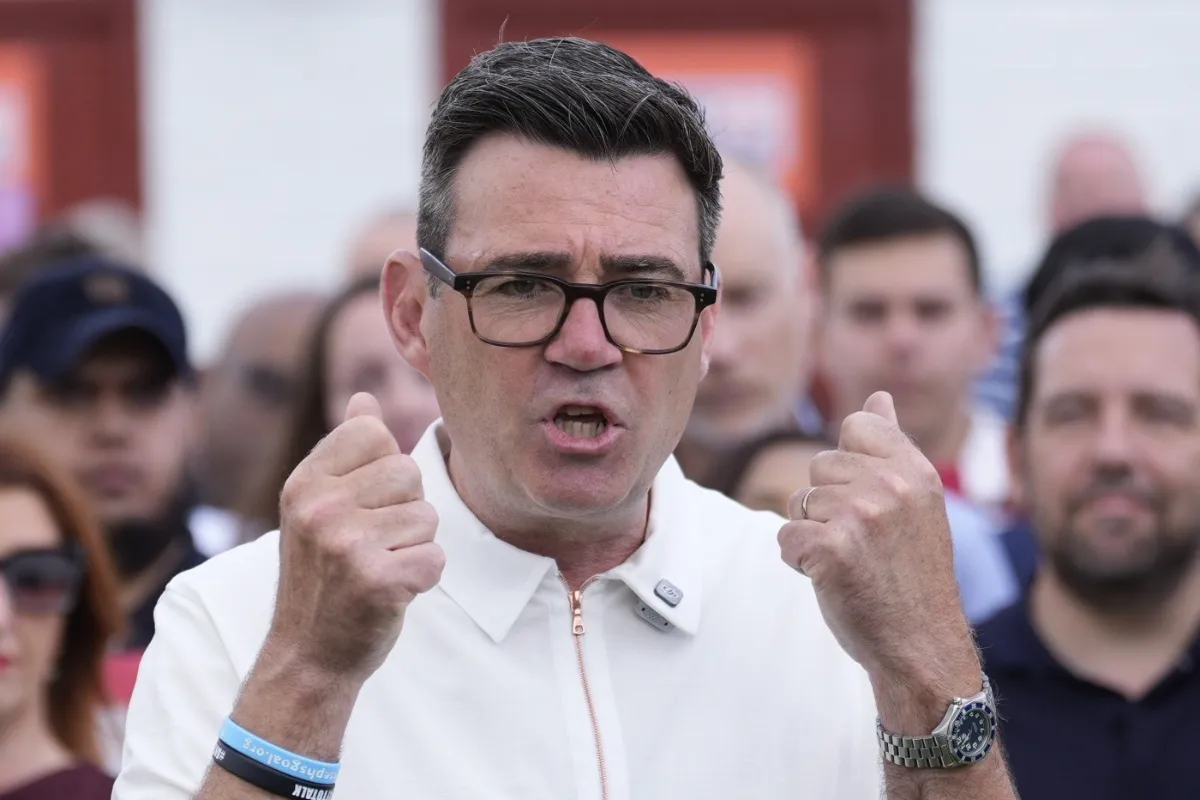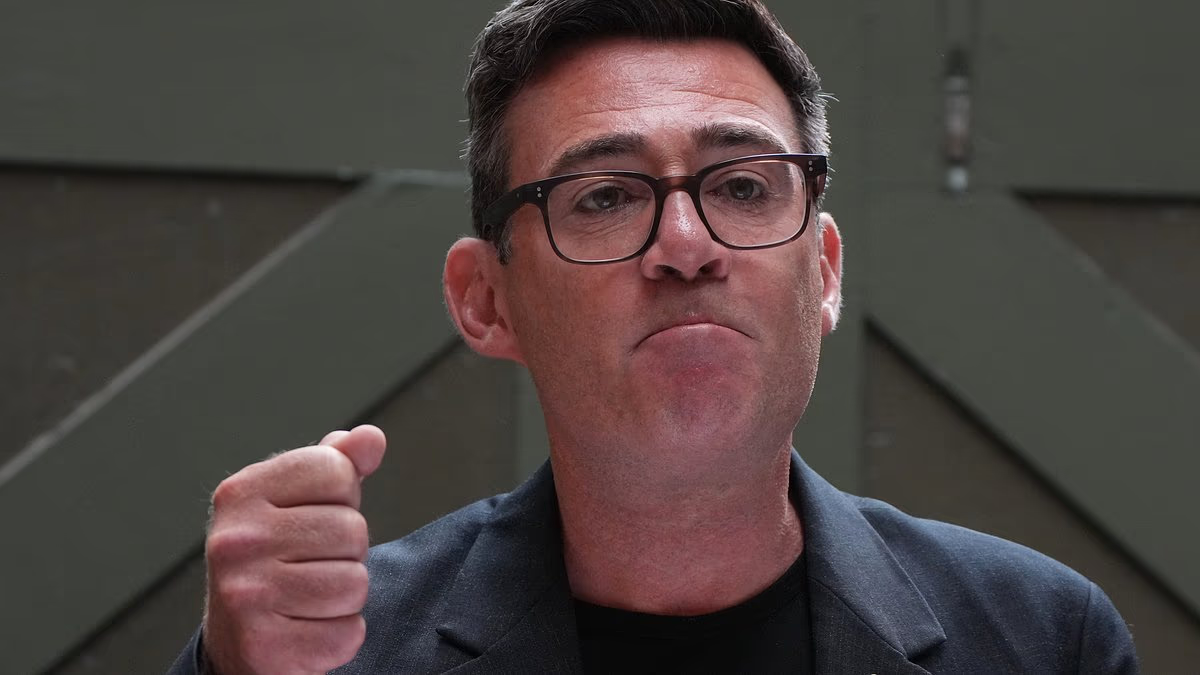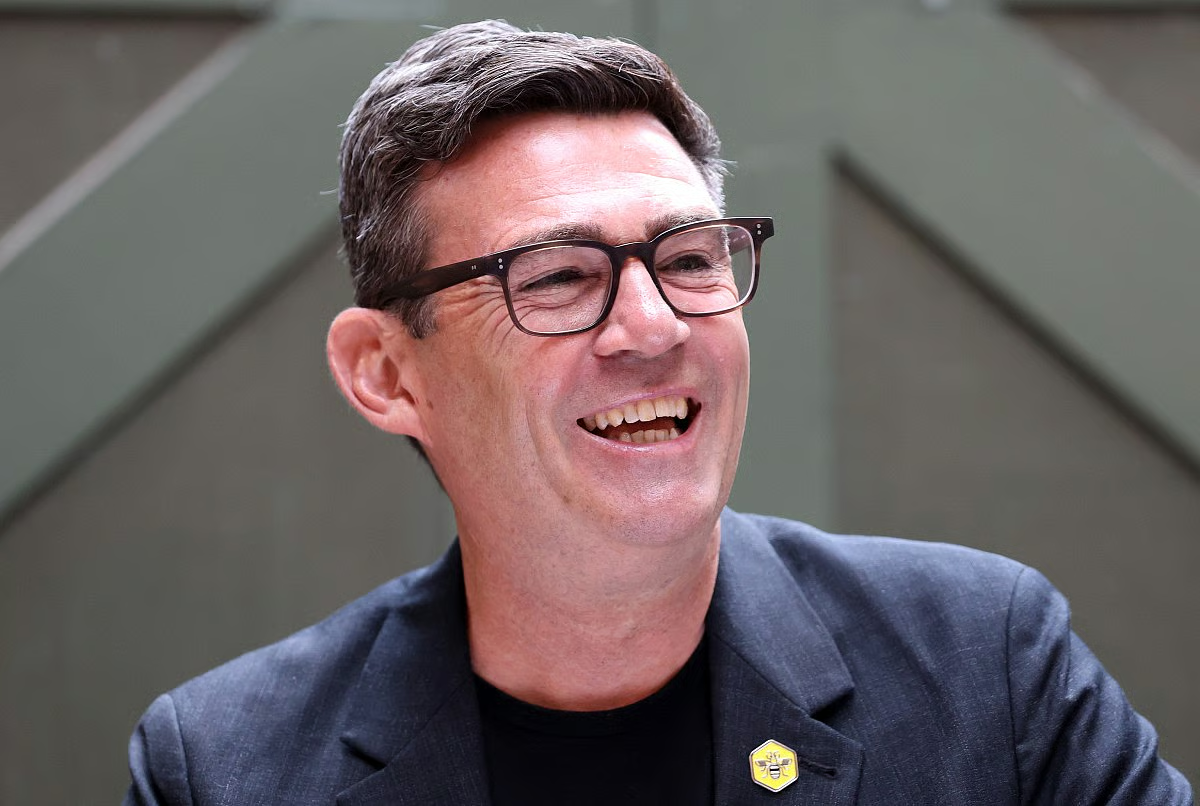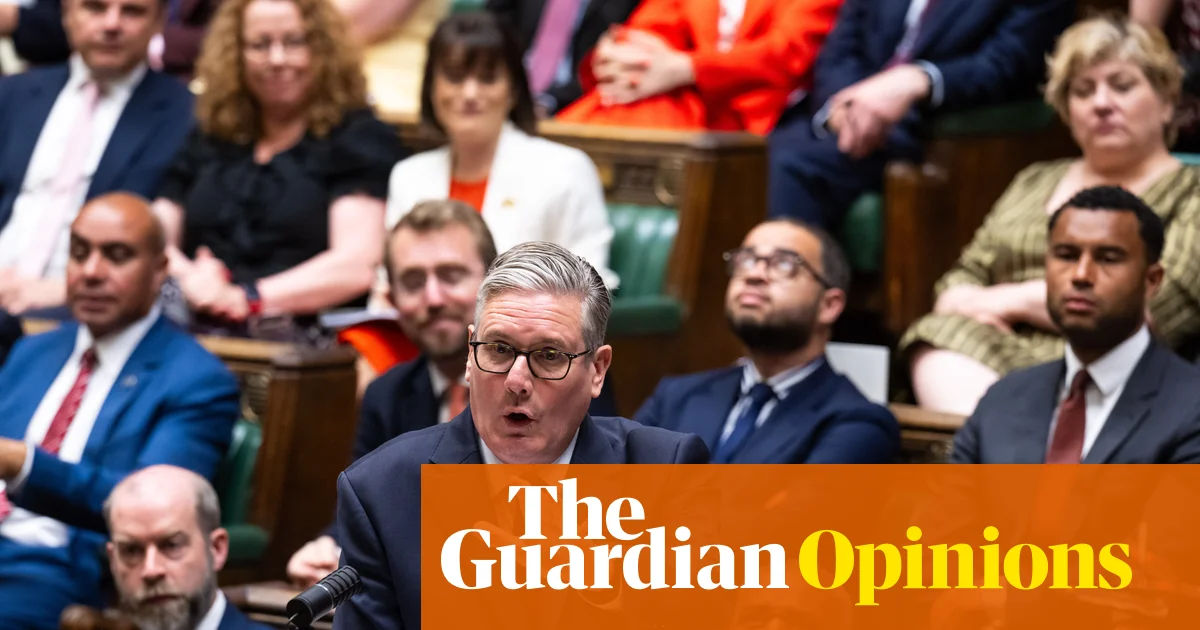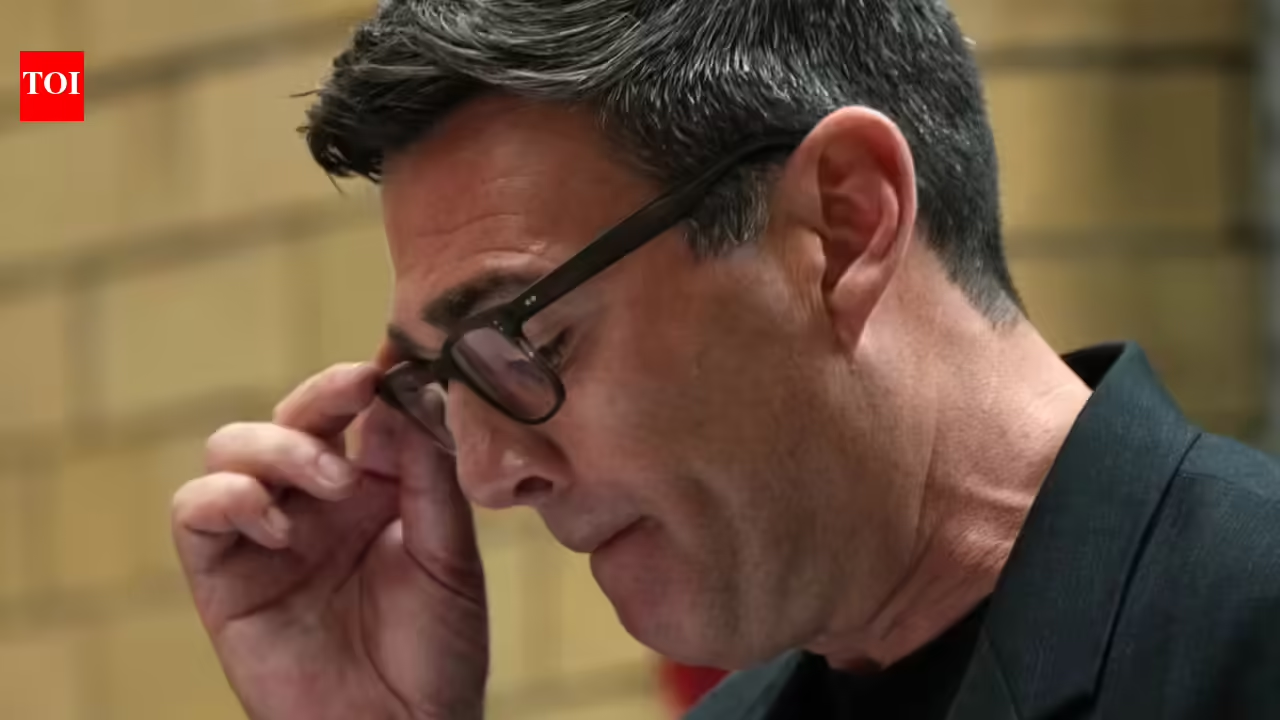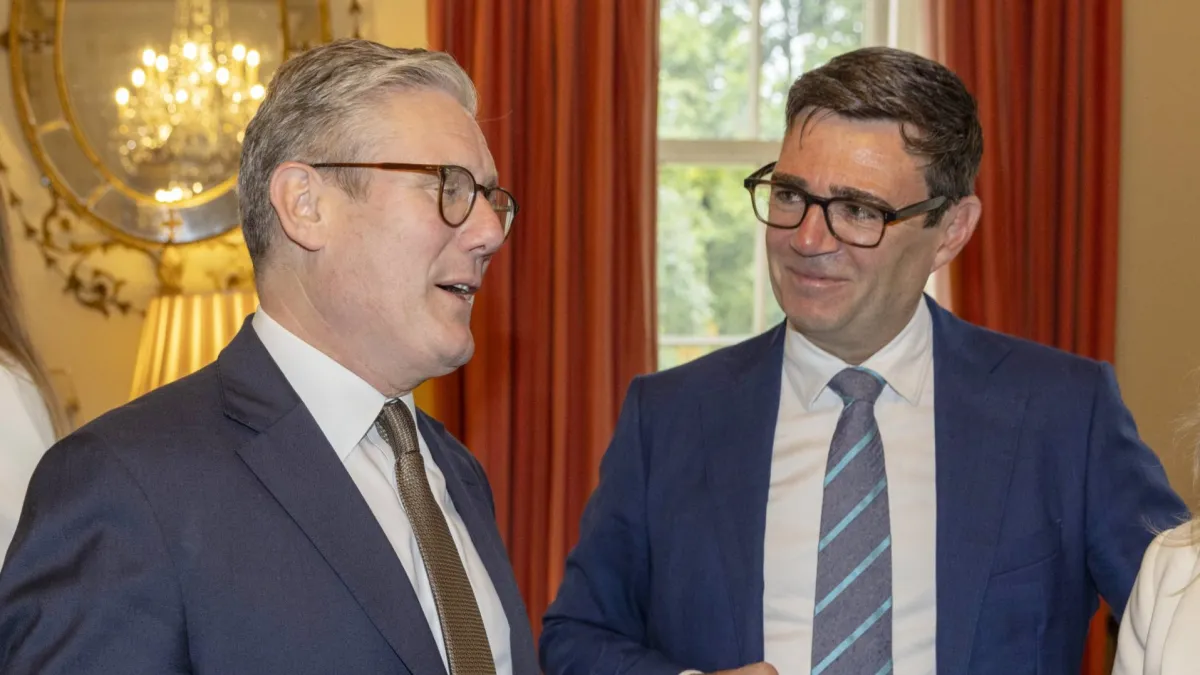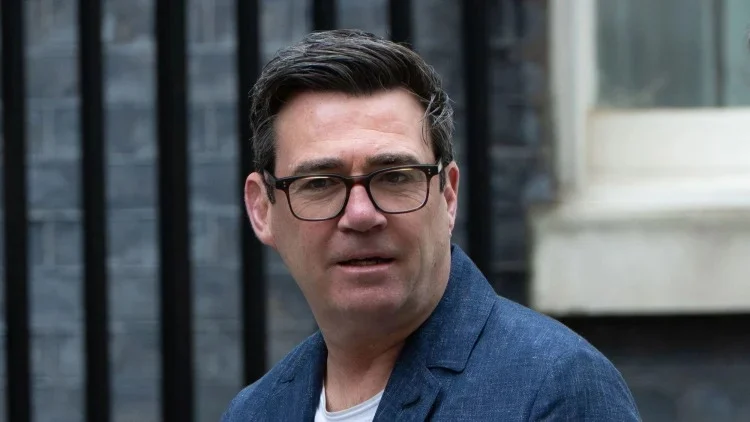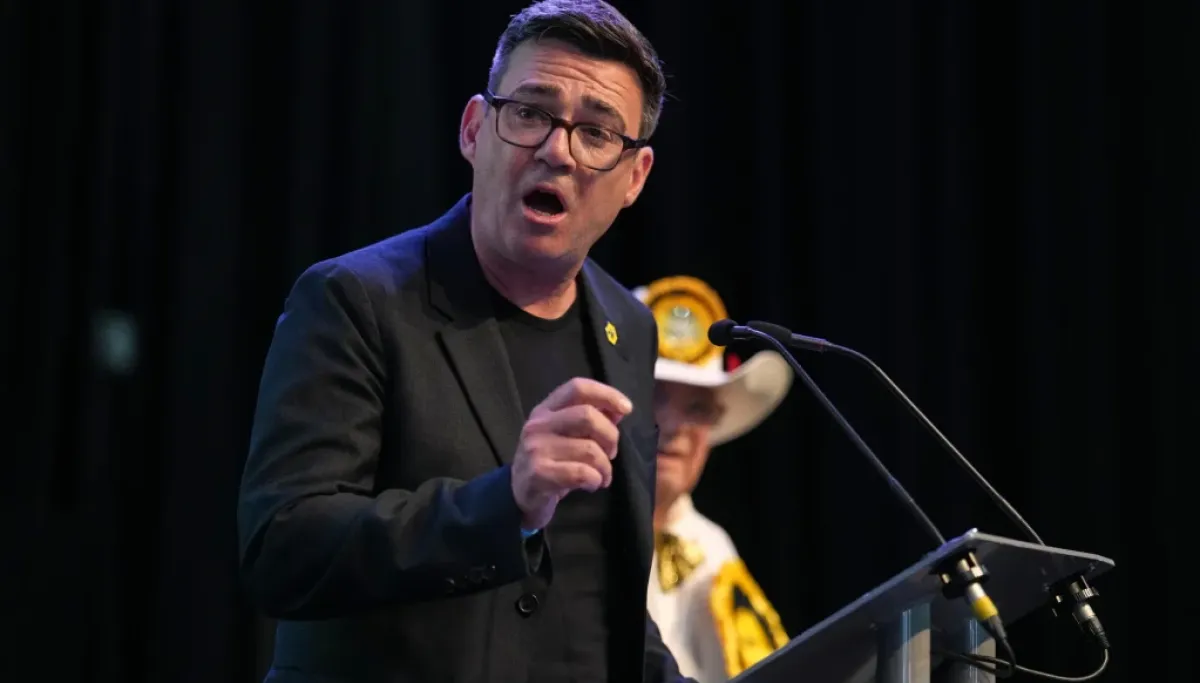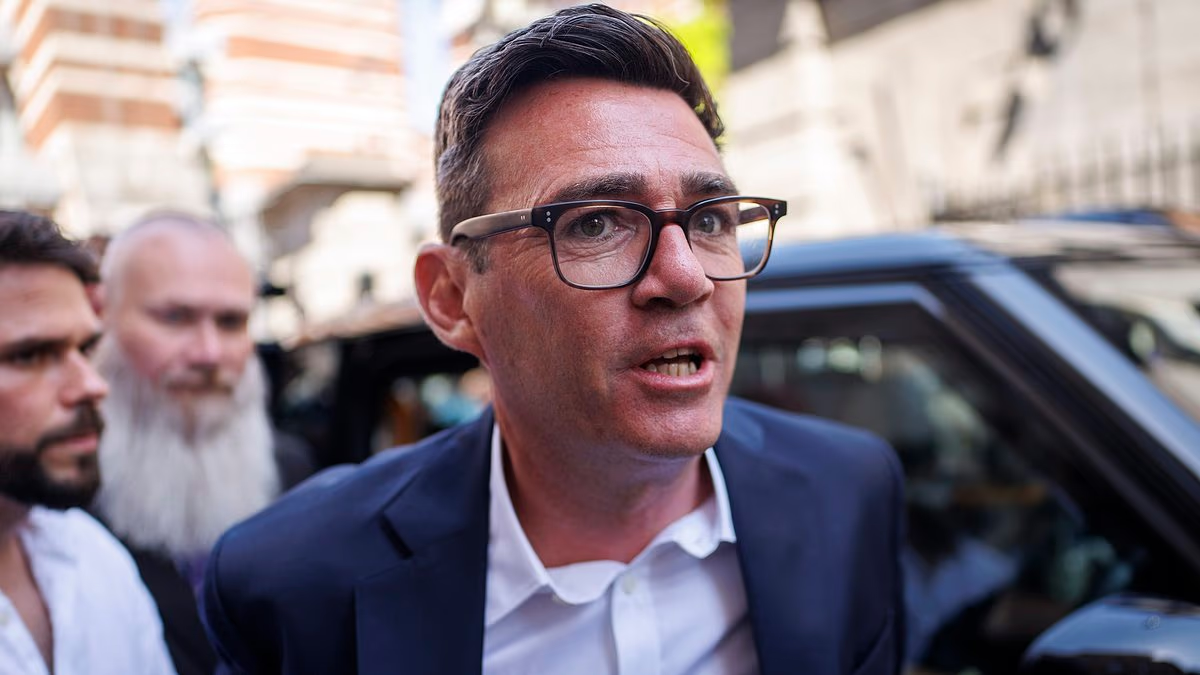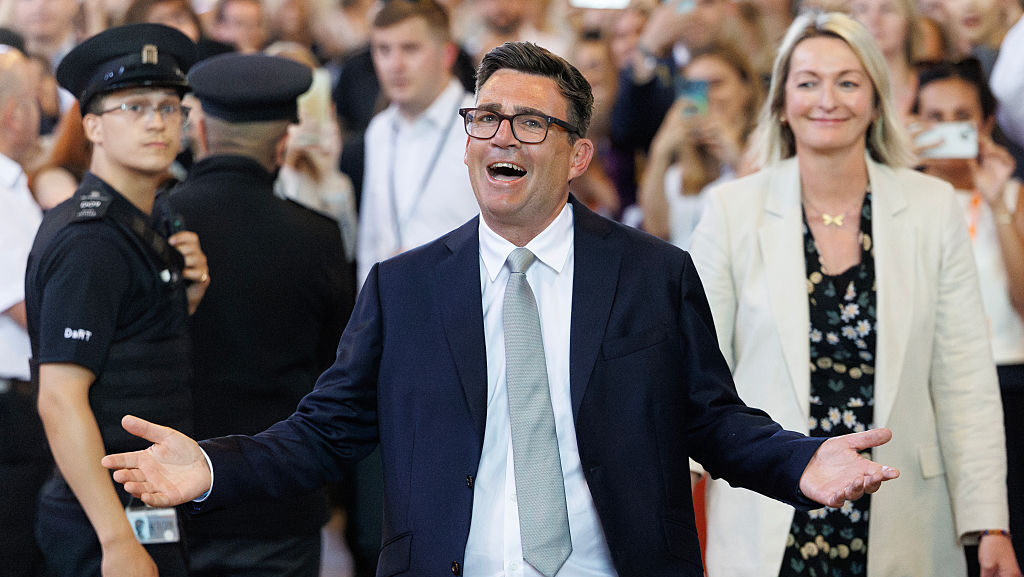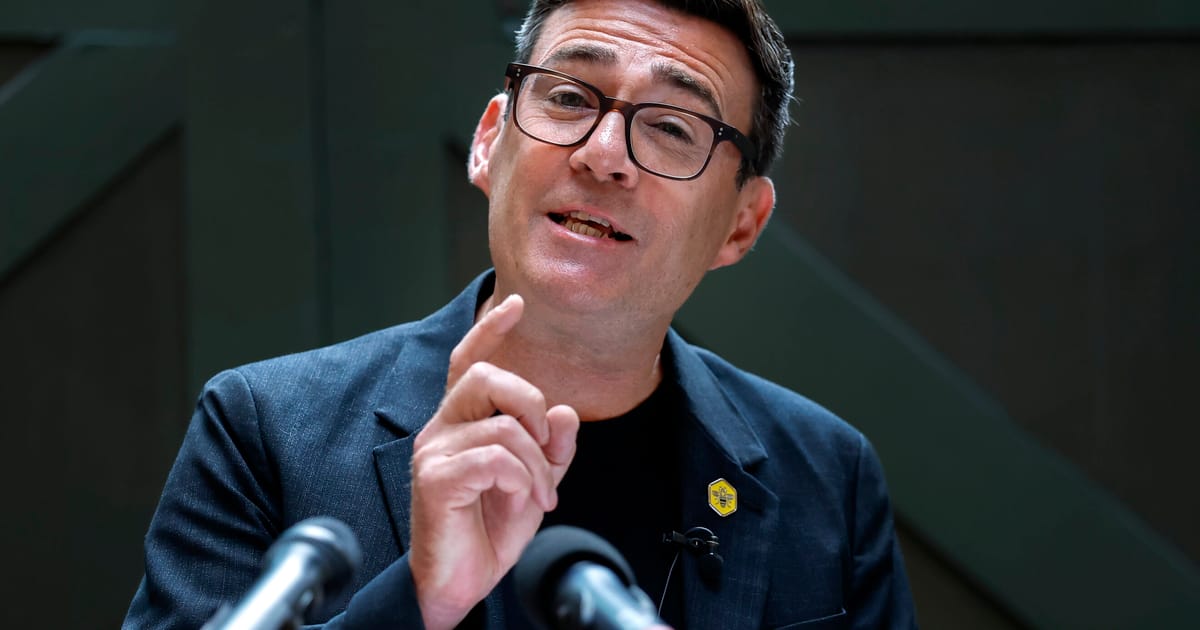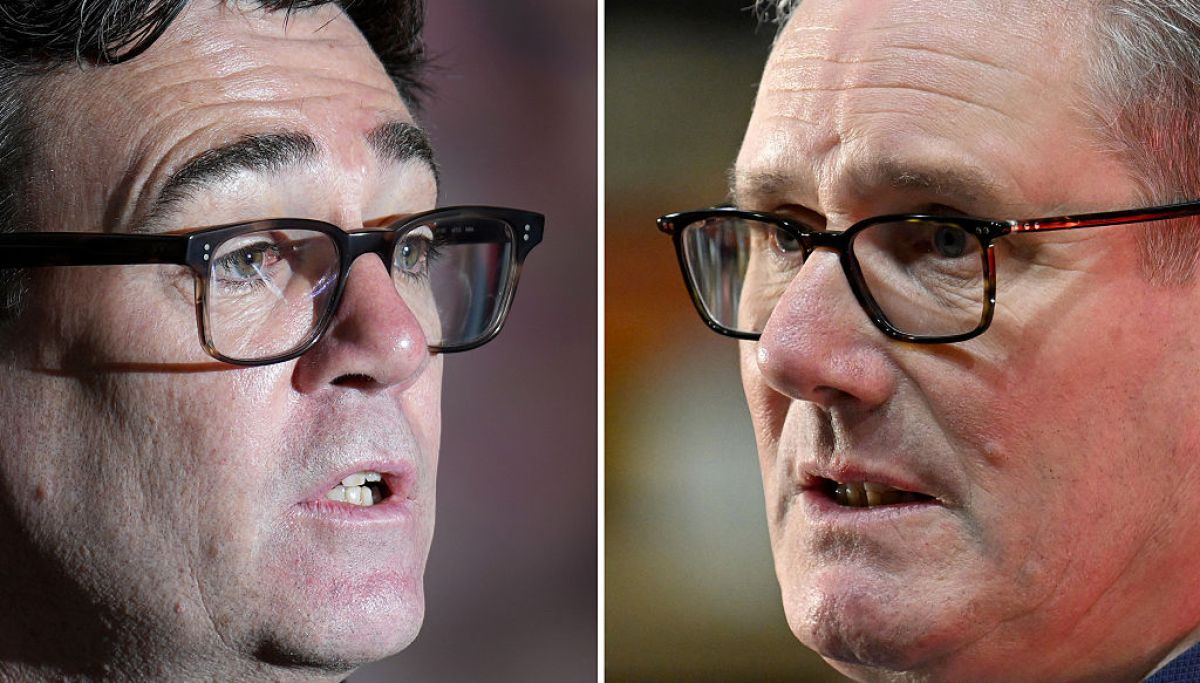
Assuming another Labour Party parliamentarian doesn’t challenge his leadership bid, Andy Burnham will replace Keir Starmer as the British prime minister on July 20. Burnham’s first priority is to boost economic growth and lower living costs. But he must also urgently repair the damage his predecessor has done to the U.S.-U.K. special relationship. To be blunt, either Burnham significantly boosts defense spending, or he closes the book on the special relationship.That latter choice would be a great shame. Since its functional inception in the Second World War and thematic conception by Winston Churchill at the start of the Cold War, the special relationship has supported resolute military deterrence, mutually beneficial economic and diplomatic cooperation, and an exceptionally close intelligence partnership. But all is not well with this partnership.Take Starmer’s announcement of $20 billion in additional defense investments on Tuesday. An extra $20 billion might sound like a lot, but it falls well short of the $37 billion boost that was needed. Although it will raise the defense budget to 2.7% of GDP by 2030, $20 billion simply isn’t enough. Contrasted with what other major allies are doing, it’s clear that the United Kingdom has abandoned its alliance obligations.
Andy Burnham's choice: Boost defense spending or bury the special relationship
Keir Starmer's defense spending plan is inadequate. Andy Burnham must choose between increased spending and ending the special relationship.
762 words~3 min read