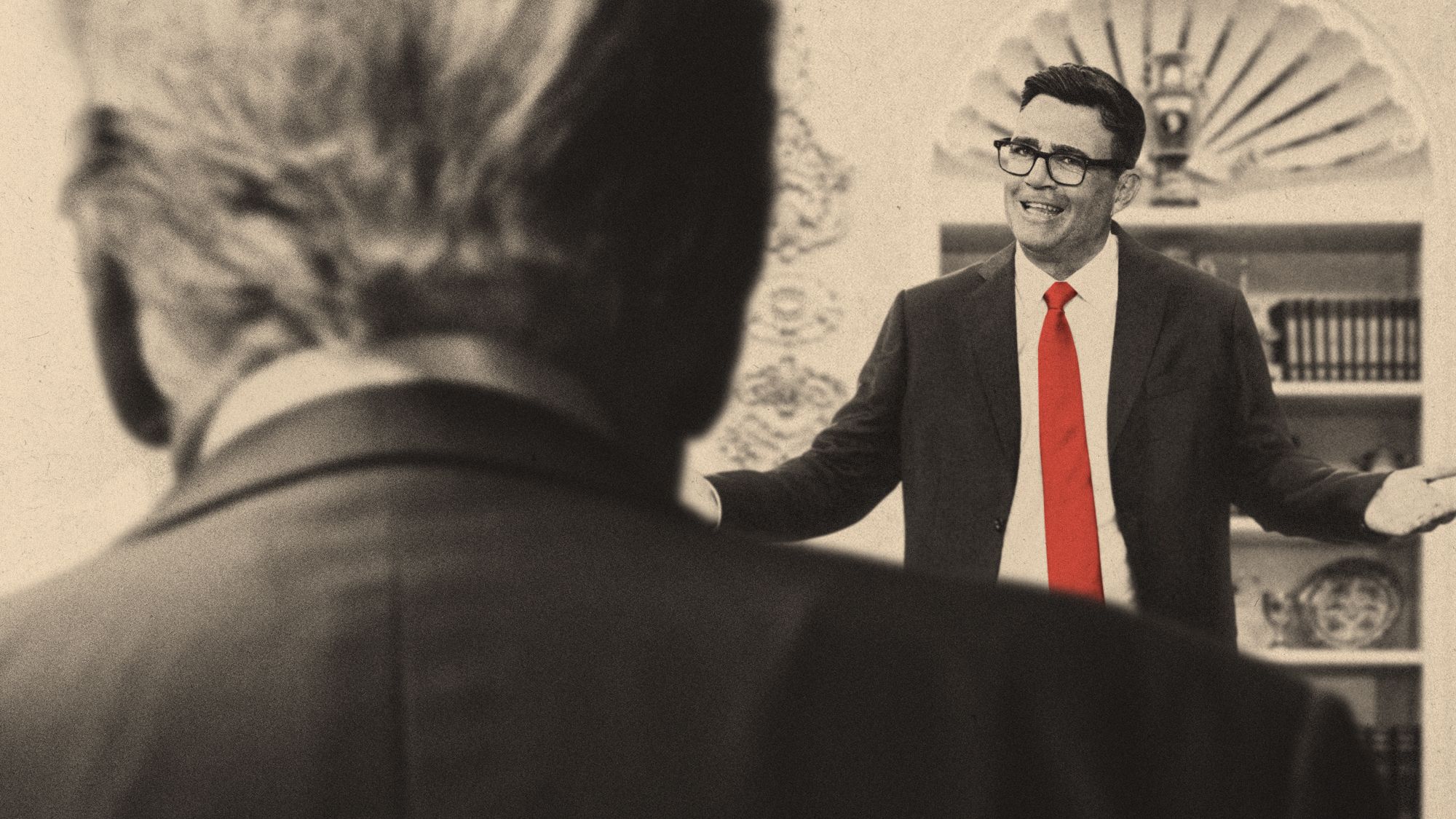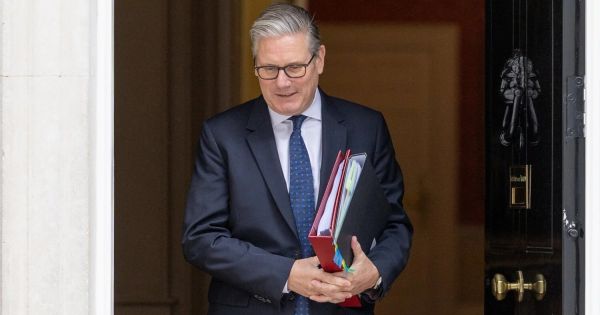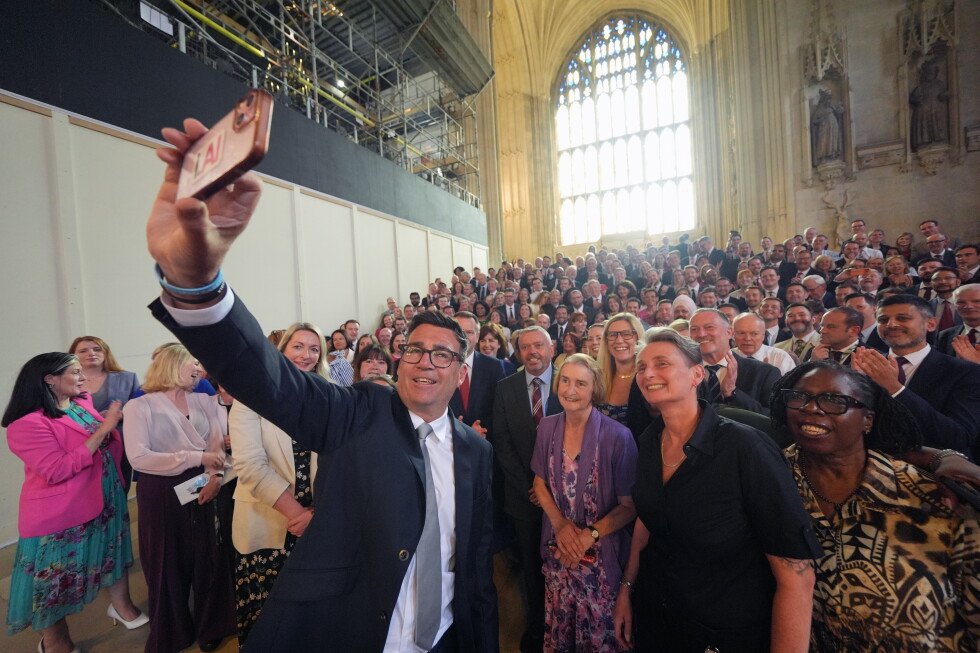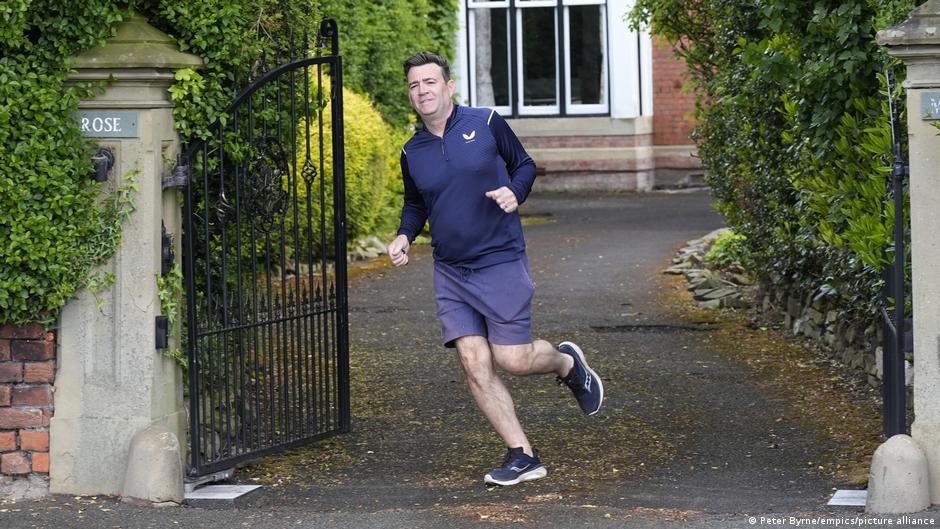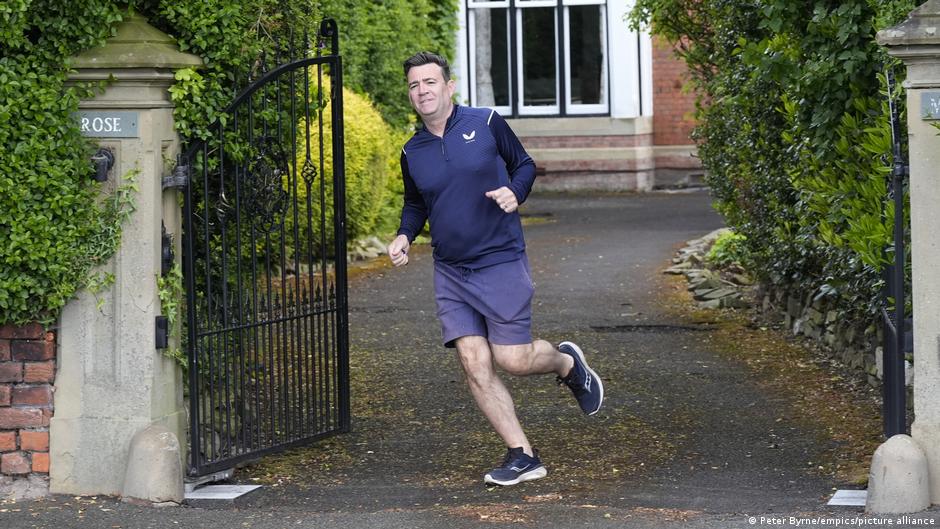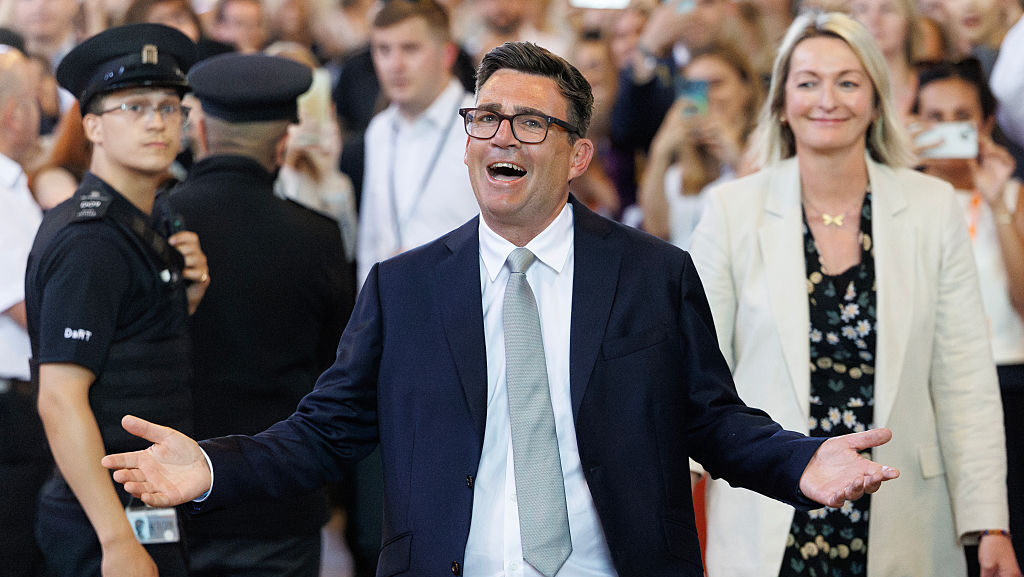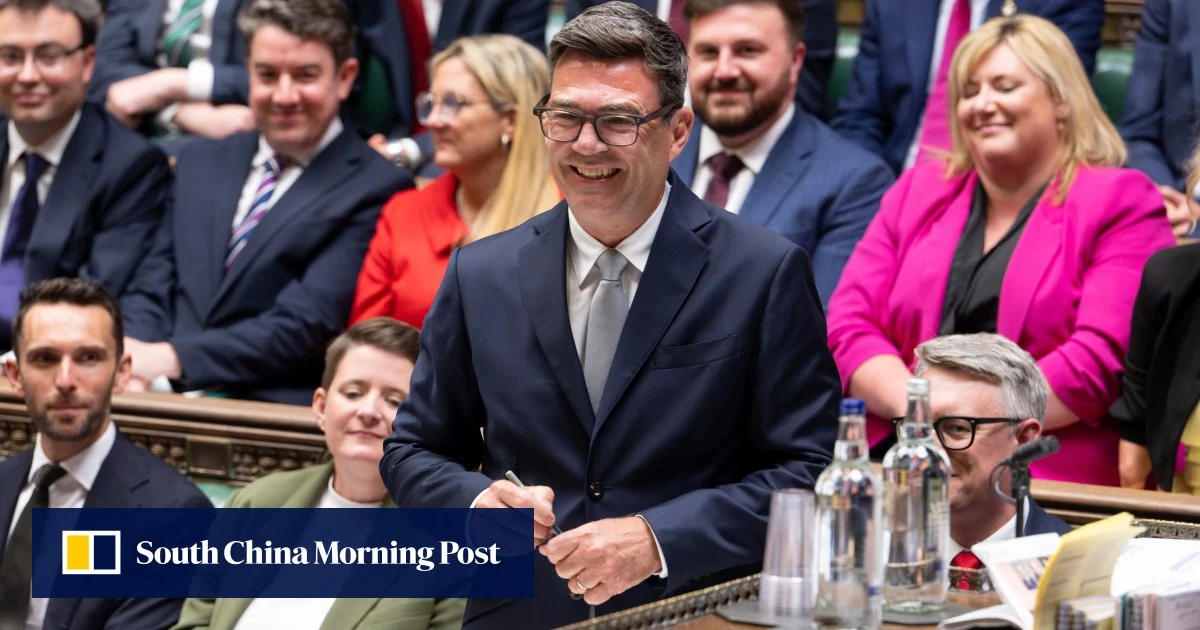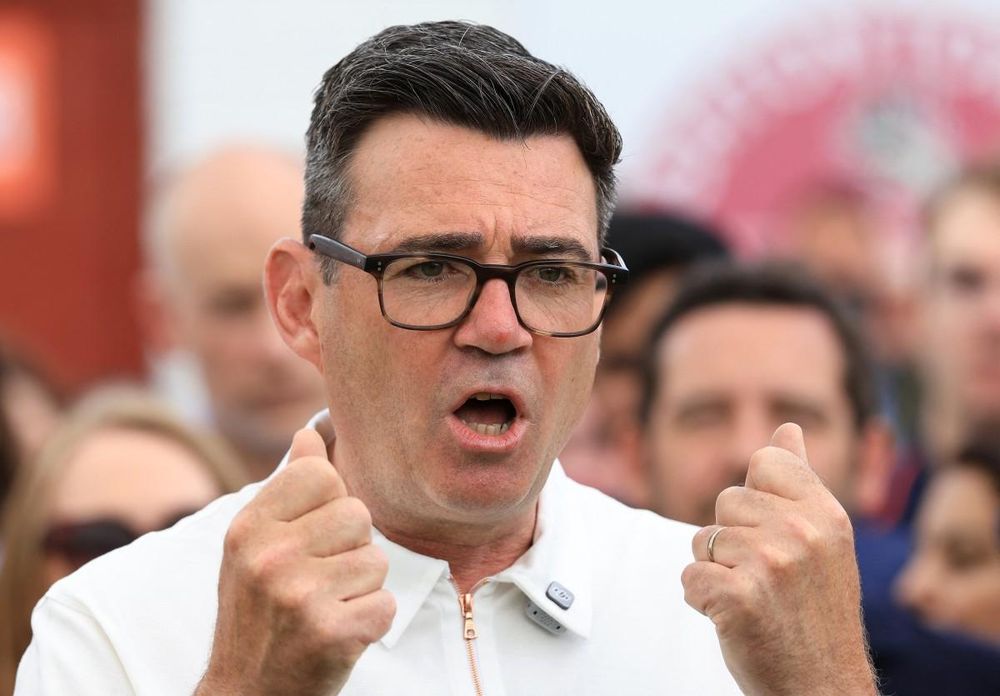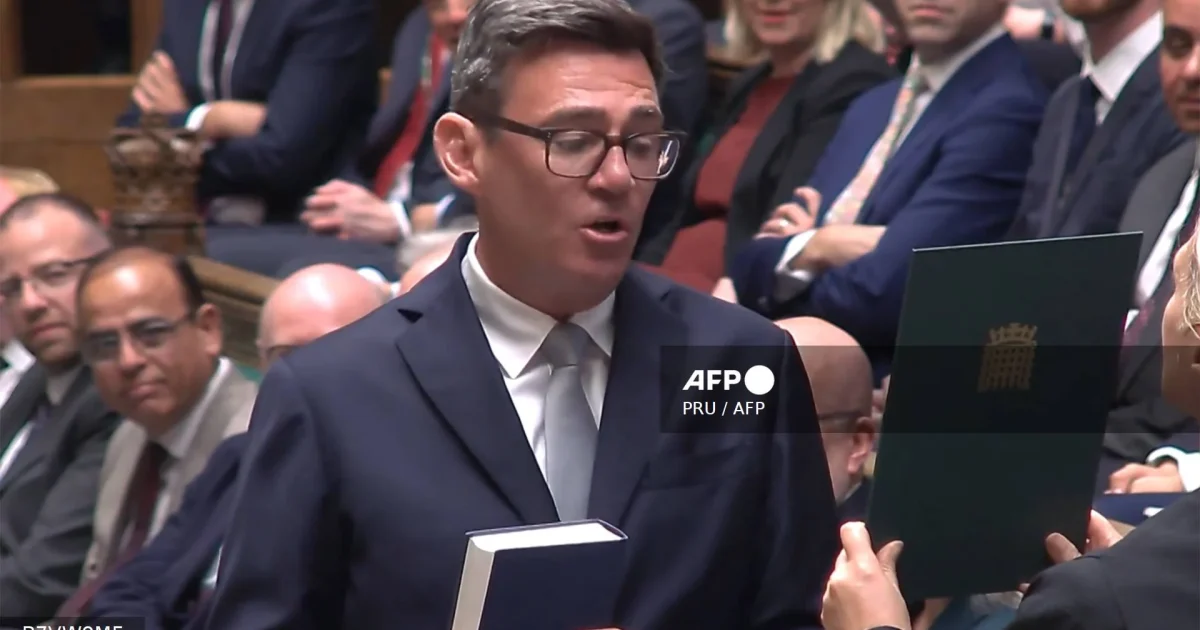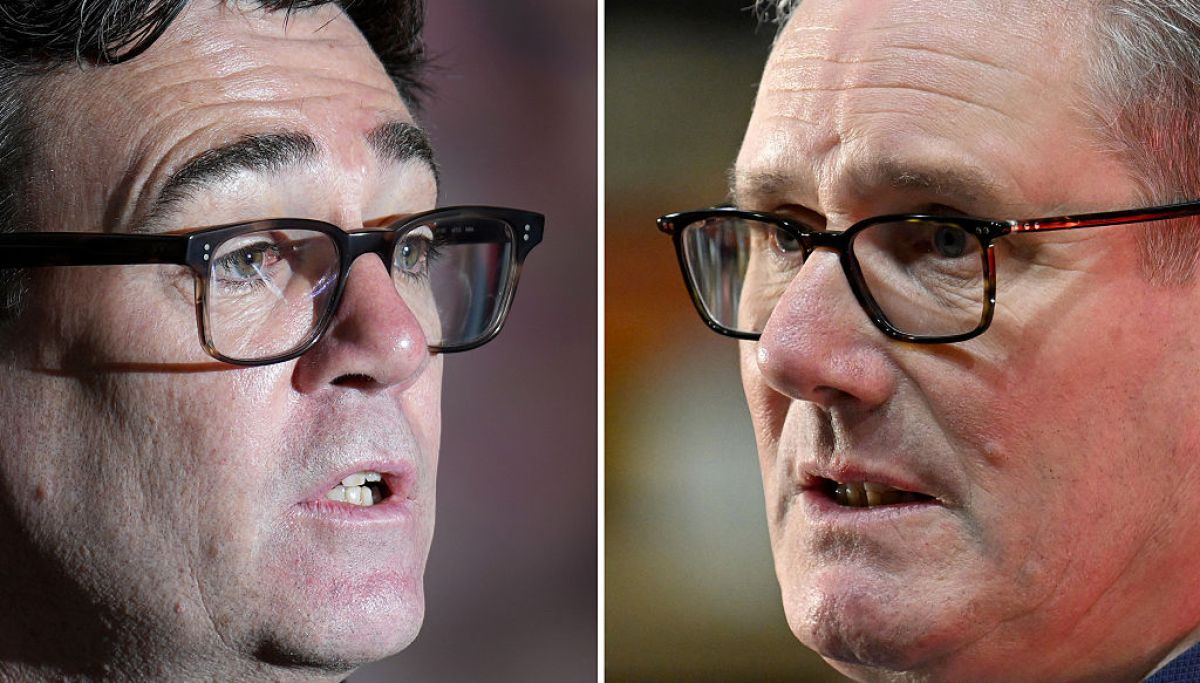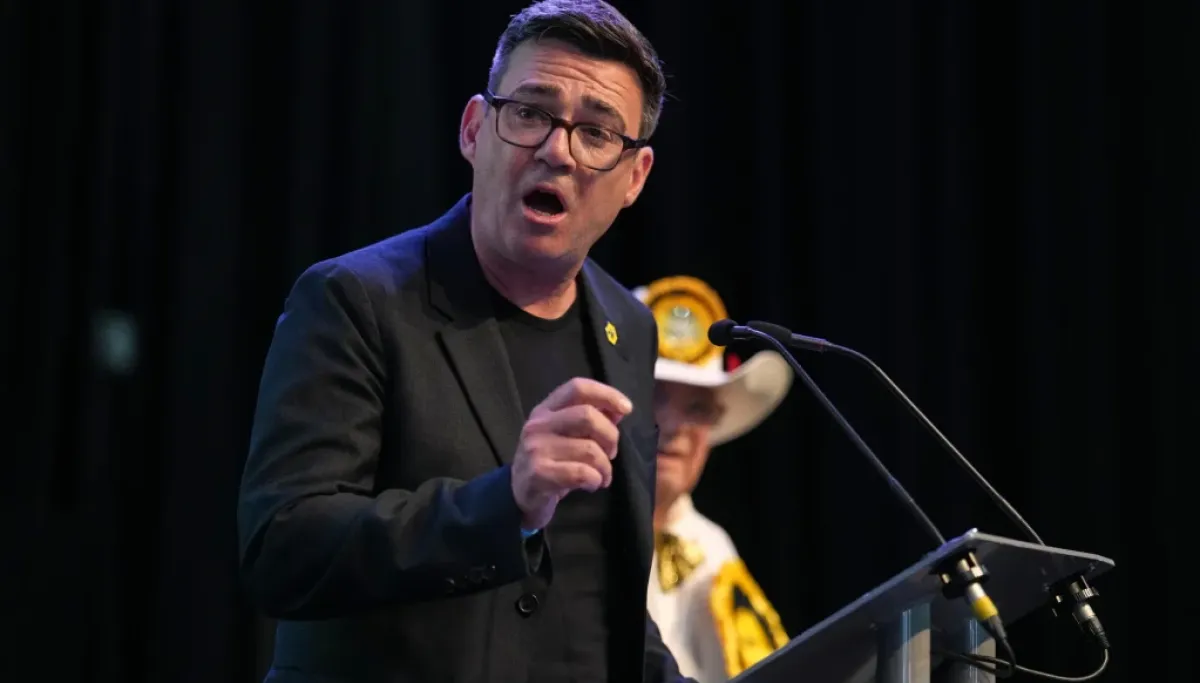
Prime Minister Keir Starmer of the United Kingdom has announced his resignation. Beset by poor polling and the election to Parliament of a leadership challenger, Andy Burnham, Starmer knew his time was up. Starmer will leave office on Sept. 1, following the Labour Party’s selection of a new leader and prime minister (in the U.K. system, the party with a majority in Parliament can select a new prime minister without needing to hold a new election). But with former leadership challenger Wes Streeting now having endorsed Burnham, it is near certain that Burnham will become the next prime minister.What might the ascension of the former mayor of the northern English city of Manchester mean for the U.S.-U.K. special relationship?Before we answer that question, it’s first important to note that the special relationship is in trouble. President Donald Trump has undermined British confidence by deriding British military sacrifices in Afghanistan (though he later backtracked), and by threatening Danish sovereignty over Greenland (Denmark is a reliable U.S. ally that lost the U.S. population equivalent of 2,152 soldiers fighting alongside the U.S. in Iraq and Afghanistan). Trump’s preemptive announcement over the weekend that Starmer would resign, and his simultaneously classless (if broadly accurate) criticism of Starmer’s policies, further degrades U.S.-U.K. trust.
What would Andy Burnham mean for the special relationship?
The presumptive new prime minister will struggle to repair the U.S.-U.K. special relationship. Disagreements over China and defense spending will sustain.
TL;DRAI
Keir Starmer resigns; Andy Burnham, former Manchester mayor with pro-China record, likely next UK Prime Minister. UK-US special relationship under strain: Burnham unlikely to boost £38bn defense gap or shift China policy, risking NATO security.
629 words~3 min read