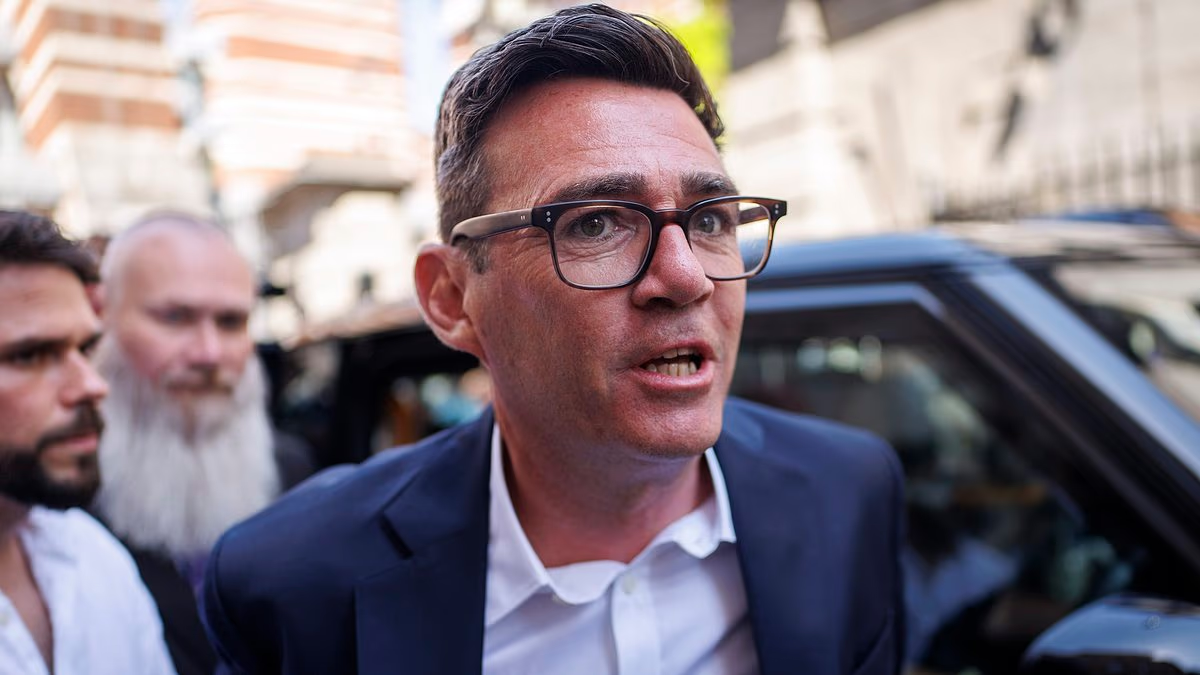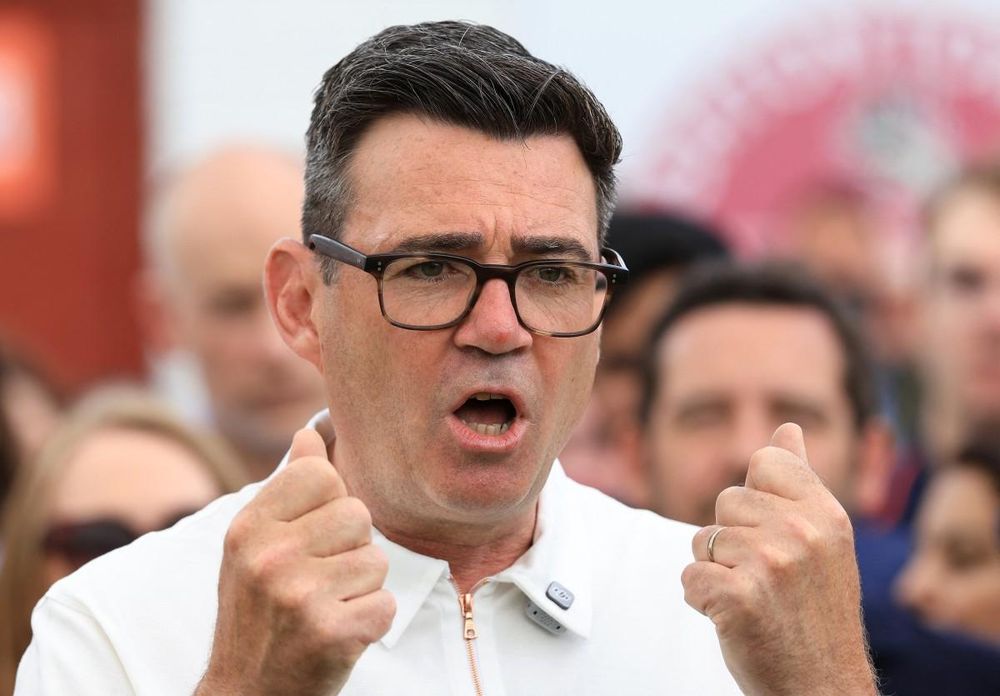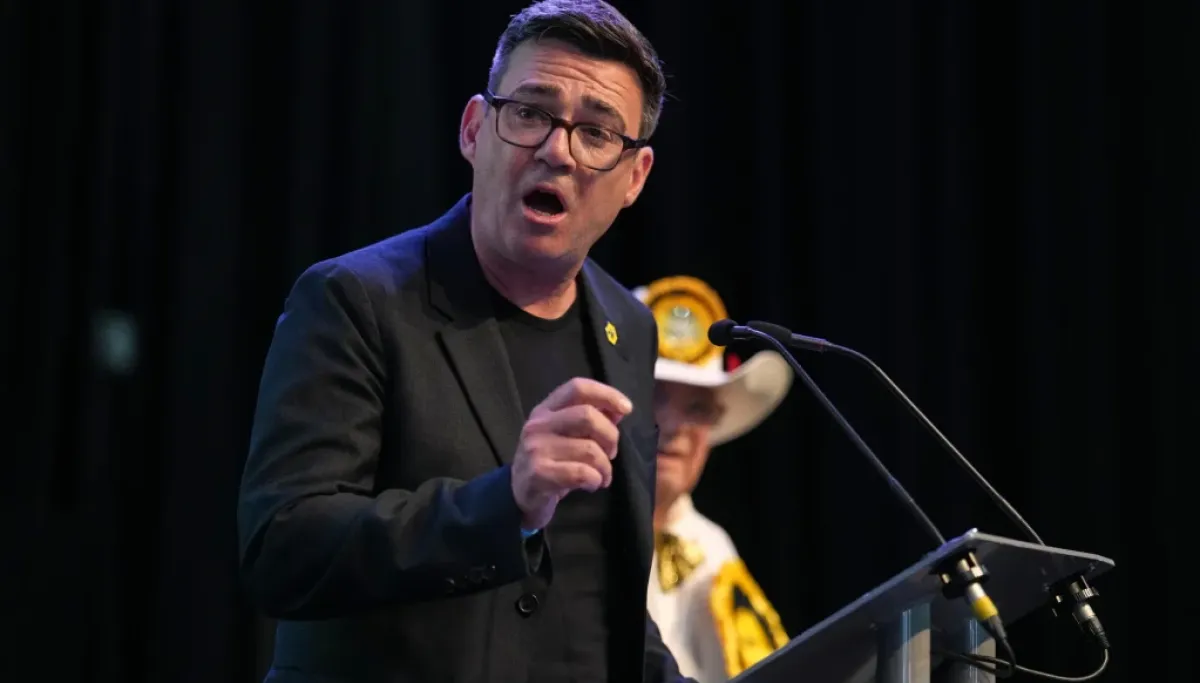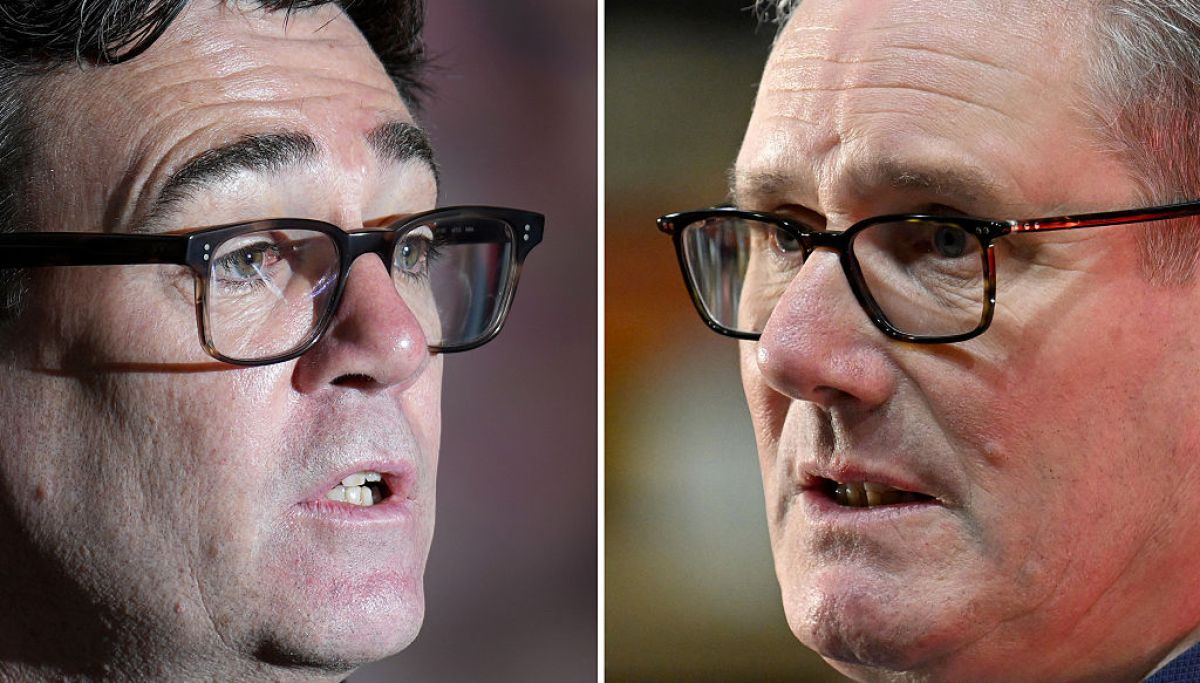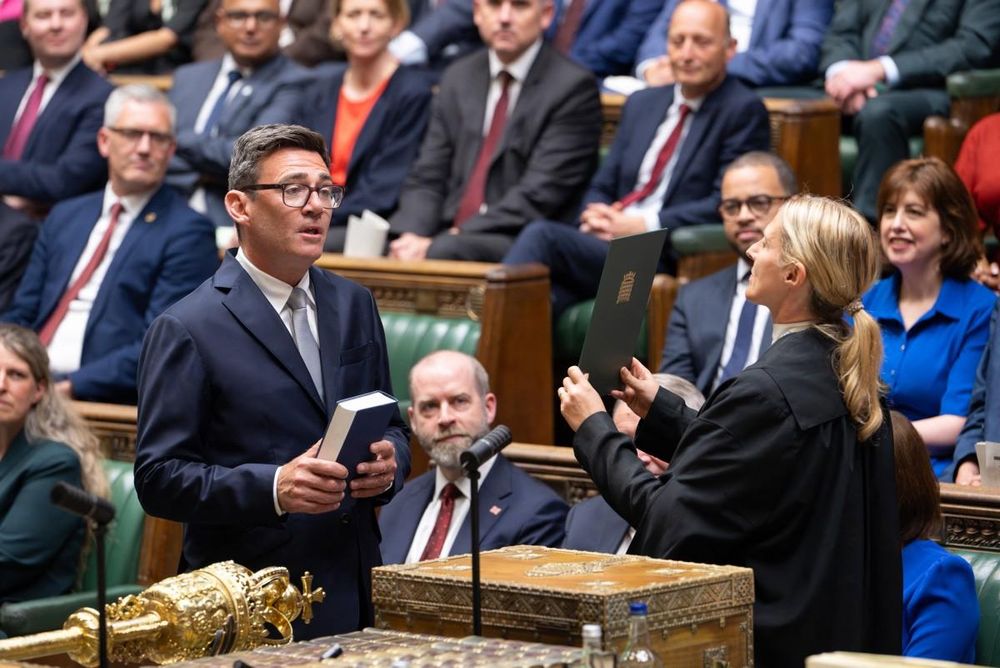
With news that UK Prime Minister Keir Starmer will step down, all eyes are on Andy Burnham, the newest member of the British Parliament thanks to a special by-election held last week. Assuming Burnham wins the Labour Party leadership contest to follow (if there is one), his premiership will face the same economic headwinds and fiscal constraints that recently forced the British Defence Secretary, John Healey, to resign.
Nonetheless, there is also the potential that Burnham’s rise could carry significant changes at the strategic level for the United Kingdom.
Burnham surpassed expectations in the out-of-cycle vote — in pre-election polling, he was ahead of his nearest rival by between 3 and 12 points, but on election day Burnham won by over 20 points. His new Makerfield constituency in northwest England is seen as something of a political bellwether for the challenge that Labour faces from the new right-wing Reform Party. With this strong political wind at his back, and given his popularity within the Labour Party, Burnham appears very likely to emerge as the new party leader, and therefore Prime Minister.
The next general election must take place by August 2029. This is not a long time to fundamentally transform the nation’s finances and turn the ship of state around. It seems likely that Burnham will want to continue many aspects of Starmer’s approach to defense and security policy, but with some key differences.