As an old Delphi guy, I remember well the “language wars” we had with the Visual Basic guys. An early codename for Delphi was “VBK” — VB Killer — and the VB community took exception. They’d come to our Delphi forums and pick fights. Naturally, we brash Delphi guys would fight back, engaging in big flame wars and getting all worked up over what wasn’t much more than a personal preference. Good times.
These days, we’ve moved the discussion up a layer — what is the better model for coding? Things aren’t quite as intense as the VB/Delphi dustups, but people have their opinions. Companies are taking a look at different models before choosing one for their teams. Most teams have arrived at a family of models that they use.
At some point, chatting with Claude or Codex started to seem a bit raw. It wasn’t long before scaffolding tools like GStack and Superpowers were adding underpinnings for interacting with LLMs — baseline instructions for handling prompts before they get to the model itself. They help establish useful context and act as a layer above “raw prompting”. Context engineering is the first and most common layer to add on top of the chat interface.
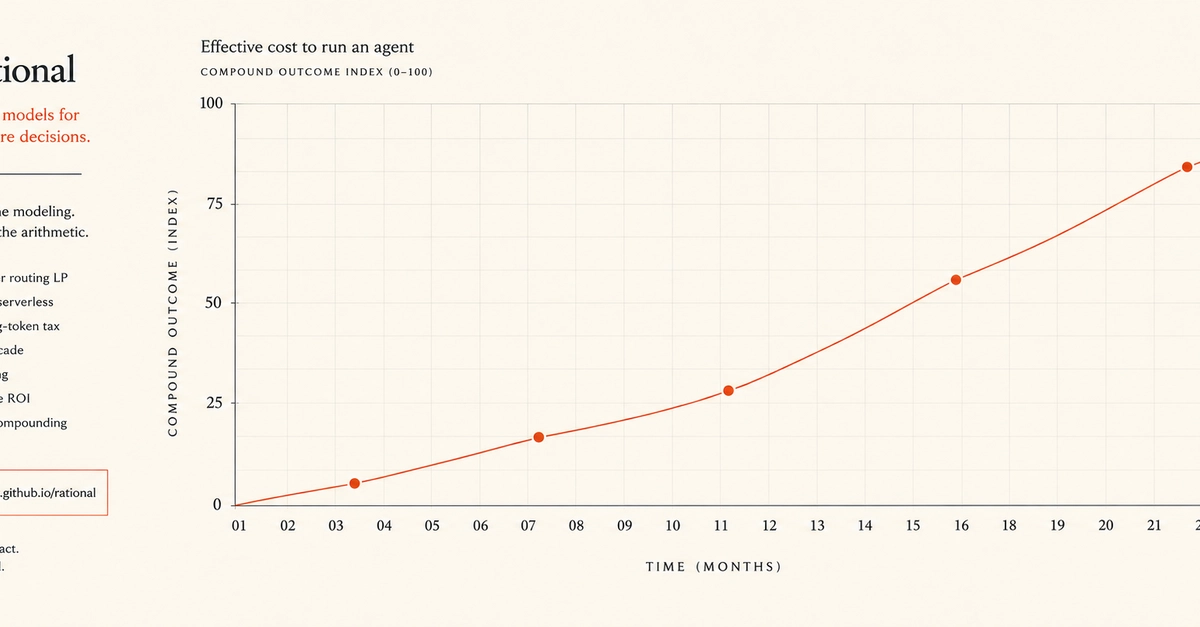
And then once the choice of models and harnesses was made, everyone went crazy with tokenmaxxing. If you have a model, of course you want to get the most out of it. But when the bill came in, managers were not pleased. As costs skyrocketed, leadership worried that the money wasn’t being well spent.