TL;DR — When the spec is good, implementation needs less model. I started using a top-tier model to write the spec and a cheaper, faster one to implement it — still using the strong model, just spending it on the spec instead of the implementation. The gain isn't some magic prompt phrasing; it's the context: explicit business rules, audited project constraints, a defined output contract. That's systems engineering — the discipline of anyone who's kept real software alive, whatever their stack.
Every backend dev knows the scene: the Swagger is out of date, the last hotfix shipped without a unit test, and the README.md documents a command nobody's used in six months. The code works. The docs lie. And the gap between the two is exactly where AI — and we — start to go wrong.
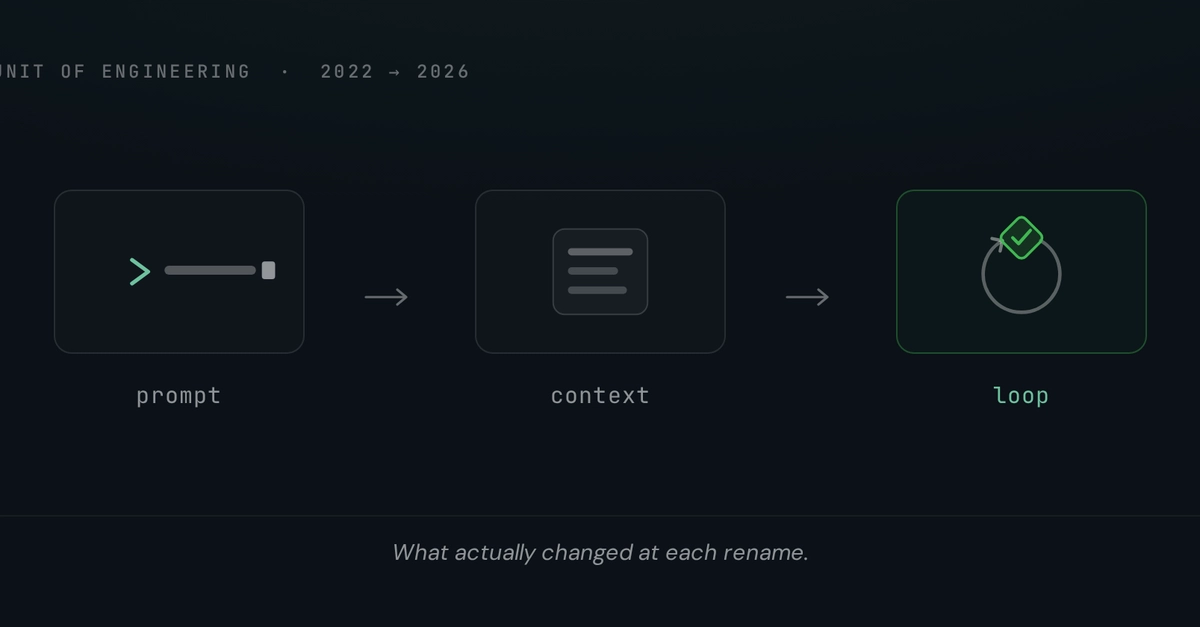
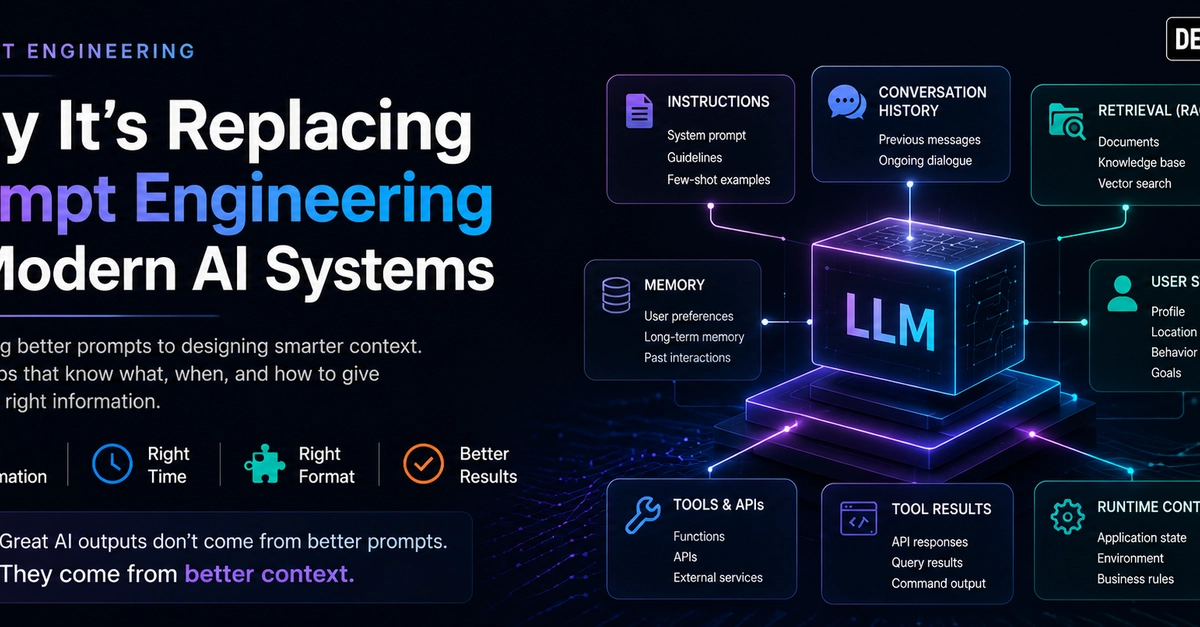
I've spent the last few months developing with AI for real inside production projects, not tutorial greenfield. My takeaway was less about which model to use and more about a shift that already has a name: the move from prompt engineering to context engineering.
The difference isn't semantic. Prompt engineering treats the problem as writing — finding the magic phrase. Context engineering treats it as what it always was: a systems engineering problem. And it's where my backend background applied most directly — though anyone who's kept a real system alive has the same instinct.