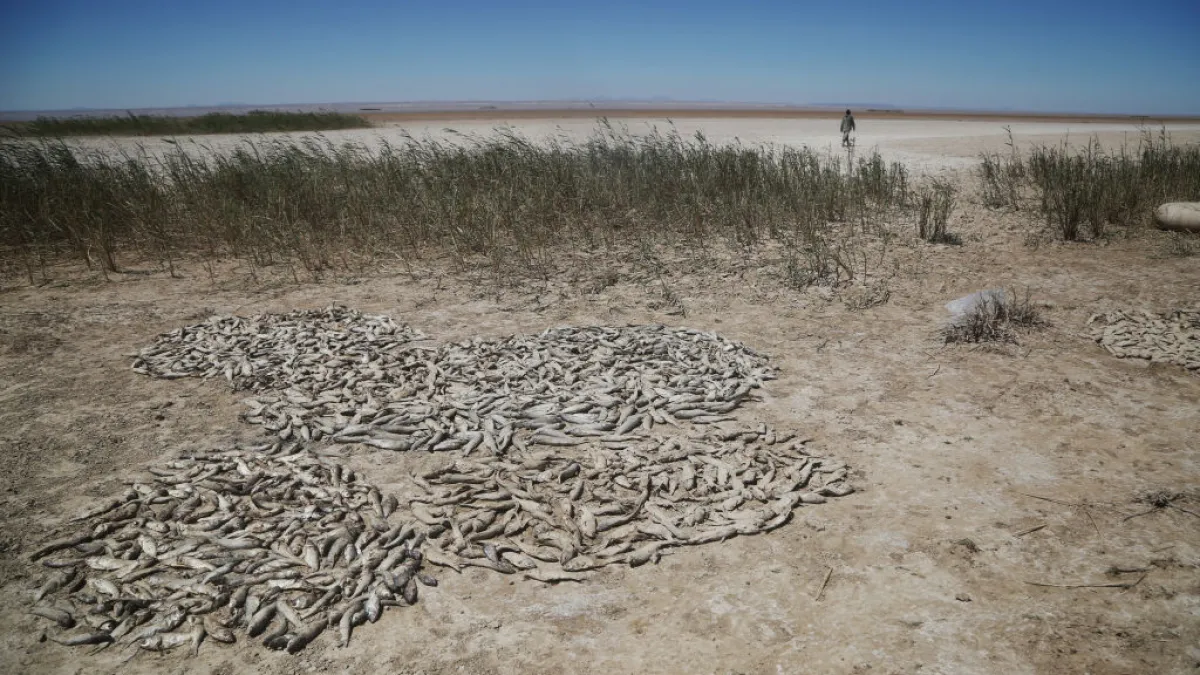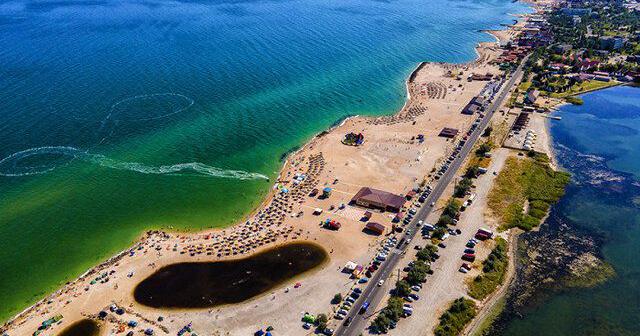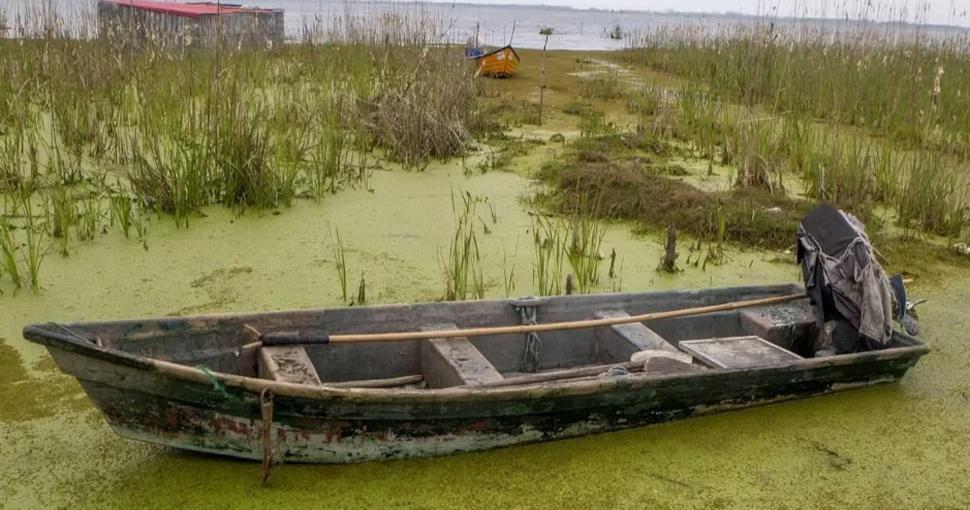
The expansion of dried-out land patches in the Anzali Wetland has once again heightened concerns over the future of one of Iran’s most critical ecosystems. Environmental experts warn that a combination of sewage influx, sediment accumulation, upstream water over-extraction, the spread of invasive species, and the dropping water level of the Caspian Sea has pushed the wetland to a tipping point, with larger portions drying up each summer.
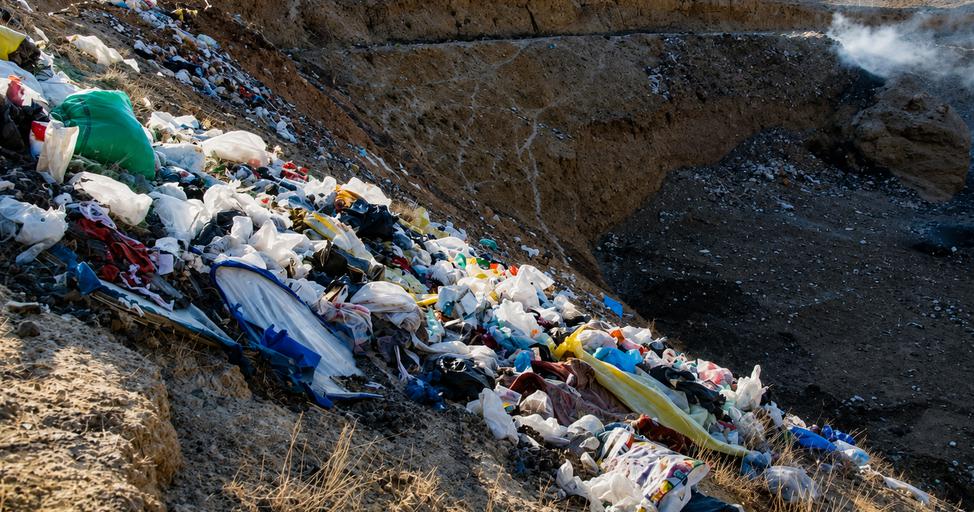
According to experts, although eleven rivers feed into the Anzali Wetland, the vast majority of their water is diverted for agricultural use before ever reaching it, leaving the wetland’s environmental water rights effectively unfulfilled. Compounding this issue, the continuous influx of urban and industrial wastewater, alongside ongoing sedimentation, has drastically reduced the wetland’s depth and severely degraded habitat quality.
Mahan Mahrou, a biodiversity expert, told Payam-e Ma newspaper that stopgap measures like blocking the wetland’s outlets can only temporarily halt water from draining out. In the long run, he noted, such actions will merely accelerate the accumulation of sewage and sediments, worsening the crisis.
Mahrou emphasized that reviving the ecosystem cannot begin within the wetland itself; rather, it demands comprehensive upstream water resource management, the construction of wastewater treatment plants, sediment control, the allocation of dedicated water rights, and scientifically backed vegetation management programs.