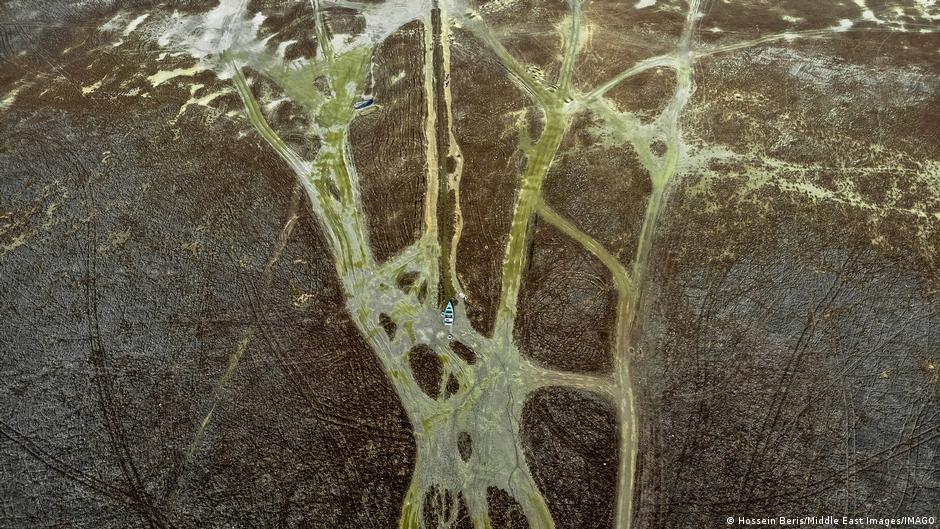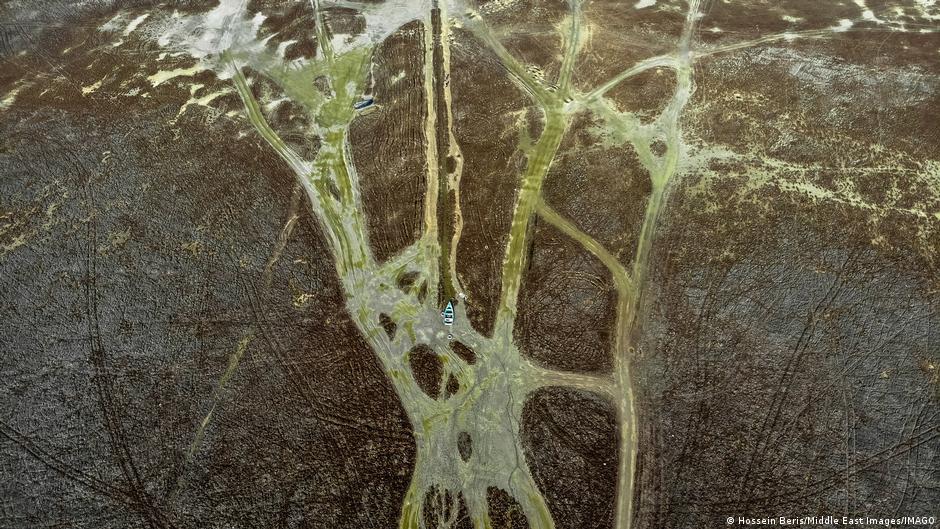
The Caspian Sea is rapidly shrinking. A long-term decline in water levels has been documented through satellite observations supported by hydrological and climate research, showcasing a consistent downward trend since the mid 1990s.
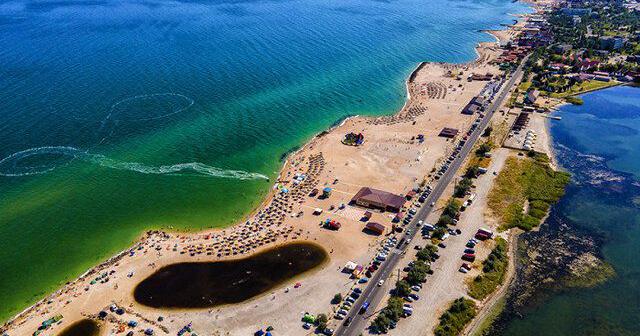
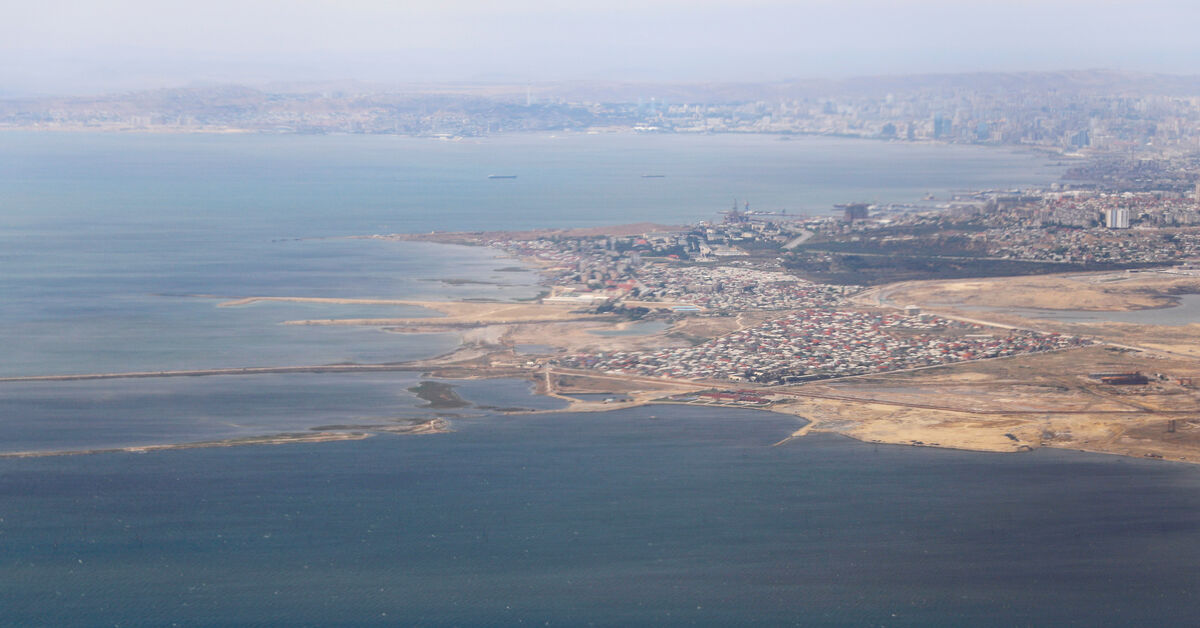
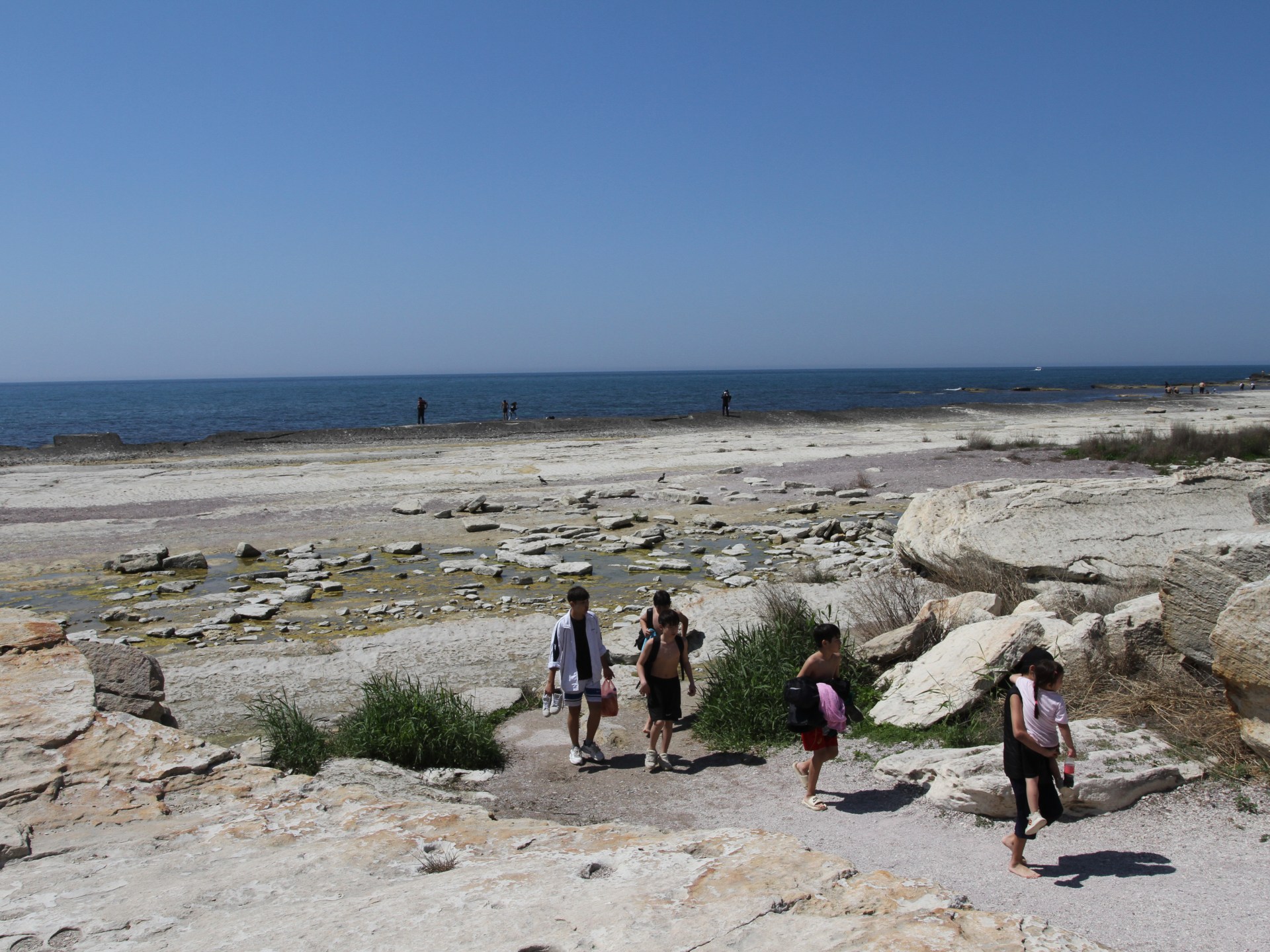
Along parts of Azerbaijan’s coastline, including low-lying areas of the Absheron Peninsula, a retraction is becoming increasingly visible. It’s clear that previously shallow coastal zones are exposed, and shoreline patterns are shifting.
Scientists have warned that climate change and habitat degradation are accelerating water loss across the region. The falling levels are increasingly affecting ecosystems, biodiversity and coastal communities along the Caspian shoreline.
The Caspian Sea is a landlocked basin with no natural outlet, meaning its water level depends entirely on the balance between river inflow, precipitation and evaporation.
The Volga River is the main source of freshwater inflow, supplying the majority of water entering the system. Hydrological research shows that changes in river discharge, combined with rising regional temperatures, have increased evaporation and disrupted this balance. But what does this mean?