https://arab.news/z7nkp
In recent months, parts of the Middle East have been thrust into the center of an unfolding environmental emergency, one that could rival the region’s political and security crises in terms of its severity and long-term impact: the deepening water scarcity crisis.
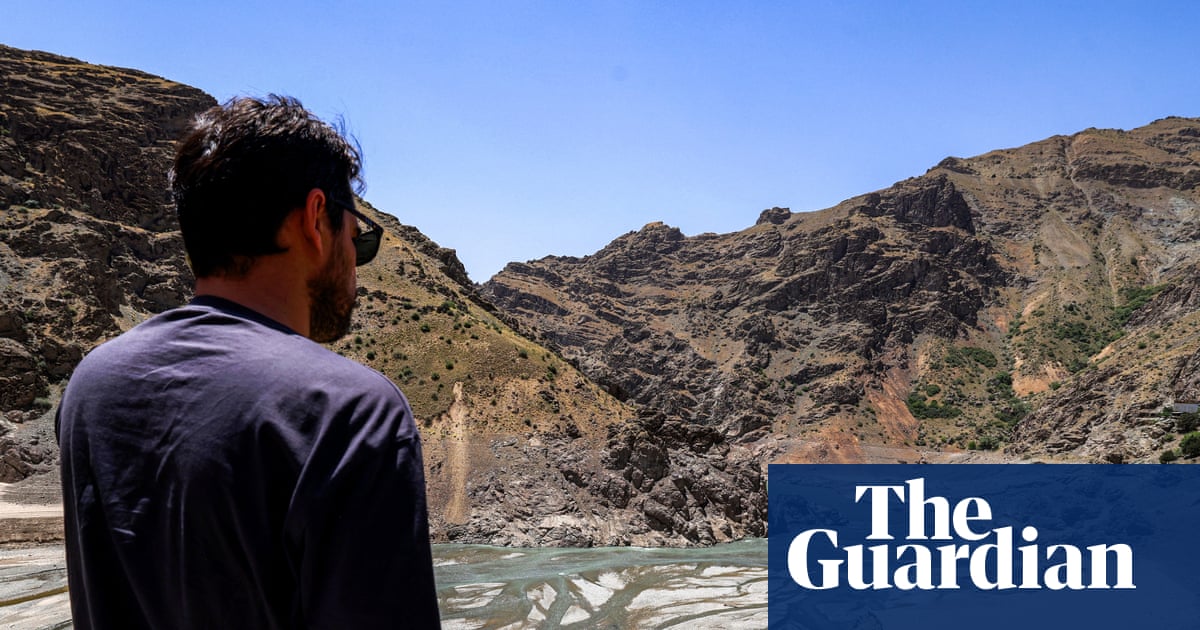
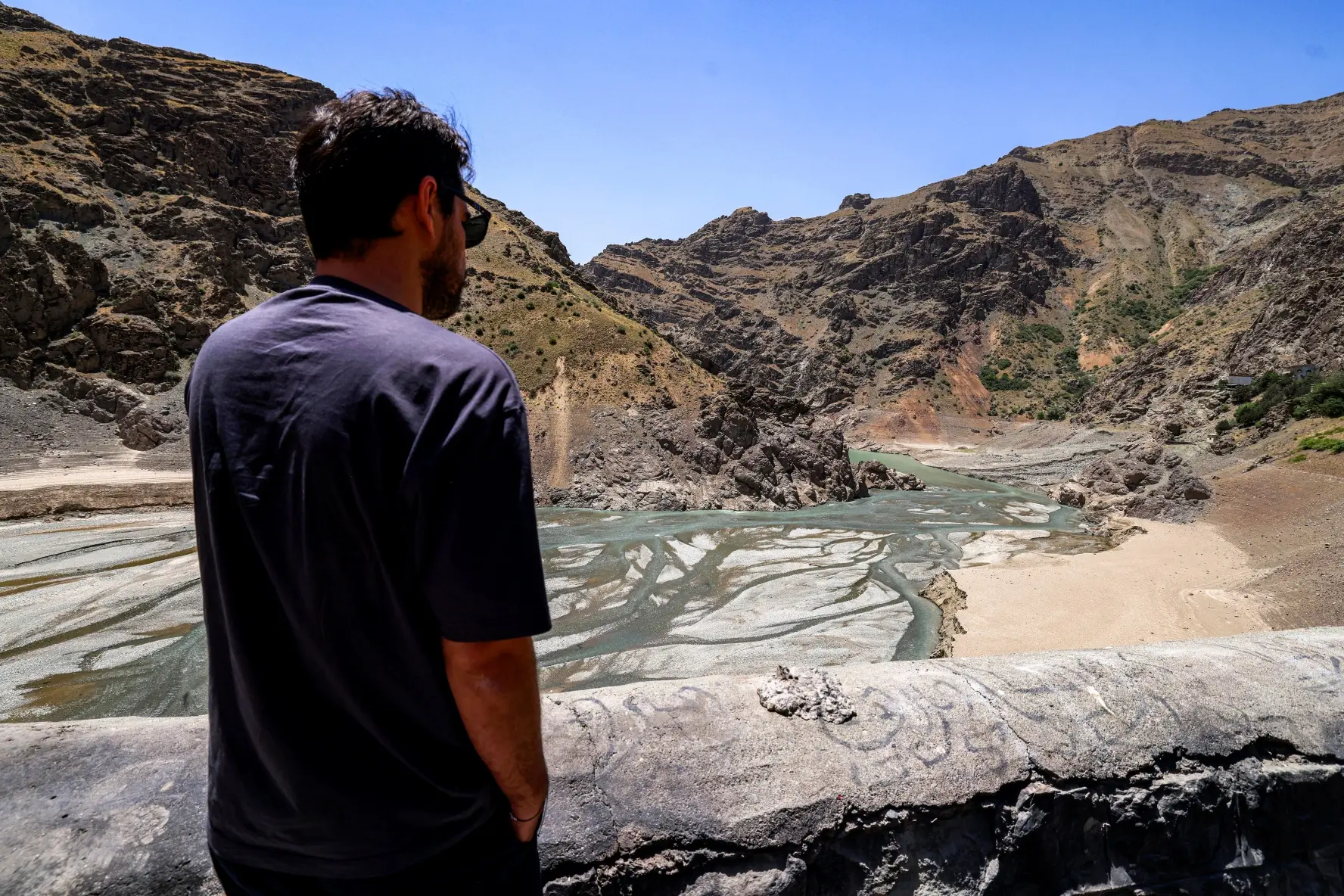
Nowhere is this danger more visible than in Iran, where the specter of a “day zero” scenario is no longer a distant hypothetical but a looming reality for Tehran’s more than 9 million residents. Day zero — a term that entered global awareness during Cape Town’s 2018 crisis — refers to the moment when municipal water supplies are effectively exhausted and taps run dry. In Tehran, dam reserves are now at historically low levels, with water storage hovering between 9 percent and 14 percent of capacity. This is the lowest level in decades and in some cases the lowest in recorded history.
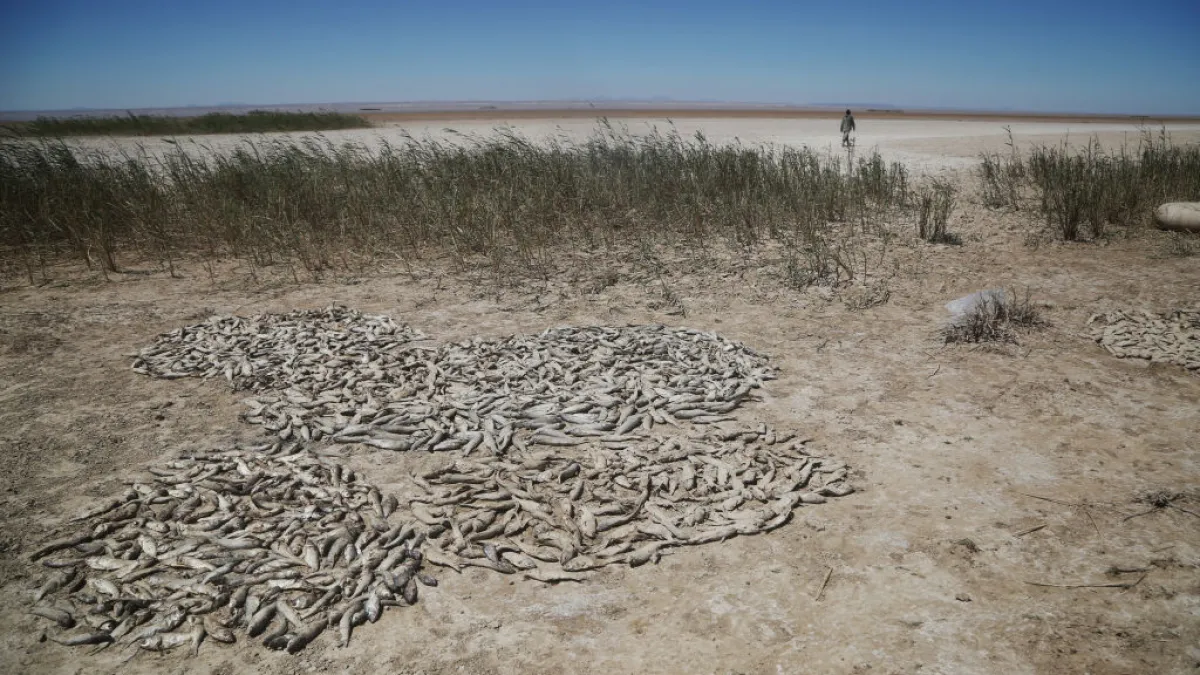
Groundwater depletion has been equally alarming: the water levels in aquifers beneath the capital have sunk by about 12 meters in two decades, triggering dangerous land subsidence that is damaging roads, buildings and critical infrastructure. Water bodies have shriveled to a fraction of their original size, with Lake Urmia’s volume collapsing from 2 billion cubic meters to only about 500 million — an ecological tragedy that has destroyed habitats and livelihoods. Authorities have begun closing public offices during heat waves and rationing electricity in an effort to slow the collapse, but these measures barely scratch the surface of a problem decades in the making.