LONDON: During the summer, Israeli Prime Minister Benjamin Netanyahu addressed Iranians directly in a video on social media, promising that Israeli water technology would reach the country “once the regime is deposed.”
The appeal echoed a similar message made during the June 12-day war, drawing a sharp rebuke from Iran’s President Masoud Pezeshkian, who dismissed the offer as “an illusion.”
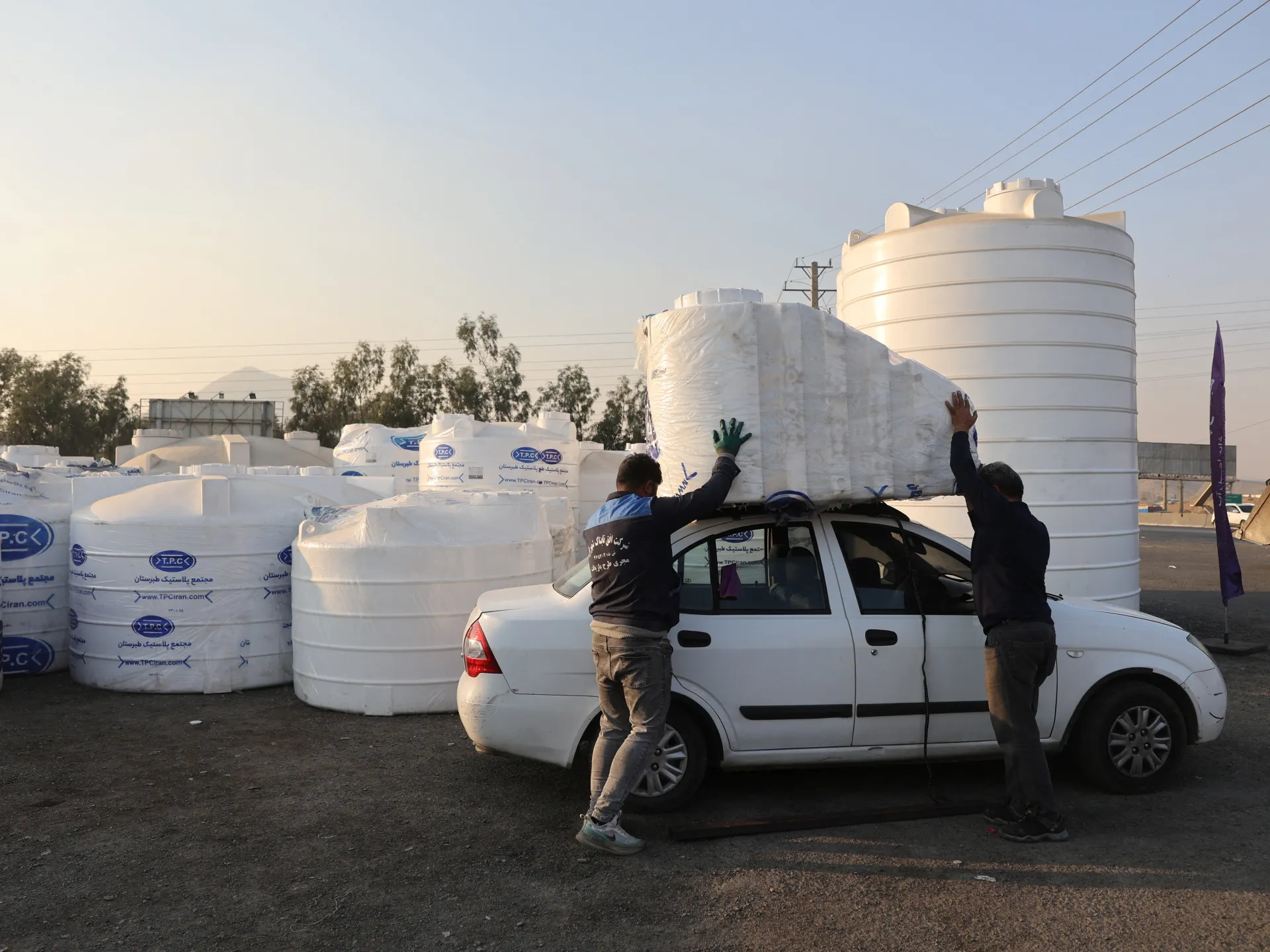
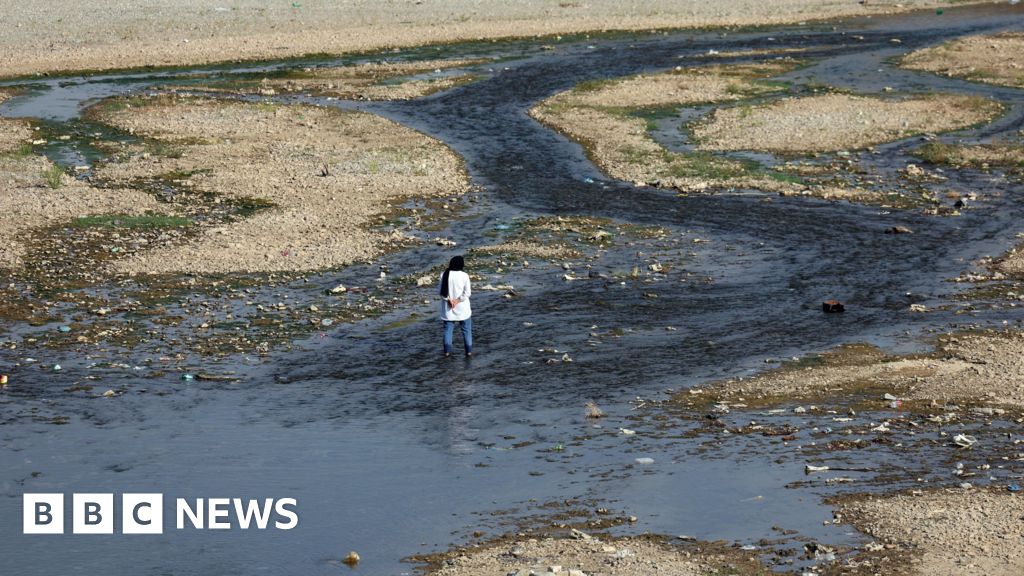
The unusual appeal nevertheless highlights a stark reality that the Iranian state and its citizens are now struggling to confront: a spiraling water crisis that shows no sign of easing, driven by years of drought, crumbling infrastructure, and chronic mismanagement.
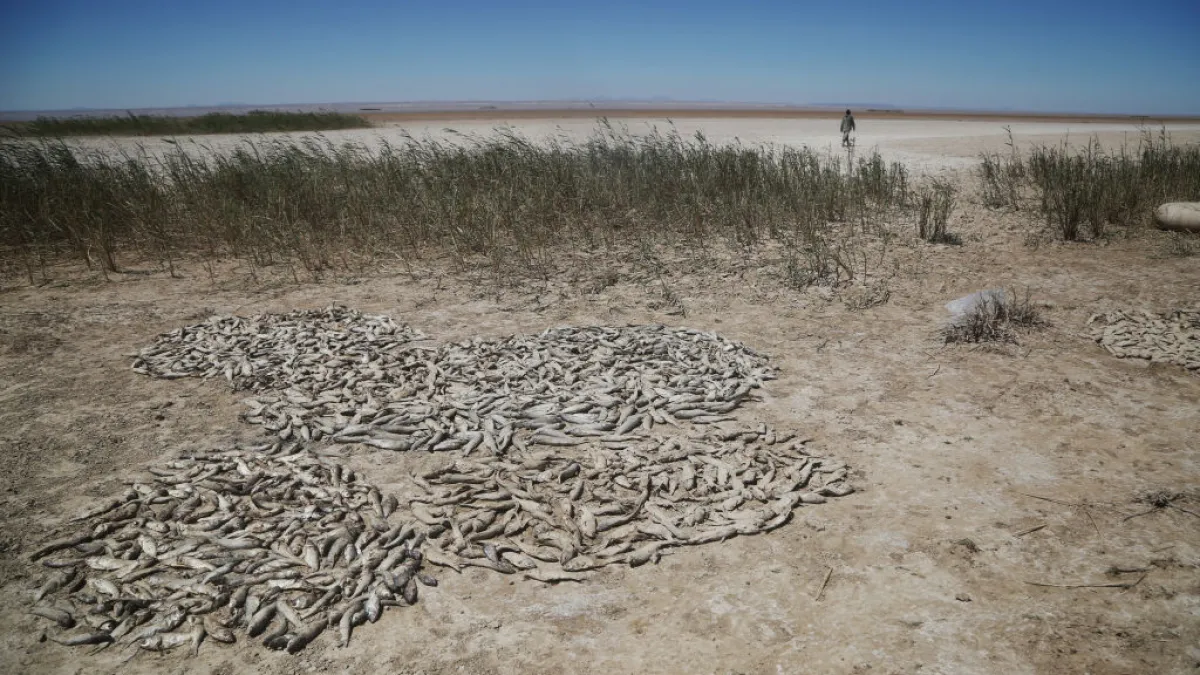
Lake Urmia, once Iran’s largest lake and the Middle East’s biggest saltwater body, has almost completely dried up, with satellite images showing the 4,000-year-old “turquoise jewel” turned into a vast salt plain, fuelling salt storms, ecosystem collapse and serious public health risks.
This picture taken on December 8, 2018 shows a general view of recreational boats along the shore of the salt lake of Urmia and Shahid Kalantari causeway crossing it, in the northwest of Iran which had been shrinking in one of the worst ecological disasters of the past 25 years. (AFP)