https://arab.news/8x9gq
When we face nature’s wrath, whether through earthquakes, wildfires, hurricanes or any other natural disaster, there is instantaneous solidarity among countries. Such solidarity and humanitarian support sometimes appear even between the worst of enemies. It might not last long in the face of geopolitical tensions, but it is proof that something deeper unites us. Today, Iran is facing a historic threat. It is not a military threat, but a lack of water and rainfall.
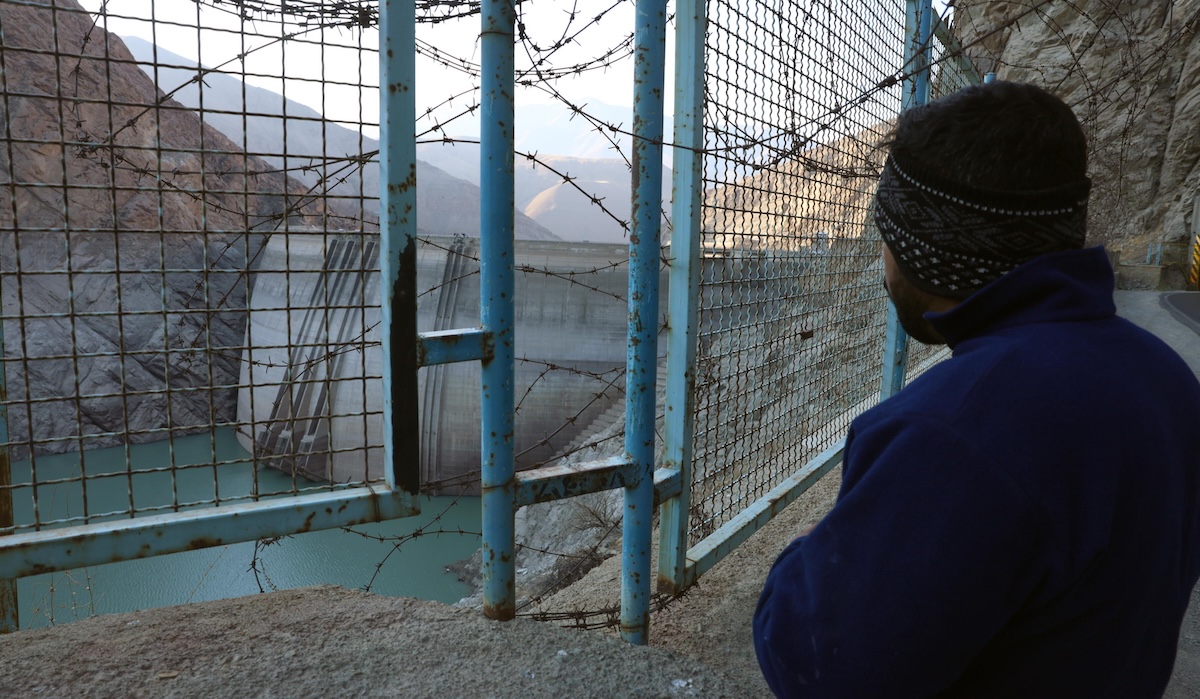
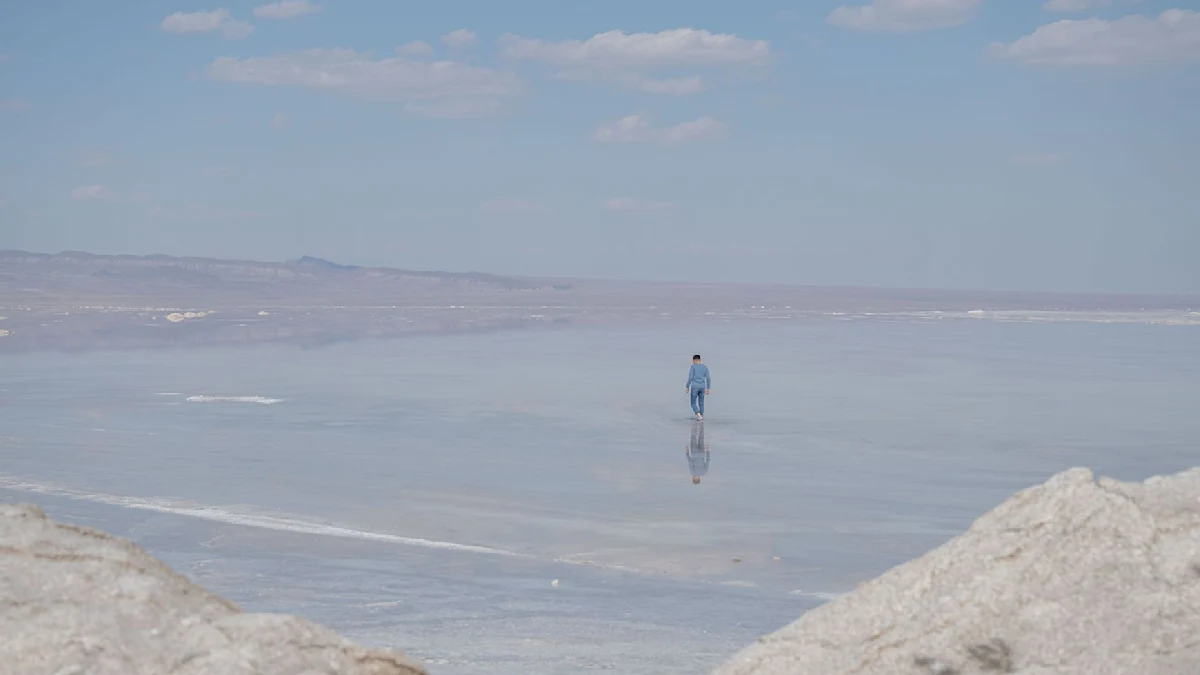
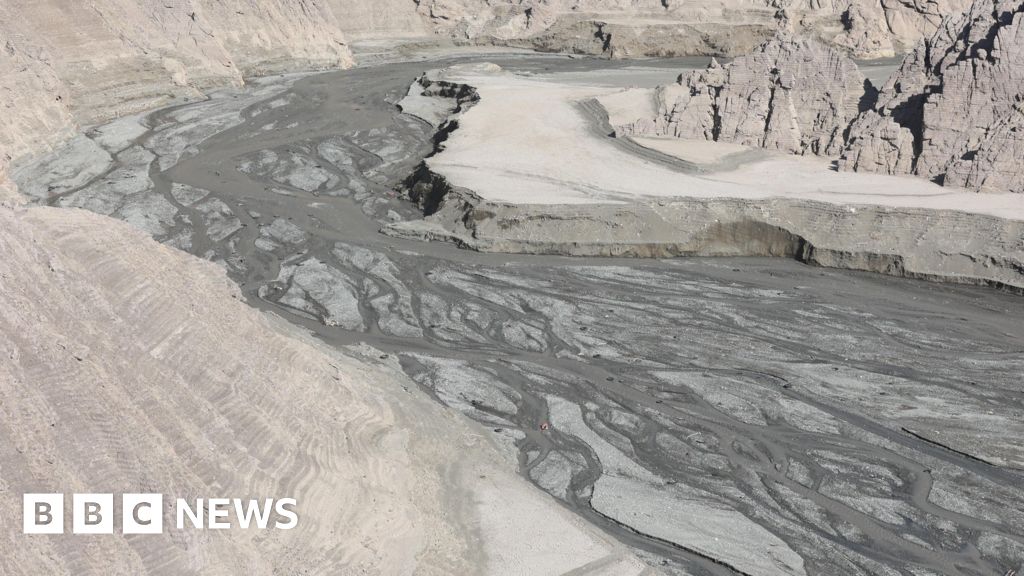
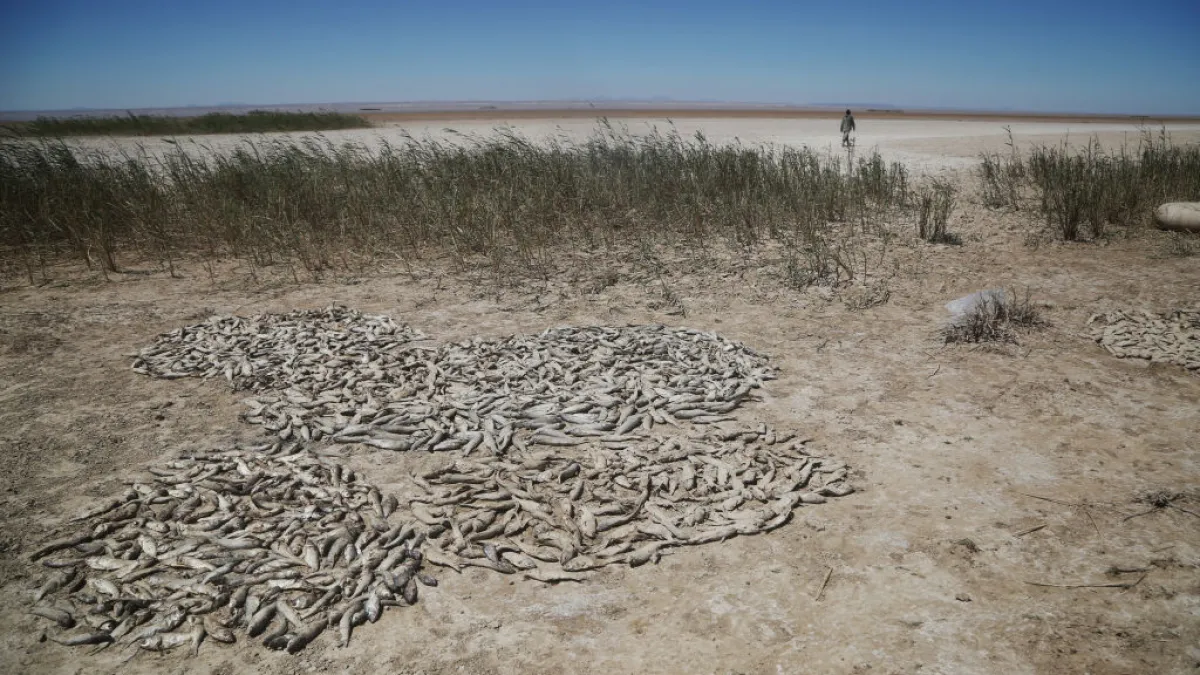
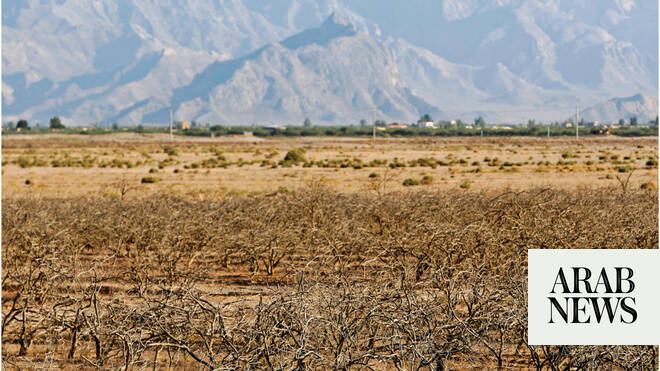
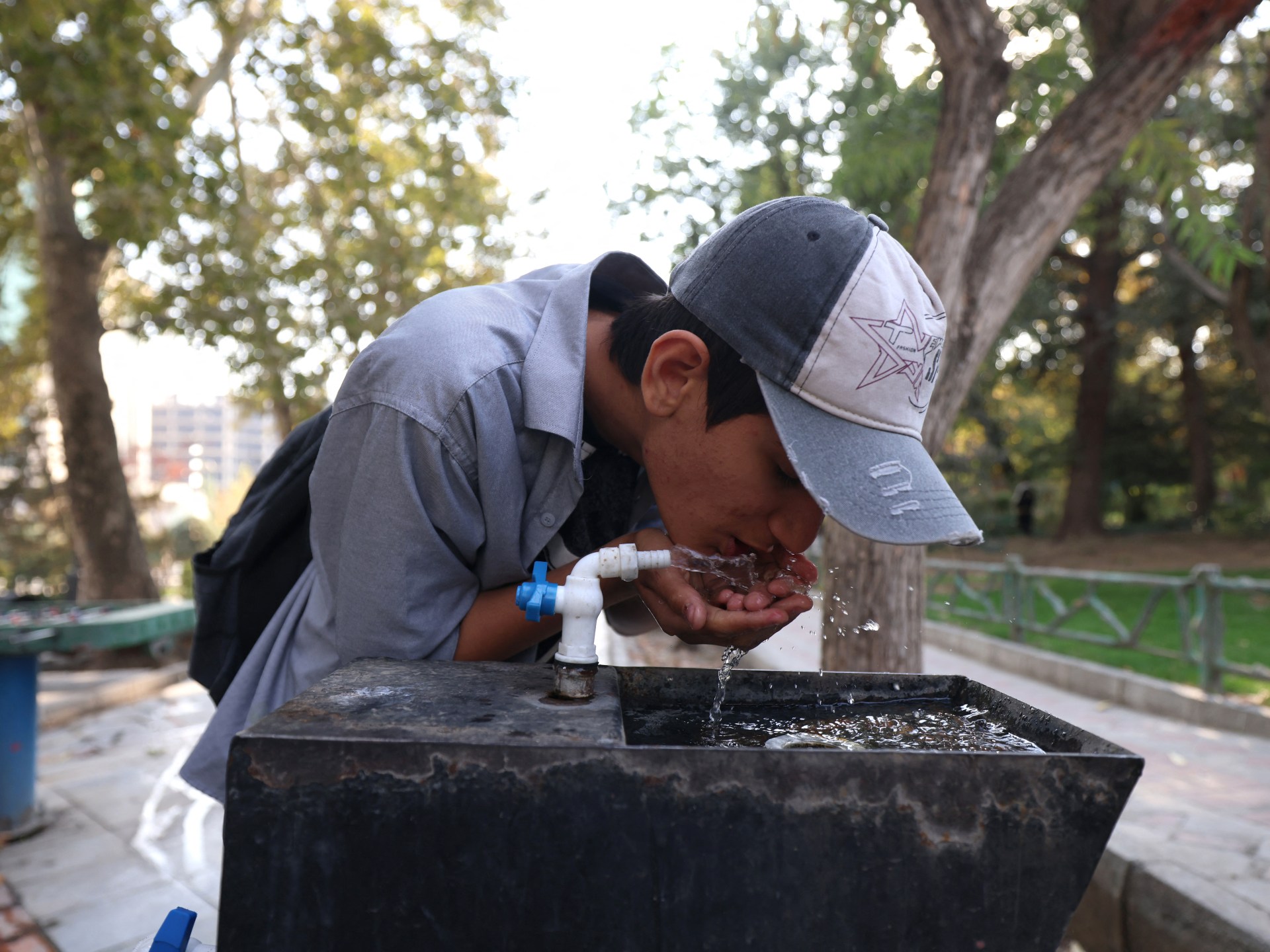
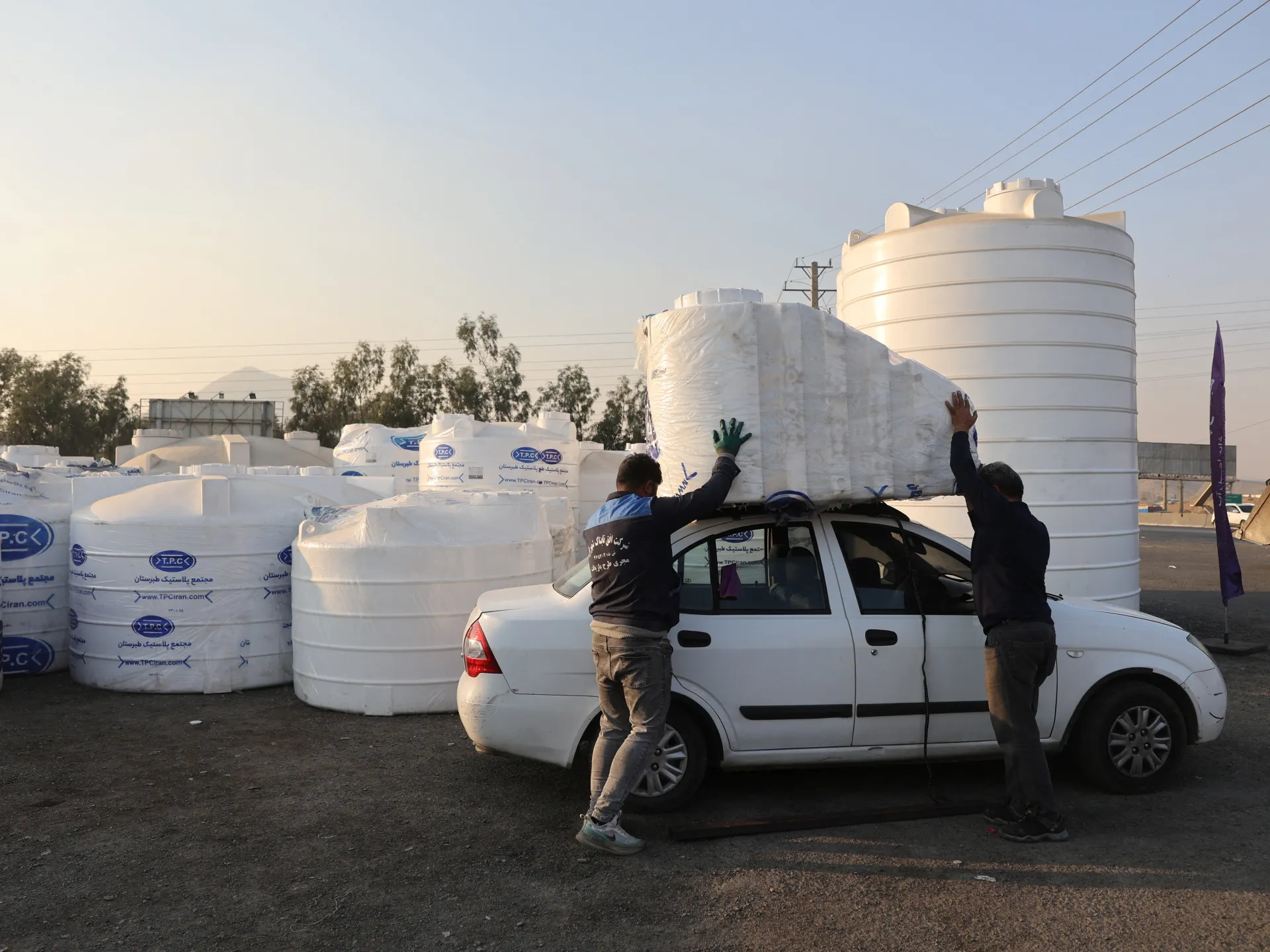
Iran is living through its worst drought in more than 60 years. Media reports indicate that major reservoirs are close to being empty; moreover, groundwater reserves are nearly depleted. This is leaving entire cities in a dire situation, forcing local authorities to cut water intermittently and to start considering evacuations. It is very clear that this crisis goes beyond major harm to Iranian public health and pushes toward broader regional stability.
Water and other resources create both risks and opportunities. If analysts consider that rare earth elements can cause geopolitical tensions and even war, then water scarcity will be worse. The tensions caused by dam construction across the globe due to their impact on transnational water flows are a clear signal of the important geopolitical risk and even the possibility of escalation to military confrontation. In the past decade, a few examples highlight this: Ethiopia, Egypt and Sudan with the Grand Ethiopian Renaissance Dam, India and Pakistan with the Kishanganga and Baglihar dams, Turkiye, Iraq and Syria with the Southeastern Anatolia Project on the Tigris and Euphrates, and even China and India due to the former’s dam on the Brahmaputra River.