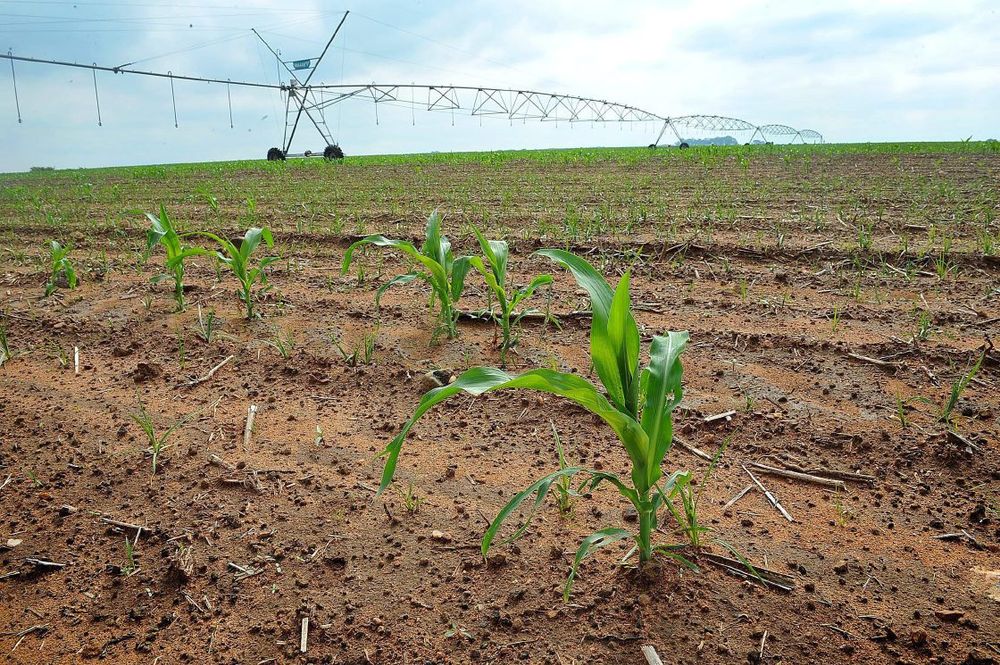
Recent data evaluating agricultural property deals throughout the nine provinces reveals that water security is now a primary factor influencing the value of farmland.
While farmland has traditionally been valued according to factors such as soil quality, rainfall and production potential, the market is increasingly rewarding resilience, income certainty and long-term sustainability.
Land is no longer being priced simply on what it can produce, but on how consistently it can produce under increasingly uncertain conditions, says Sakhumzi May, the chief agricultural economist at the Land and Agricultural Development Bank of South Africa (Land Bank)
In a thought leadership column recently shared, he says SA's agricultural land market is undergoing a structural transformation.
The Land Bank is a specialist agricultural Development Finance Institution(DFI) that provides financial services and products to the commercial farming sector, agri-businesses and facilitates the inclusion of new entrants and historically disadvantaged persons in the agricultural economy.