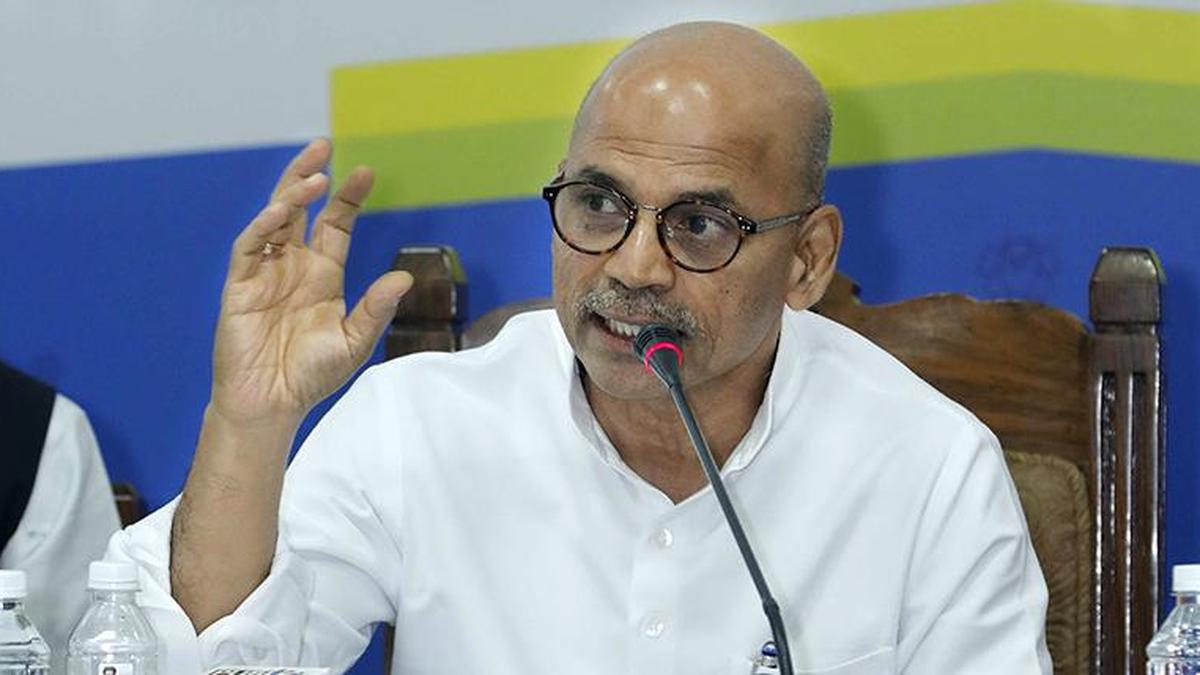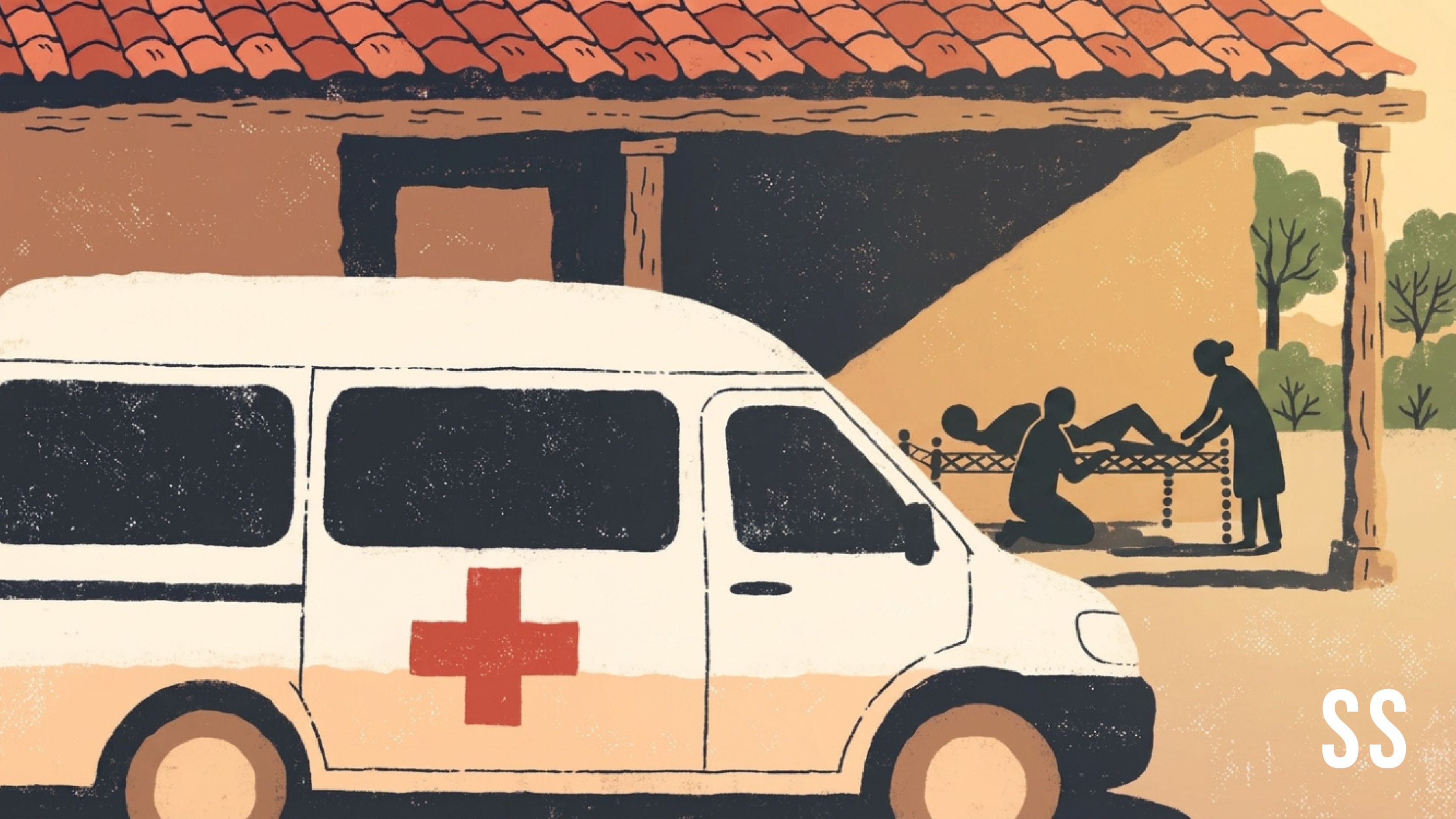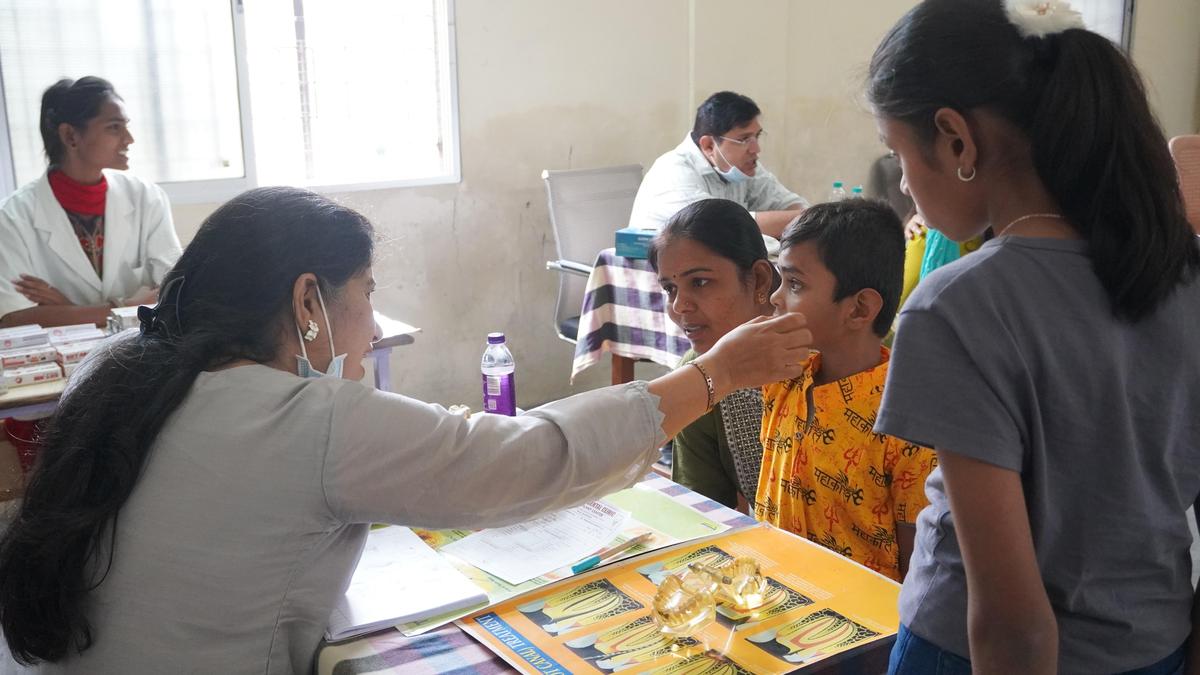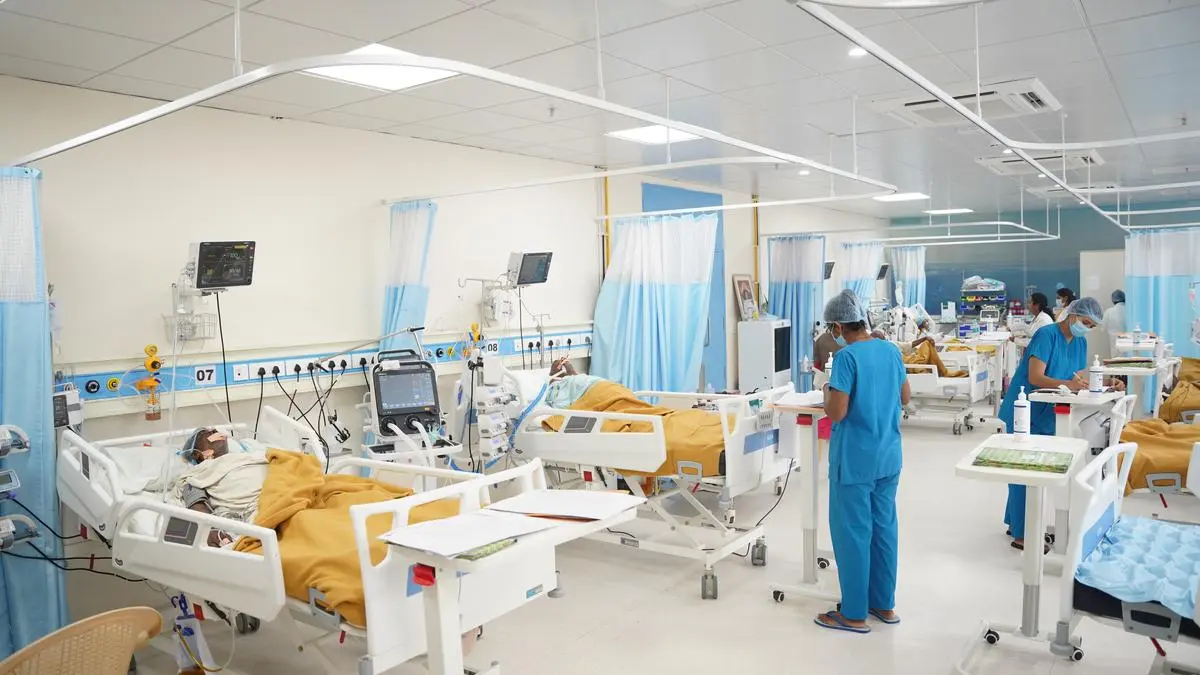
A rural medical college in Muddenahalli, Chikballapur district, Karnataka, is attempting something few institutions have managed — offering advanced treatment, education and research free of cost. Can such a model help reshape India’s healthcare landscape?When Geetha’s three-month-old daughter was diagnosed with a serious kidney condition caused by fluid accumulation in her left kidney, panic was quickly followed by another familiar worry shared by millions of Indian families: How will they afford the treatment? The infant required specialised surgery.For the family, even routine medical expenses were difficult to meet, let alone the cost of complex surgery, medicines and prolonged hospital care.“We are very poor,” she says. “When we came here, the doctors and staff cared for our child with much compassion and kindness. The surgery, medicines, food and every facility were provided free of cost. Today, our baby is healthy and recovering well, and we will always remain grateful for giving her a healthy start in life.”For Geetha, the biggest surprise was not merely that the treatment was free. It was that neither she nor her family were ever asked whether they could afford it. Her story is one among tens of thousands emerging from the Sri Madhusudan Sai Institute of Medical Sciences and Research (SMSIMSR), the healthcare flagship of the One World One Family Mission.Since opening in October 2021, it has recorded more than 1.45 million outpatient consultations, treated over 66,000 inpatients, performed more than 41,800 surgeries, and helped deliver over 8,000 babies. Today, the hospital operates seven modern operating theatres, houses 56 intensive care unit beds, and has 360 beds, making it one of the country’s largest free tertiary-care hospitals serving rural communities.The numbers reflect the scale of an experiment that many professionals would consider extraordinarily difficult to sustain: Providing advanced care, medical education and cutting-edge research entirely free of charge. At a time when healthcare inflation continues to outpace general inflation and out-of-pocket expenditure remains one of the biggest financial burdens on Indian households, the institution is asking an important question: Can world-class healthcare remain completely free without compromising quality?Focus on serviceIndia’s healthcare system has expanded significantly over the past decade. The number of hospitals, medical colleges and insurance beneficiaries has grown steadily. Yet access to quality healthcare continues to remain uneven, particularly outside urban centres. For rural families, the challenge is not finding a doctor but accessing specialists, advanced diagnostics and complex surgeries without falling into debt.The One World One Family Mission believes the answer lies in changing the very philosophy of healthcare delivery. “Healthcare is a fundamental right and not a privilege,” says Sadguru Sri Madhusudan Sai, Founder of the One World One Family Mission. “We believe in leaving no one behind, creating a world where premium quality healthcare is delivered entirely free of charge to all, without any discrimination. The goal is to build a compassionate healthcare ecosystem where the finest doctors, advanced medical technology, education, research, nutrition and preventive care come together to serve humanity entirely free of cost.”The philosophy extends beyond consultations and surgeries. Patients receive medicines, diagnostics, food and comprehensive treatment without payment. Medical students, too, are educated free of cost.“There are no billing counters because care is never dependent on the ability to pay,” says Suchetan, CEO, Global Outreach and Communications, One World One Family Mission. “Real impact begins when quality healthcare reaches the most vulnerable, restoring health, dignity, hope and a new lease of life. Our vision is a world where every child and every family can access quality healthcare irrespective of their financial status.”More than charityIndia has no shortage of charitable hospitals. Several institutions subsidise care for economically weaker patients while charging those who can afford treatment. SMSIMSR follows a different approach. Every patient receives treatment free of charge, regardless of financial background.Located in rural Karnataka, the teaching hospital offers round-the-clock tertiary care across cardiology, cardiac surgery, neonatal intensive care, paediatric intensive care, obstetrics, gastroenterology, neurology, urology, orthopaedics and several other specialties.Many of these facilities are unavailable within a radius of more than 100 km, making the hospital an important referral centre for surrounding districts. It has also invested in advanced medical technology including robotic-assisted procedures, electronic health records, telemedicine, genomics and molecular diagnostics.For Dr Sunny Anand, Director of Medical Education and Research at SMSIMSR, affordability and medical excellence are not contradictory objectives. “Medical excellence and affordability are not competing goals — they reinforce each other. We balance them through three pillars: Clinical excellence, universal access and compassionate care.”According to Anand, the institution has invested in modern infrastructure, evidence-based medicine, multi-specialty services, research and nursing excellence while ensuring that neither patients nor students encounter financial barriers. “Patients are treated as our own family members, with dignity and unique needs, while students are trained to become healthcare professionals with skilled hands and compassionate hearts.”Serving underservedOne criticism levelled against free healthcare institutions is that affordability comes at the cost of technology and quality. SMSIMSR argues the opposite.The hospital has deployed an integrated electronic health record platform that enables clinicians to access patient information in real time, improving continuity of care and patient safety.Telemedicine facilities connect specialists with patients in remote parts of Karnataka, reducing the need for long-distance travel.The institute has also established advanced genomics and molecular biology laboratories that support precision medicine and diagnosis of rare diseases.Technology, Anand says, should reduce inequity rather than widen it. “Geography and financial limitations should not determine health outcomes, particularly among rural populations.”The institution also uses digital learning platforms to train doctors, nurses and allied healthcare professionals, integrating clinical education with technology-enabled learning.Patients from across the worldAlthough established primarily to serve rural India, the institution’s reach has gradually extended beyond national borders.One of its patients, Fortune Mulaverima from Zimbabwe, recalls arriving with little hope after watching her daughter struggle with a congenital heart condition.“I had almost lost hope watching my daughter struggle to breathe and miss school because of her heart condition,” she says.“But this hospital, with its loving doctors and compassionate care, gave her a second chance at life completely free of cost. Today she walks, breathes and smiles without difficulty. I will always remain grateful to the doctors and staff here for bringing hope and life back to my child.”Australian resident Cheng Lock Ramon travelled to Karnataka after living with severe knee pain for nearly five years.“After living with pain for five long years, I came here for a knee replacement surgery and found not just treatment, but world-class compassionate care unlike anything I have experienced before,” he says.“The fact that there were no out-of-pocket expenses made this healing journey even more extraordinary. Today, I stand with hope, strength and confidence once again.”Former Speaker of Sri Lanka’s Parliament Karu Jayasuriya, who underwent treatment here, says, “From the surgeon to everybody else, from top to bottom, everyone gave me love and care every moment. I feel when I go back, I go back with compliments for the doctors and staff. I have improved a lot.”These individual stories perhaps explain the institution’s emphasis on compassionate care as much as clinical outcomes.Recognition from public leadersThe institution’s work has also drawn attention from political leaders, policymakers and industry veterans.President Droupadi Murmu has described quality healthcare as fundamental to the progress of any society and noted that institutions providing completely free healthcare in partnership with premier institutions such as AIIMS and Banaras Hindu University would strengthen both healthcare delivery and medical education in the country.Prime Minister Narendra Modi has called Sathya Sai Grama “a wonderful model of service”, observing that its work in nutrition, education and healthcare reflects the spirit of selfless service. Referring to the free medical college, he said it would produce doctors and allied healthcare professionals committed to serving the nation.Former HDFC Chairman Deepak Parekh describes the institution as “a true miracle of selfless service.”“The hospitals are providing world-class treatment and the latest medical facilities completely free of cost, truly offering the best to serve the poorest with dignity and compassion.”Former SEBI Chairman M Damodaran says the hospitals stand as “a remarkable example of service and compassion,” while Rajat Sharma, Chairman of India TV, says what impressed him most was “not just their scale, standards and attention to detail, but above all the care and compassion that underlies every aspect of service.”Can philanthropy scale?The obvious question remains sustainability. Modern healthcare is expensive. Hospitals require continuous investment in equipment, infrastructure, highly trained doctors, nursing staff, research and technology. Delivering advanced tertiary care without charging patients would appear difficult even for the best-funded institutions. Anand believes the answer lies in governance rather than pricing.“Philanthropic healthcare models can be sustained in perpetuity when they are built on strong governance, quality systems, community trust and shared responsibility.” According to him, sustainability is supported through philanthropy, CSR partnerships, NGOs, efficient utilisation of resources and institutional accountability. “We believe the future of healthcare lies not in choosing between affordability and excellence, but in creating models where both can coexist sustainably and at scale.”Over the next decade, the institution plans to establish centres of excellence in genomics, precision medicine, robotic cardiovascular surgery, maternal and foetal medicine, advanced diagnostics and AI-enabled healthcare, while strengthening biomedical research and training. The ambition, Anand says, is to place SMSIMSR on the global map for healthcare delivery, research and medical education.The upcoming 600-bed Teaching Hospital at Sathya Sai Grama is a landmark initiative envisioned by Sadguru Sri Madhusudan Sai. Conceived as one of the world’s largest completely free private teaching hospitals, it represents a transformative step towards making world-class healthcare and medical education accessible to all, irrespective of financial circumstances.Designed as the second teaching hospital under SMSIMSR, it will seamlessly integrate advanced patient care, medical education and clinical research under one roof. It will serve as a premier centre for training compassionate healthcare professionals committed to serving rural and underserved communities while delivering cutting-edge medical care entirely free of cost.The state-of-the-art facility will house 28 medical and surgical specialties, advanced operation theatres, intensive care units, sophisticated diagnostic services, organ and heart valve banking facilities, and robotic-assisted surgical systems. Every aspect of the hospital has been designed to provide tertiary and quaternary healthcare that meets global standards while ensuring that no patient is denied treatment due to financial limitations.Visiting doctorsHealing Little Hearts, a UK-based children’s charity, and SMSIMSR have been working together to provide completely free, life-saving paediatric cardiac surgeries for children with congenital heart disease.Through this enduring partnership, children from economically disadvantaged families receive world-class treatment at no cost. International teams of doctors and nurses regularly collaborate with the SMSIMSR team to perform complex cardiac procedures and share their expertise with local medical professionals. The initiative covers surgeries, ICU care, medicines and follow-up treatment entirely free of charge. This collaboration continues to transform young lives and stands as a shining example of compassion, medical excellence and global humanitarian service.Founder of Healing Little Hearts Dr Sanjiv Nichani says, “This is my fourth visit in the last 12 months. We love coming here because the campus is green, clean and serene, and the people here are amazing. Sadguru leads a world-leading, absolutely incredible mission. Most importantly, for the patients, there is absolutely no charge and not even a billing counter here. The ethos of this hospital matches exactly what we practice in Healing Little Hearts, and I look forward to another week of caring for children and supporting them through complex heart surgeries.”A different conversationIndia’s healthcare debate is increasingly centred on insurance coverage, government spending, private investment and digital health.The One World One Family Mission introduces another dimension to that discussion. Can philanthropy, backed by professional management and modern technology, complement public and private healthcare systems by serving those who often fall through the cracks?Institutions such as Aravind Eye Care System transformed cataract surgery by demonstrating that high-volume, high-quality eye care could be delivered affordably. Narayana Health showed that complex cardiac procedures could be performed efficiently enough to significantly lower costs without compromising outcomes. The Sri Sathya Sai Institute of Higher Medical Sciences has, for decades, offered advanced specialty care free of charge.The One World One Family Mission appears to be attempting something broader — combining free tertiary healthcare, medical education, biomedical research, nutrition and community outreach under a single ecosystem.Whether such a model can be replicated widely remains an open question. It depends on sustained philanthropy, rigorous governance, medical talent and operational discipline — ingredients that are not easily assembled.Yet for families like Geetha’s, those larger questions are secondary. When her daughter needed surgery, she found a hospital where no one asked about insurance, income or affordability. They simply asked what was wrong with the child.In a healthcare system where conversations often begin with costs, that may well be the institution’s most radical innovation.(This is the first of a three-part series.)
No bill, no insurance, just hope: Inside One World One Family’s free healthcare experiment
Explore One World One Family's groundbreaking free healthcare model in Karnataka, transforming lives without financial barriers or insurance.
2,154 words~10 min read