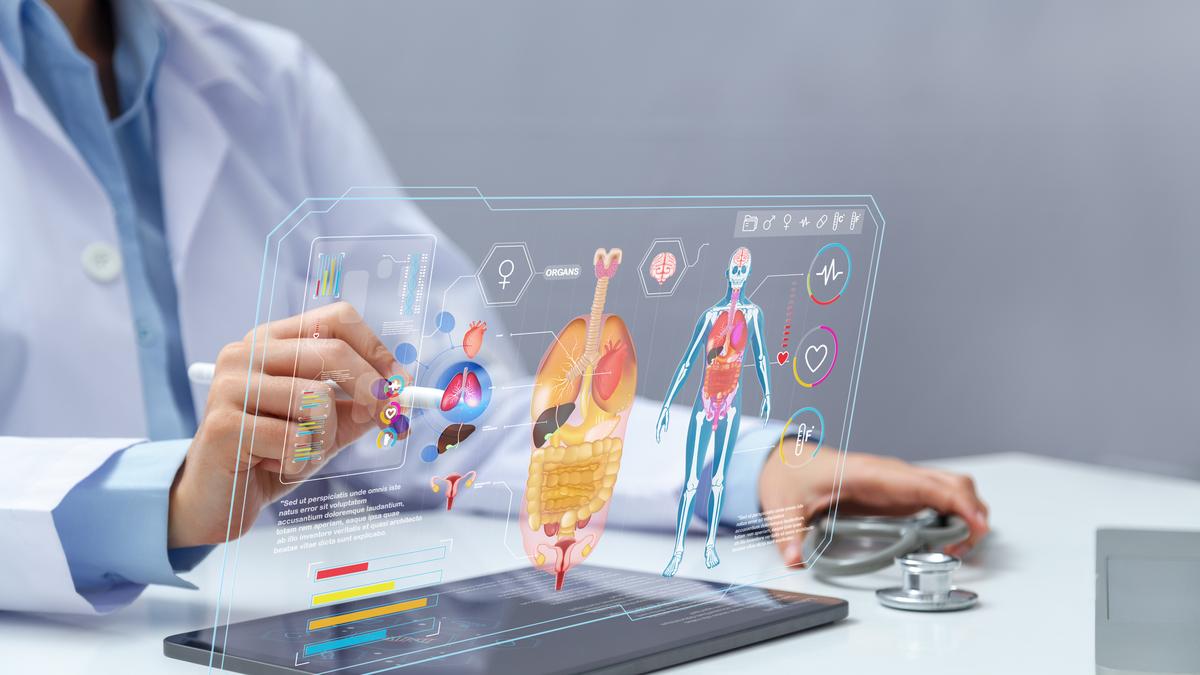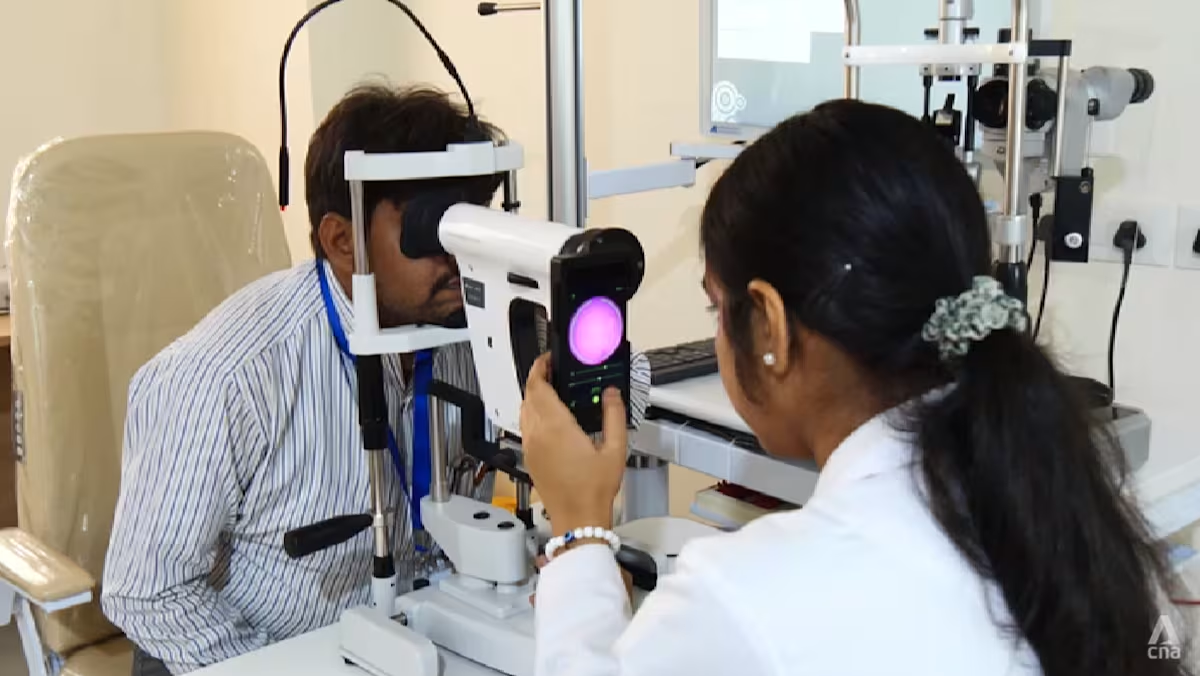
The article recommends the deployment of technology to enable continuity of care, listing an electronic medical record platform, an AI chatbot, a patient app for appointments and results, telemedicine, particularly for ophthalmology, and a physician decision-support tool for classifying diabetes subtypes. Image for representation only.
| Photo Credit: Getty Images/iStockphoto
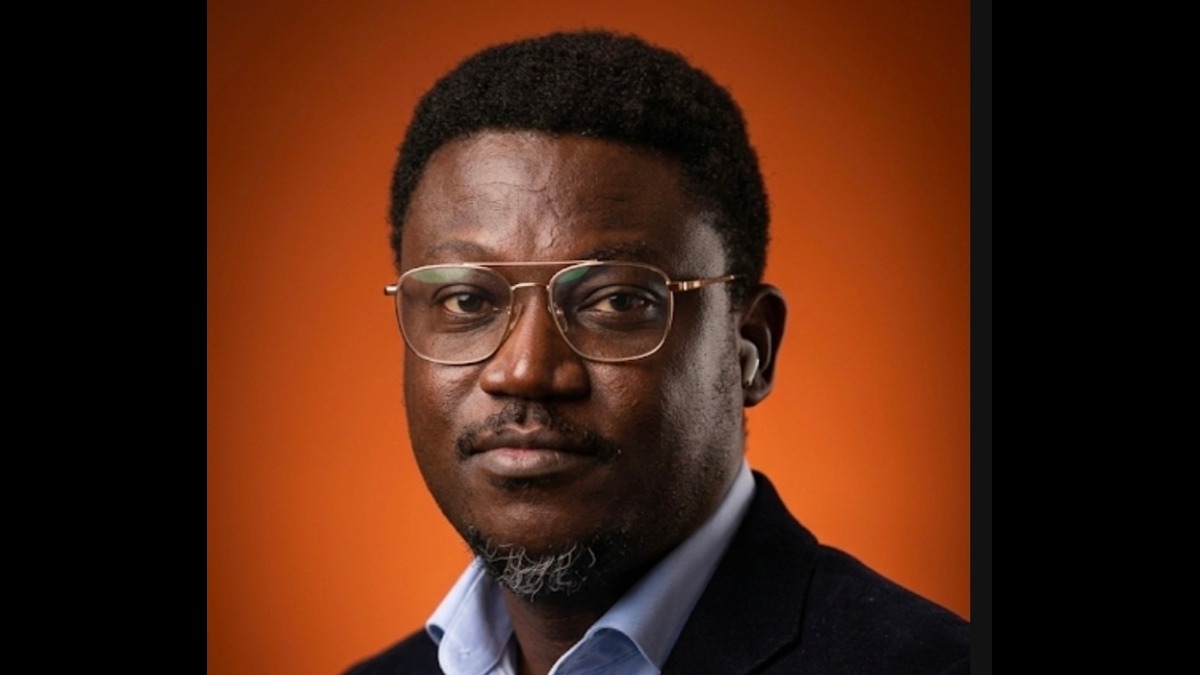
With four decades of diabetes work under its belt, India now has the ability to show other low and middle income countries how integrated, low cost and tech-enabled solutions can be deployed on the ground to launch effective interventions, according to an article by Chennai-based diabetalogist V. Mohan, published in the leading journal Diabetologia published on June 23.Striking out for indigenous innovations over a copy-paste model from high income countries, he makes the case for local solutions, integrated diabetes care, and looking at the whole heterogenity of diabetes.Dr. Mohan begins with the idea that diabetes in South Asia is not the same as elsewhere. People in this region, he says, develop diabetes at a lower Body Mass Index (BMI), with more visceral fat and greater insulin resistance, indicating the need for region-specific screening and treatment strategies. An important component of these strategies are lifestyle, diet, and environmental factor, particularly the intake of highly refined carbohydrates and low levels of physical activity among the population.Integrated approachThe “total diabetes care” model developed at his centre, the Dr. Mohan’s Diabetes Specialities Centre in Chennai, is no longer about just testing blood sugar, but looking at the total impact that diabetes has on the human body, and the range of metabolic disorders. There are lessons in this, Dr. Mohan argues, showing that an integrated approach to screening, treatment, education, lab work, eye, kidney, foot, and nutrition services has made care delivery more efficient. This reduces fragmentation of treatment, repeat visits, and delays in delivering care.One of the programme’s most valuable interventions for the region is the effort to overcome specialist shortages, by training physicians, diabetes educators, and technicians, using task shifting to make sure the care is extended beyond the tertiary or secondary care settings.Tech interventionsIn the article, Dr. Mohan also recommends the deployment of technology to enable continuity of care, listing an electronic medical record platform, an AI chatbot, a patient app for appointments and results, telemedicine, particularly for ophthalmology, and a physician decision-support tool for classifying diabetes subtypes.He explains that diabetes care is now moving away from a one-size-fits-all paradigm to a personalised approach based on precision medicine, appreciating that not all individuals with diabetes (or even with the same type of diabetes) are alike, and that they may vary in clinical characteristics, risk of complications and response to different treatments.While it carries advice on appropriate prevention stategies, the paper also recommends the clinic’s own experience with activity, showcasing the dance-based HIIT programme called THANDAV to improve movement among girls and women. Published - June 23, 2026 10:40 pm IST