What India needs now is a preventive healthcare mindset that moves from being advisory to becoming systemic
| Photo Credit:
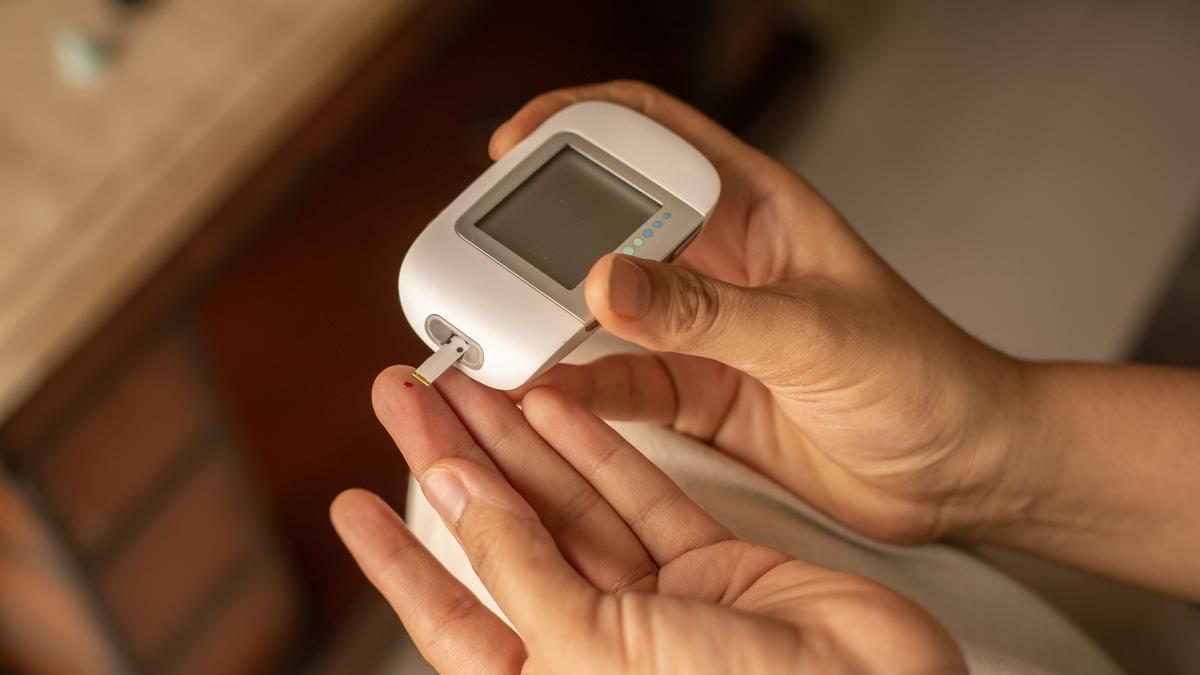
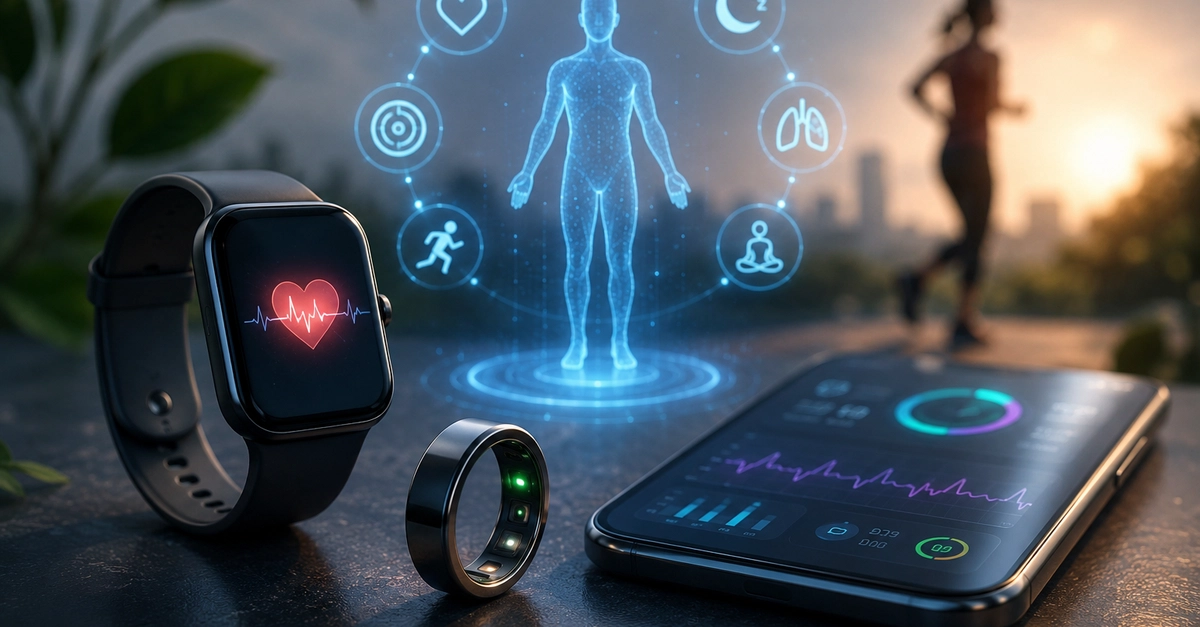
We have 101 million diabetics, 315 million with hypertension, and a healthcare system that meets most of them only after the damage is done. This is not a future crisis. It is a present emergency.There was a time when disease defined medicine. Frailty, failing vision, and even hearing loss were accepted as inevitable companions of ageing. But as India lives longer, a more urgent question confronts us: are we adding years to life, or disease to those years?Longevity without quality is not progress. It is a quiet compromise.India today stands at a decisive moment in its health journey. Our clinical capabilities have advanced dramatically. We can detect risk earlier, intervene faster, and treat with precision that was unimaginable a generation ago. Yet, our collective behaviour remains largely unchanged. We continue to wait for illness to announce itself.The finding, drawn from over 500,000 corporate health assessments in Apollo’s Health of the Nation Report 2026, says 8 in 10 corporate employees are overweight. Nearly half had pre-diabetes or diabetes. Their mean age was 38.This is the defining feature of India’s health emergency: it is largely invisible until it is not. Non-communicable diseases accumulate in silence, across years of unexamined blood sugar, unchecked blood pressure, and unaddressed lifestyle risk. In surveyed rural populations, 99.8 per cent reported inadequate fruit and vegetable intake, 91.1 per cent were physically inactive, and roughly 83 per cent consumed excess dietary salt. These are not fixed characteristics of the Indian peopleWhat we are witnessing is not a future crisis. It is a crisis already in motion. And yet, this is also India’s moment of greatest possibility.But unlike previous generations, we now understand that these conditions are largely preventable, often reversible, and almost always detectable early. The challenge, therefore, is not one of knowledge, but of design and a paradigm shift.What India needs now is a preventive healthcare mindset that moves from being advisory to becoming systemic. Screening must be continuous, not occasional. Health records must evolve into living, dynamic profiles that guide personalised interventions over time. And most importantly, individuals must be empowered to become active participants in their own health journey.This is where integrated care models—combining clinical expertise, digital monitoring, and personalised pathways—can redefine outcomes. Platforms like ProHealth are early examples of how predictive, continuous, and personalised care can be operationalised at scale.We now have, for the first time, the tools to change this at scale. The Ayushman Bharat Digital Mission has created 73.98 crore ABHA health IDs and linked 49.06 crore health records — the structural foundation of what could become the world’s largest longitudinal health database. Paired with AI-driven analytics, this infrastructure enables the identification of individuals at elevated risk of cardiovascular disease or specific cancers well before any symptoms appear.Predictive genomics, wearable biomonitoring, digital therapeutics — these are no longer aspirational technologies.The shift from episodic treatment to predictive, continuous, personalised care will not happen through a single policy announcement. It will happen through digital health records, community-level risk screening, and clinical protocols that treat prevention with the same rigour we have long reserved for cure.It will happen when employers treat workforce health as a productivity imperative rather than a wellness perk. It will happen when individuals understand that a health check at 32 is not hypochondria — it is the single most consequential investment they can make in everything that comes after.A nation that waits for illness has already, in a very real sense, surrendered to it. A nation that chooses prevention chooses its own future. We have spent forty years learning to fight disease. It is time we learned to protect health.The writer is Joint Managing Director – Apollo HospitalsPublished on June 1, 2026