For decades, healthcare has largely followed a reactive approach. Most people visit a doctor only after they notice symptoms, undergo tests, receive a diagnosis and begin treatment. While this model has saved countless lives, it often means problems are identified only after they have already started affecting our health.
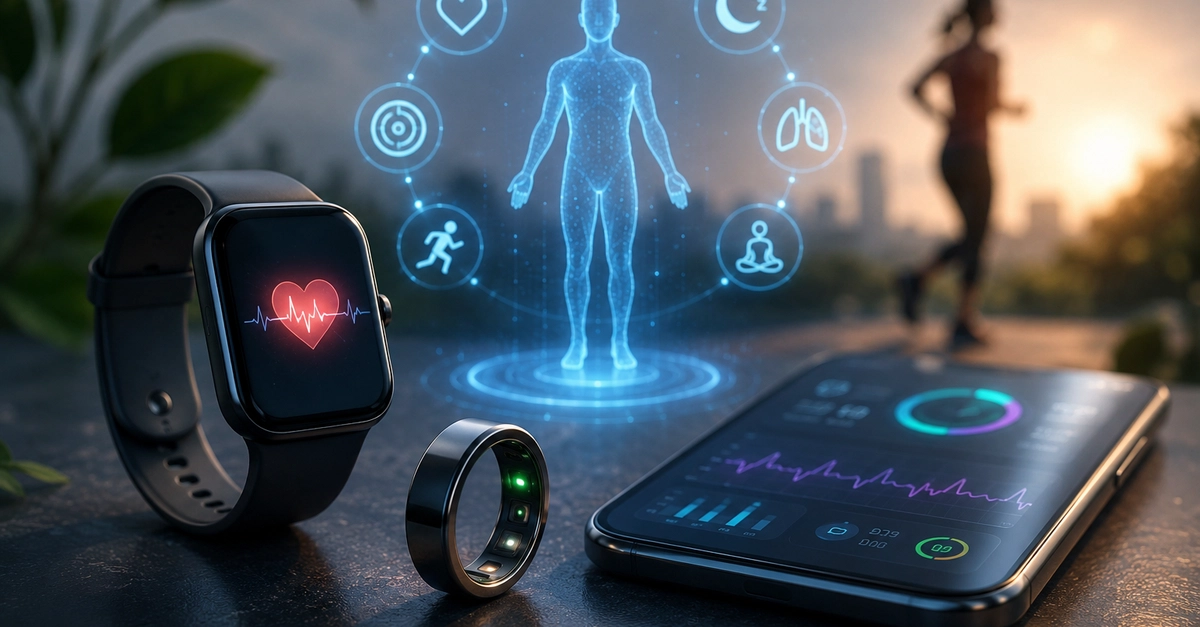
Consumer technology is beginning to change that. Today, millions of people wear smartwatches, smart rings and fitness bands that continuously monitor heart rate, sleep, blood oxygen, stress levels, activity, skin temperature and other physiological signals.
Individually, these numbers may not mean much. But when collected over weeks or months, they create a detailed picture of how our bodies change over time.
This shift is being driven by advances in wearable sensors, on-device AI and machine learning. Instead of simply recording health metrics, modern devices are learning to recognize patterns, detect subtle changes and encourage healthier habits before small issues become bigger problems.
That doesn't mean your smartwatch is replacing your doctor. Rather, consumer technology is evolving into an early warning system that supports preventive healthcare. According to the World Health Organization (WHO), prevention and early intervention remain among the most effective ways to improve long-term health outcomes and connected technologies are increasingly contributing to that goal.