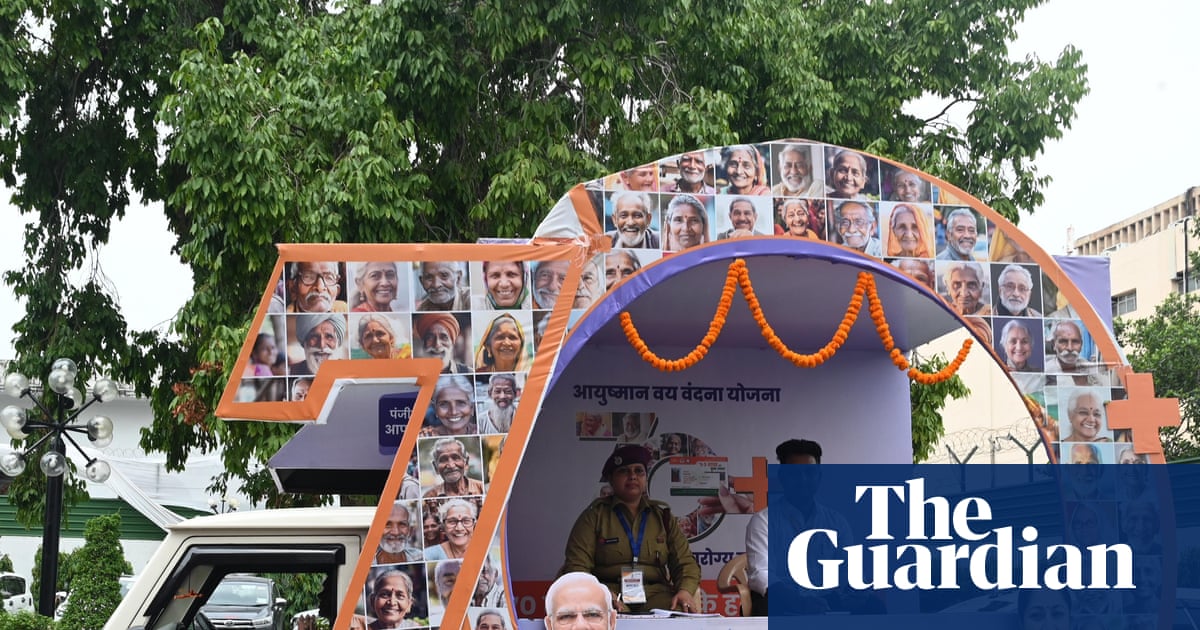
India’s health sector reforms over the past decade have positioned the country as a notable example in the global pursuit of Universal Health Coverage (UHC), offering a potentially scalable model for low- and middle-income countries across the Global South.At the heart of this transformation is the flagship health initiative, Ayushman Bharat, which integrates financial protection, strengthened primary healthcare, digital innovation, and pharmaceutical self-reliance into a comprehensive healthcare framework. Designed as a rights-based approach rather than a conventional welfare programme, Ayushman Bharat seeks to redefine healthcare as a public good and an essential entitlement. The initiative combines expanded access to primary healthcare services through Health and Wellness Centres with health insurance coverage for vulnerable populations, reducing the financial burden of medical treatment on millions of households.The reforms have also been supported by advances in digital health infrastructure, including the development of the Ayushman Bharat Digital Mission, which aims to create an integrated and interoperable healthcare system through digital health records and technology-driven service delivery.Alongside these efforts, India has strengthened domestic pharmaceutical production and healthcare supply chains, enhancing the availability and affordability of essential medicines while reinforcing national health security.Observers say the combination of large-scale public health coverage, digital innovation, and cost-effective healthcare delivery offers valuable lessons for other developing nations seeking to expand access to quality healthcare and advance progress toward Universal Health Coverage.PMJAY is the world’s largest government-funded health assurance scheme, providing free secondary and tertiary healthcare services of up to INR 500 000 per family per year in empanelled hospitals. The beneficiaries initially included 550 million India’s most vulnerable populations, but PMJAY was expanded in October 2024 to include around 60 million seniors aged 70 years and above, irrespective of their socio-economic status. At the same time, more than 150 000 primary healthcare facilities were upgraded into comprehensive care units that offer preventive, promotive, and primary healthcare services.India’s Pradhan Mantri Bhartiya Janaushadhi Pariyojana provides access to quality generic medicines at lower costs through Janaushadhi Kendras nationwide. National Digital Health Mission, also known as Ayushman Bharat Digital Mission, creates a unique health ID called Ayushman Bharat Health Account for every citizen for seamless access to medical records and improving healthcare delivery.
India’s health reforms emerge as model for Universal Health Coverage
India’s health sector reforms over the past decade have positioned the country as a notable example in the global pursuit of Universal Health Coverage...
361 words~2 min read