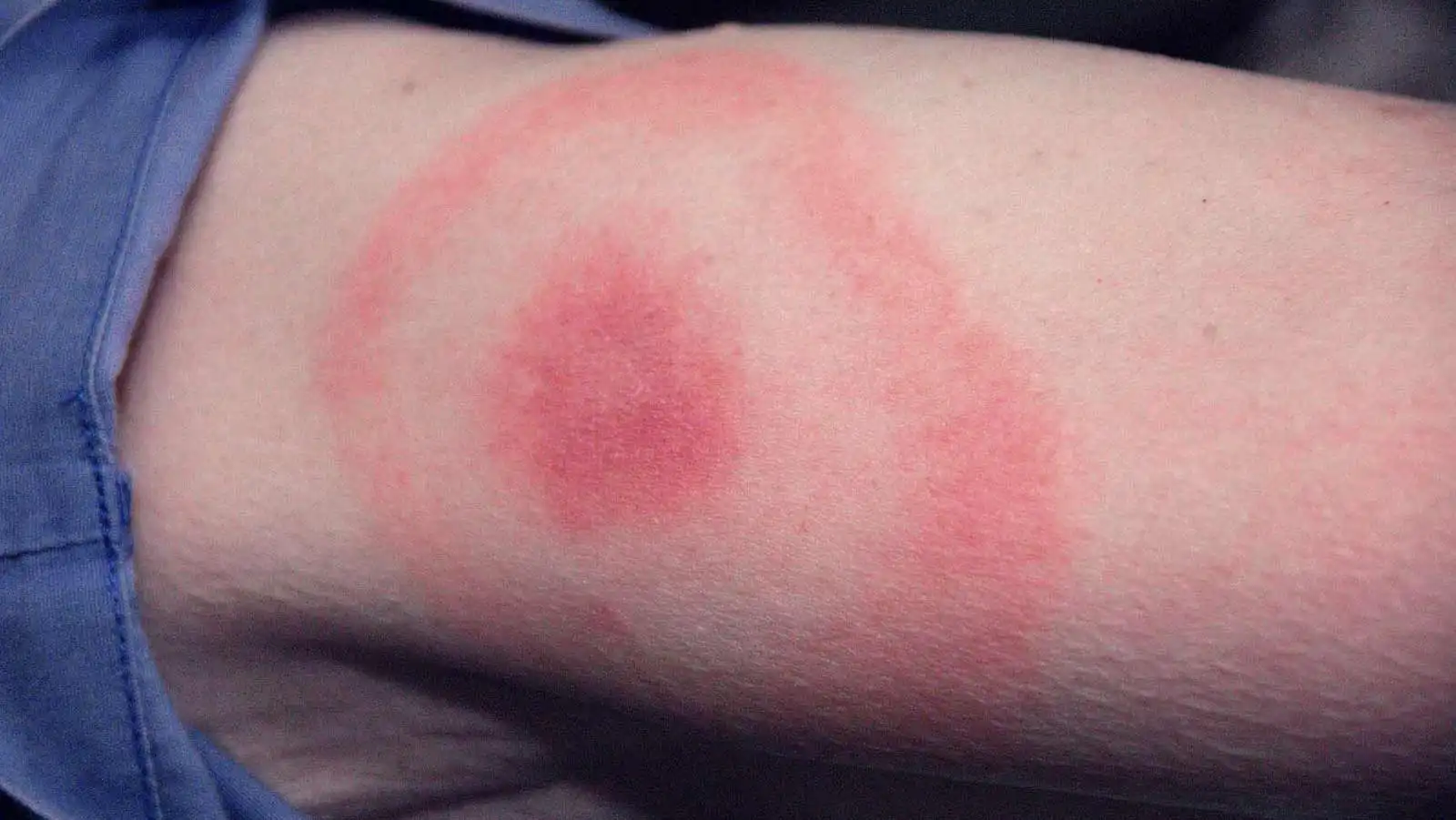
Recently, I've been in a Lyme state of mind.
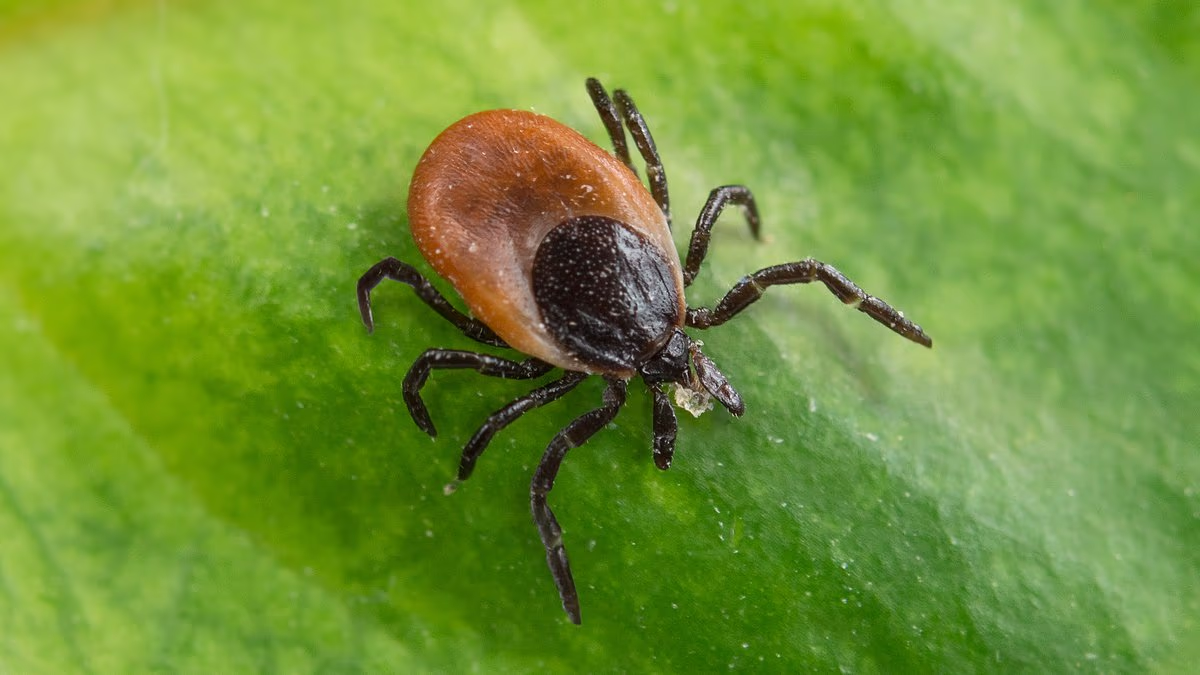
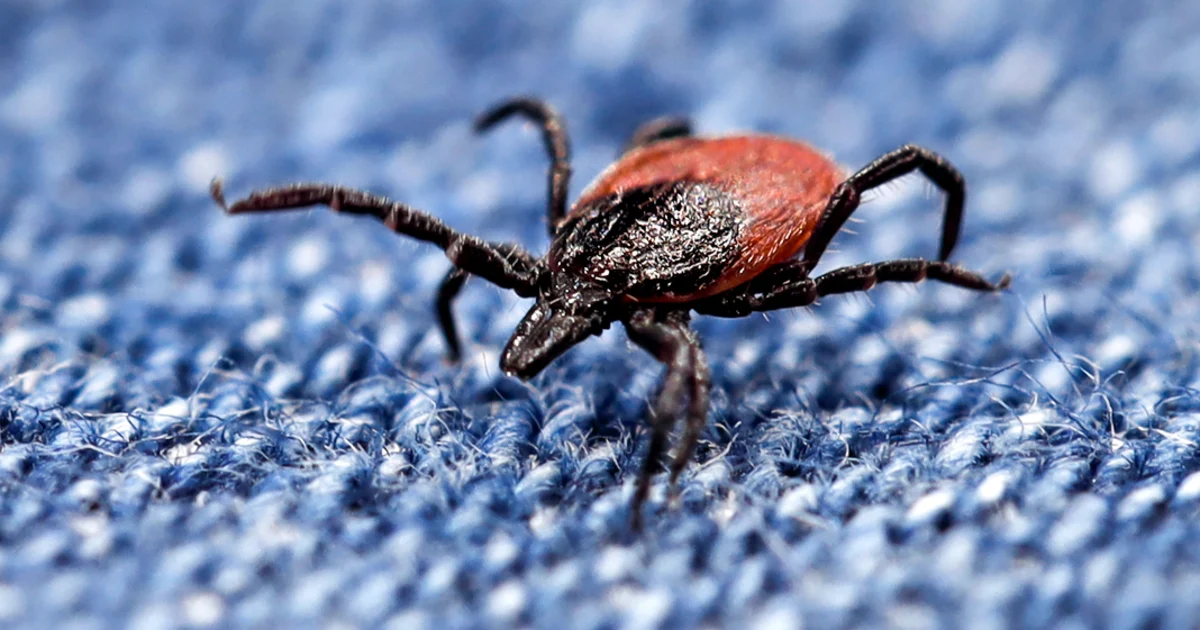
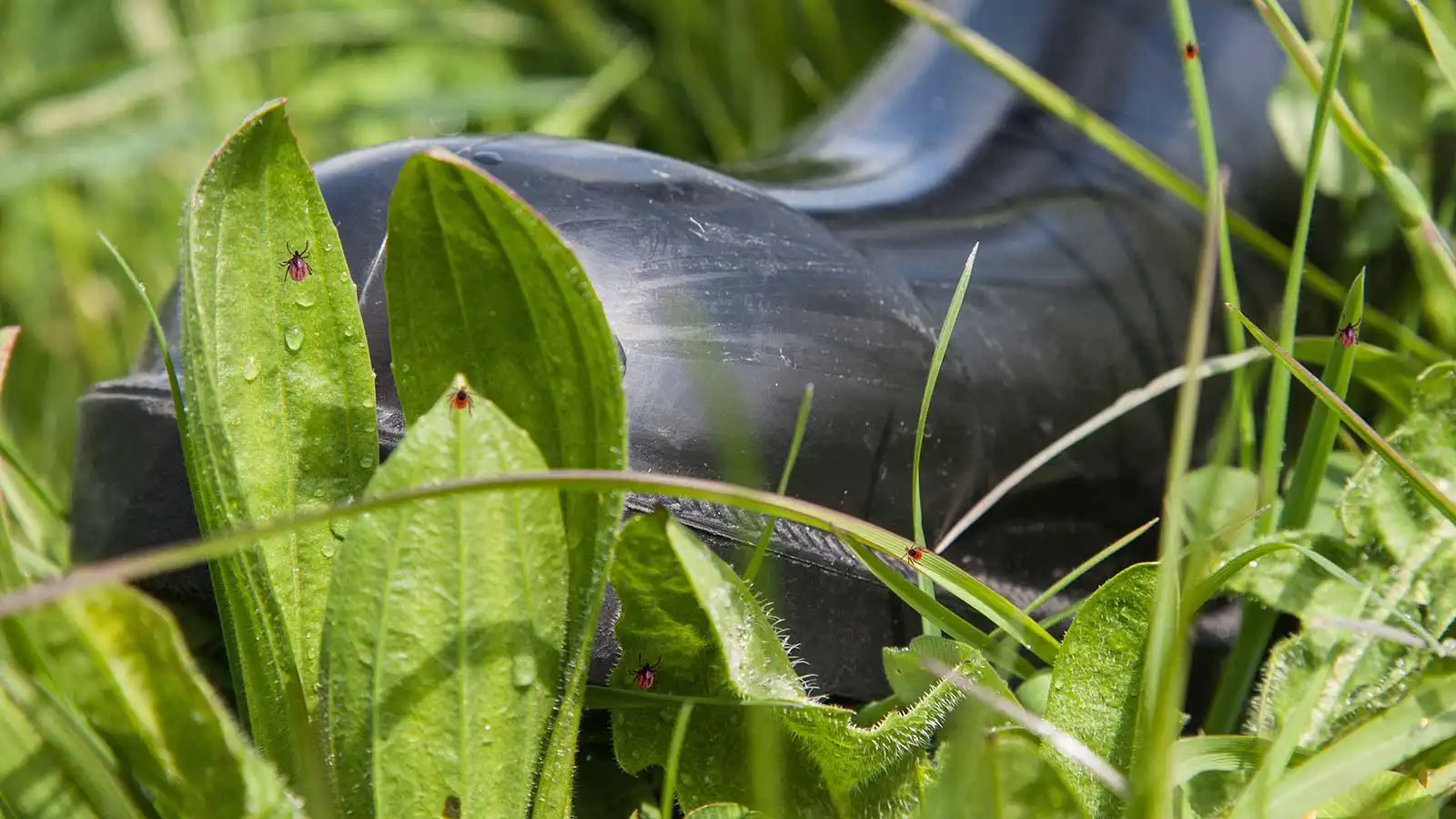
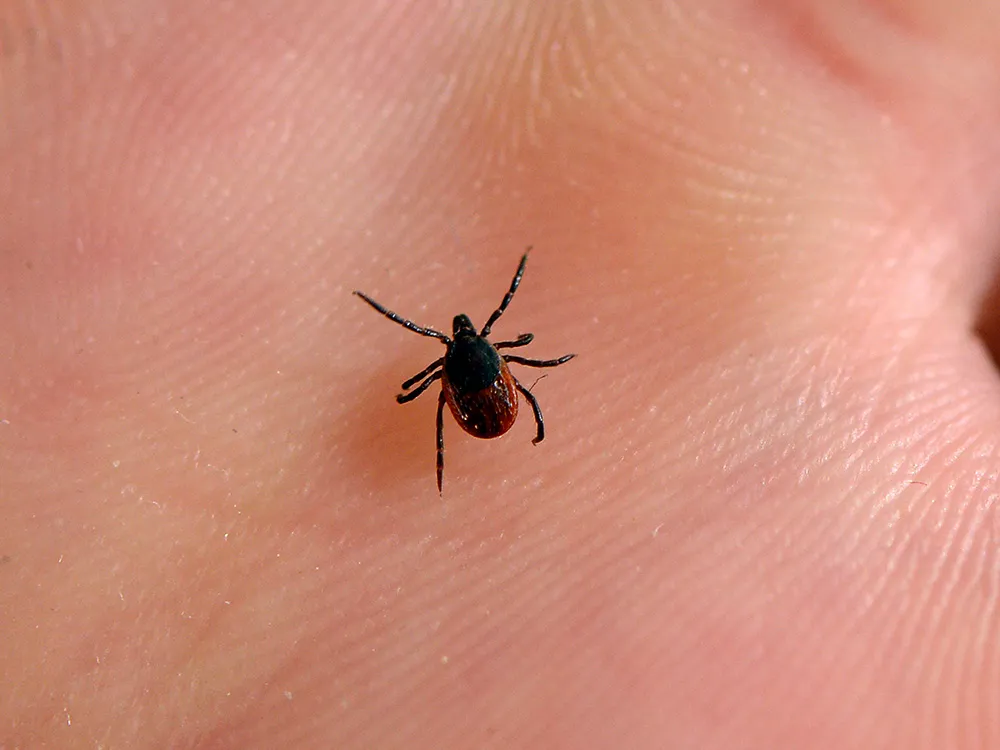
For one thing, as spring turns to summer, I can't help remembering the mysterious symptoms that, in 1975, roiled three small towns in Connecticut. They eventually led to an understanding of what we now know as the tick-borne blight called Lyme disease. Today, in those same wooded settings (and countless others), juvenile ticks continue to "quest" -- pierce skin, insert tubes, and slowly siphon human blood.
After attaching for 24 hours, some also inject spirochetes first identified in a landmark 1982 paper published in Science. Those spiral bacteria shown in electron micrographs of ticks' guts were later christened Borrelia burgdorferi (Bb).
Oh, happy nymphal ticks. In spring and summer, a single blood meal is all they need to become adults in autumn. And, oh, unhappy humans, especially now.
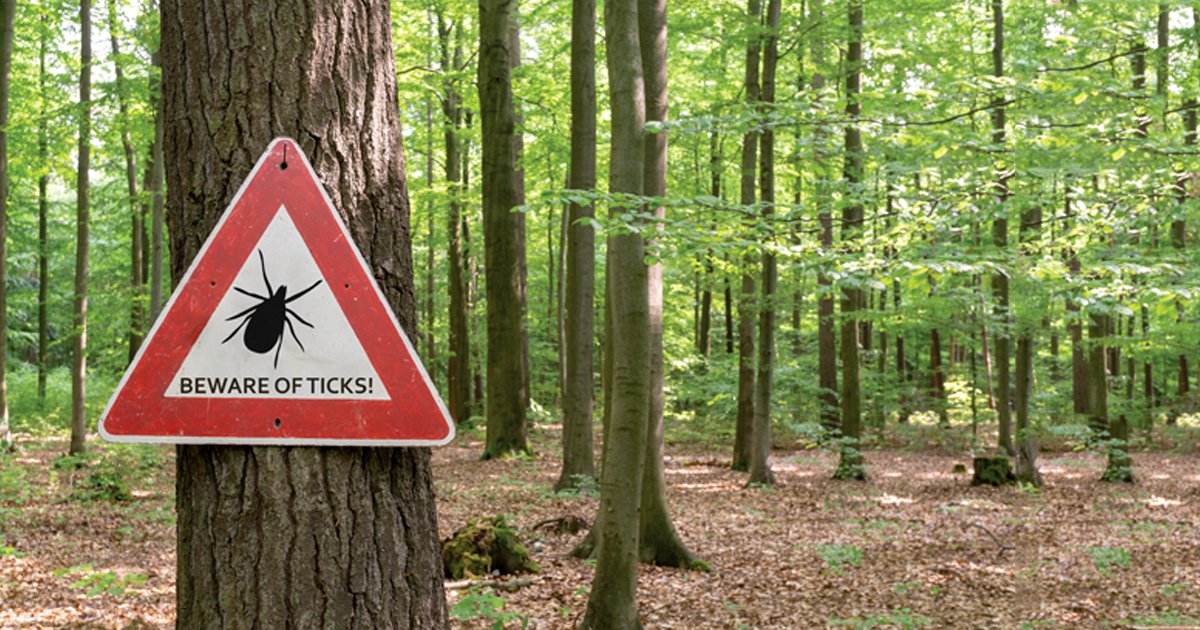
As early as April, the CDC declared this a banner year for ticks after U.S. hospitals logged the highest rates of tick bites leading to emergency department (ED) visits since 2017. Accordingly, in 2026, up to half a million people in the lower 48 states are likely to contract Lyme disease, although 90% of transmissions will still occur in the Northeast, mid-Atlantic, and upper Midwest.