A rare form of Lyme disease is making inroads into the United States. On Thursday, researchers and local health officials in New York detailed a case of Lyme caused by the bacterium Borrelia mayonii—the first ever detected in the state. Though the person was treated with antibiotics and made a full recovery, the discovery is a troubling sign of the pathogen’s spread, which was previously only found in the U.S. Midwest. “This study provides the first evidence of B. mayonii presence in New York ticks and locally acquired B. mayonii infection in a New York resident,” the authors wrote in their paper, published in the Morbidity and Mortality Weekly Report (MMWR), a journal run by the Centers for Disease Control and Prevention. A different type of Lyme Lyme disease is caused by certain Borrelia bacteria, which are transmitted by various species of tick. The primary culprit behind Lyme in the U.S. is B. burgdorferi. In 2016, however, researchers at the Mayo Clinic in Minnesota discovered a new species that could trigger Lyme as well, which they named B. mayonii.
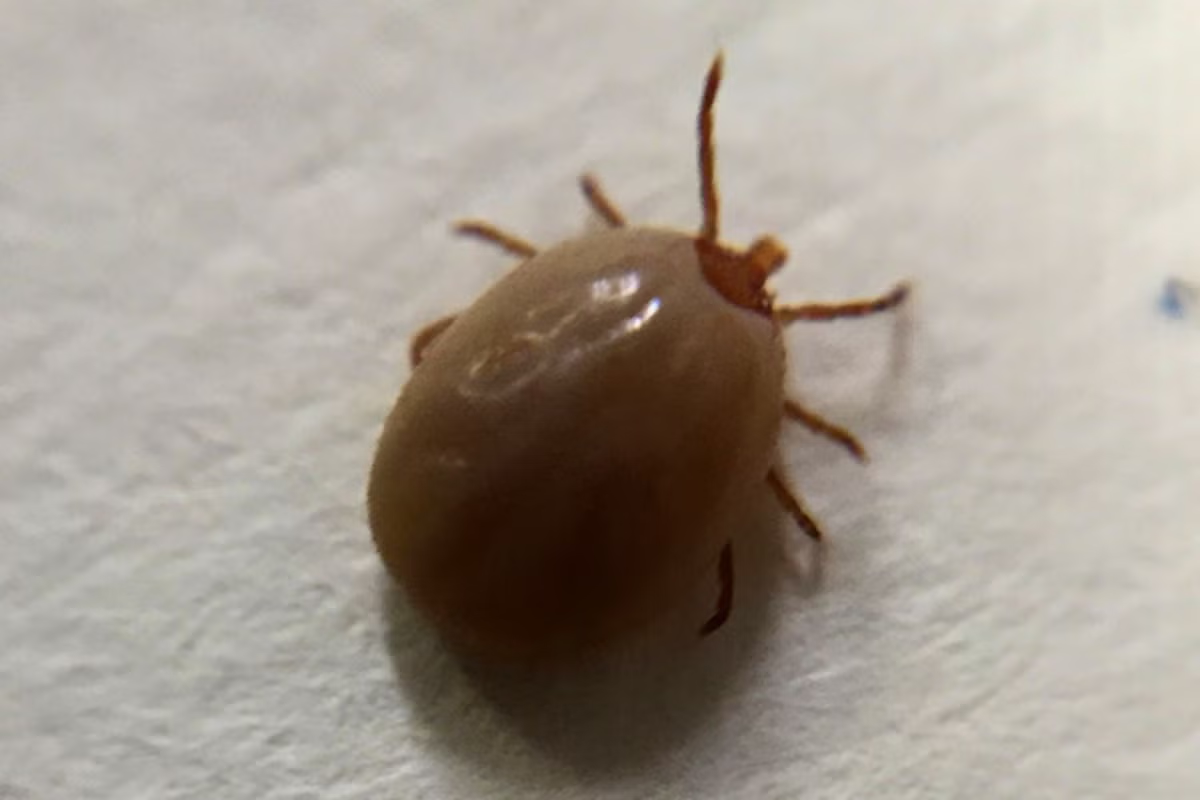
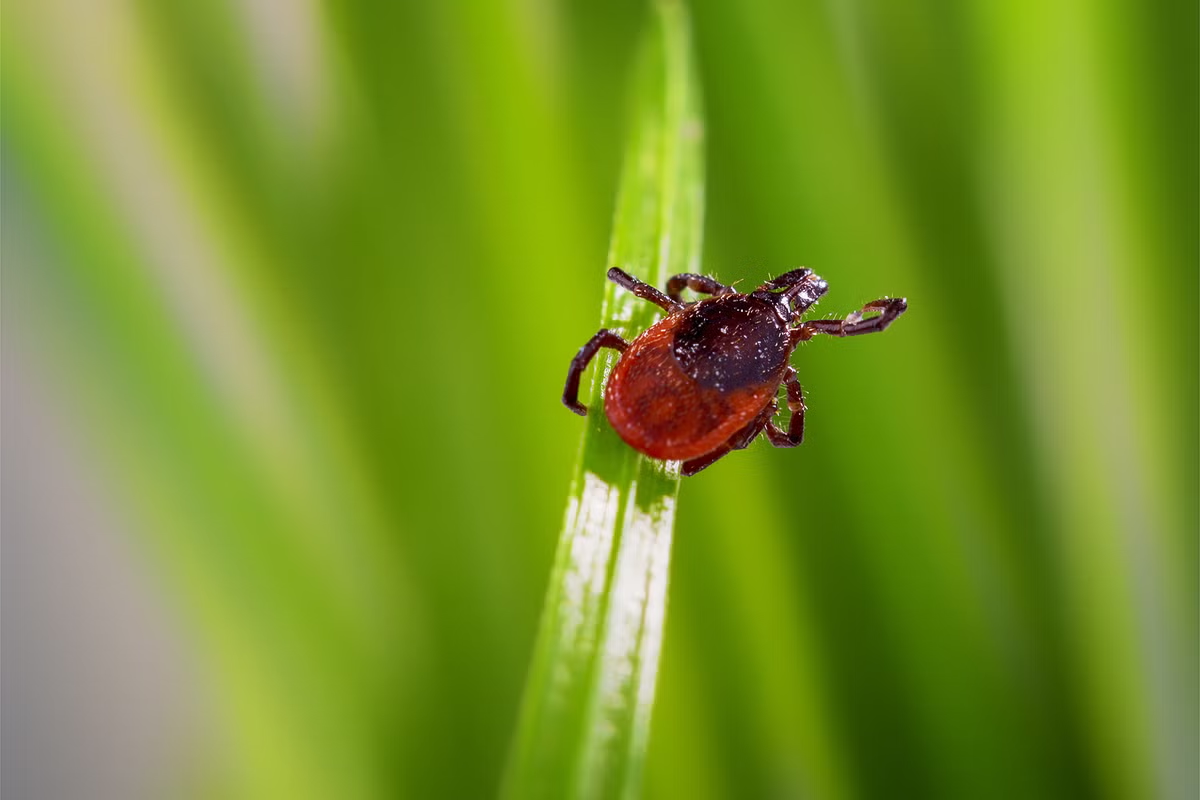
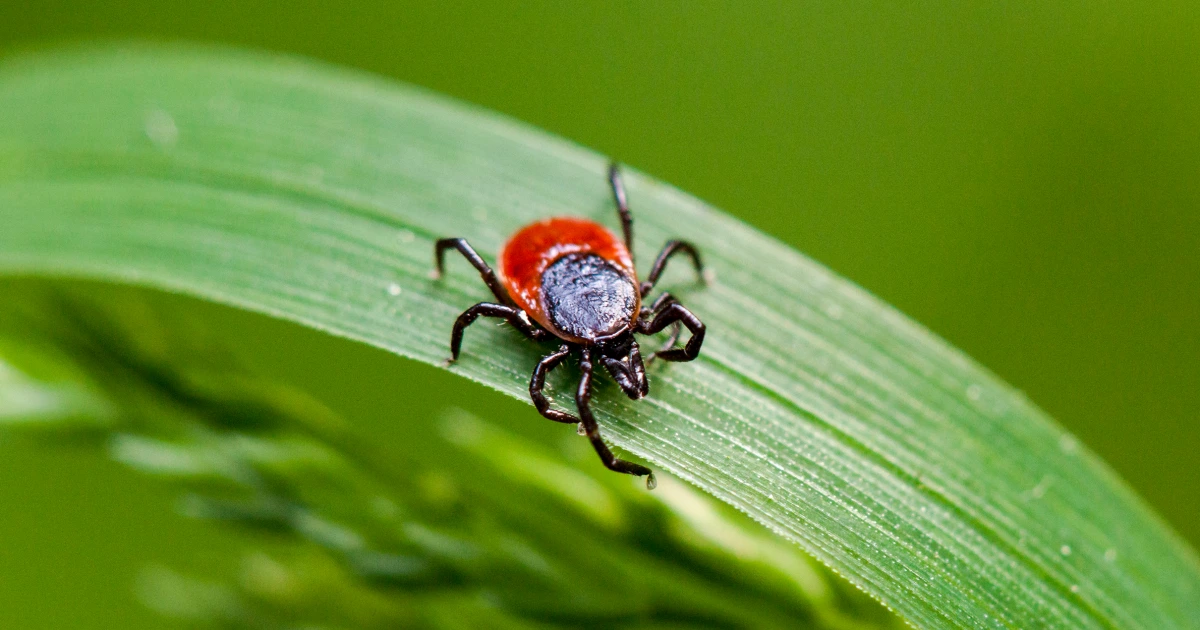
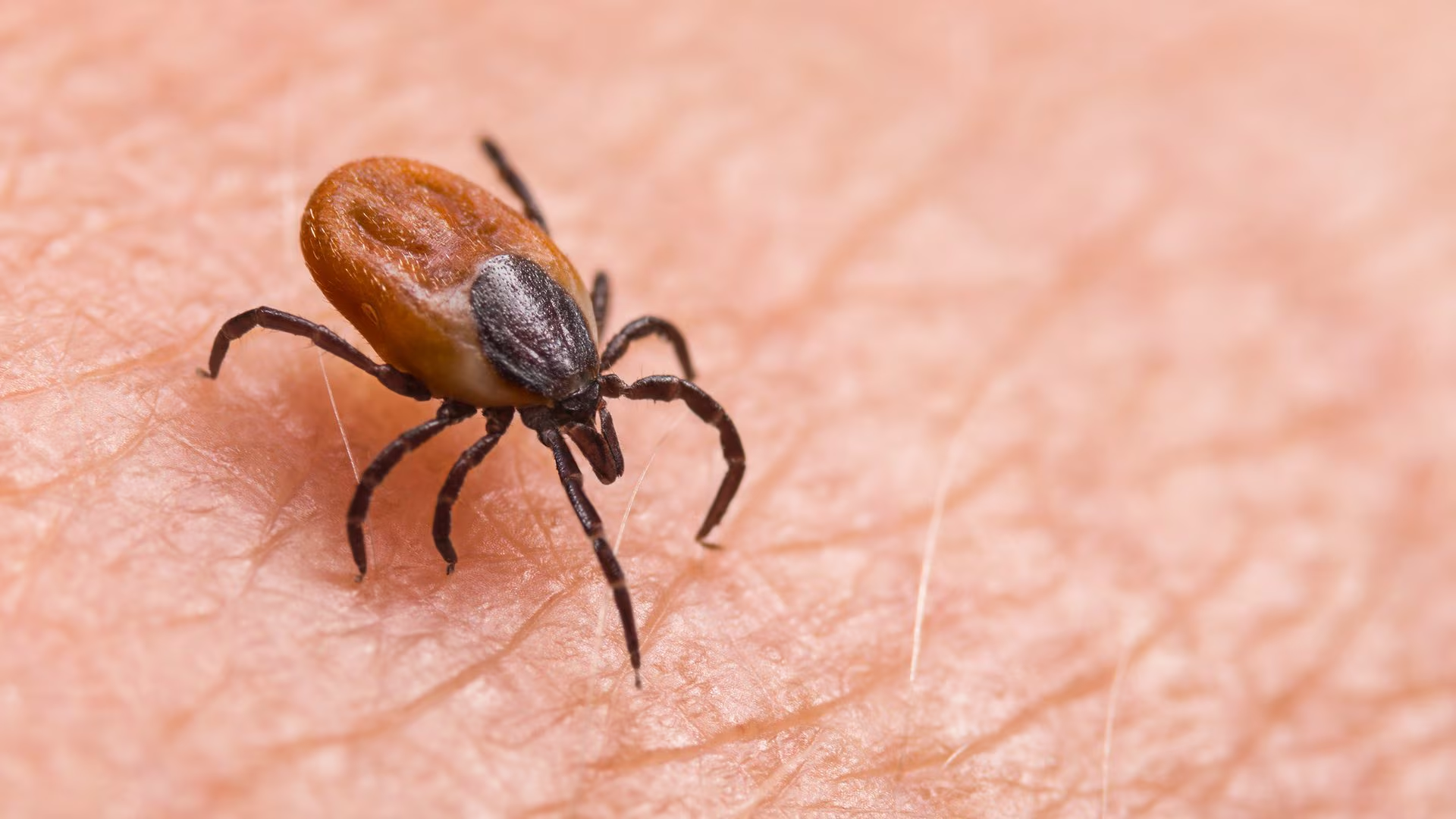
Both Borrelia species are typically spread by the bite of a blacklegged, or deer, tick (Ixodes scapularis) and respond to the same antibiotics, but there are differences in the symptoms they can cause. People with B. mayonii tend to experience rashes along their body, as opposed to the single bullseye-shaped rash at the bite site often seen with B. burgdorferi. They’re also more likely to have additional symptoms like nausea and vomiting and to have a higher concentration of B. mayonii in their blood, which may increase the risk of severe illness.