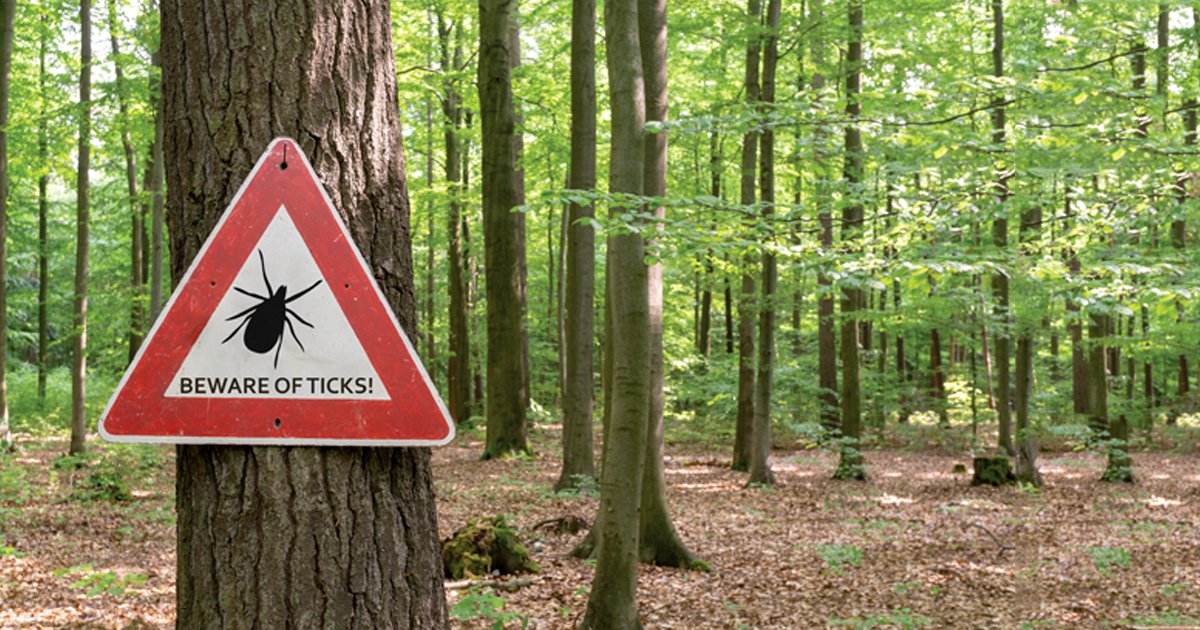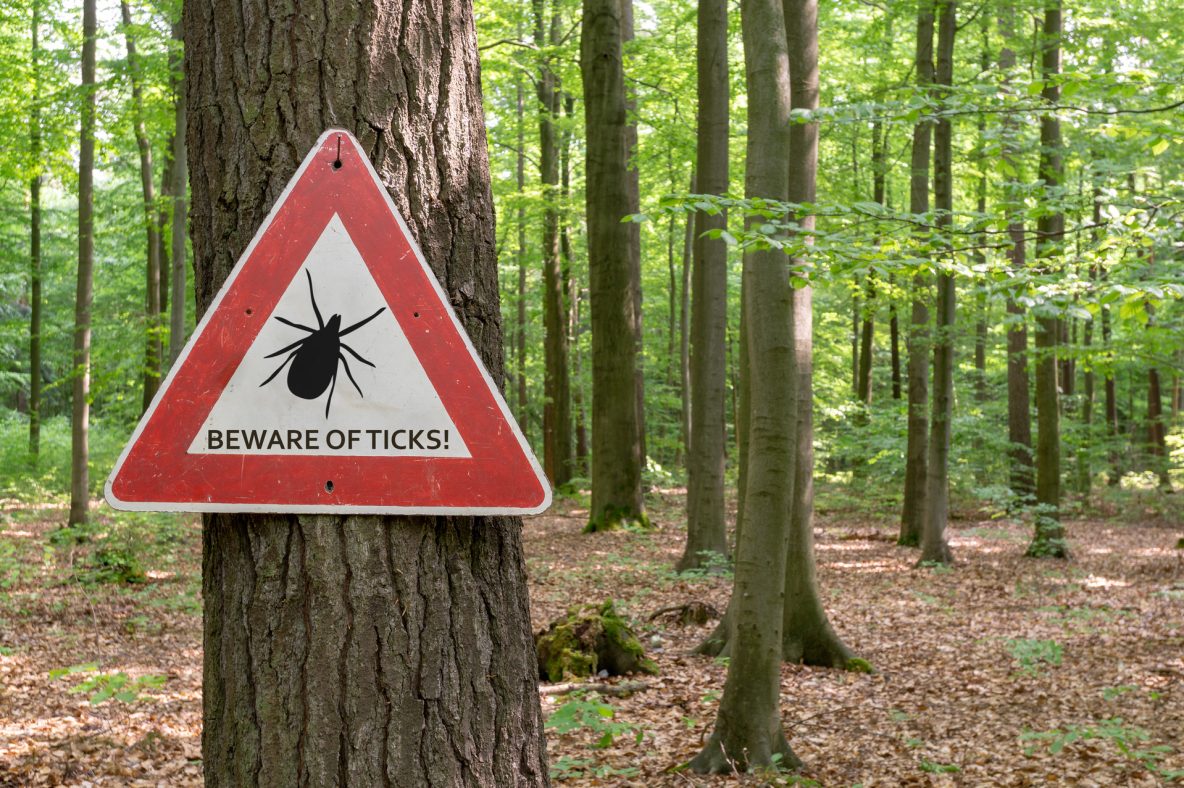
It’s tick season, possibly the worst in a decade.
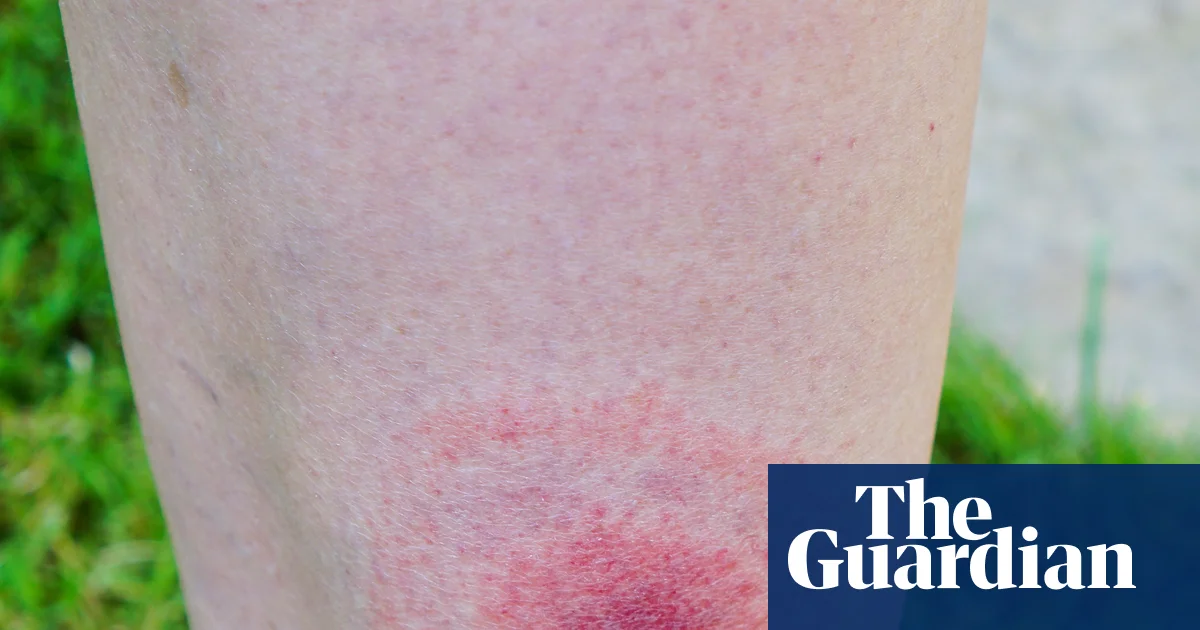
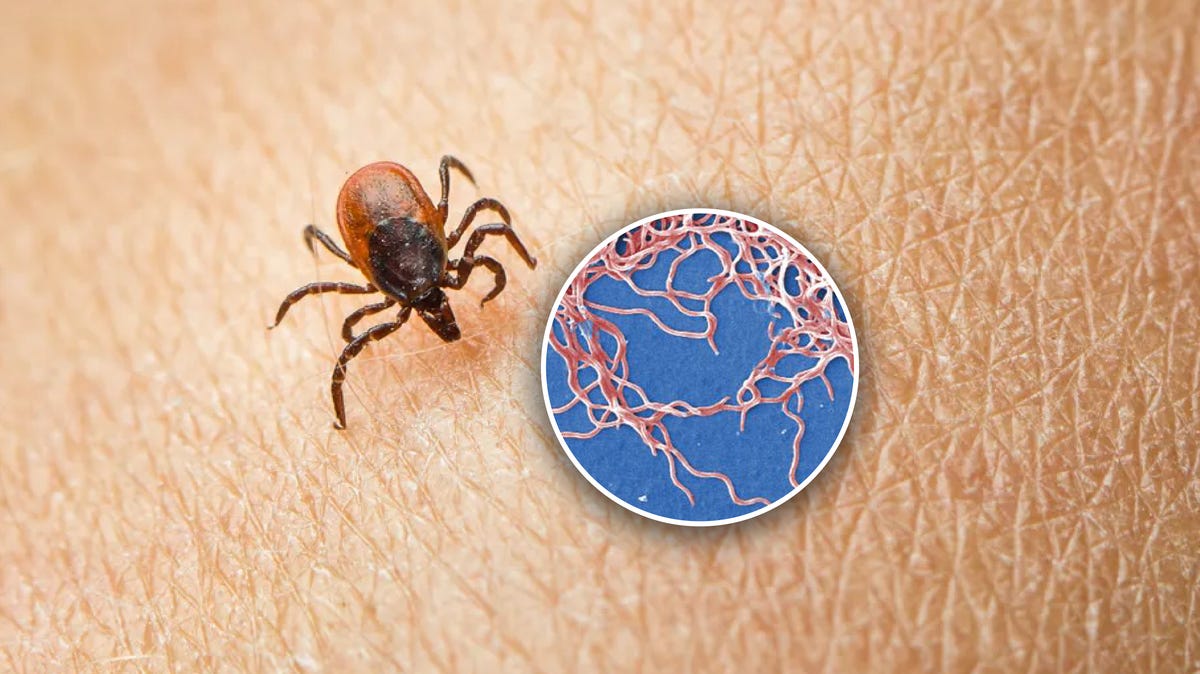
More and more Americans are being exposed to these parasites as climate change expands the range where they can survive. That means more people are also exposed to the bevy of health conditions they can cause, such as Rocky Mountain spotted fever, the alpha-gal-triggered red meat allergy, and, most common of all, Lyme disease.
For the latter, there may be some additional protection on the horizon. Pharmaceutical companies Pfizer and Valneva announced this spring they plan to seek regulatory approval for a vaccine to protect against Lyme disease. A previous vaccine for Lyme became available in the late 1990s but was pulled only three years later due to lawsuits, public fear of side effects, and a lack of interest.
It’s unclear whether this latest stab at a Lyme disease vaccine will get a warmer reception if it’s approved, especially in the postcovid era of vaccine skepticism.
For a sense of how it might go over with rural populations at high risk of Lyme, KFF Health News spoke with a group of hunters.