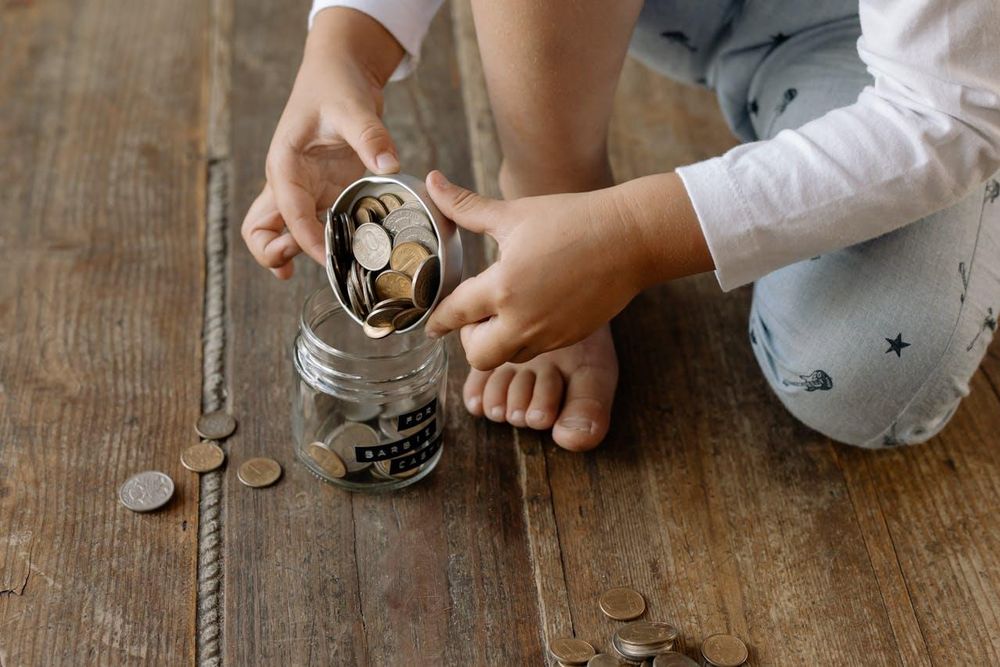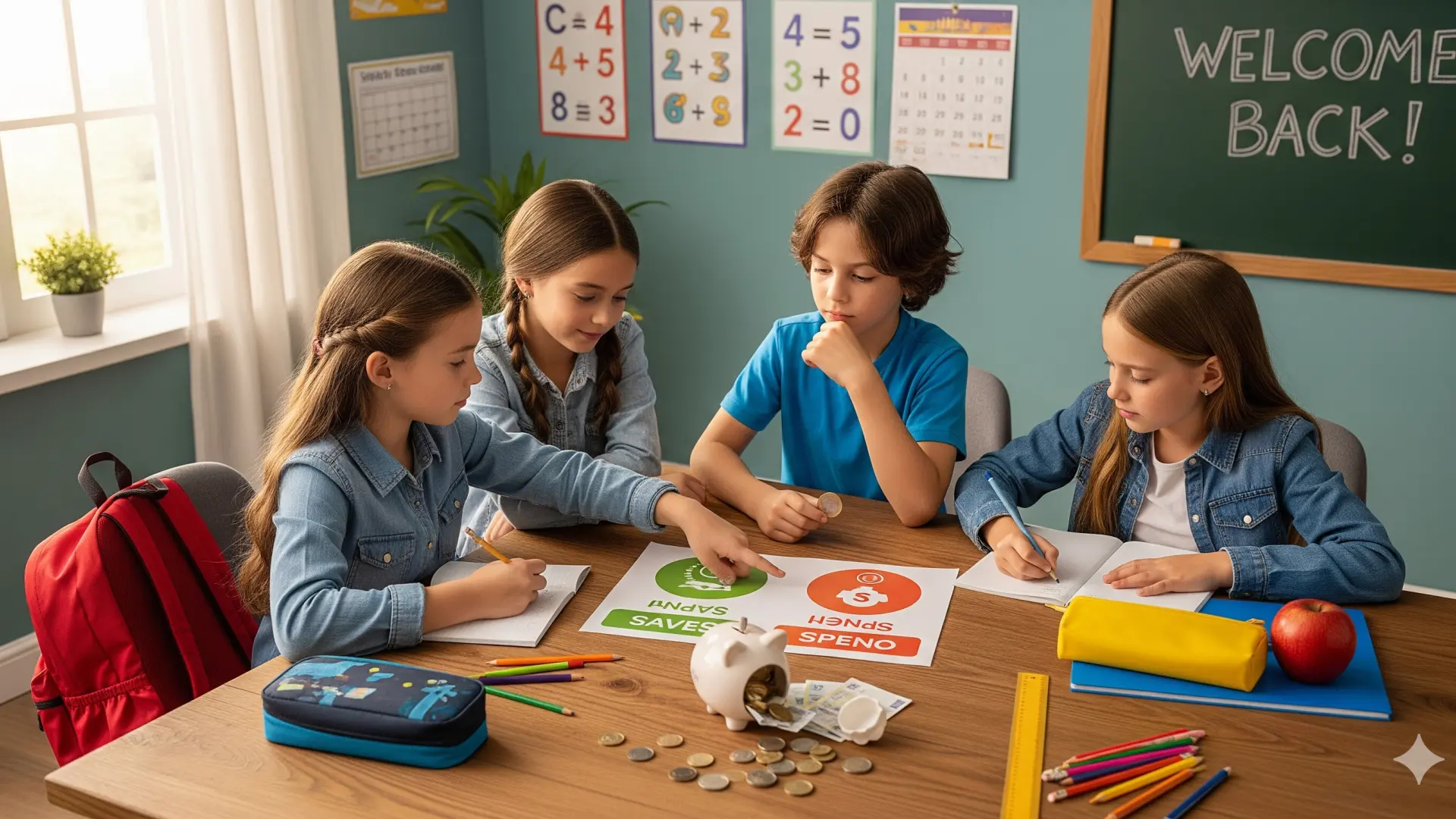
Want to make your kids financially smart? Here are simple money habits you can inculcate in them for a better financial future. Research from the University of Cambridge found that many core money habits are formed by the age of seven. Long before children understand investing or budgeting, they are already absorbing attitudes about spending, saving, patience, and value from the adults around them. And it makes you question – what can you do to teach kids the value of money and inculcate good financial habits in them? The good news? Financial literacy doesn't begin with complicated lessons. It begins with simple, everyday habits. In an interview with HT Lifestyle, Nehal Mota, co-founder of Finnovate, shared simple habits to teach kids the value of money.5 simple habits to teach kids the value of money. (Unsplash)Also read | Finance expert shares how much money you should have saved by 30, 40 and 50 to stay on track with long-term goals1. Using the three-jar systemNehal highlighted that instead of handing over pocket money without context, encourage children to divide it into three jars: one for spending, one for saving, and one for giving. This creates an early understanding that money has multiple purposes and not every rupee is meant to be spent immediately.2. Turn grocery shopping into a wants vs. needs game“The supermarket is one of the best classrooms for money education,” said Nehal. Ask children to identify which items are necessities and which are wants. Over time, they learn that every purchase involves a choice, a skill that remains valuable well into adulthood.The supermarket is one of the best classrooms for money education. (Unsplash)3. Practice the 24-hour pause ruleWhen kids ask for a toy, game, or treat, introduce a waiting period before buying it. This small habit strengthens delayed gratification and reduces impulsive decision-making. Research consistently links delayed gratification with better financial outcomes later in life.4. Teach them to compare prices“Encourage children to compare prices when shopping, whether online or in a store. Show them how similar products can have different costs and discuss why,” recommends Nehal. This simple habit helps children become thoughtful consumers and understand the importance of making informed spending decisions.Use a transparent savings jar or a visual progress chart for a goal they care about. (Unsplash)5. Make saving visibleAbstract concepts are difficult for children to grasp. Use a transparent savings jar or a visual progress chart for a goal they care about. Watching savings grow over time makes patience feel rewarding and helps children experience the satisfaction of working toward something meaningful.Parents often worry about teaching investment concepts or financial products. In reality, the most powerful money lessons are behavioral. “Financial literacy is rarely built through one big conversation. It is built through hundreds of small moments. Those moments can shape not only future wealth, but also confidence, responsibility, and the emotional security that families hope to pass from one generation to the next,” concluded Nehal.Anukriti Srivastava thrives at the intersection of words and voice, where journalism meets storytelling. A digital editor and journalist with over 5 years of experience, she has written across lifestyle, women issues, relationships, entertainment, fashion, and travel. She did her Masters in Broadcast Journalism and has published more than 500+ lifestyle content pieces across platforms.
From pocket money to saving jars: Finance expert shares 5 simple habits to teach kids the value of money
Want to make your kids financially smart? Here are simple money habits you can inculcate in them for a better financial future.
690 words~3 min read