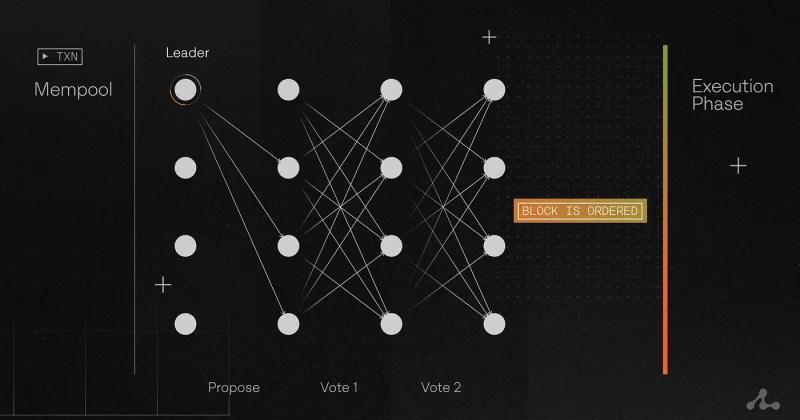
In decentralized finance, the mempool is a transparent auction house. Every pending transaction broadcasts its intent, allowing sophisticated actors to observe and exploit price movements before they settle. This transparency creates a class of attacks known collectively as MEV (Maximal Extractable Value) exploits, among which the sandwich attack remains one of the most mechanically elegant—and damaging—strategies. Immute addresses this attack vector directly through a per-address buy-lock mechanism implemented at the smart contract level. This article dissects how that mechanism works, why it prevents same-block sandwich attempts, and how builders can verify its behavior on the current Sepolia testnet deployment before mainnet launch.
Understanding the Sandwich Attack Vector
A sandwich attack exploits the sequential execution of transactions within a single block. The attacker monitors the mempool for a large pending trade—typically a swap on an AMM or a bonding curve interaction. When detected, the attacker positions two transactions around the victim's trade: a front-run buy that inflates the asset price, and a back-run sell that captures the spread once the victim's order executes [3][4].