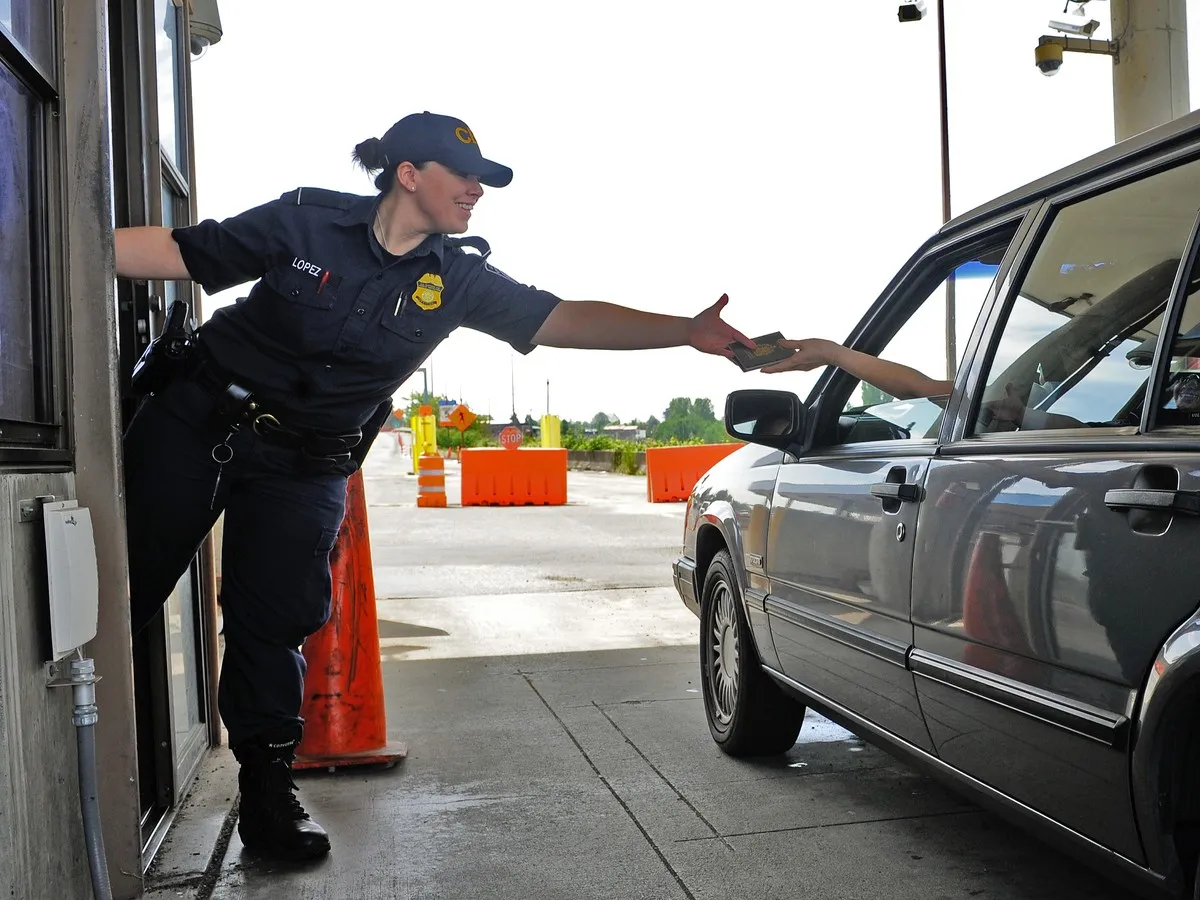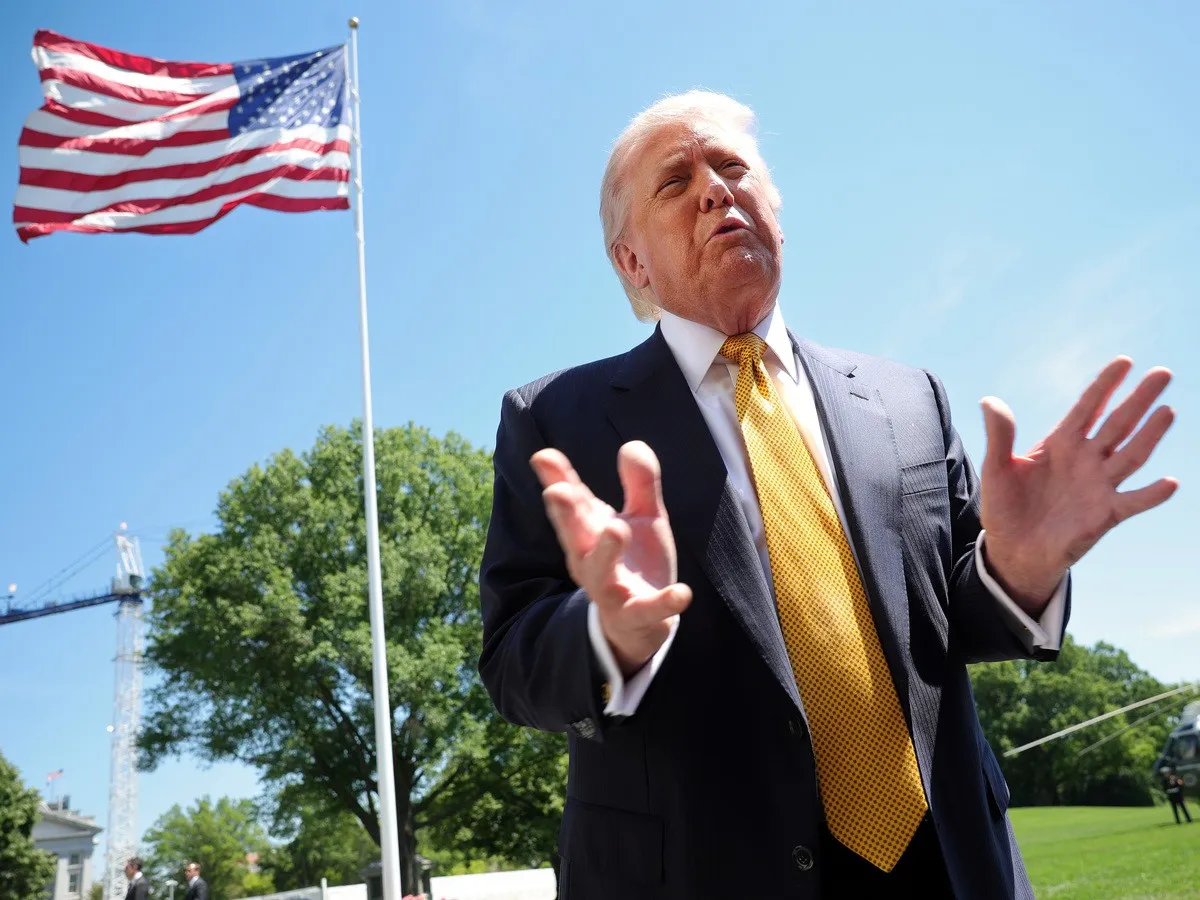
Skip to Content Subscribe Our Offers My Account Manage My Subscriptions FAQ Newsletters Canada Canadian True Crime Canadian Politics Health World Israel & Middle East Financial Post NP Comment Longreads Puzzmo Diversions Comics NP News Quiz New York Times Crossword Horoscopes Life Eating & Drinking Style Sponsored Play for Ontario Travel Travel Canada Travel USA Travel International Cruises Travel Essentials Culture Books Celebrity Movies Music Theatre Television Business Essentials Advice Lives Told Tails Told Shopping Buy Canadian Home Living Outdoor Living Kitchen & Dining Tech Style & Beauty Personal Care Entertainment & Hobbies Gift Guide Travel Guide Amazon Prime Day Deals Savings National Post Store More Sports Hockey Baseball Basketball Football Soccer Golf Tennis Driving Vehicle Research Reviews News Gear Guide Obituaries Place an Obituary Place an In Memoriam Classifieds Place an Ad Celebrations Working Business Ads Archives Healthing Epaper Manage Print Subscription Profile Settings My Subscriptions Saved Articles My Offers Newsletters Customer Service FAQ Newsletters Canada World Financial Post NP Comment Longreads Puzzmo Diversions Life Shopping Epaper Manage Print Subscription HomeNewsCanadaWorldJuly festivities decline in border towns, with U.S.-Canada ties still strainedNorth of the border, tourism has been less affected by geopolitics, with Americans still crossing the border in many regions You can save this article by registering for free here. Or sign-in if you have an account.U.S. President Donald Trump speaks in front of the American flag to the press as he departs the White House on May 12, 2026 in Washington, DC. Photo by Kevin Dietsch /Getty ImagesWASHINGTON, D.C. — Barbecues, fireworks, and parades — all signs of July.Enjoy the latest local, national and international news.Exclusive articles by Conrad Black, Barbara Kay and others. Plus, special edition NP Platformed and First Reading newsletters and virtual events.Unlimited online access to National Post.National Post ePaper, an electronic replica of the print edition to view on any device, share and comment on.Daily puzzles including the New York Times Crossword.Support local journalism.Enjoy the latest local, national and international news.Exclusive articles by Conrad Black, Barbara Kay and others. Plus, special edition NP Platformed and First Reading newsletters and virtual events.Unlimited online access to National Post.National Post ePaper, an electronic replica of the print edition to view on any device, share and comment on.Daily puzzles including the New York Times Crossword.Support local journalism.Create an account or sign in to continue with your reading experience.Access articles from across Canada with one account.Share your thoughts and join the conversation in the comments.Enjoy additional articles per month.Get email updates from your favourite authors.Create an account or sign in to continue with your reading experience.Access articles from across Canada with one accountShare your thoughts and join the conversation in the commentsEnjoy additional articles per monthGet email updates from your favourite authorsSign In or Create an AccountorFor towns and cities on both sides of the border, these celebrations have long focused on their own national holiday, while nodding to the other’s as a way of drawing crowds.This year, Canada Day and Fourth of July events are still happening, but trade tensions sparked by President Donald Trump’s tariffs and “51st state” rhetoric have created a more wary political and economic climate, with far less Canadian travel to the United States.“We used to do a tremendous amount of active marketing in Toronto,” said Erie County Executive Mark Poloncarz. “Then we ran into problems when President Trump attacked Canada … so we cut back on our marketing in Canada.”Get a dash of perspective along with the trending news of the day in a very readable format.By signing up you consent to receive the above newsletter from Postmedia Network Inc.A welcome email is on its way. If you don't see it, please check your junk folder.The next issue of NP Posted will soon be in your inbox.We encountered an issue signing you up. Please try againPoloncarz cited a 13 per cent overall decline in Canadian visits to the Buffalo area.Chad Fifer, the Aquarium of Niagara’s CEO and president, said Canadian visitation to his facility dropped a whopping 50 per cent from 2024 to 2025, a decline that has largely continued.Artpark, in Lewiston, New York, normally relies on 15 per cent of its annual business coming from Canadians. But Dave Wedekindt, from Artpark, said, “Last season we saw that number drop by about 40 per cent.”North of the border, tourism has been less affected by geopolitics, with Americans still crossing the border in many regions.“We haven’t been as impacted,” said Katy Wassenaar, senior manager of public affairs for Niagara Parks in Ontario, noting just a 3 per cent decline for last year.So what was once an easy expression of binational goodwill now lands in a more politically charged atmosphere.In the U.S., organizers are leaning harder into American attendees, reaching out to other domestic regions with their marketing to replace the Canadian tourism dollars they lost. Canadian planners, meanwhile, are mostly focusing on Canadian celebrations but offering cross-border hospitality. Some binational symbolism still appears, but it is no longer the prevailing theme.Blaine, Washington, for example, will be holding its usual July 4th parade, car show, and fireworks, but it has no major plans or money for marking the 250th anniversary of the country. And while Canadians have long been a part of the July 4 celebratory crowd, fewer are coming these days, says Mayor Mary Lou Steward.“It’s gonna be muted considering it’s 250 years,” Steward said.“We’re all struggling,” she added, referring to inflationary pressures, “and therefore there isn’t going to be a lot of money put out on celebrations per se.”Across the border, in White Rock, B.C., the city is holding its annual Canada Day by the Bay programming, advertising it as a regional waterfront festival that people from either side of the border can attend.B.C. has seen a smaller drop in U.S. visitors than Blaine has seen in Canadian visitors. Southbound Canadian crossings into Blaine fell about 35 per cent, while northbound U.S. traffic was down roughly 7 to 11 per cent, according to government and border-data sources.The Niagara Parks’ Two Nation Celebration is holding its regular fireworks display, which is set off from the Canadian side and highlights red-and-white illumination for Canada Day and red-white-and-blue for July 4, with synchronized music on both sides of the border. A binational Illumination Board helps coordinate this, but apart from that, there is little by way of joint programming or marketing between the two sides.The Canadian side, according to Adam Stiles, PR director for Niagara Falls Tourism, Ontario, is marketing its events heavily to Americans.“We spend roughly more than a third of our marketing budget in the U.S.,” said Stiles.But his American counterparts are not doing the same sort of cross-border advertising.“We do a little bit of marketing in Canada,” said Sara Cercone, communications director for Destination Niagara USA. “But considering we share a border and people have access to the falls on that side as well, it’s not as much of a focus.”“Our major markets for attracting visitors are the domestic drive market.”Poloncarz explained how Erie’s marketing has been redirected away from Canada.“We reduced the marketing for tourism in Southern Ontario, but we also increased marketing for tourism in Boston and Chicago,” he said.Wedekindt pointed to another reason for less marketing to Canada: He said Artpark scaled back on its online ads because they were being overwhelmed by political discourse unrelated to his venue.In Sackets Harbor, NY, a festival dating back to 1971 has a binational approach built into its name: the Can-Am Festival.Held in mid-July, the festival celebrates the friendship between Sackets Harbor and Canada, says organizer Brenda Jock-Derouin.This year, the festival is expanding to a Friday, making it a three-day event with bands, vendors, kids’ activities, a parade, fireworks, and a battlefield concert.Jock-Derouin noted that online advertising last year led to some unfortunate responses from Canada, such as: “‘Why would I come there, you guys … dislike us,”’ but that she’s still hoping to do some Canadian outreach.“We’re going ahead with it no matter what, whether they come or not,” she said.“We hope that they would join us. They’re welcome to join us, but like I said, each to their own.”Jennifer Bettis, research and program manager at the Border Policy Research Institute at Western Washington University, said that, in her Cascade Gateway region, B.C.-plated vehicles entering the U.S. were still down more than 30 per cent this spring compared to 2024, but they were up slightly in May.“The numbers are stabilizing a little bit,” she said, noting how “Canadian travel into the U.S. is very modestly increasing for the first time.”“We’re recovering, but we’re still lower than what we were when this drop first started,” Bettis added.And officials and planners in U.S. border towns are starting to see a difference, but they remain sceptical of a breakthrough.“We are seeing more Canadian cars coming down on the weekends,” said Blaine’s Mayor Steward.“I don’t think they’re necessarily coming to stay,” she added.National PostOur website is the place for the latest breaking news, exclusive scoops, longreads and provocative commentary. Please bookmark nationalpost.com and sign up for our newsletters here. Join the Conversation This website uses cookies to personalize your content (including ads), and allows us to analyze our traffic. Read more about cookies here. By continuing to use our site, you agree to our Terms of Use and Privacy Policy.
July festivities decline in border towns, with U.S.-Canada ties still strained
Border areas mark July celebrations amid Canada-U.S. tensions and reduced cross-border travel, while hoping for a rebound.
1,544 words~7 min read