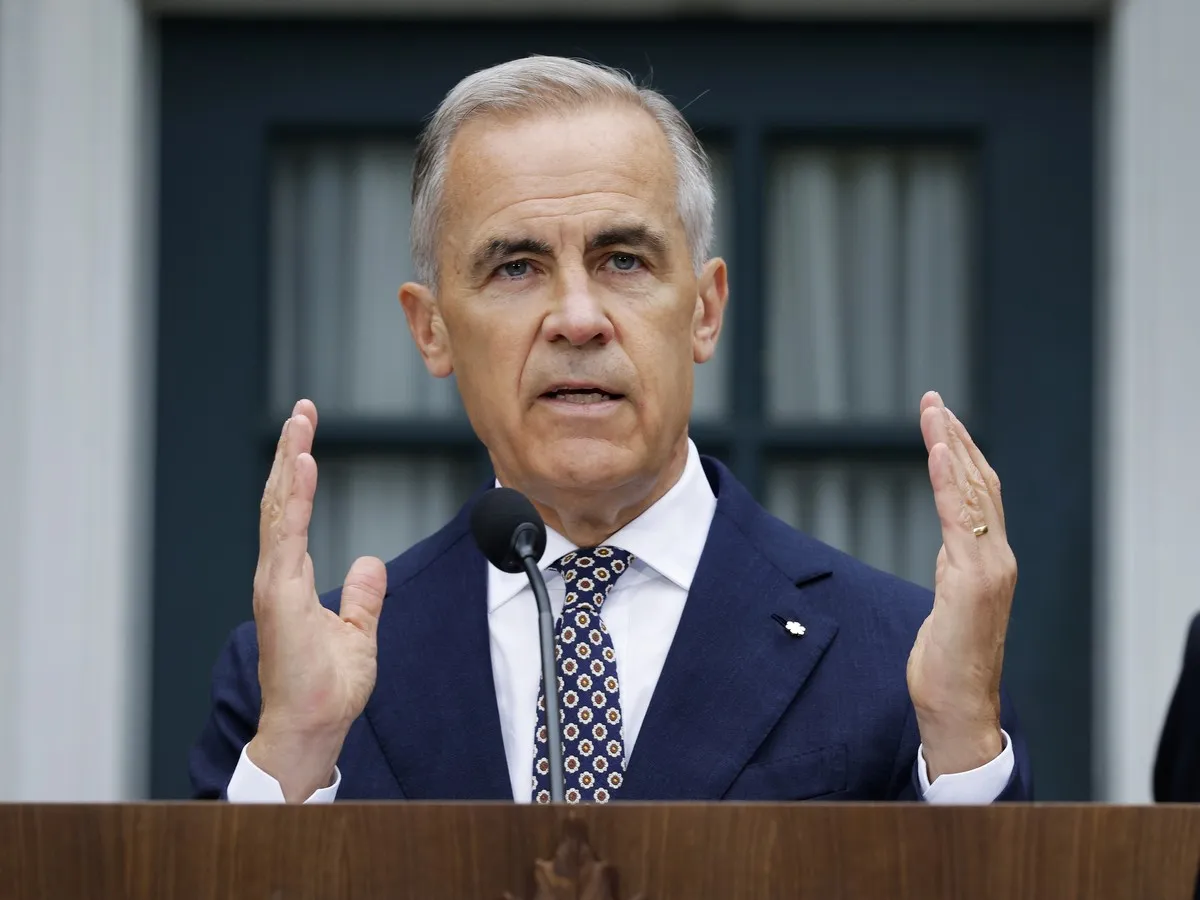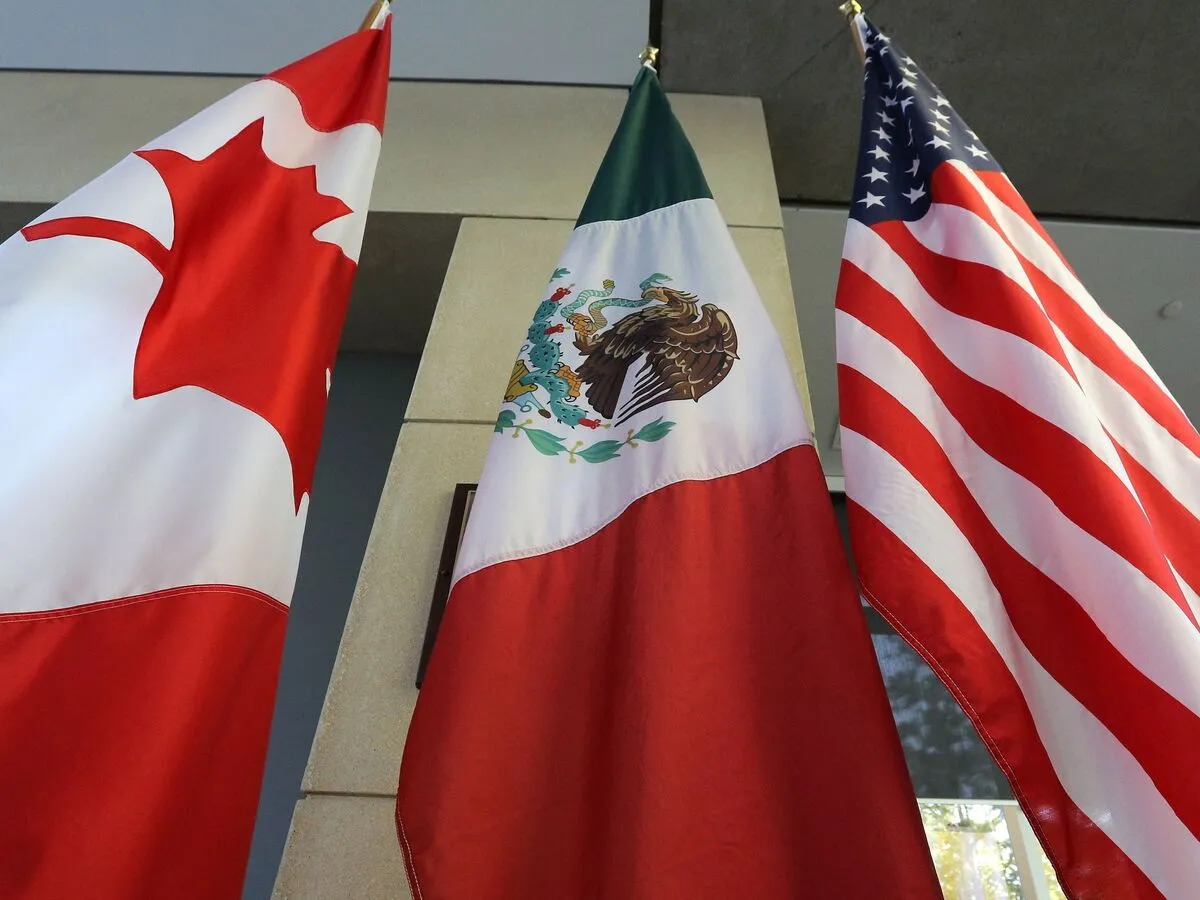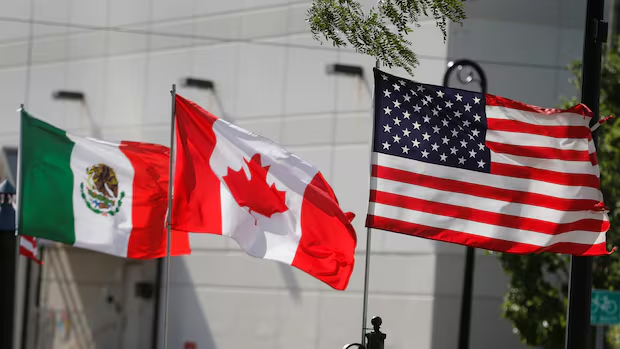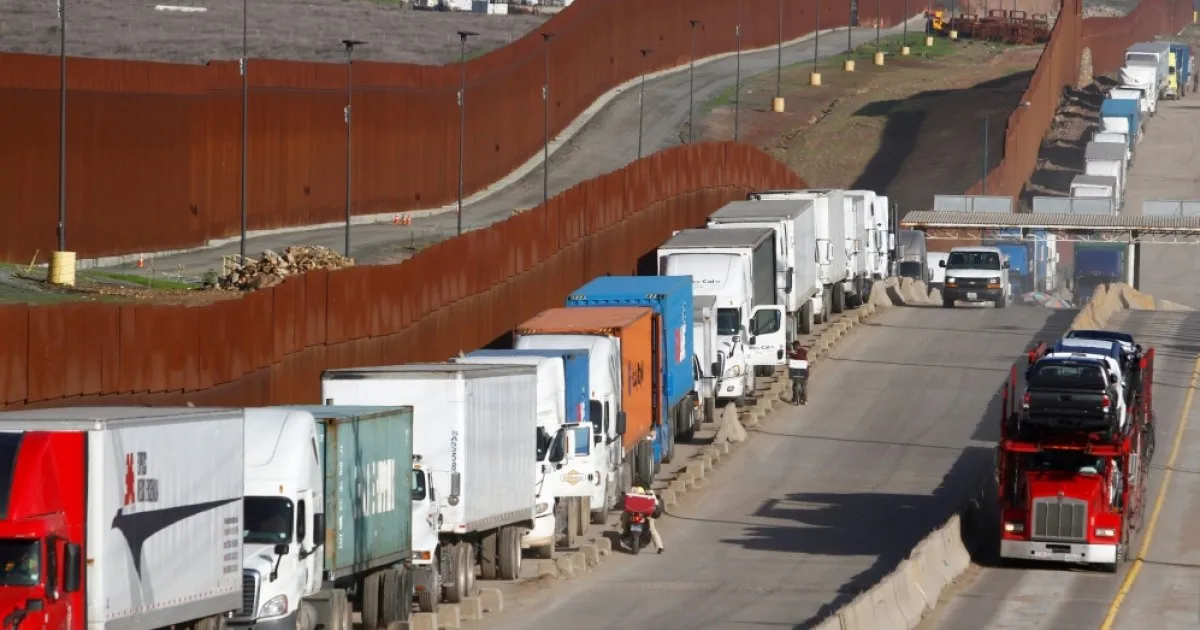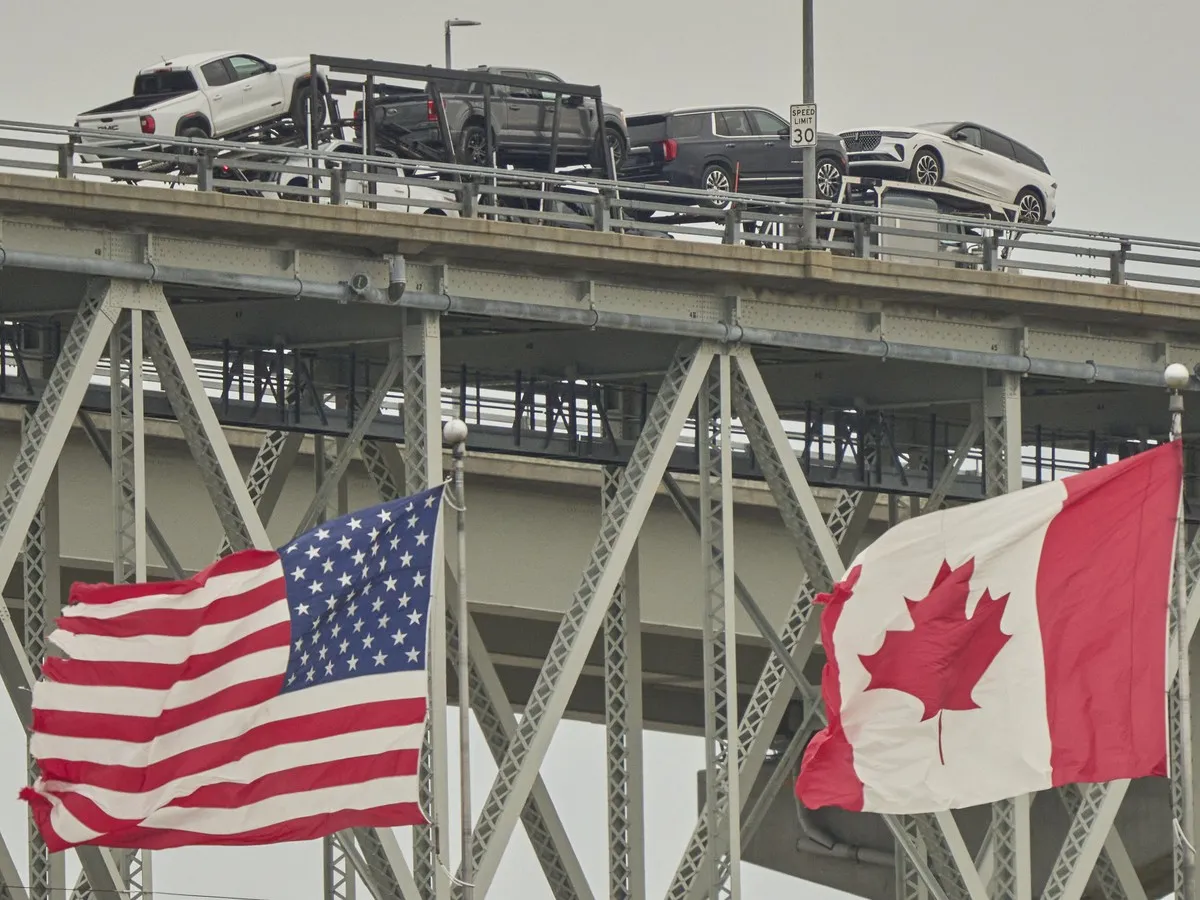
Skip to Content Subscribe Our Offers My Account Manage My Subscriptions FAQ Newsletters Canada Canadian True Crime Canadian Politics Health World Israel & Middle East Financial Post NP Comment Longreads Puzzmo Diversions Comics NP News Quiz New York Times Crossword Horoscopes Life Eating & Drinking Style Sponsored Play for Ontario Travel Travel Canada Travel USA Travel International Cruises Travel Essentials Culture Books Celebrity Movies Music Theatre Television Business Essentials Advice Lives Told Tails Told Shopping Buy Canadian Home Living Outdoor Living Kitchen & Dining Tech Style & Beauty Personal Care Entertainment & Hobbies Gift Guide Travel Guide Amazon Prime Day Deals Savings National Post Store More Sports Hockey Baseball Basketball Football Soccer Golf Tennis Driving Vehicle Research Reviews News Gear Guide Obituaries Place an Obituary Place an In Memoriam Classifieds Place an Ad Celebrations Working Business Ads Archives Healthing Epaper Manage Print Subscription Profile Settings My Subscriptions Saved Articles My Offers Newsletters Customer Service FAQ Newsletters Canada World Financial Post NP Comment Longreads Puzzmo Diversions Life Shopping Epaper Manage Print Subscription HomeNewsCanadaWhat July 1 means for CUSMA, Canada's trade deal with the U.S. and MexicoEven if the U.S. makes an official declaration that it doesn’t want to extend that's not the end of the agreement. It’s in place until 2036.Last updated 11 minutes ago You can save this article by registering for free here. Or sign-in if you have an account.Wednesday, July 1, is not only Canada Day 2026, it marks the sixth anniversary of the Canada-U.S.-Mexico Free Trade Agreement (CUSMA). It's also the date set for a trilateral review of the agreement. Photo by GEOFF ROBINS /AFP via Getty ImagesWednesday, July 1, is not only Canada Day 2026, it marks the sixth anniversary of the Canada-U.S.-Mexico Free Trade Agreement (CUSMA).Enjoy the latest local, national and international news.Exclusive articles by Conrad Black, Barbara Kay and others. Plus, special edition NP Platformed and First Reading newsletters and virtual events.Unlimited online access to National Post.National Post ePaper, an electronic replica of the print edition to view on any device, share and comment on.Daily puzzles including the New York Times Crossword.Support local journalism.Enjoy the latest local, national and international news.Exclusive articles by Conrad Black, Barbara Kay and others. Plus, special edition NP Platformed and First Reading newsletters and virtual events.Unlimited online access to National Post.National Post ePaper, an electronic replica of the print edition to view on any device, share and comment on.Daily puzzles including the New York Times Crossword.Support local journalism.Create an account or sign in to continue with your reading experience.Access articles from across Canada with one account.Share your thoughts and join the conversation in the comments.Enjoy additional articles per month.Get email updates from your favourite authors.Create an account or sign in to continue with your reading experience.Access articles from across Canada with one accountShare your thoughts and join the conversation in the commentsEnjoy additional articles per monthGet email updates from your favourite authorsSign In or Create an AccountorIt’s also the date set for a trilateral review of the agreement, providing the three participating countries with two options: first, choosing a 16-year extension that would keep the agreement in place; second, choosing not to extend and triggering annual reviews of the deal, without a concluding point, unless the three nations eventually reach a deal.Prime Minister Mark Carney told National Post during a recent press conference that non-renewal on July 1st “doesn’t necessarily mean” there won’t be an extension. In answering questions put to him on June 11 in Toronto, he noted that the review was “built into…the structure of CUSMA.” Even if an extension isn’t agreed to, he noted, the agreement still runs another 10 years to 2036. The extension would kick in after that.Get a dash of perspective along with the trending news of the day in a very readable format.By signing up you consent to receive the above newsletter from Postmedia Network Inc.A welcome email is on its way. If you don't see it, please check your junk folder.The next issue of NP Posted will soon be in your inbox.We encountered an issue signing you up. Please try again“At any point, subsequently, a decision can be taken to make that extension. So, non-renewal doesn’t take away the possibility…there will be an extension…when there is a meeting of minds on the structure.”While Canada and Mexico have openly expressed the wish to extend the agreement, U.S. President Donald Trump has stated the contrary sentiment that the U.S. doesn’t need Canada or Mexico.And as previously reported by National Post, U.S. Ambassador to Canada, Pete Hoekstra has said that Trump’s comments mean that Canada should make the U.S. a good offer.When asked about Hoekstra’s comments, Carney told National Post that “we have been engaged, and I have engaged with the President on some good offers. And it’s a negotiation, and we’ll continue to have these discussions. What the government is going to do is serve Canadians, and we are going to get a deal that’s right for Canadians. We understand the U.S. has changed its trade policy orientation. There are some specific issues that needed to be ironed out on both sides of the border and we’re working through doing that.”He also pointed to sore points for Canada, such as lifting tariffs on steel and aluminum, and acknowledged that “we’ve got work to do to convince the U.S. side of that.”As reported by National Post previously, both Canada and Mexico have formally requested the agreement be extended for 16 years. Mexico and the U.S. have held two rounds of formal bilateral talks on CUSMA. They have a third round of discussions set for the third week of July.Meanwhile, noted Carney, Canada “is looking for a bilateral deal with Mexico as well.”On Wednesday, Canada-U.S. Trade Minister Dominic LeBlanc will participate in the first trilateral meeting. He will be meeting his American and Mexican counterparts.Along with Canada’s Chief Trade Negotiator, Janice Charette, LeBlanc met with U.S. Trade Representative Jamieson Greer on the sidelines of the recent G7 Summit in France. LeBlanc said at the time that progress was being made on several issues with the Americans.The U.S. seems likely to pursue its own particular aims, leaving the anxiety of not extending on the table while doing so. However, even if the U.S. makes an official declaration that it doesn’t want to extend, that’s not the end of the agreement since it’s in place until 2036. Even complete withdrawal from the agreement requires six months’ notice.The U.S. has been public about trade thorns that it finds irritating. For example, the Trump administration doesn’t want imports from countries such as China to get tariff-free access to U.S. markets via Canada or Mexico. Some Canadian trade watchers think Canada could scale back recent trade commitments to China, for example, on EVs — in exchange for better access to the U.S. market and lower tariffs.And, since the Trump took office, he and his colleagues have made it clear that they want to increase manufacturing in the U.S. For example, there is the issue of vehicles content. The U.S. would like to raise the content made in North America to 82 per cent from the present 75 per cent, with 50 per cent from the U.S.The U.S. trade representative’s 2026 list of trade irritants with Canada include dairy supply management, provincial bans of U.S. alcohol, the Online Streaming Act, digital rules, and retaliatory tariffs. But the U.S. has not yet made any official or specific requests.Critical minerals is likely to be another issues. Canada has them and the U.S wants them.Another issue is access for U.S. farmers to Canada’s dairy market, limited by supply management. Though, Canadian farmers point out that U.S. dairy exporters have not filled the existing tariff‑rate quotas under CUSMA. Carney has said Canada’s supply management system is “not on the table,” but trade watcher think that might change.Maybe by Labour Day, giving the Trump administration the chance to campaign in the 2026 midterm elections, catering to broad support for the free trade deal within American business and political circles. That’s particularly true within U.S. agriculture, where it’s thought that risking the agreement will drive up costs to the American consumer.On the other hand, the U.S. may drag out discussions, hoping to wear down Canada and Mexico into agreeing to a deal more favourable to the Trump administration’s interests.Our website is the place for the latest breaking news, exclusive scoops, longreads and provocative commentary. Please bookmark nationalpost.com and sign up for our daily newsletter, Posted, here. Join the Conversation This website uses cookies to personalize your content (including ads), and allows us to analyze our traffic. Read more about cookies here. By continuing to use our site, you agree to our Terms of Use and Privacy Policy.
What July 1 means for CUSMA, Canada's trade deal with the U.S. and Mexico
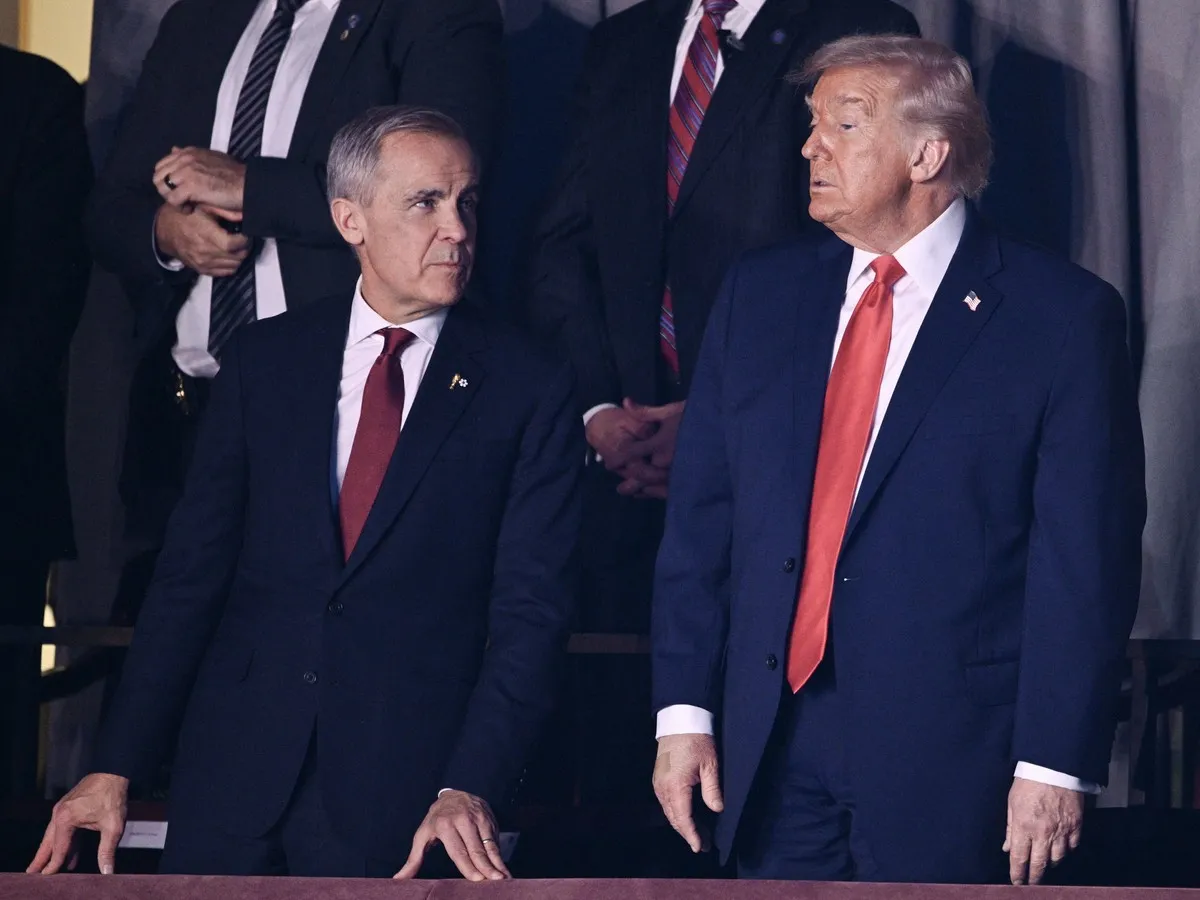
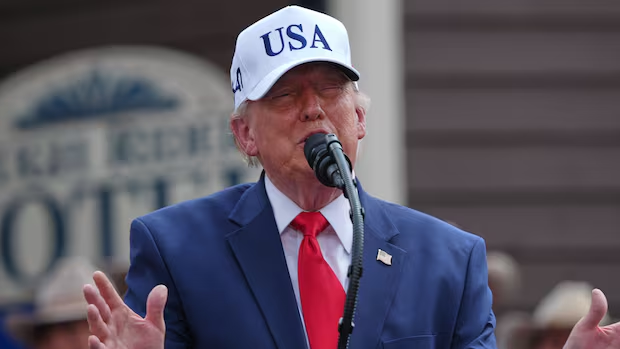
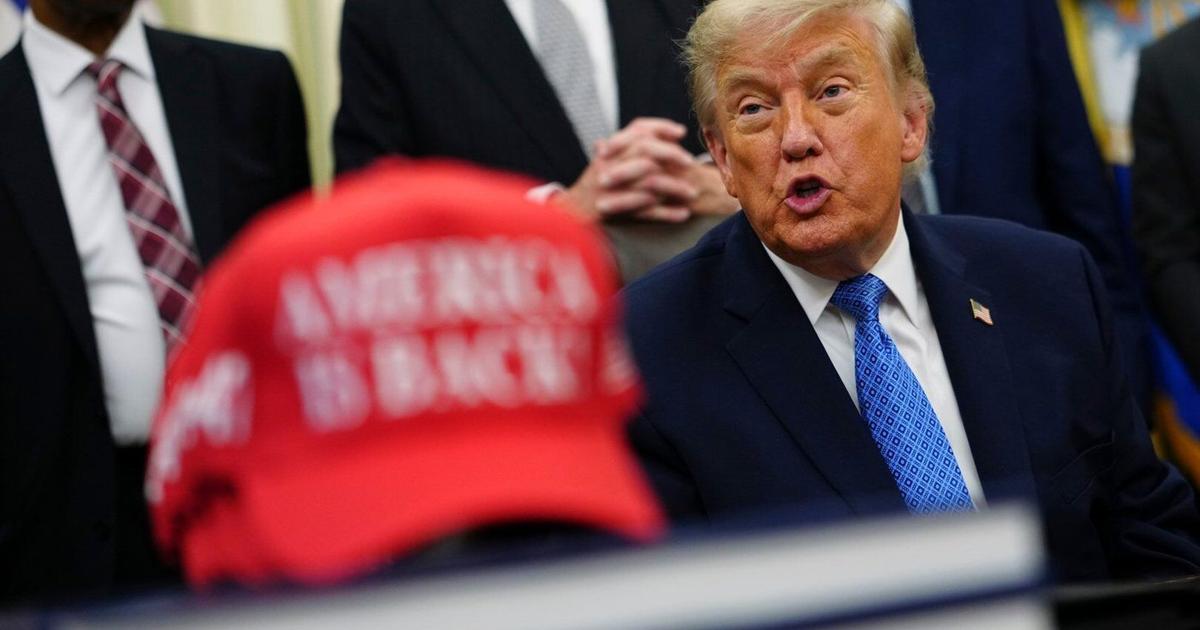
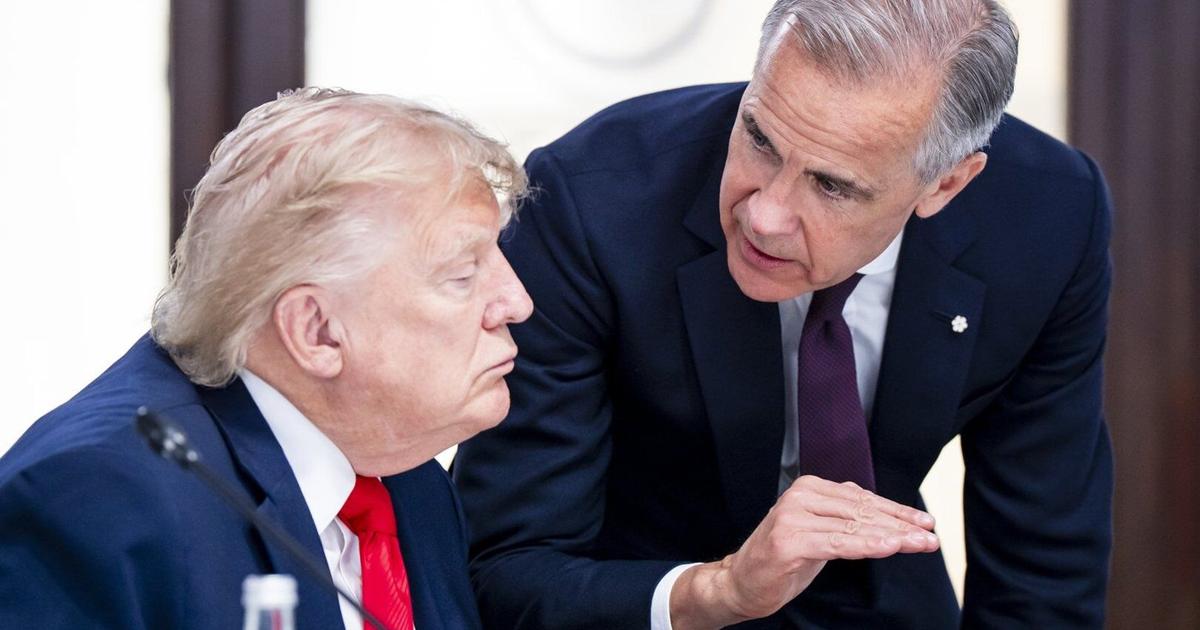
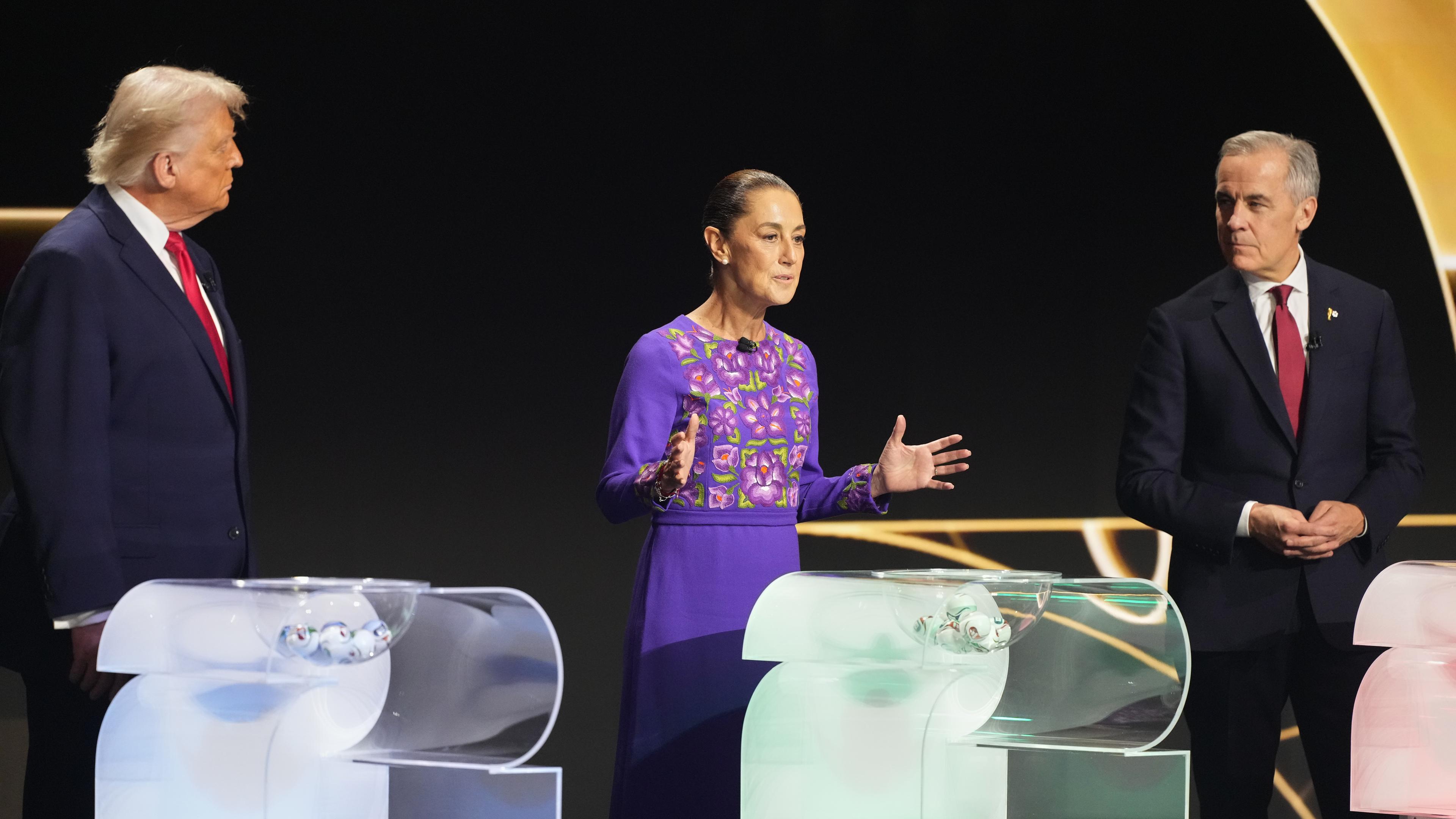
While Canada and Mexico have stated they want to extend the agreement, U.S. President Donald Trump has said the U.S. doesn’t need them.
1,450 words~7 min read