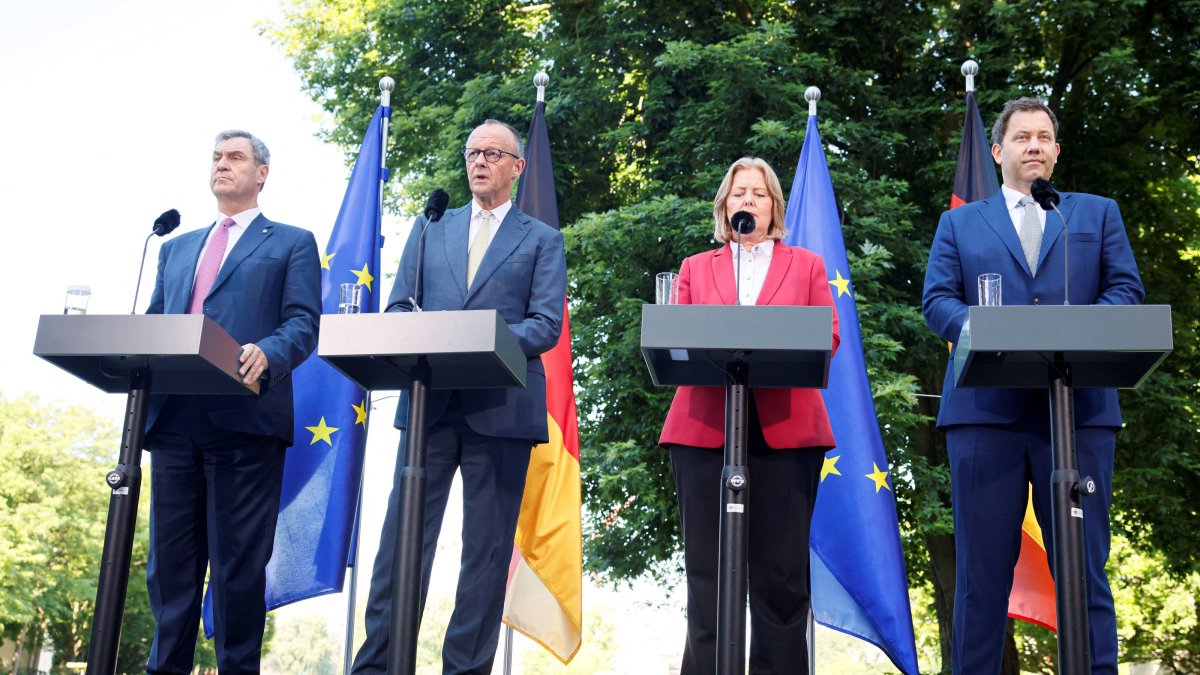
Germany just handed its struggling economy a caffeine shot. Chancellor Friedrich Merz has approved an annual income tax relief package worth approximately €10 billion, aimed squarely at low- and middle-income households in Europe’s largest economy.
The move is part of a broader 34-measure reform agenda designed to jolt Germany out of a prolonged economic funk. For context, a family with two parents and a combined taxable income of €60,000 can expect roughly €600 per year in savings, with full implementation anticipated by 2028.
Inside the reform package
The €10 billion income tax cut doesn’t exist in a vacuum. It arrives on the heels of a far more ambitious piece of fiscal engineering: a €46 billion corporate tax relief package approved for 2025.
That corporate package includes a phased reduction of Germany’s corporate tax rate from 15% down to 10% by 2032, along with accelerated depreciation allowances.