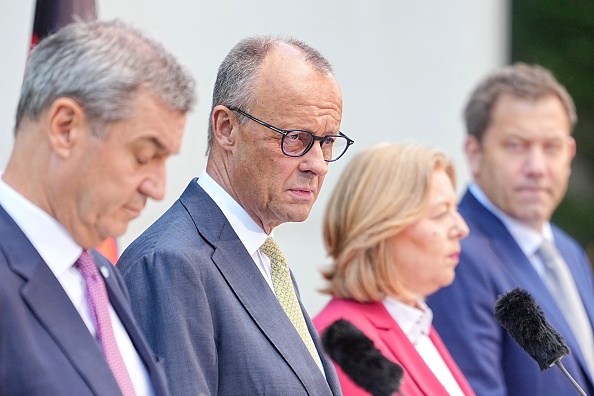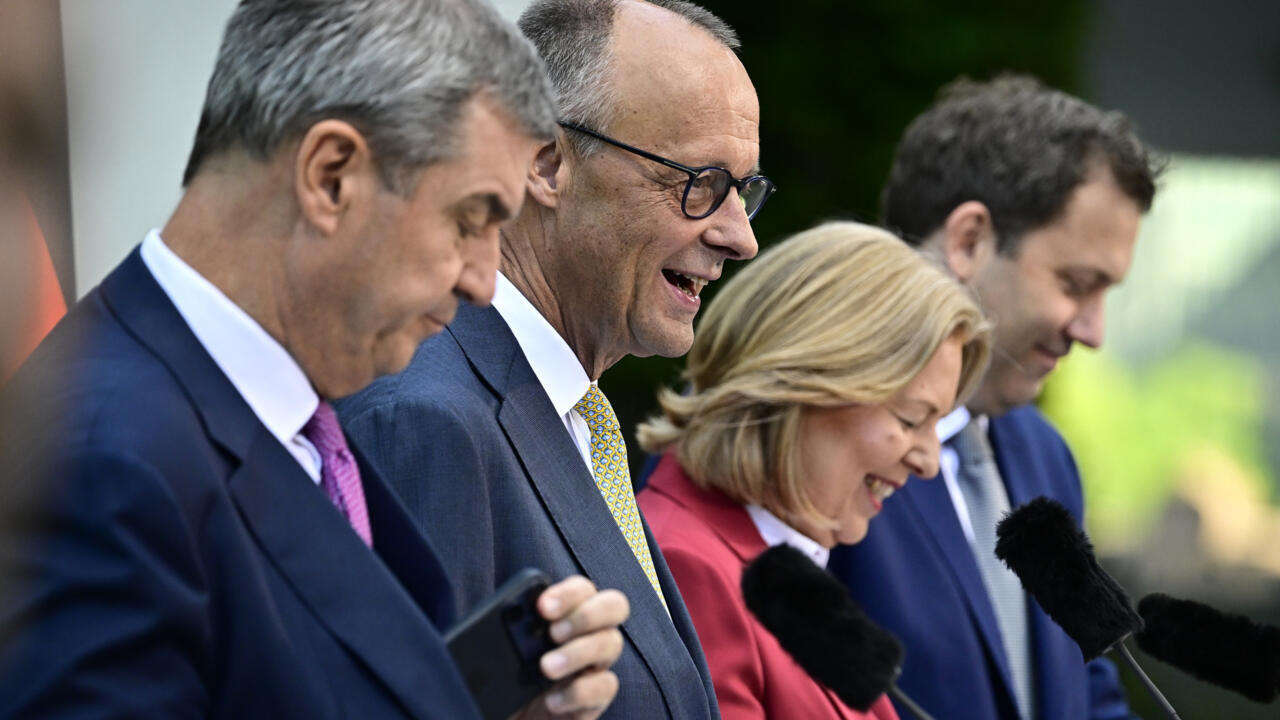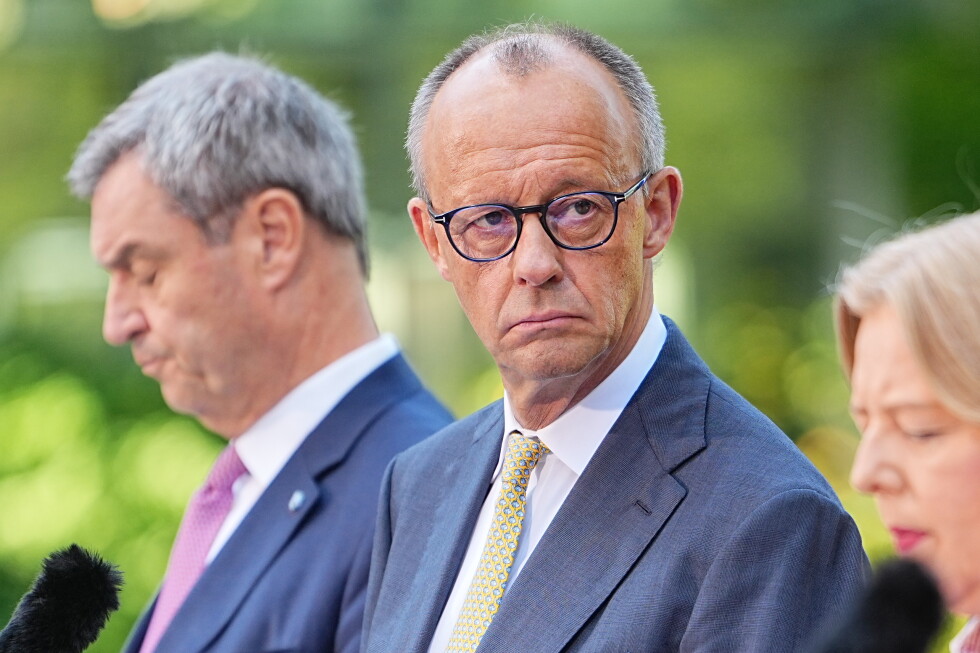
Germany’s governing coalition is haggling over a €20 billion income-tax relief package that could reshape investor sentiment across the continent’s largest economy.
Chancellor Friedrich Merz, who has made economic growth his north star since taking office, is pushing to deliver meaningful cuts for lower- and middle-income households. The catch: his coalition partners can’t agree on how to pay for it.
The math behind the tax cuts
The coalition approved a €46 billion corporate tax relief package back in June 2025, which included phasing the corporate tax rate down from 15% to 10% by 2032. The income-tax relief package at €20 billion is nearly half that size.
In May 2026, proposed subsidy cuts worth roughly €3 billion were floated to create fiscal headroom. That covers barely 15% of the total package.