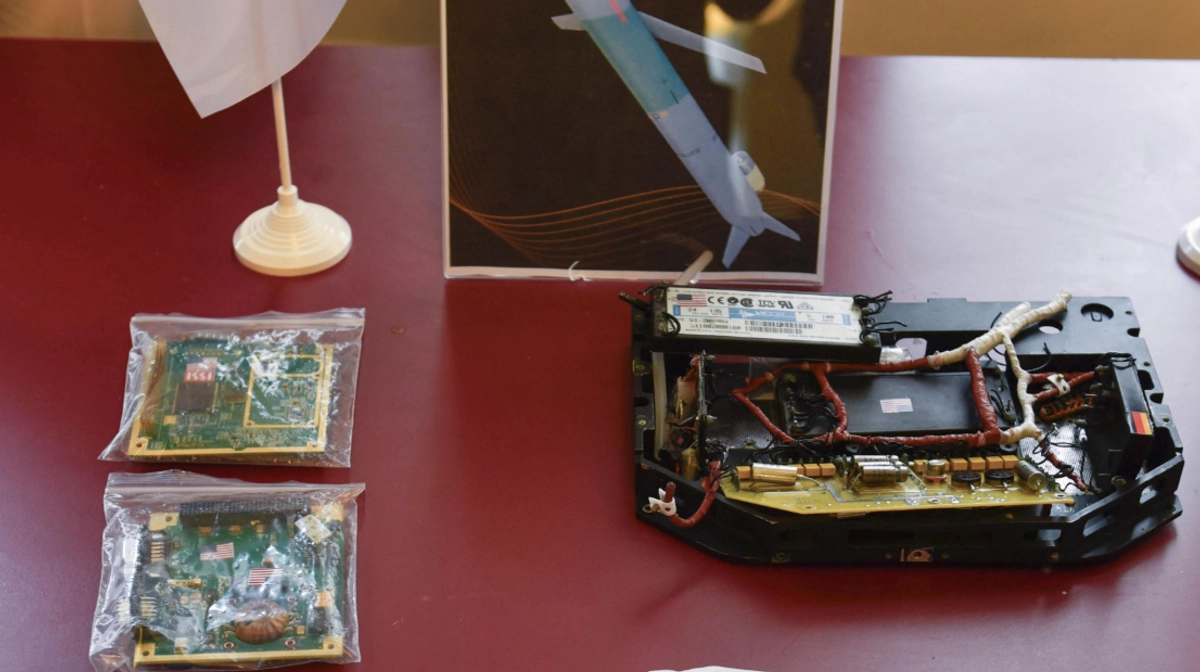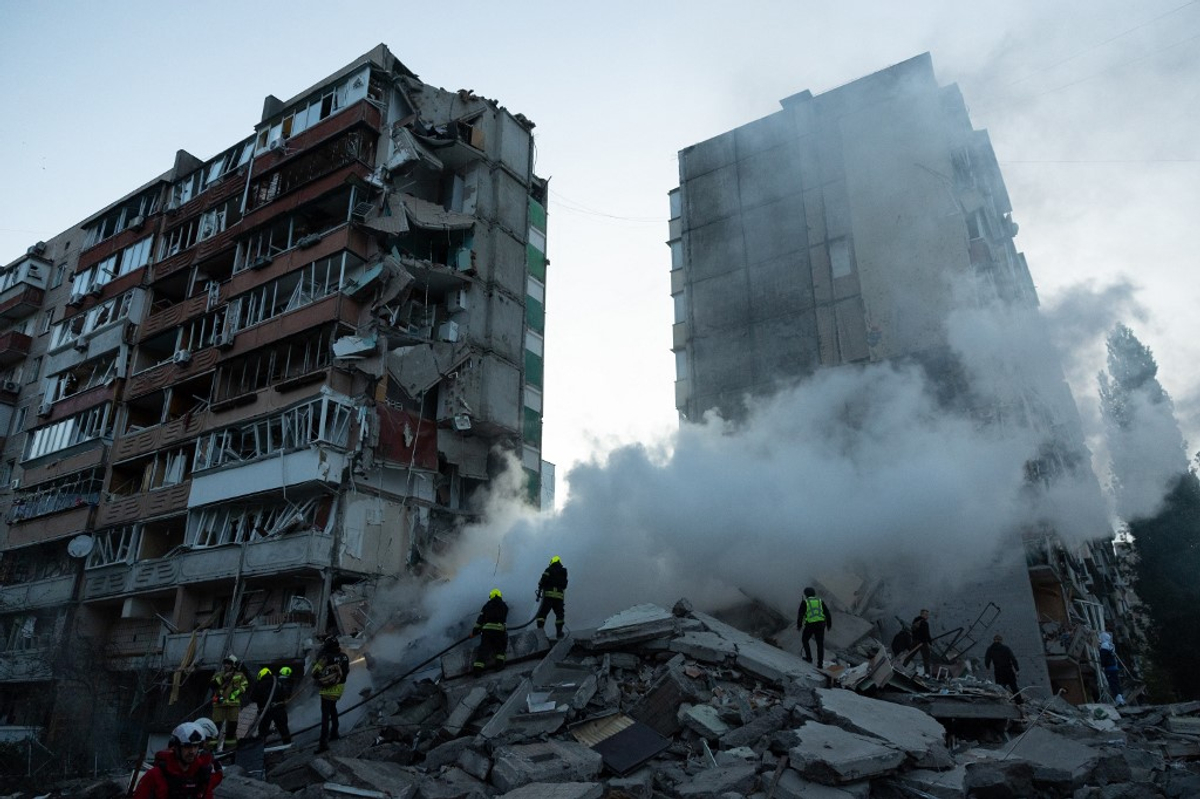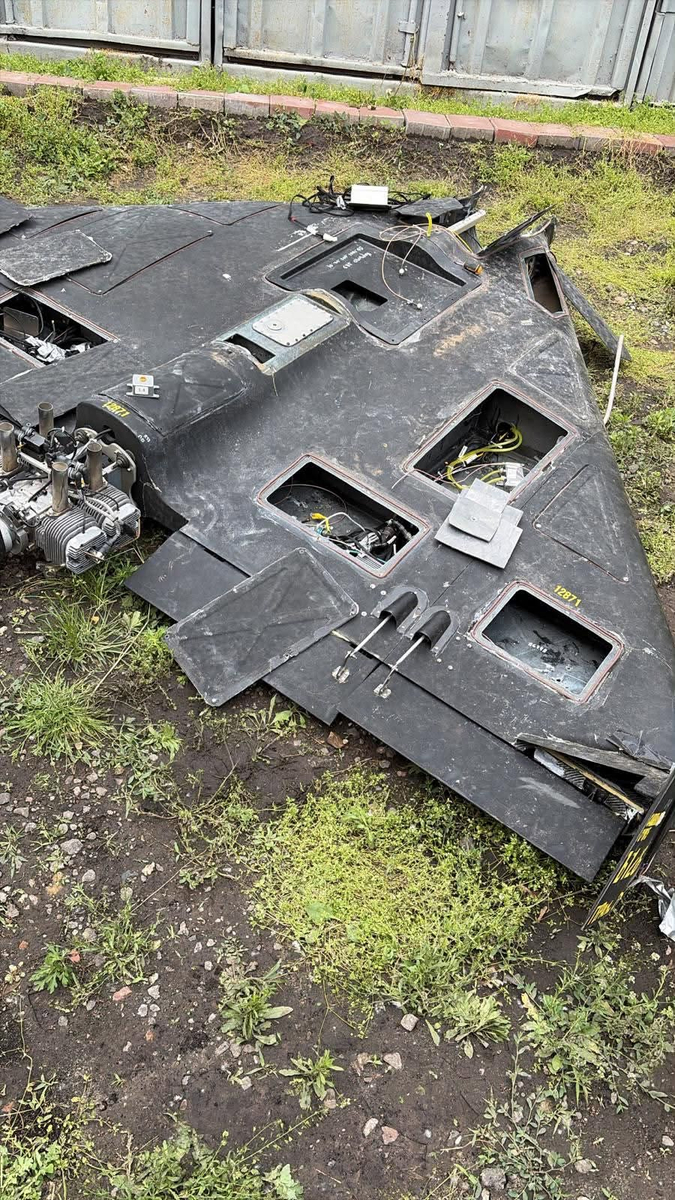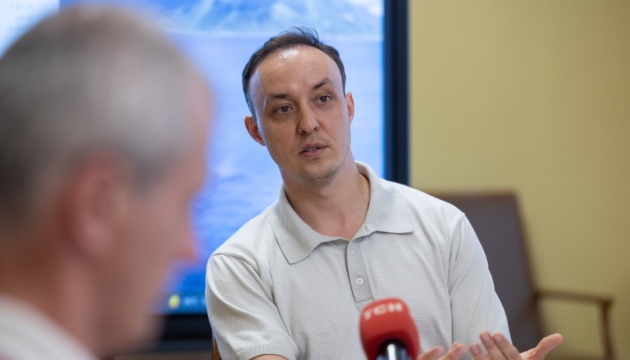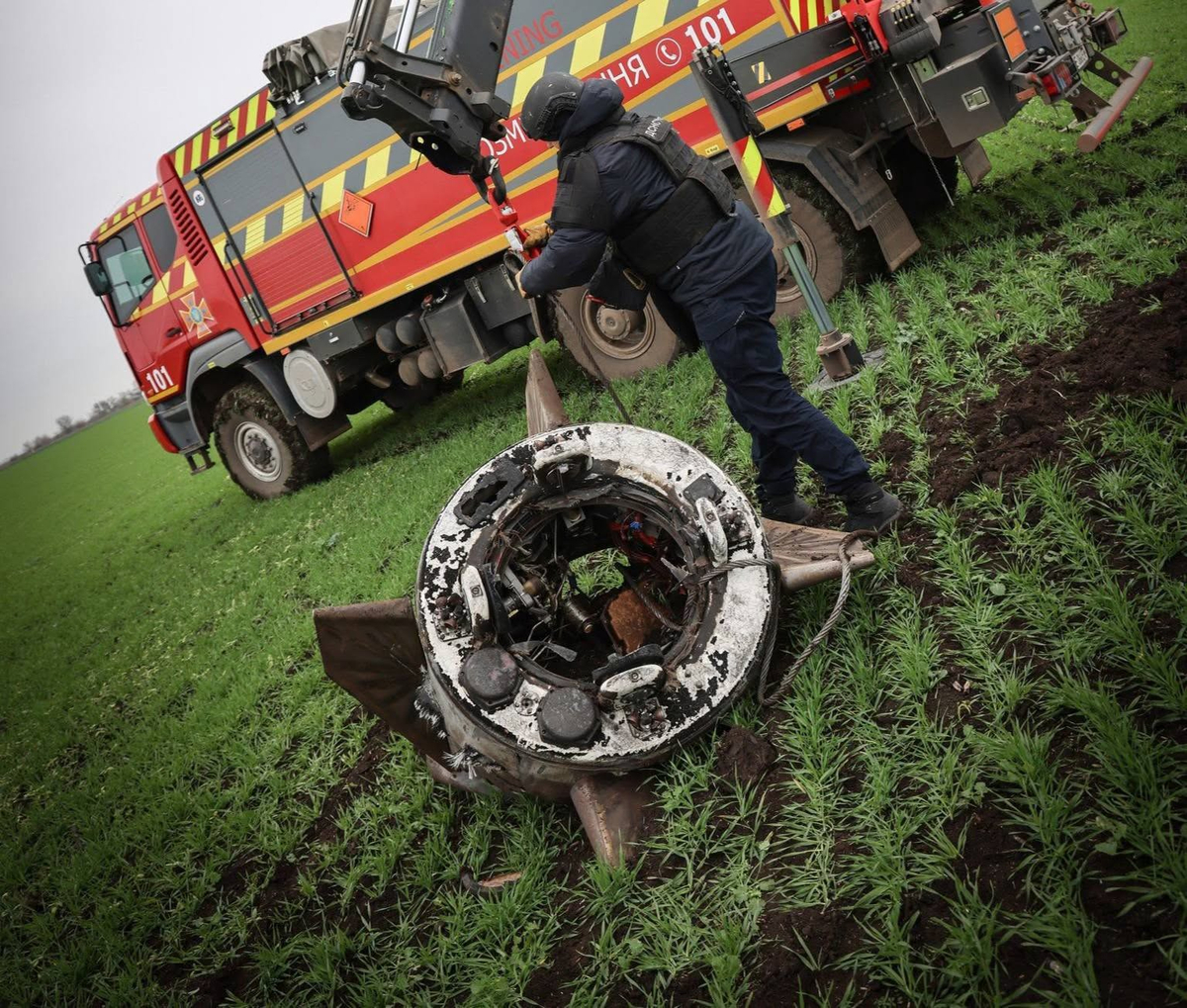
Japanese technology continues to enable Russia’s war against Ukraine in ways that directly affect American security interests. According to Ukraine’s Commissioner for Sanctions Policy, Vladyslav Vlasiuk, electronic components manufactured by Japanese companies appear in approximately 90% of Russian cruise and ballistic missiles, as well as unmanned aerial vehicles used in the conflict. Internal Ukrainian documents also confirm the presence of Japanese semiconductor components in Kh-101 cruise missiles and similar systems.This challenge is not merely technical. It carries strategic, human, and alliance-wide consequences. According to a 2022 Royal United Services Institute report, Japan was the second-largest supplier of foreign microelectronics found in Russian weapons recovered from Ukrainian battlefields, behind only the United States. Analysts have identified more than 450 distinct foreign components across multiple captured systems. Restricting these technology flows could degrade Russia’s military capabilities, yet Japanese components still underpin navigation, flight control, and targeting across Russian missiles and drones.In the early days of Russia’s 2022 upgraded operation, Japan promptly aligned with the U.S. and Group of Seven partners, restricting exports of dual-use goods and advanced technology to Russia. Official Japanese trade data reflect a steep drop in direct exports of controlled categories. However, Russian defense businesses have not only continued but also increased the incorporation of Japanese-origin electronics into new production. Most reach Russia through diversion via third countries, where commercial shipments are rerouted or laundered before arriving at their final destination.
How Japan sustains Russia’s missile production
Japan is the second-largest supplier of foreign microelectronics found in Russian weapons recovered from Ukrainian battlefields.
648 words~3 min read