For decades, one puzzle stood out among the many mysteries of early animal evolution: the missing origin story of bryozoans.
These tiny, filter-feeding colonial animals live in almost every ocean today, forming lace-like mats on rocks and shells, yet fossils of their ancestors were nowhere to be found during the Cambrian explosion, the burst of evolutionary activity around 530 million years ago that gave rise to nearly every other major animal group alive today.
Instead, bryozoan fossils only began appearing about 50 million years later, during the Ordovician period, a gap that left scientists arguing for more than a century about when and how this entire phylum actually came into existence.
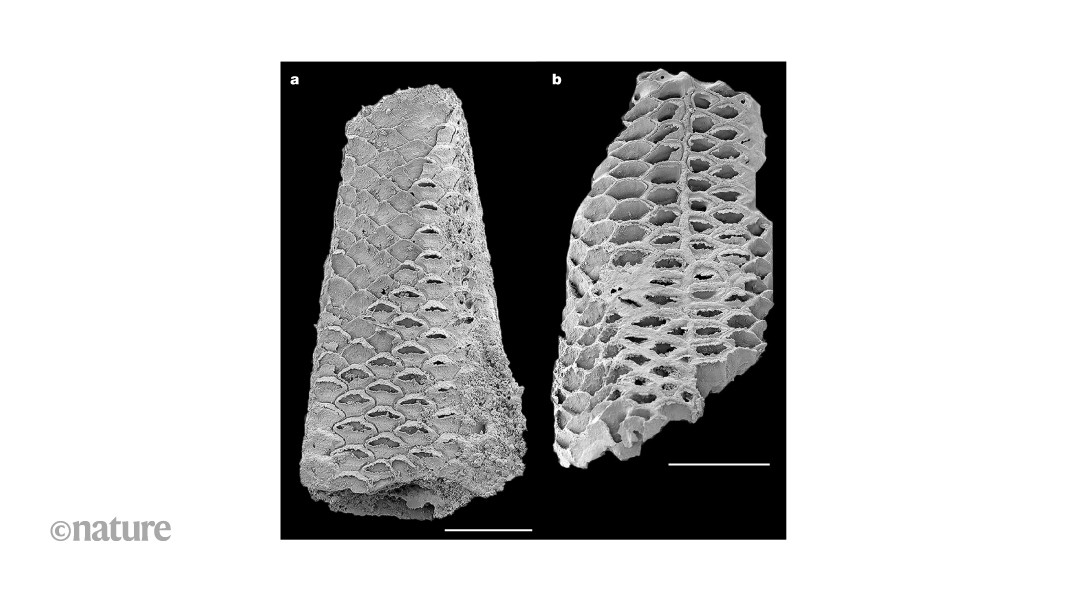
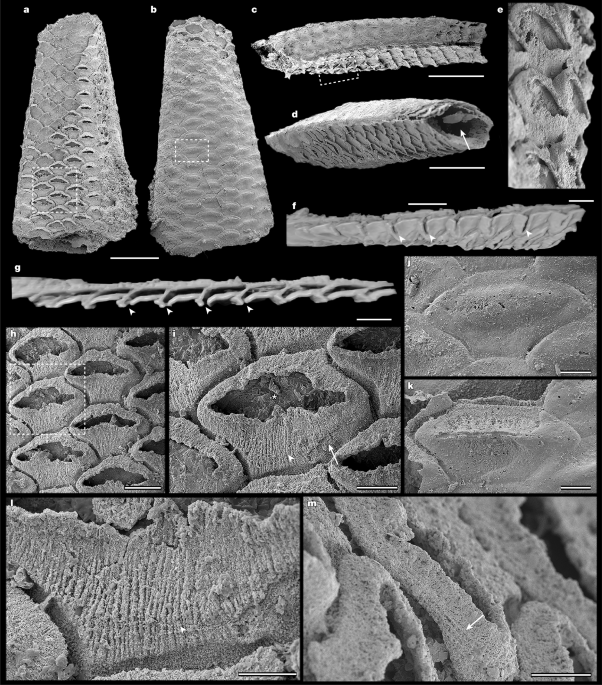
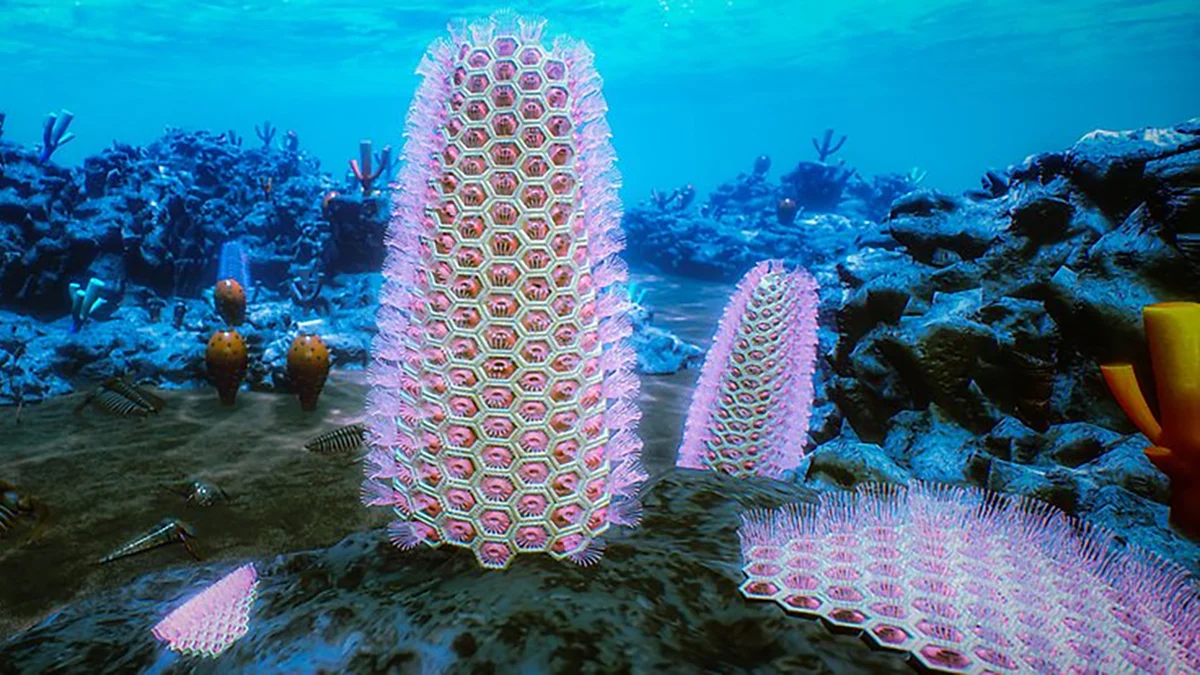
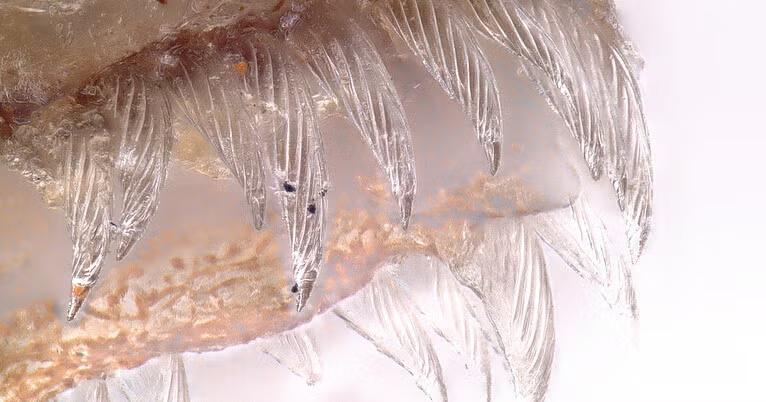
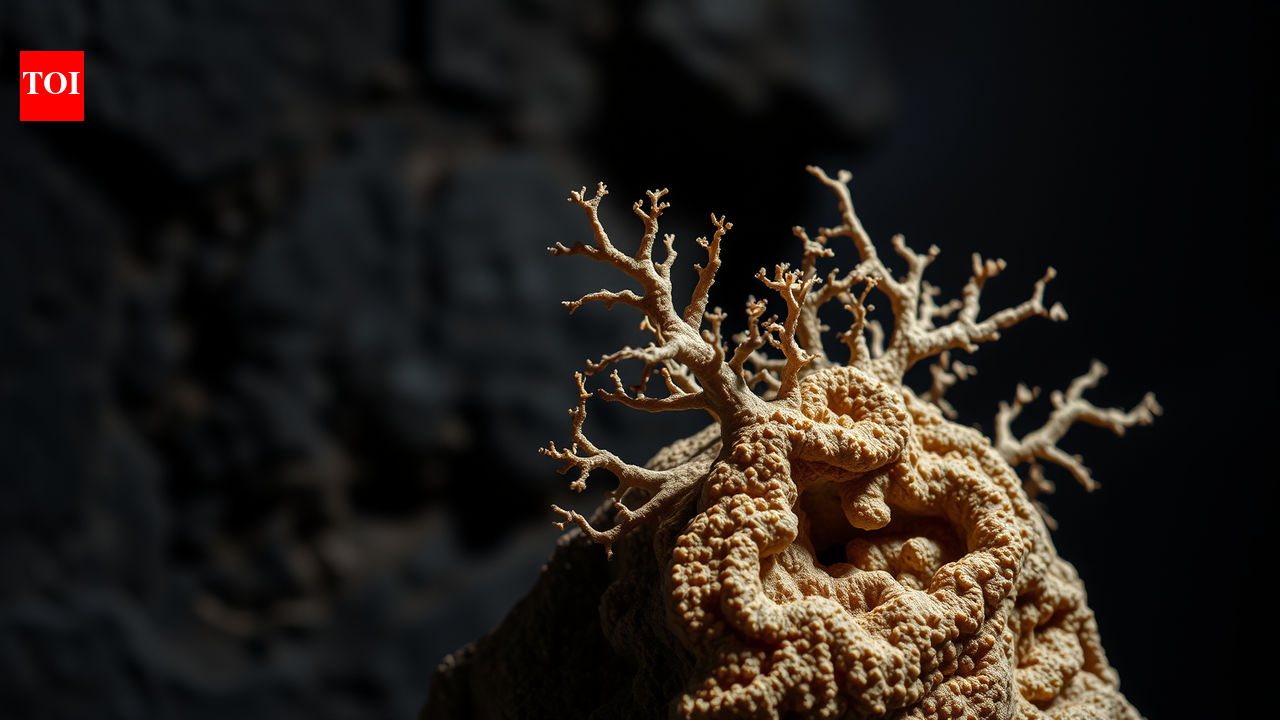
New fossils unearthed in southern China have now closed that gap for good.The bryozoan gap that puzzled scientists for a centuryBryozoans, sometimes called moss animals, are tiny colonial invertebrates that build modular skeletons made up of thousands of individual chambers, each housing a single organism called a zooid.
Nearly every other major animal phylum, from arthropods to molluscs, left behind clear fossil evidence of its presence during the Cambrian explosion, but bryozoans remained conspicuously absent from that record.