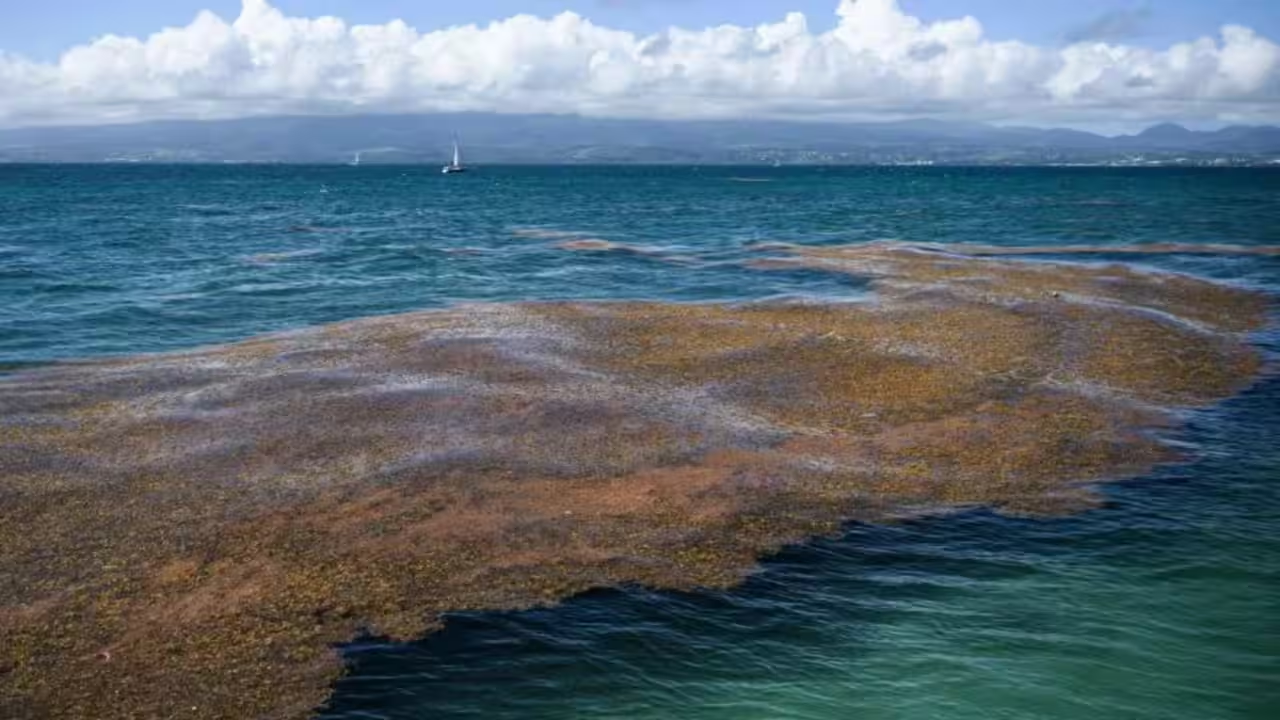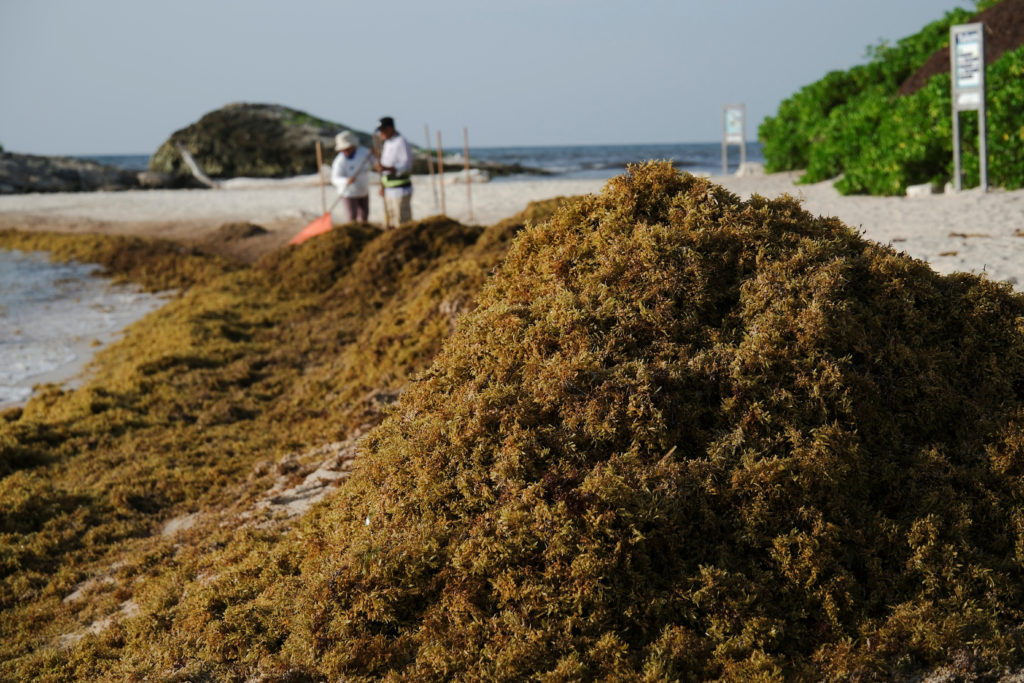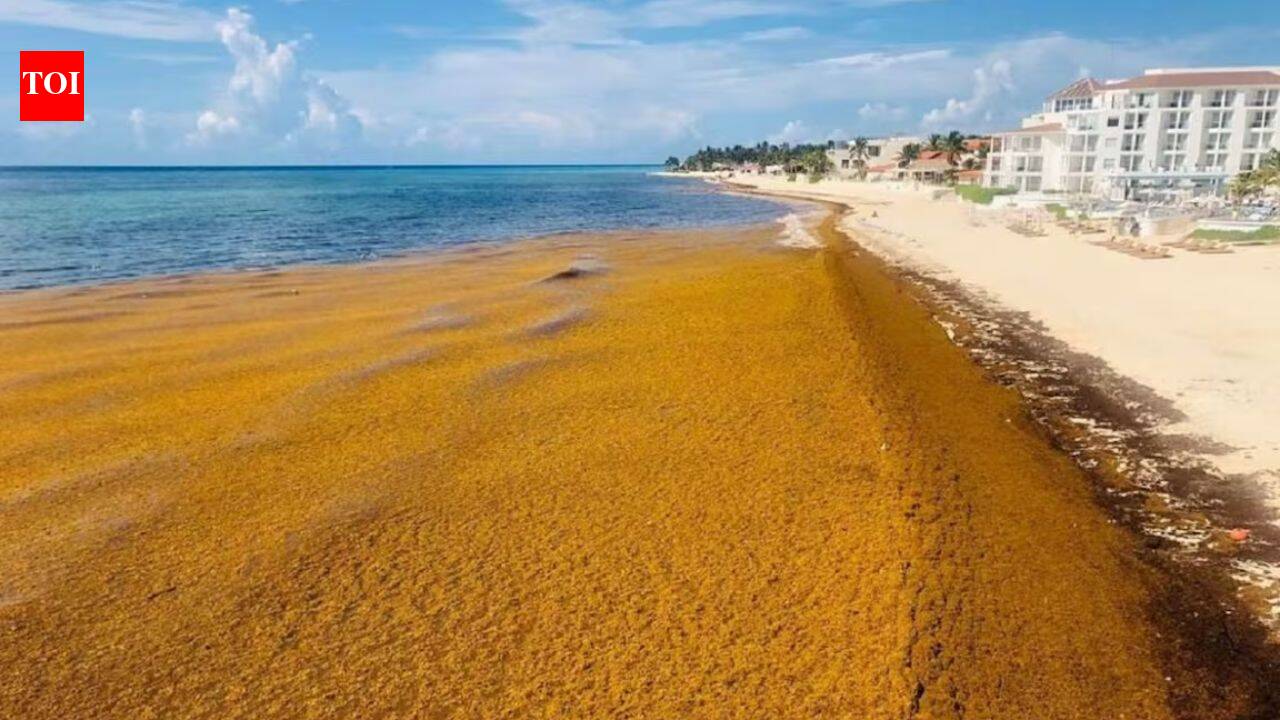
For centuries, sailors crossing the Atlantic occasionally encountered floating mats of brown seaweed drifting far from land.
These patches were largely associated with the Sargasso Sea, a region of relatively calm waters in the North Atlantic where free-floating sargassum has long formed part of a unique marine ecosystem.
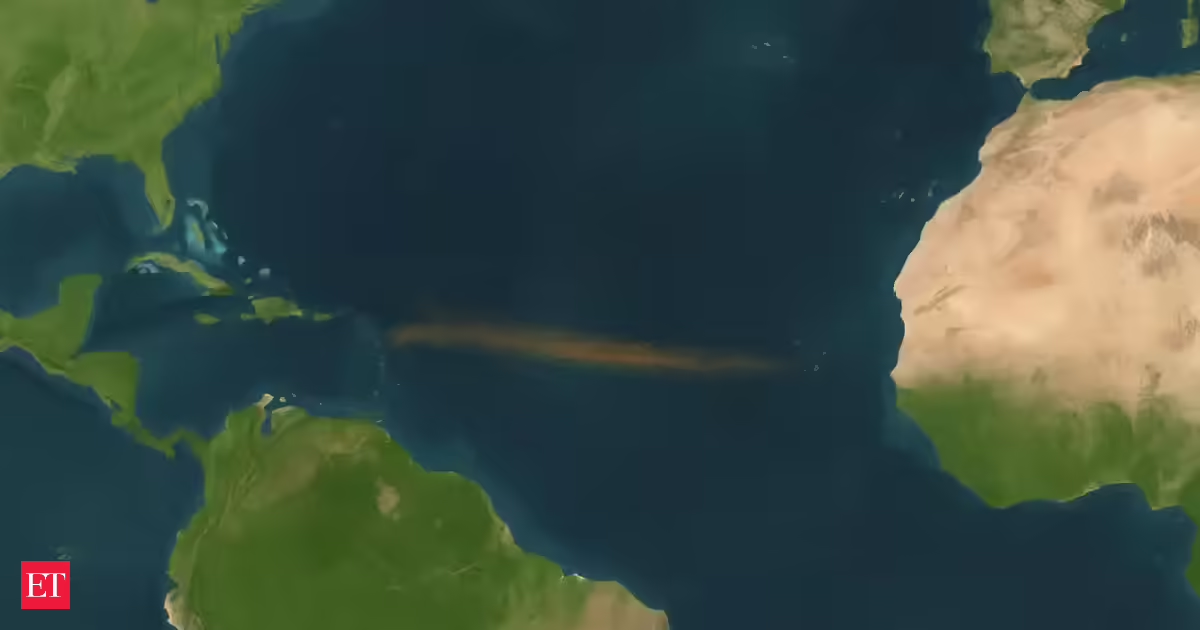
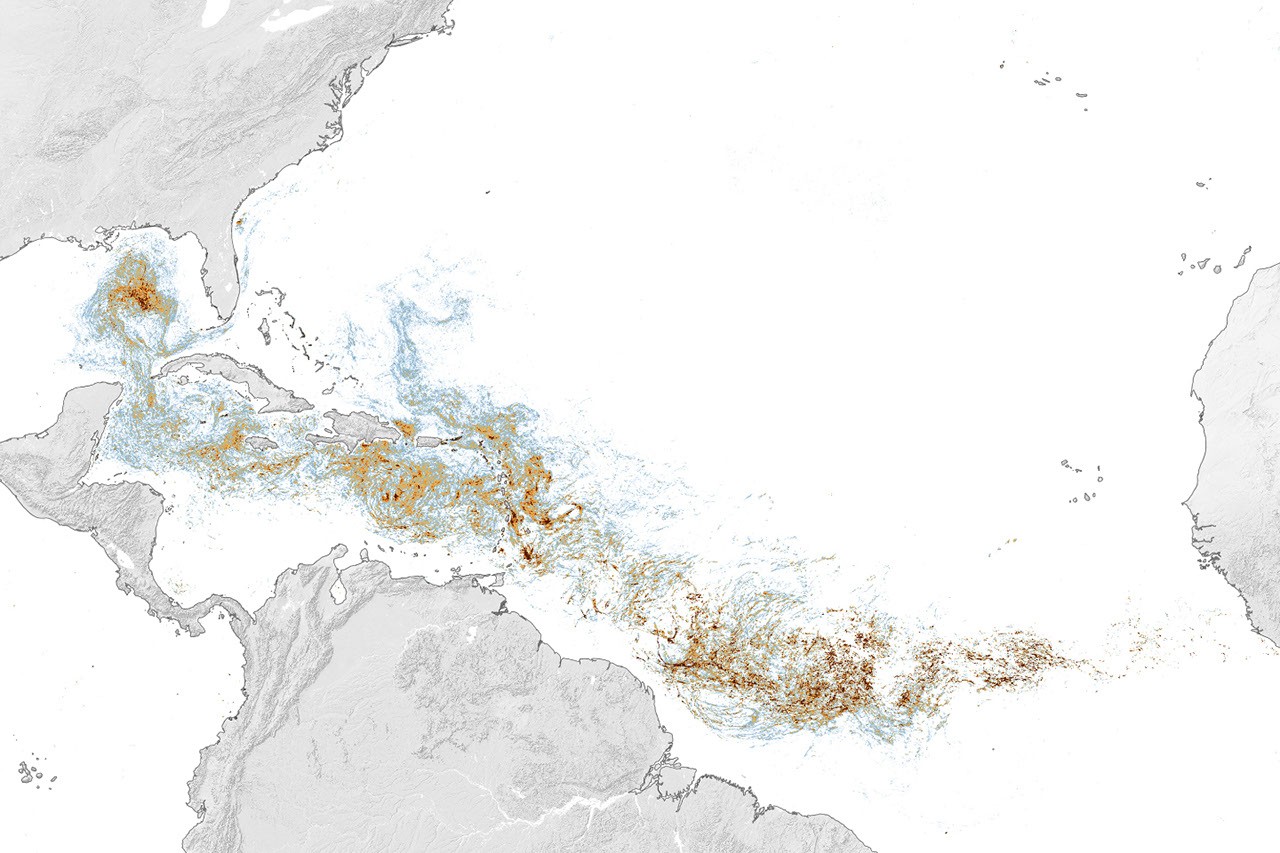
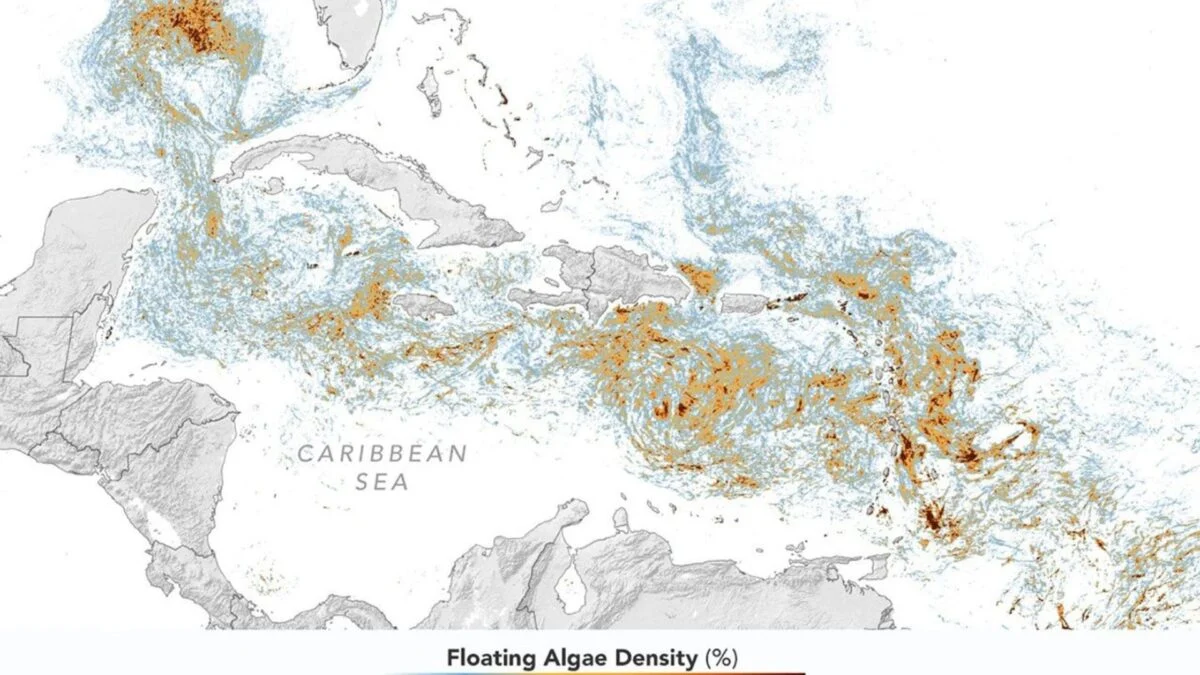
That picture has changed dramatically over the past decade.Satellite observations now reveal an immense band of sargassum stretching across tropical Atlantic waters between West Africa and the Gulf of Mexico.
What was once considered a more localised phenomenon has expanded into a recurring ocean-scale feature, covering thousands of kilometres and carrying tens of millions of tonnes of biomass.
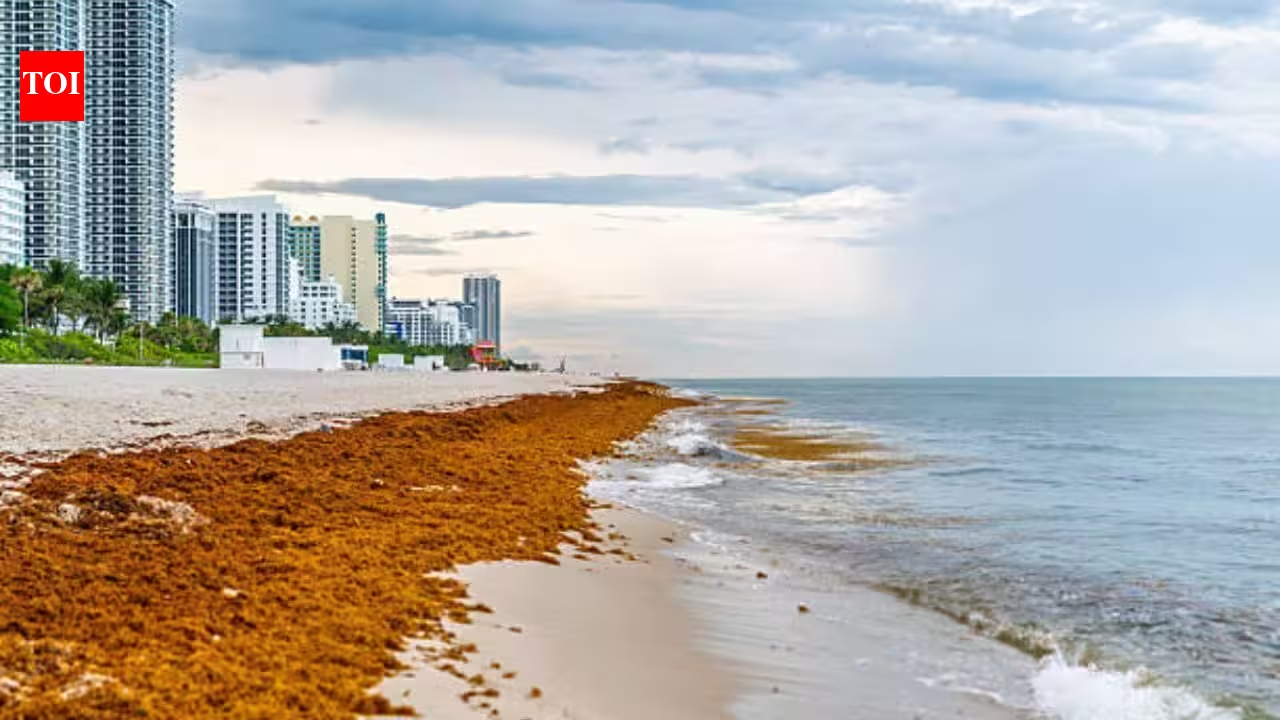
Scientists are increasingly trying to understand why this transformation occurred, where the nutrients sustaining it come from, and what it could mean for coastal regions on both sides of the Atlantic.Atlantic seaweed belt reaches record 37.5 million tonnes The modern story began in 2011 when satellites detected unusually large concentrations of sargassum outside its traditional strongholds.