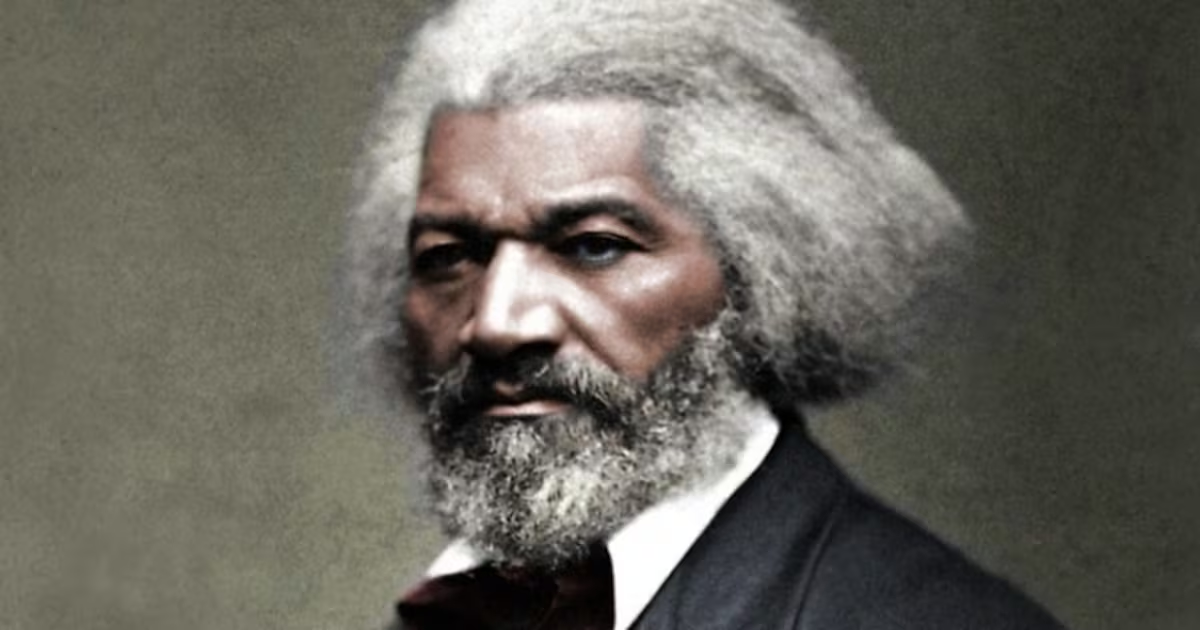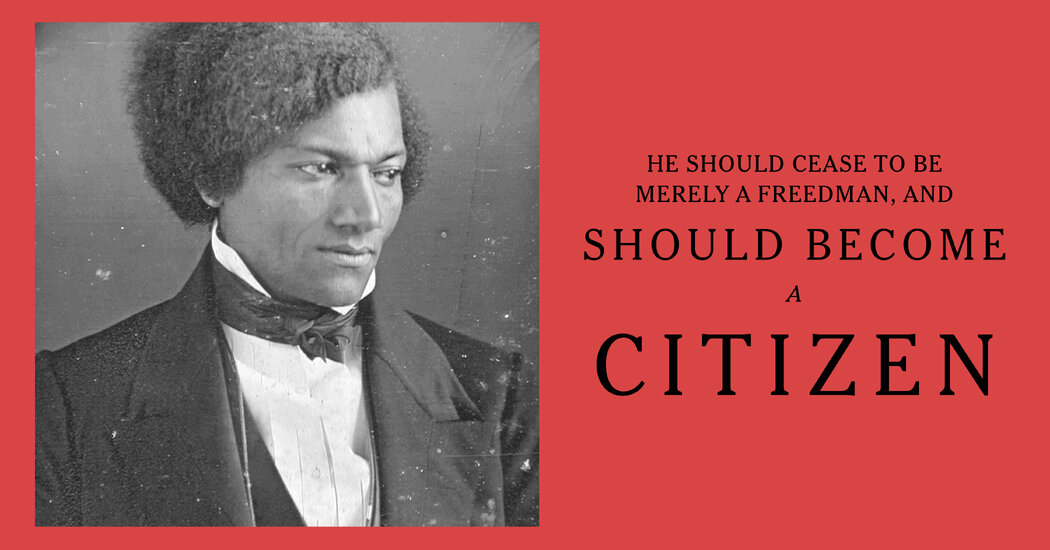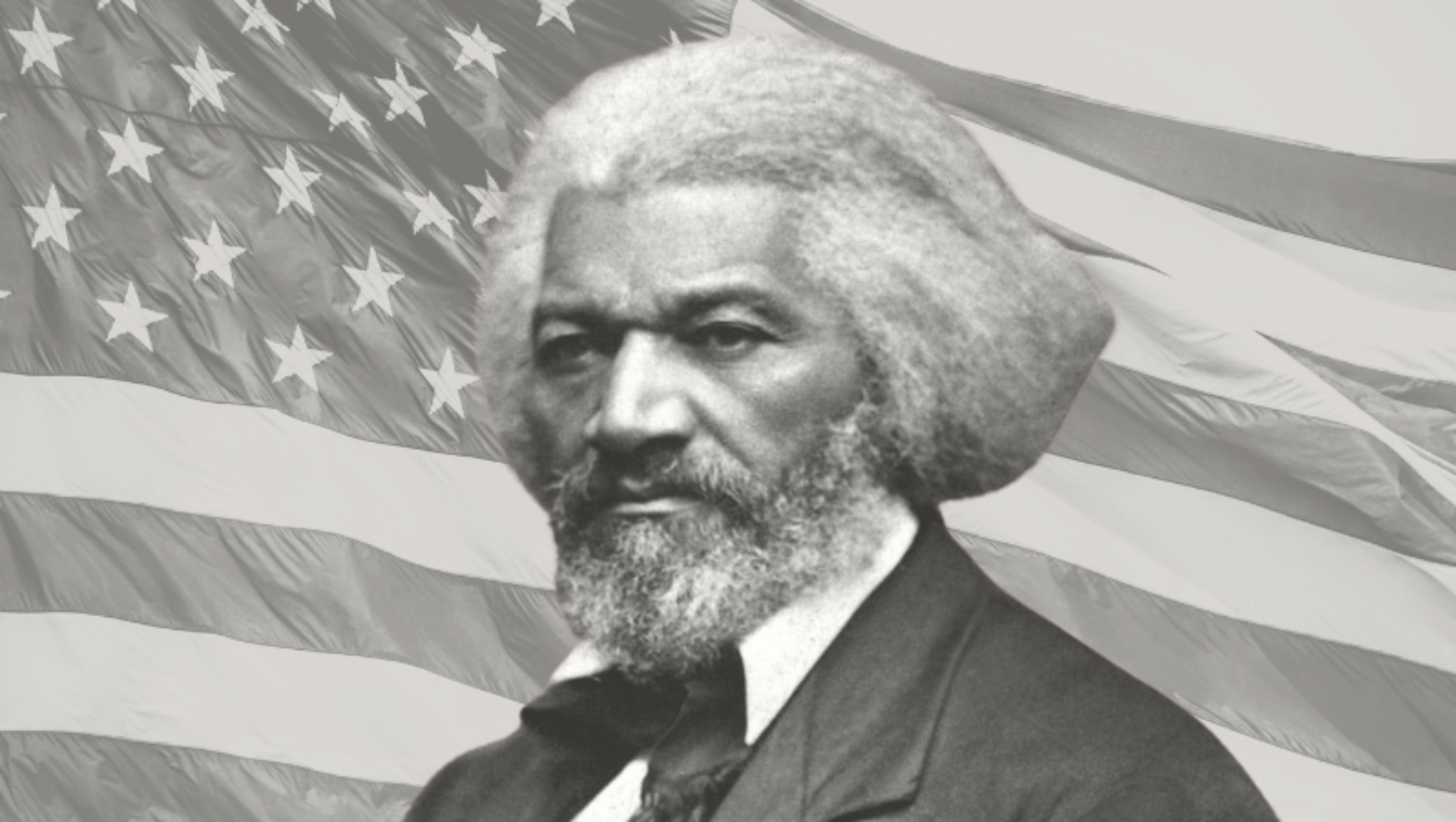
Frederick Douglass’ great lecture “What to the Slave Is the Fourth of July?,” delivered on July 5th, 1852, to a predominantly white audience at Rochester’s Corinthian Hall, captured the contradictions built into the nation’s July Fourth celebrations, then and to this day. The nation’s founding document may have declared that “All men are created equal,” but at the time of Douglass’ speech over three million Black people were enslaved. Douglass’ decision to deliver the speech on July 5th conveyed his view that the Fourth was not yet worth celebrating, for the holiday revealed to the American slave, “more than all other days in the year,” as Douglass put it, “the gross injustice and cruelty to which he is the constant victim.” The Thirteenth Amendment ended slavery in 1865, but “What to the Slave” continues to speak to many readers about the gross injustice and cruelty of a nation that fails to offer equal opportunities and justice for all.
That speech, however, may not be the most compelling or even relevant of Douglass’ speeches for this year’s Fourth of July. A better candidate would be his 1867 “Sources of Danger to the Republic,” delivered after the Civil War on several occasions, including as part of a Black-sponsored lecture series in Philadelphia. Douglass took stock of the Founding Fathers, the Constitution, and the democratic promise of the Declaration of Independence, and his concerns prophetically anticipate our present moment.