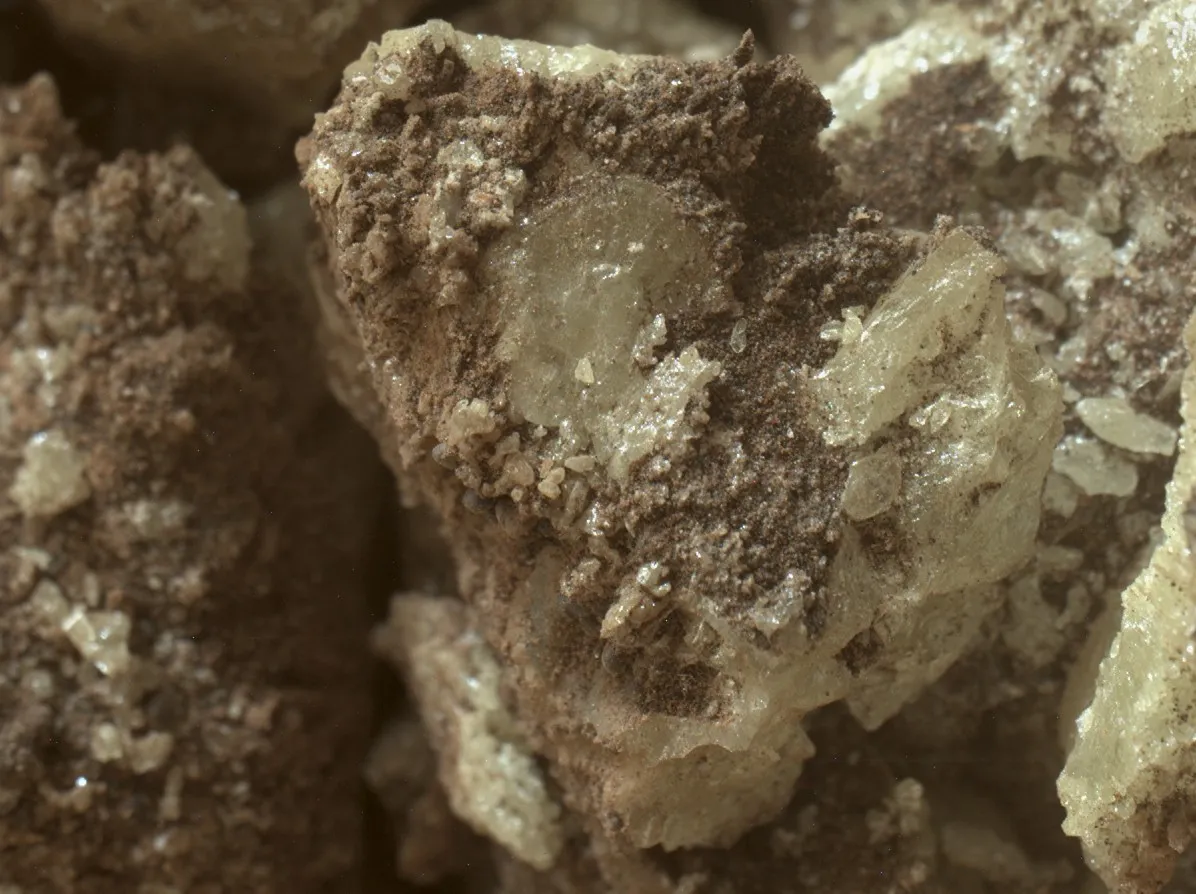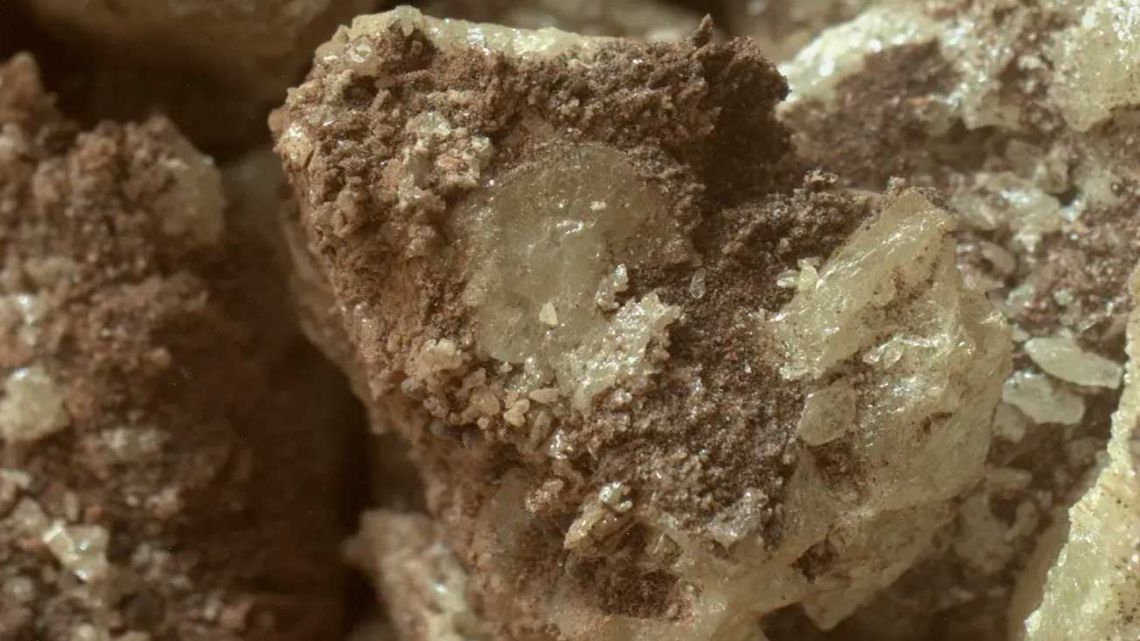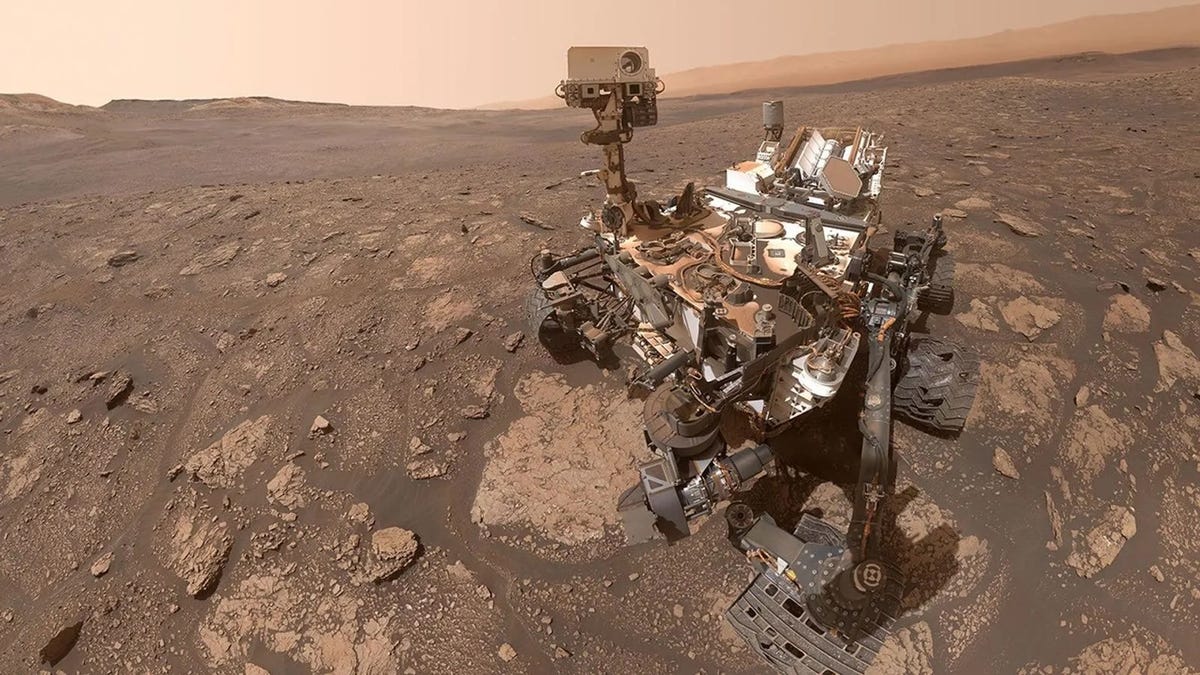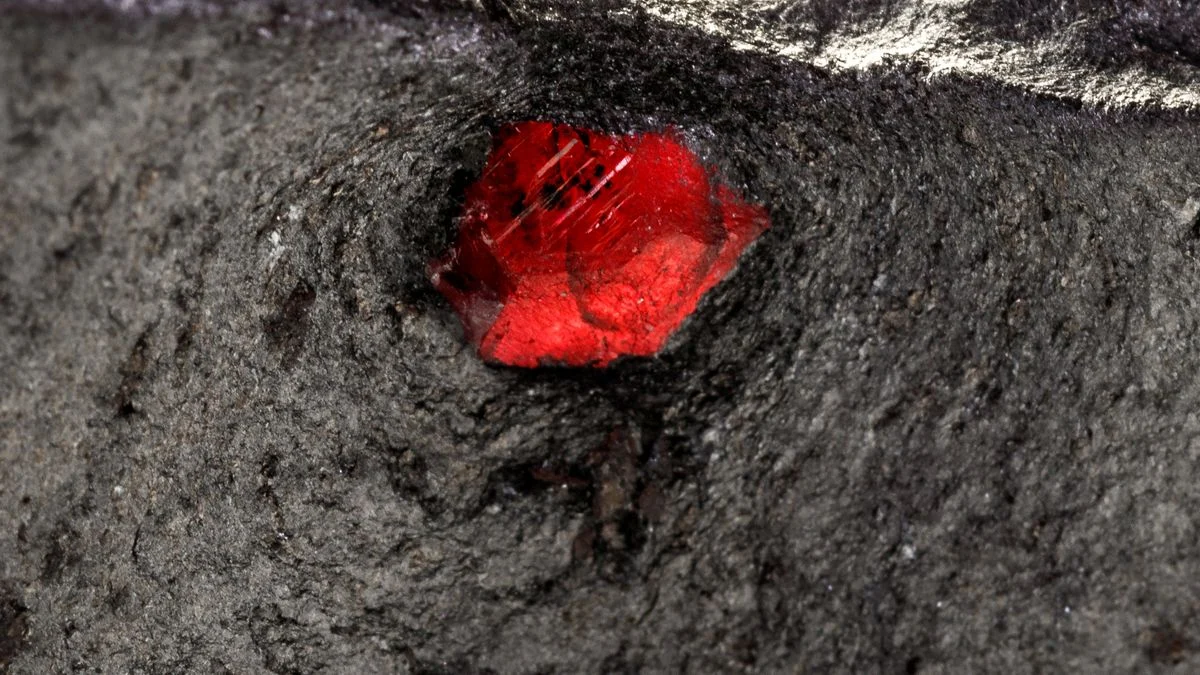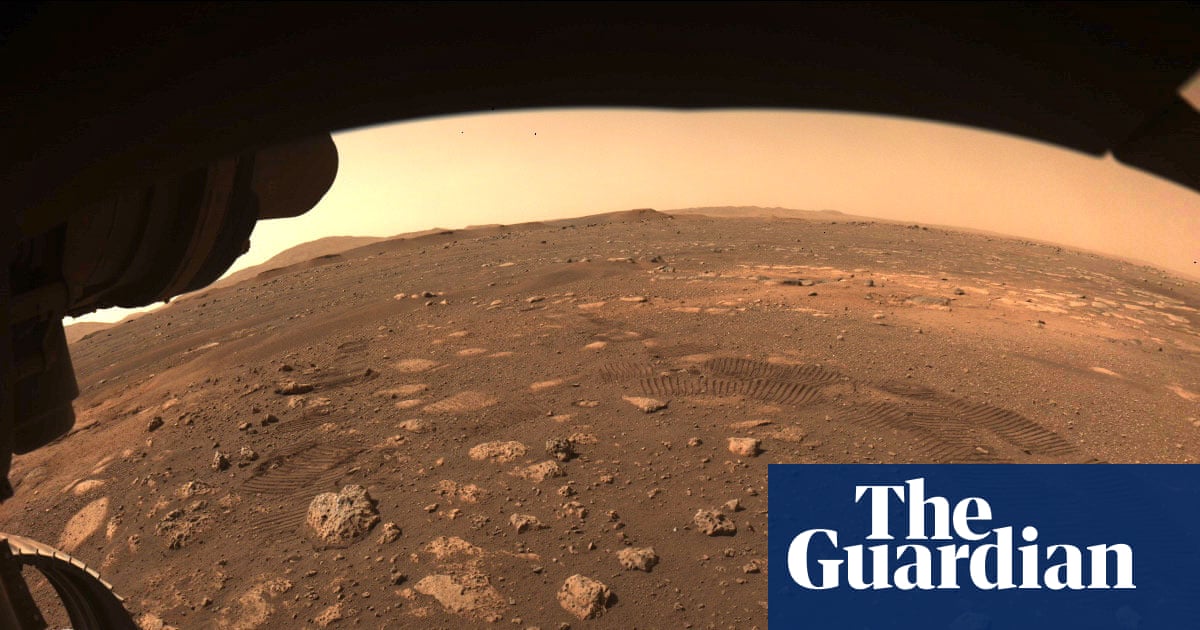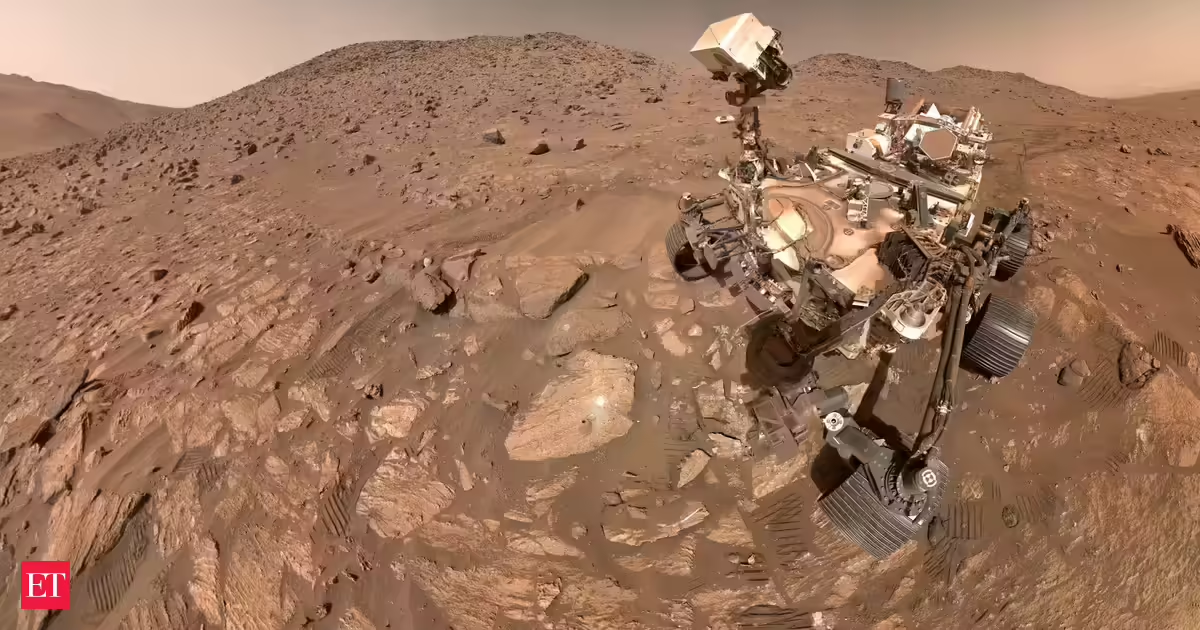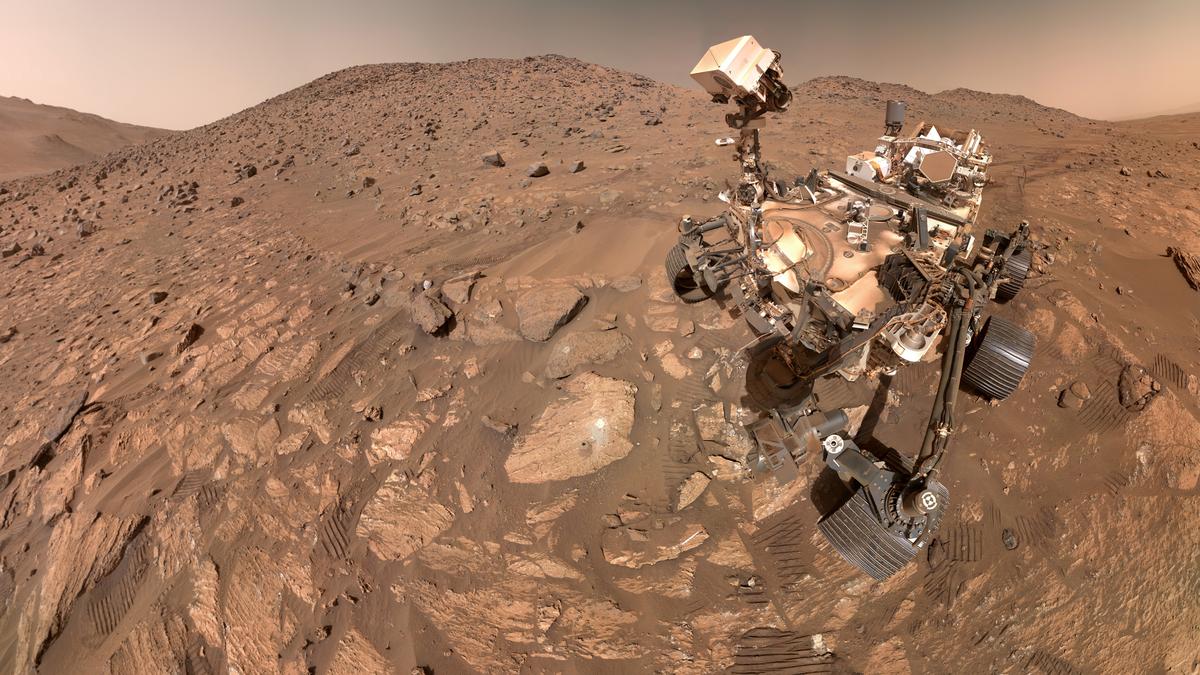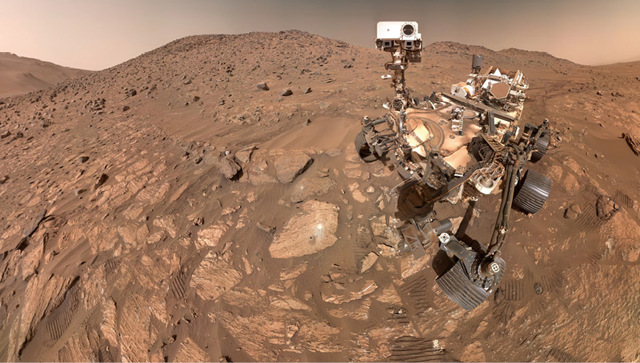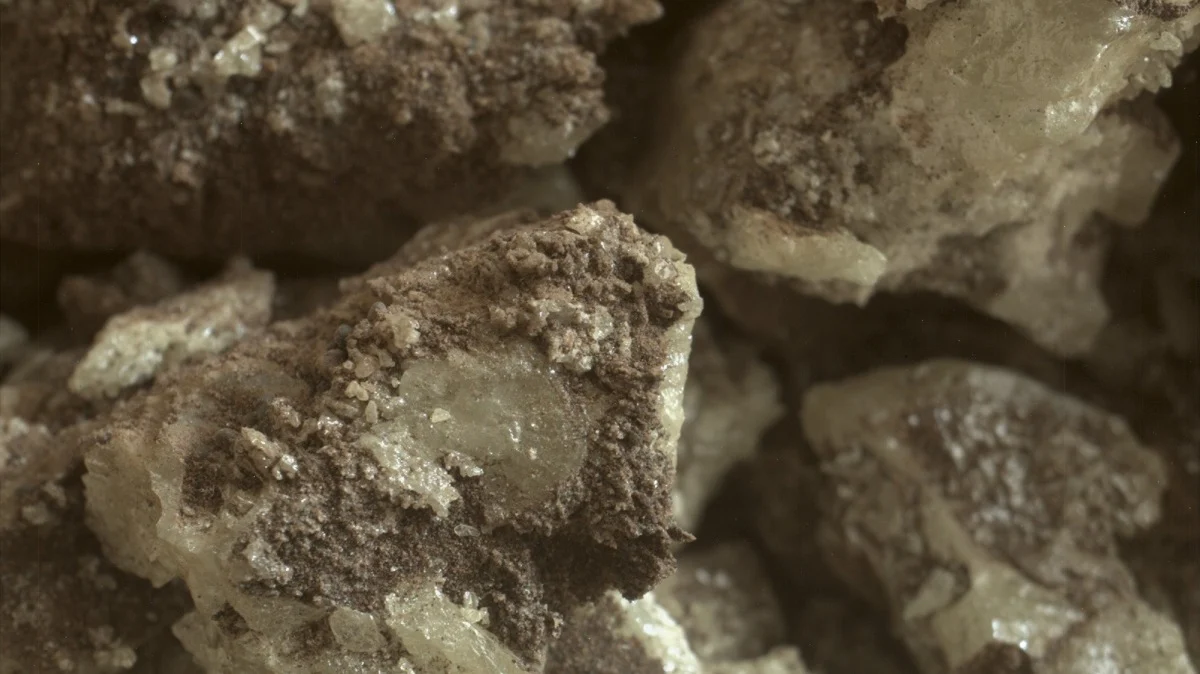
Scientists are closing in on an explanation for how mysterious pure sulfur rocks ended up on the surface of Mars. NASA's Curiosity rover accidentally discovered them at Gale Crater in 2024 by driving over them, crushing the material, and exposing a bed of crystals the color of Mello Yello. The mission team later realized this wasn't a small patch of rare rocks but a vast field sprawling 50 yards.When sulfur is made naturally on Earth, it is usually linked to superheated volcanic gases and hot springs. Another way it can form is through interactions with bacteria, said Abigail Fraeman, deputy project scientist on the Curiosity mission, two years ago.
You May Also Like
"We don't think we're anywhere near a volcano where the rover is, so that is a puzzling feature to find in this particular location," she told Mashable then. But a team of researchers now has an alternative idea that wouldn't require hot springs or Martian life. Instead, a space rock may have slammed into an area that already had a cache of sulfur buried underground. The extraordinary heat from the collision could have melted the sulfur into a liquid, thus allowing it to cascade downhill for a few miles before hardening into solid chunks like the ones the rover found.