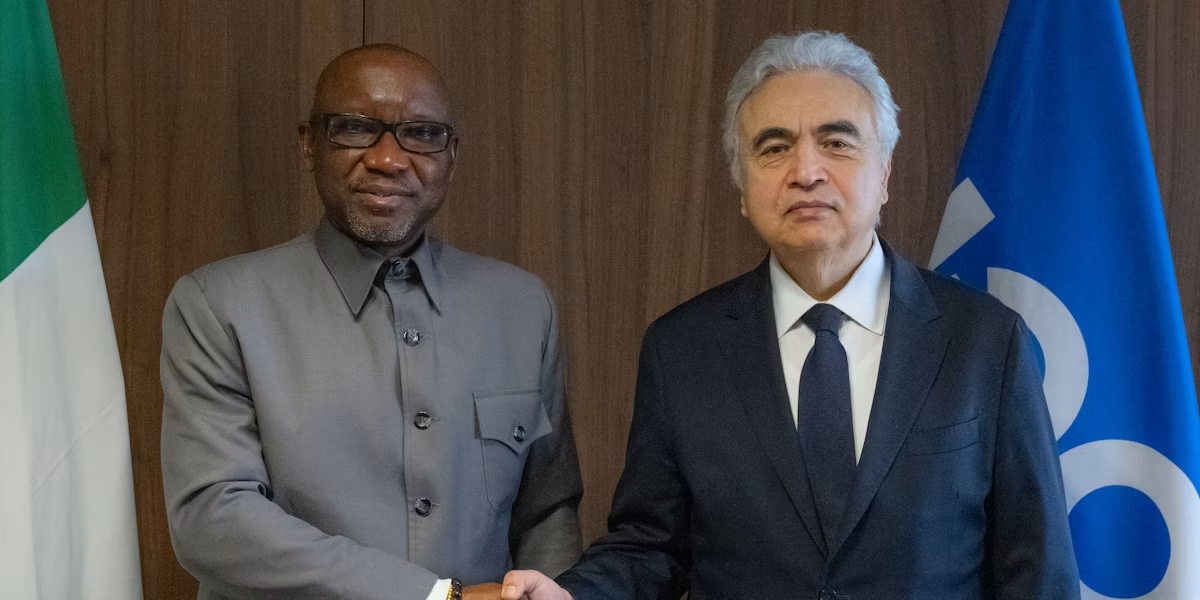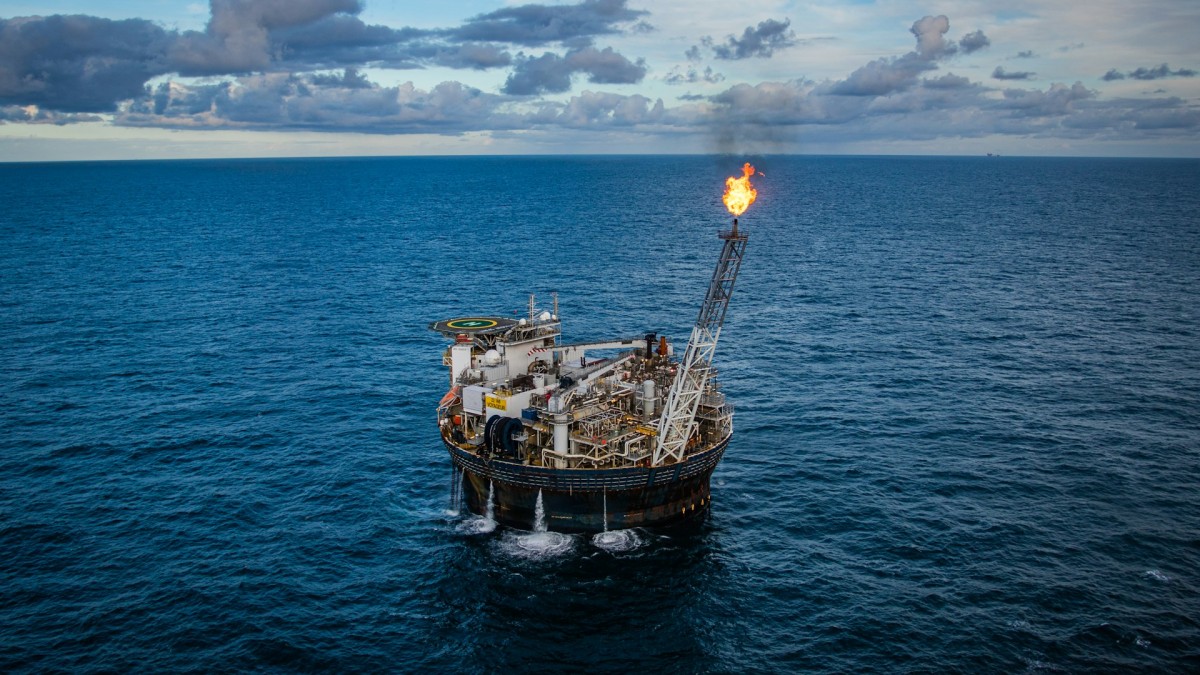
Nigeria, Africa’s biggest oil producer, has been admitted as an associate member of the International Energy Agency (IEA) after its governing board unanimously approved the application, just months after Nigeria’s government submitted its bid in May.
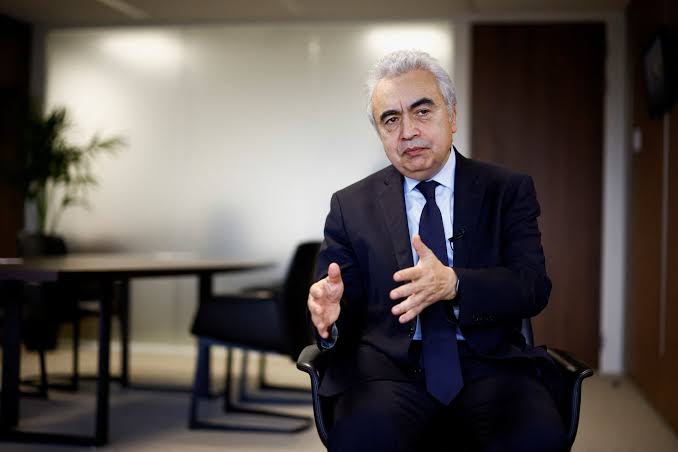
In an exclusive interview with BusinessDay’s Lolade Akinmurele & Dipo Oladehinde, Fatih Birol, the agency’s executive director, who has spent 32 years at the Paris-based agency and previously worked at the Organisation of the Petroleum Exporting Countries (OPEC), discussed why Nigeria’s membership matters, what benefits it unlocks, and how he squares Nigeria’s dual role in both the IEA and OPEC.
Tell us about the IEA and what this membership means?
We are 52 years old as an organisation. We are the global energy authority, and we cover all energy sources: oil, gas, electricity, nuclear power, climate change, investment, and all technologies, from electric cars to hydrogen and nuclear power.
We have 53 member governments in the International Energy Agency family, and we shape the global energy agenda, whether that is energy security, energy crises, climate change, or energy access for developing countries.