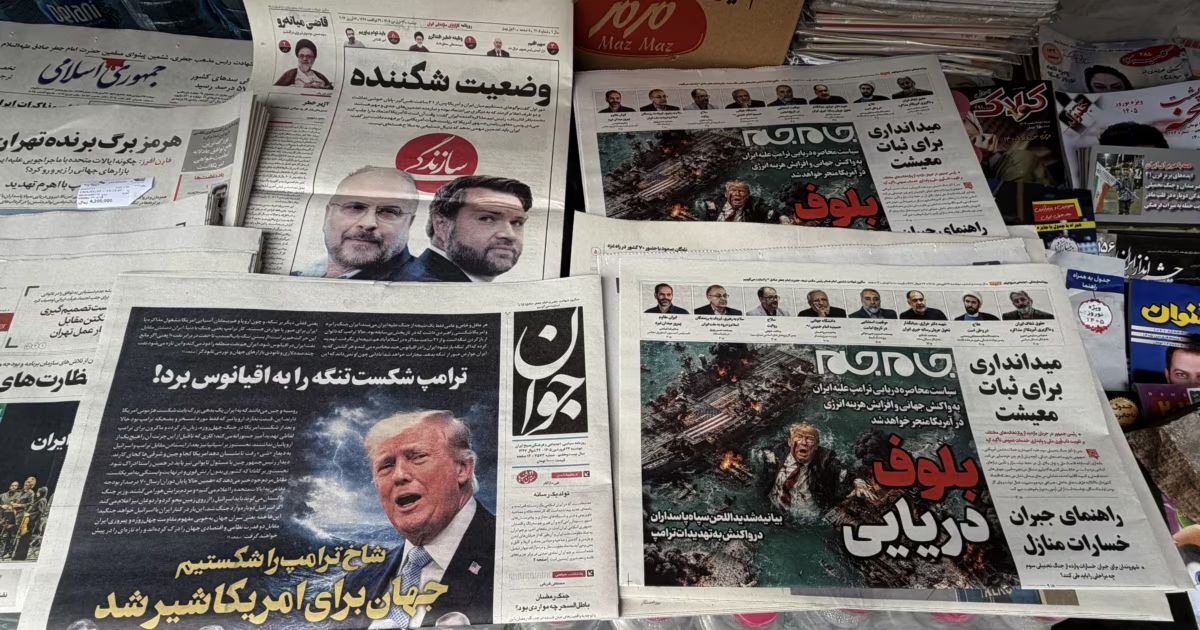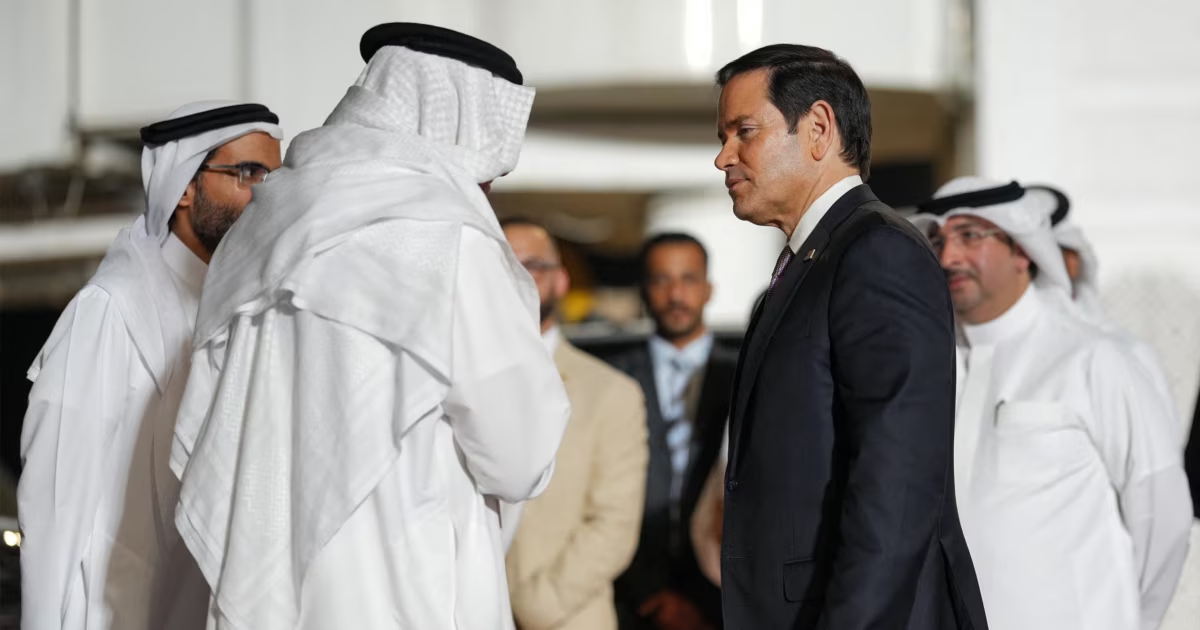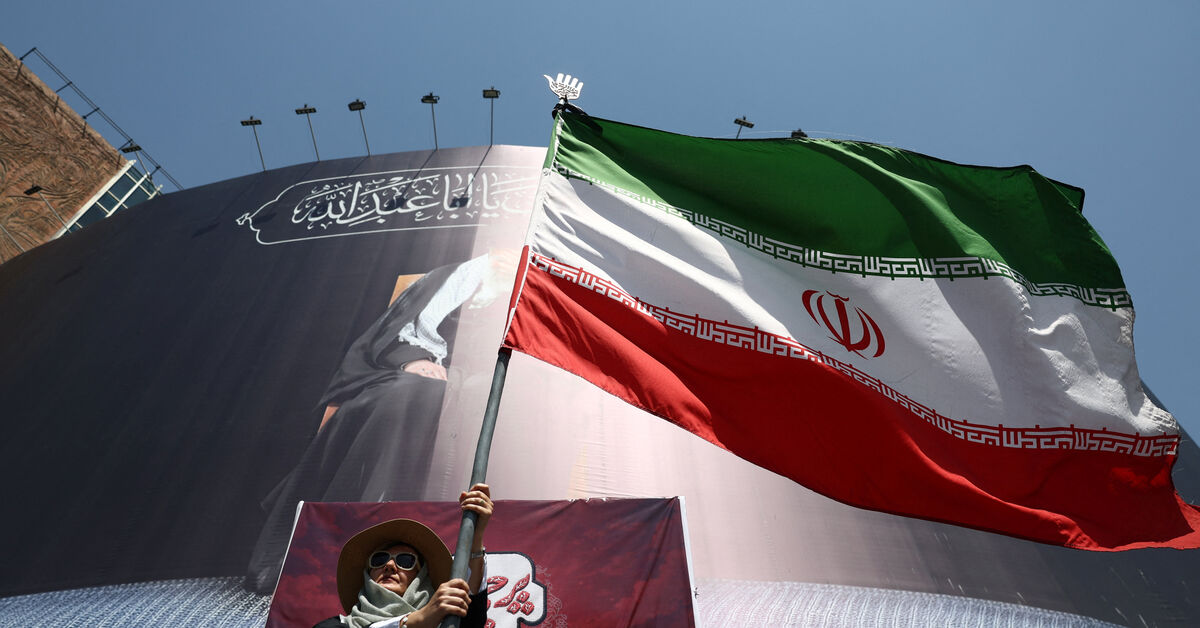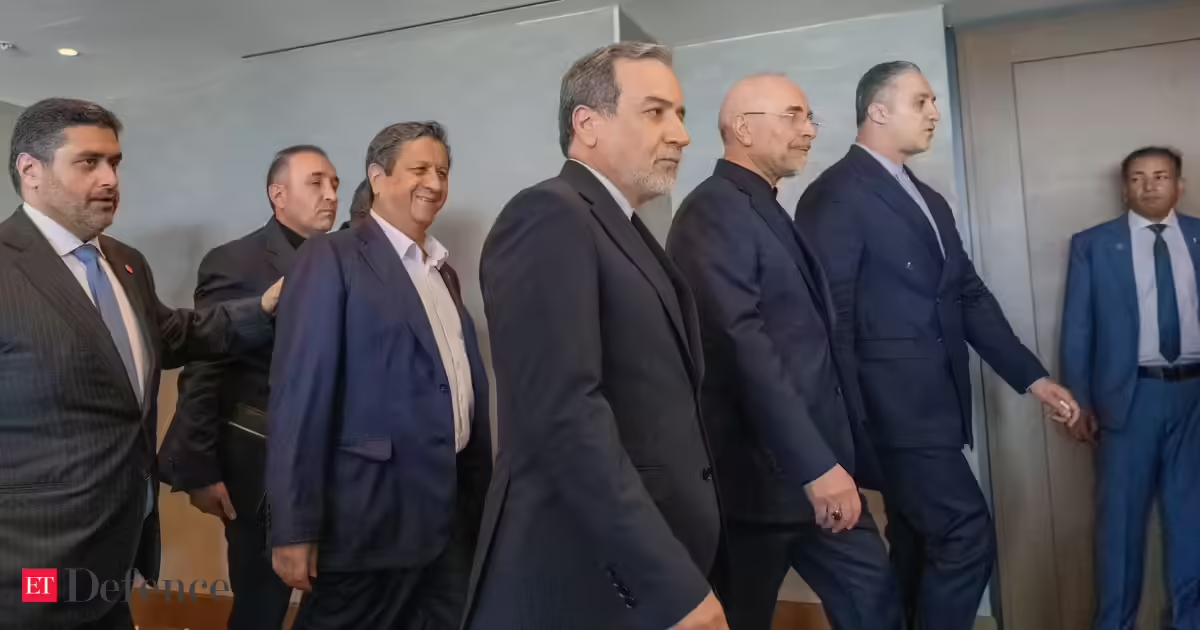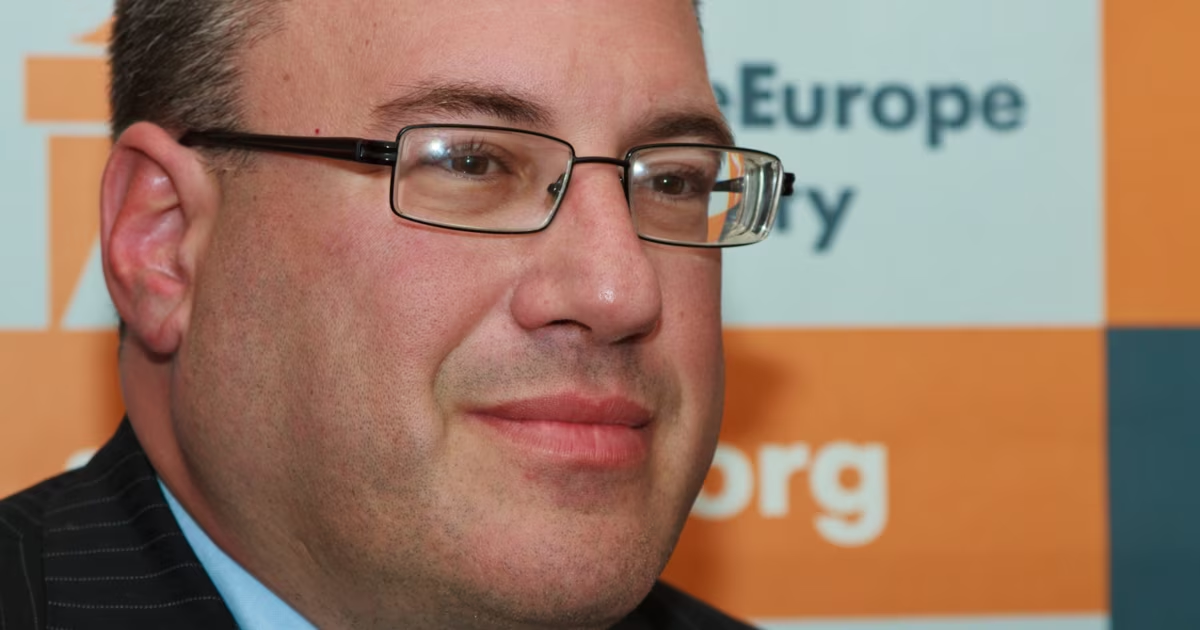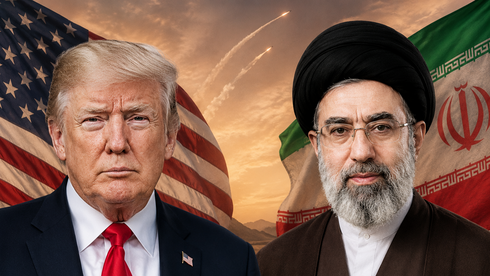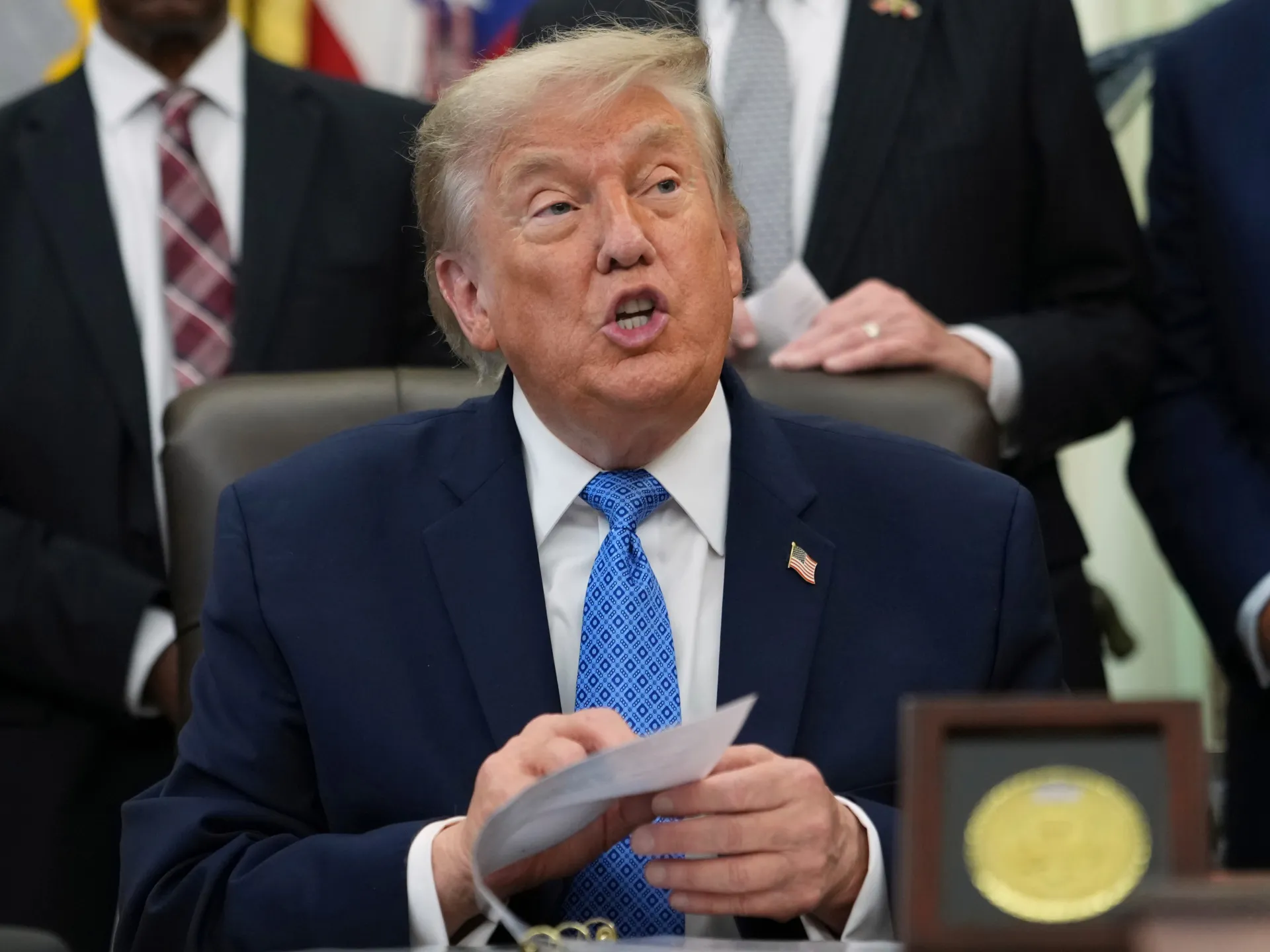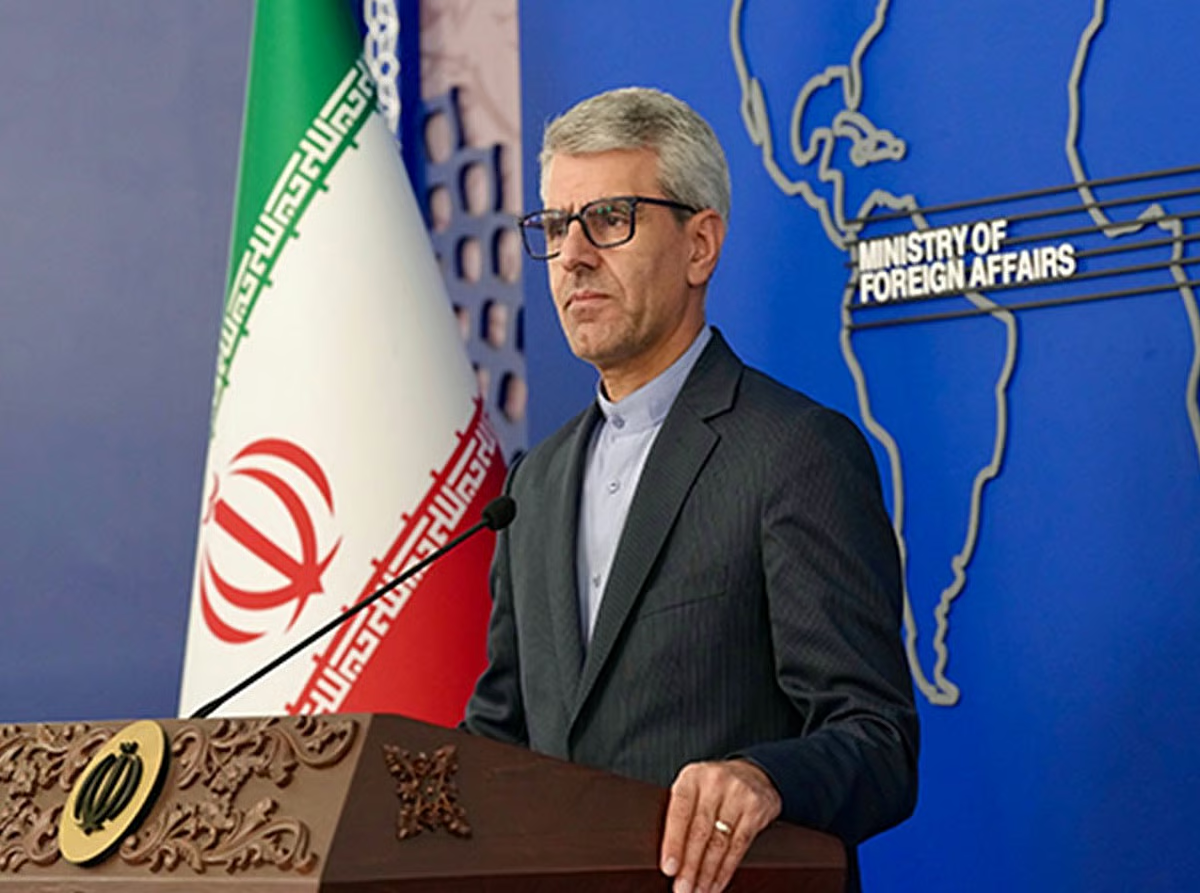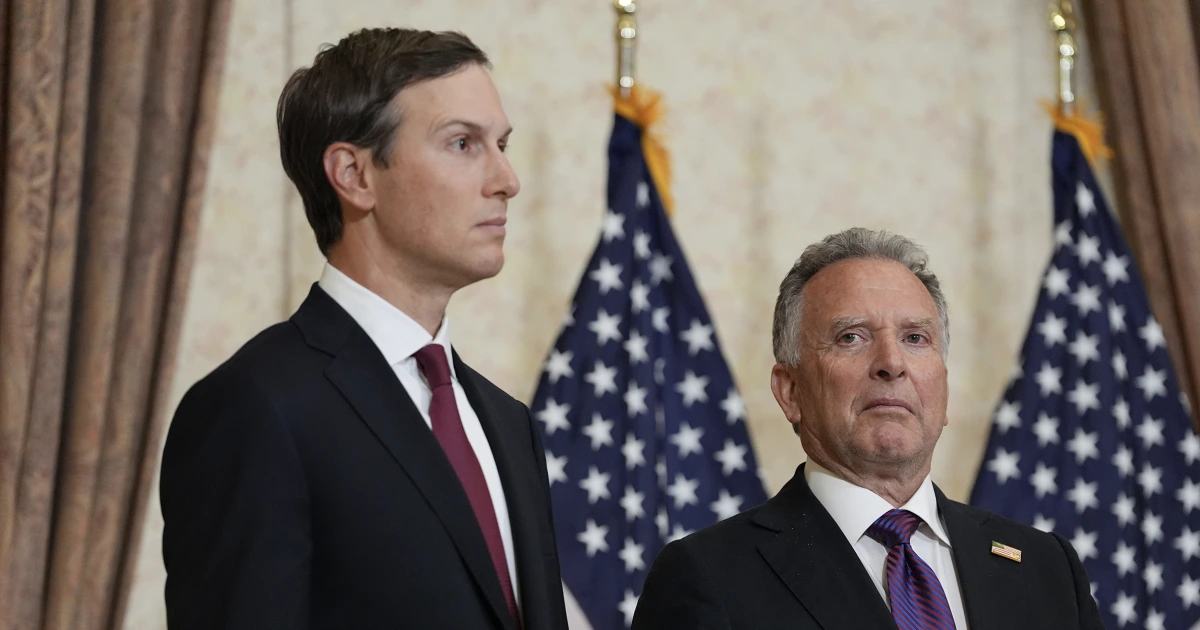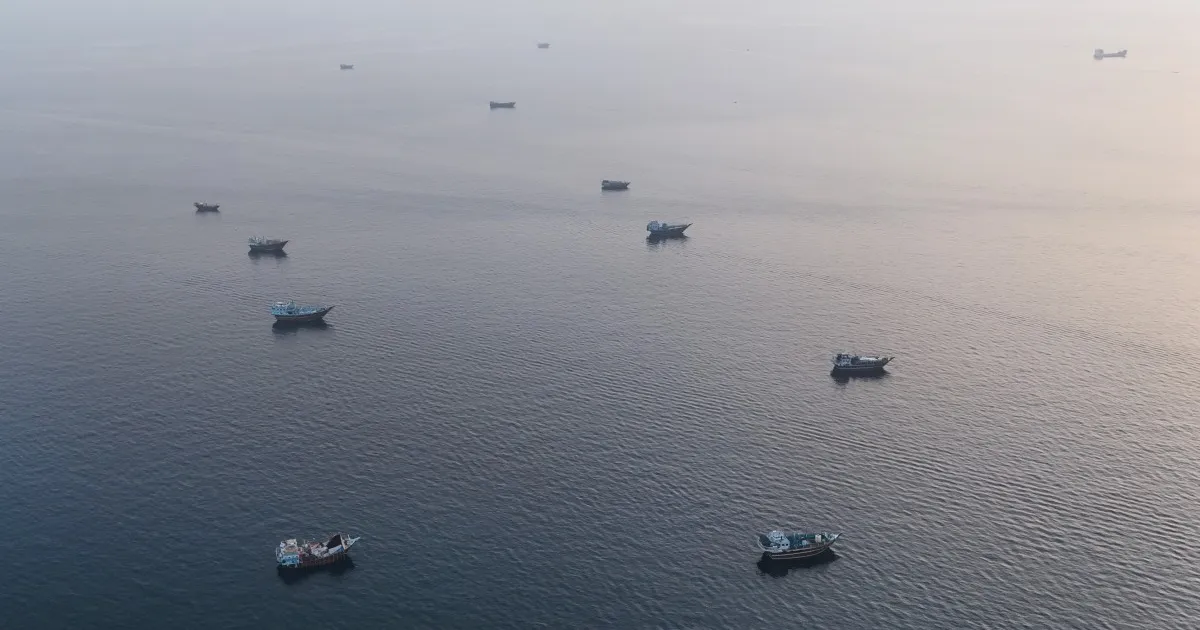
WASHINGTON -- As Washington and Tehran test the limits of a fragile interim understanding, the diplomacy around Iran has become increasingly complex -- and increasingly indirect. What began as expectations of direct US-Iran talks in Doha has shifted into shuttle diplomacy through Qatar, while tensions in the Gulf remain dangerously high.To unpack the latest developments, RFE/RL spoke with Marc J. Sievers, a former US diplomat based in Abu Dhabi who has served across the Middle East, including as US ambassador to Oman, deputy chief of mission in Cairo, and senior diplomatic postings in Baghdad, Tel Aviv, and Riyadh.RFE/RL: What was initially presented as possible direct US-Iran talks in Doha now appears to be indirect, Qatar-mediated diplomacy. What does that tell you about how fragile this process really is?Marc Sievers: I saw a statement by an Iranian spokesperson saying there will be no direct talks. I find that a bit surprising, but I can’t confirm exactly how that works. It doesn’t seem worth the effort to send US negotiators to Doha if they’re not going to speak to the Iranians directly. But again, that’s the White House’s call.It doesn’t speak well to the status of the MOU [memorandum of understanding] at this point, particularly after the exchange of fire in the Gulf, the Iranian attacks on shipping in the Strait of Hormuz, and the US military reaction. So, it’s a delicate situation diplomatically.
As Iran Tests Hormuz And Attacks The Gulf, A Former US Ambassador Says Trust Is Gone
As Washington and Tehran test the limits of a fragile interim understanding, the diplomacy around Iran has become increasingly complex. To unpack the latest developments, RFE/RL spoke with Marc J. Sievers, a former US diplomat based in Abu Dhabi who has served across the Middle East.
1,299 words~6 min read