Top US envoys who have arrived in Doha will not hold a high-level meeting with Iran, a Qatari official said on Tuesday, casting doubt on the progress of efforts to bring a lasting halt to the Iran war and fully reopen the Strait of Hormuz.Instead, there will be technical talks this week on issues including regional security that could later be elevated to senior level, Qatar’s Foreign Ministry spokesperson Majed Al Ansari told a media briefing.
He said Qatar has not transferred $6 billion of Iranian frozen funds to Tehran. Meanwhile, Doha has been coordinating with Oman, which sits on the western coast of the Strait of Hormuz, on the safe passage for vessels, the Qatari spokesperson added.
For all the latest headlines, follow our Google News channel online or via the app.
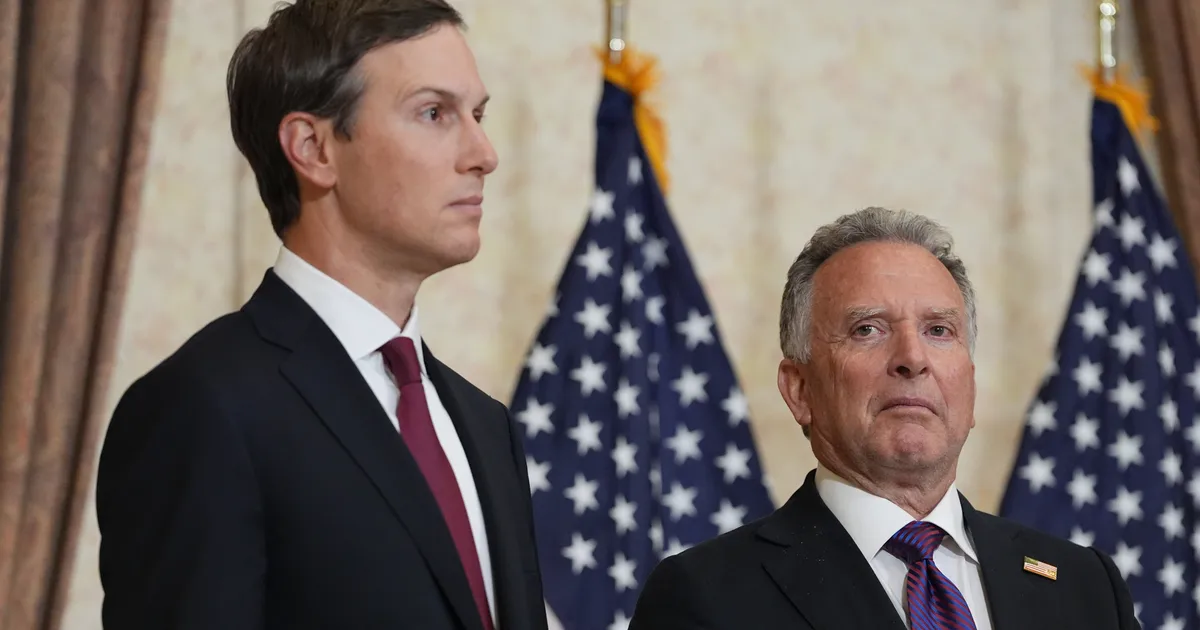
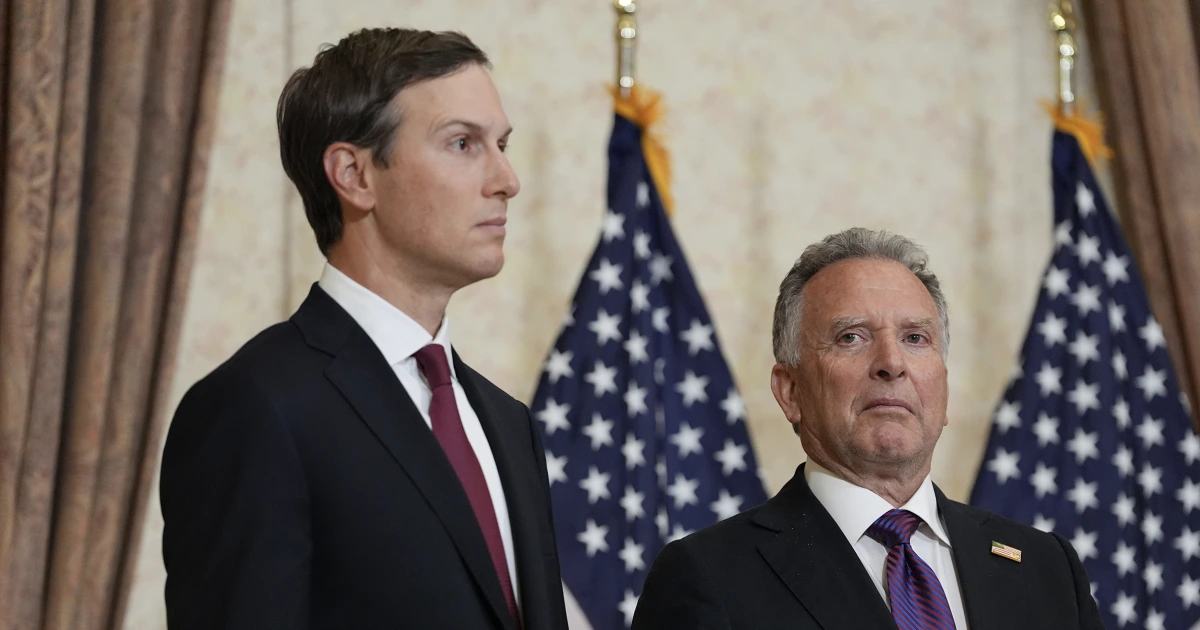
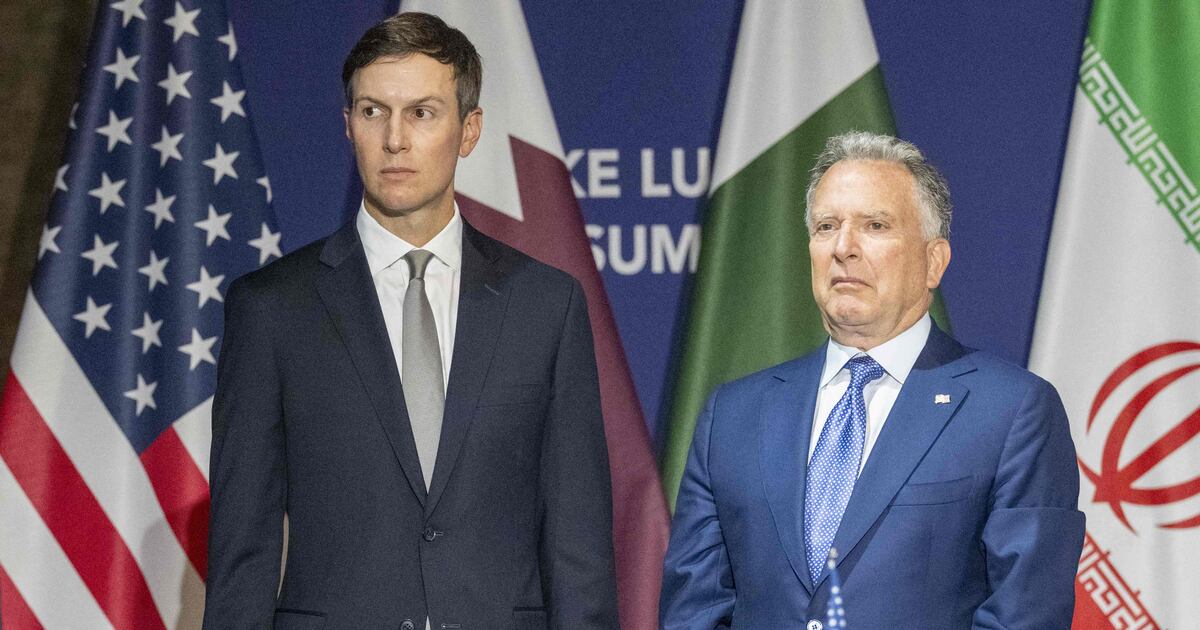
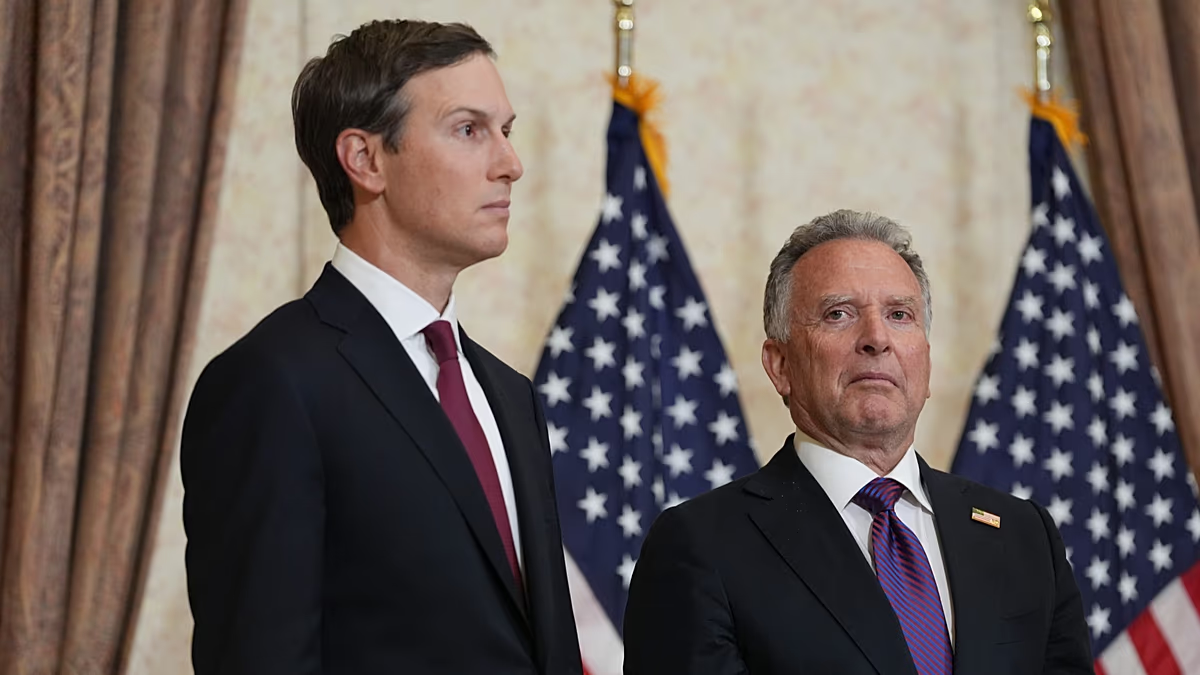
The arrival of US President Donald Trump's son-in-law Jared Kushner and envoy Steve Witkoff in Doha on Tuesday followed exchanges of fire over the weekend that tested the June 17 interim accord between the United States and Iran.
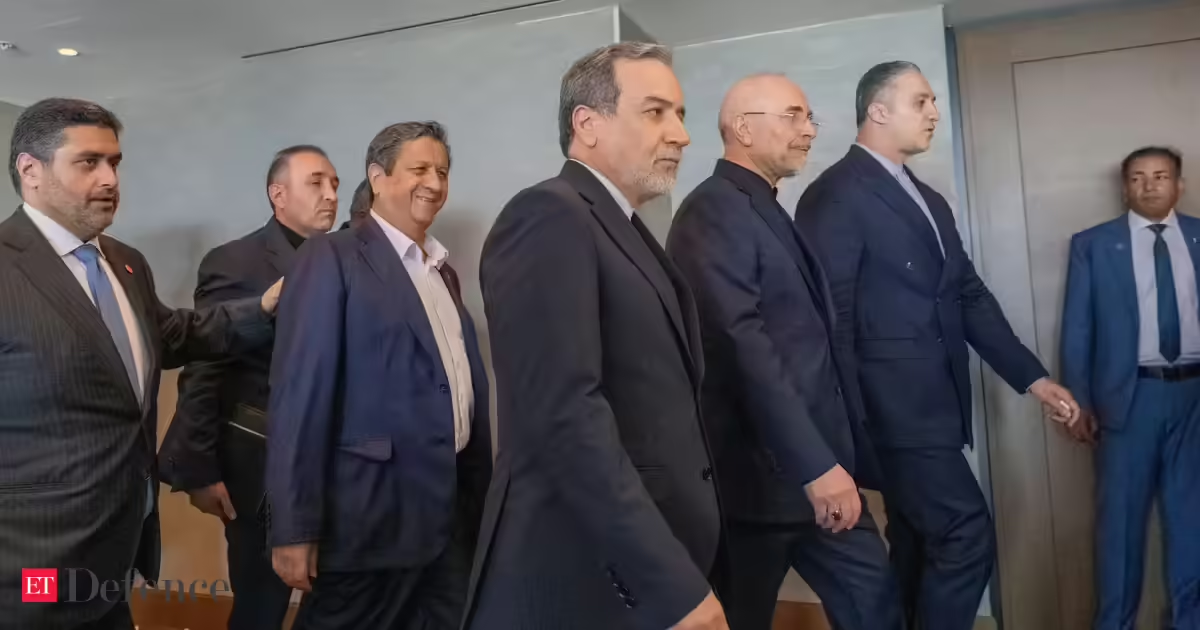
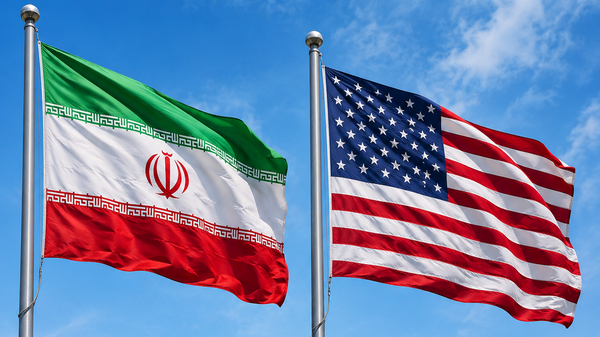
While Iran is sending its technical delegation to Qatar this week, Foreign Ministry spokesperson Esmaeil Baghaei said this had “no relation” to the Americans’ visit and no talks between the two sides were scheduled.“We will not have any negotiation meetings at any level with the American side in the coming days,” Baghaei said.The disagreement over whether the sides would even meet underscored the fragility of a June 17 accord to pause a conflict that has disrupted global oil flows through the Strait of Hormuz and created a political headache for Trump ahead of November’s congressional elections.The US and Iran gave themselves at least 60 days to implement the 14-point memorandum of understanding to extend an April ceasefire, discuss Iran’s nuclear program and negotiate a permanent truce. But progress has been halting, with each side accusing the other of violating agreed terms.After the US and Israel attacked Iran on February 28, maritime traffic through the Strait of Hormuz, the narrow chokepoint that previously carried about a fifth of the global oil trade, came to a virtual standstill.Israel has not joined the US-Iran peace talks and has distanced itself from the agreement. Tensions between Washington and Tehran have complicated efforts to end fighting in Lebanon, where Parliament Speaker Nabih Berri, an ally of Iran-backed Hezbollah, has cast doubt on a separate, US-brokered agreement between Lebanon and Israel aimed at halting the conflict.Closure of the waterway sent oil prices to above $100 a barrel, pushing up global inflation and putting pressure on Trump ahead of the midterm elections that will determine control of the US Congress, where some of his fellow Republicans have criticized the president for waging war without lawmakers’ authorization.A senior Iranian official said there would be a meeting in Doha on Tuesday, but unlike previous technical talks between Iran and US teams in Switzerland, the focus would be on managing the Strait of Hormuz and de-escalating tensions.Another official with knowledge of the plans said technical teams from the US and Iran are expected to meet separately with Qatari and Pakistani mediators on Wednesday.