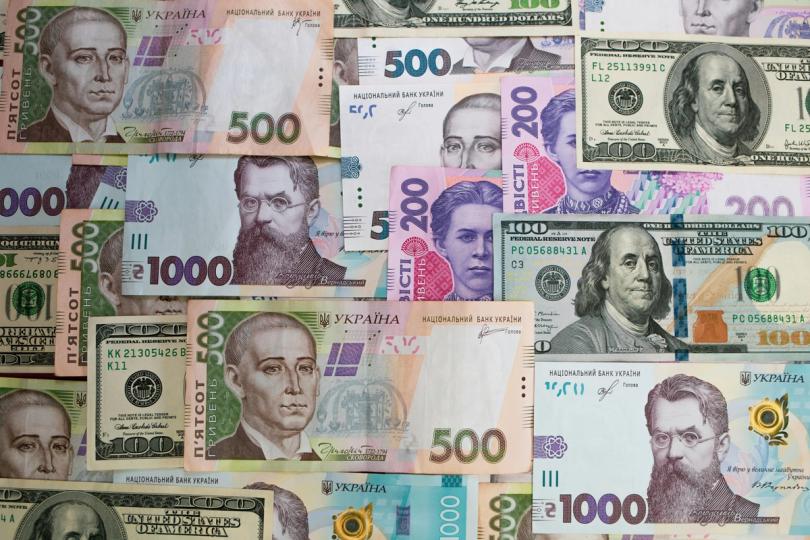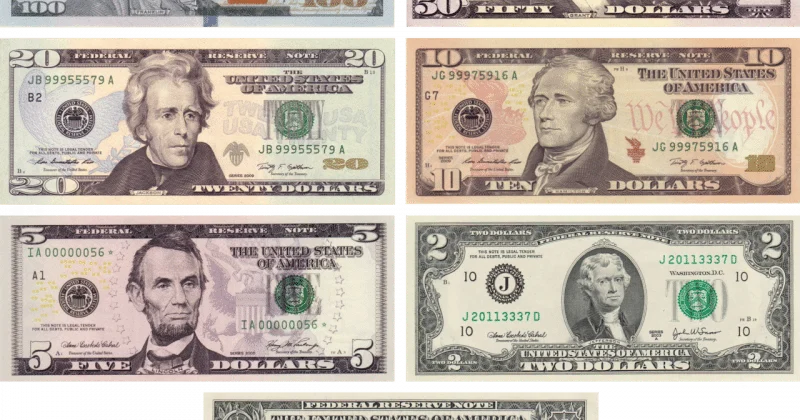
The US dollar once commanded more than 70% of the world’s foreign exchange reserves. That number now starts with a five.
According to IMF COFER data, the dollar’s share of allocated global reserves fell to 56.32% in Q2 2025, down from 57.79% just one quarter earlier. That marks the lowest reading this century, a milestone that would have seemed far-fetched when the greenback accounted for roughly 72% of reserves back in 2000.
A long, slow slide
The dollar has shed roughly 14 percentage points of its reserve share since the early 2000s. That’s meaningful, but it’s also happened over a quarter century.
The decline hasn’t been a straight line, either. After hitting 56.32% in Q2 2025, the dollar’s share ticked up to 56.77% in Q4 2025, then bounced further to 57.13% in Q1 2026. The rebound was largely attributed to valuation effects, meaning the dollar’s price appreciation mechanically inflated its share of reserves, rather than central banks actively buying more greenbacks.