Hwang Dong-hee
Books Performance Heritage
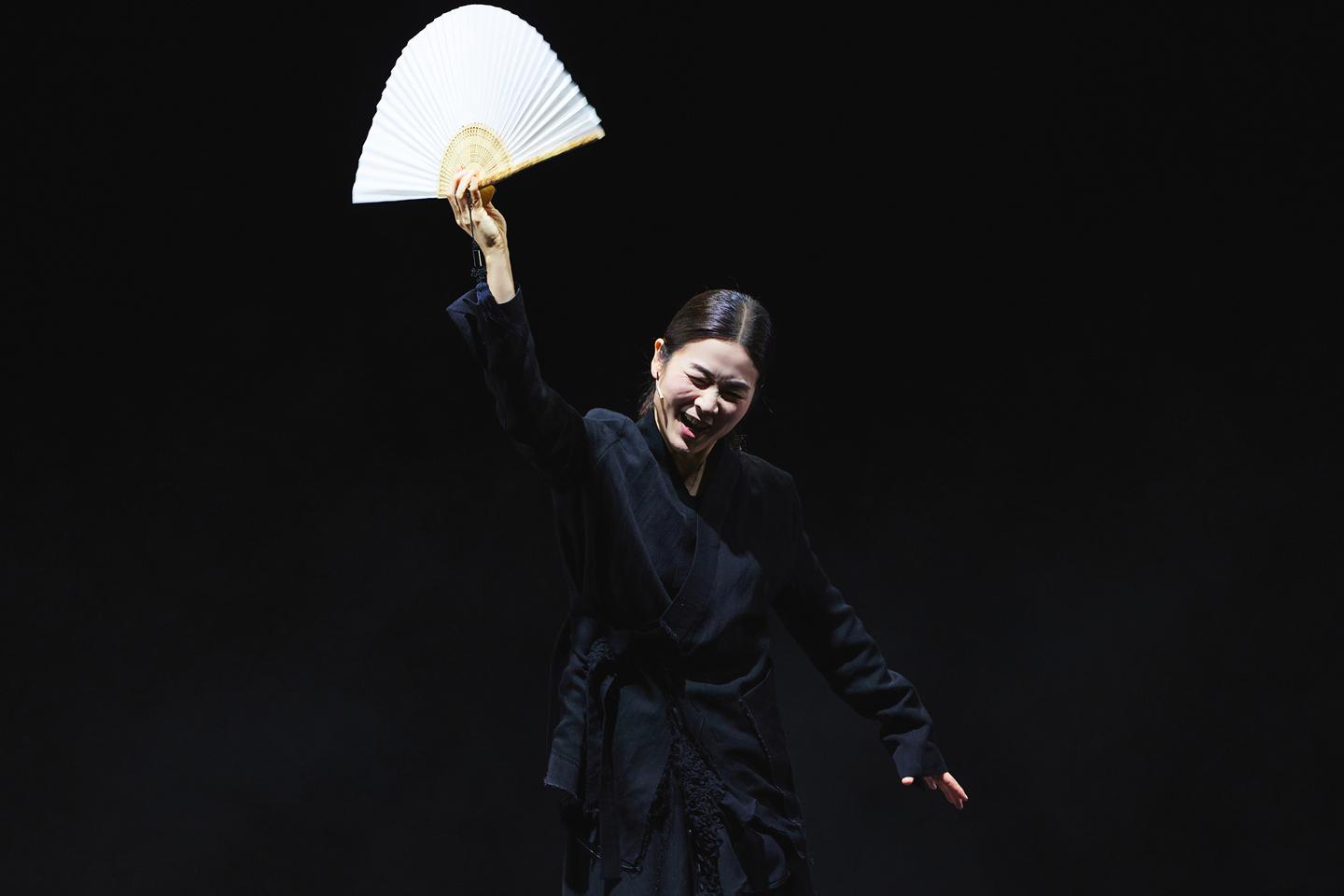
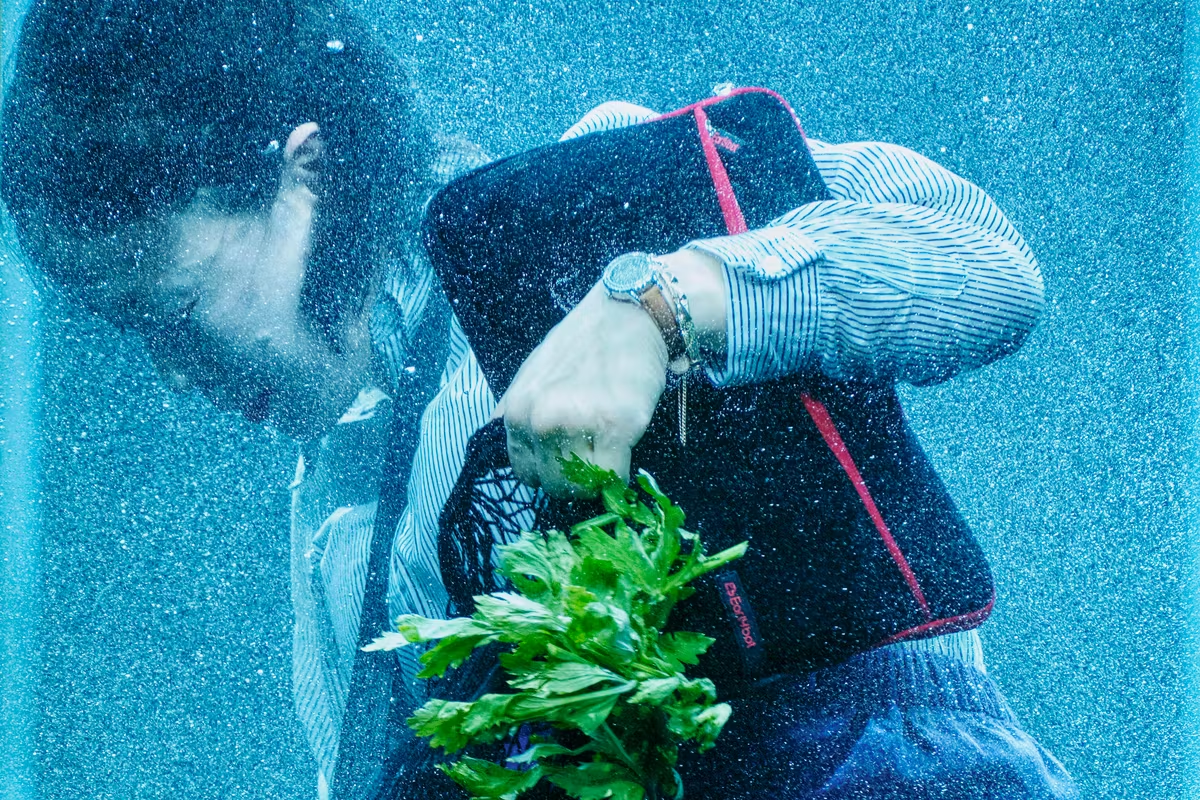
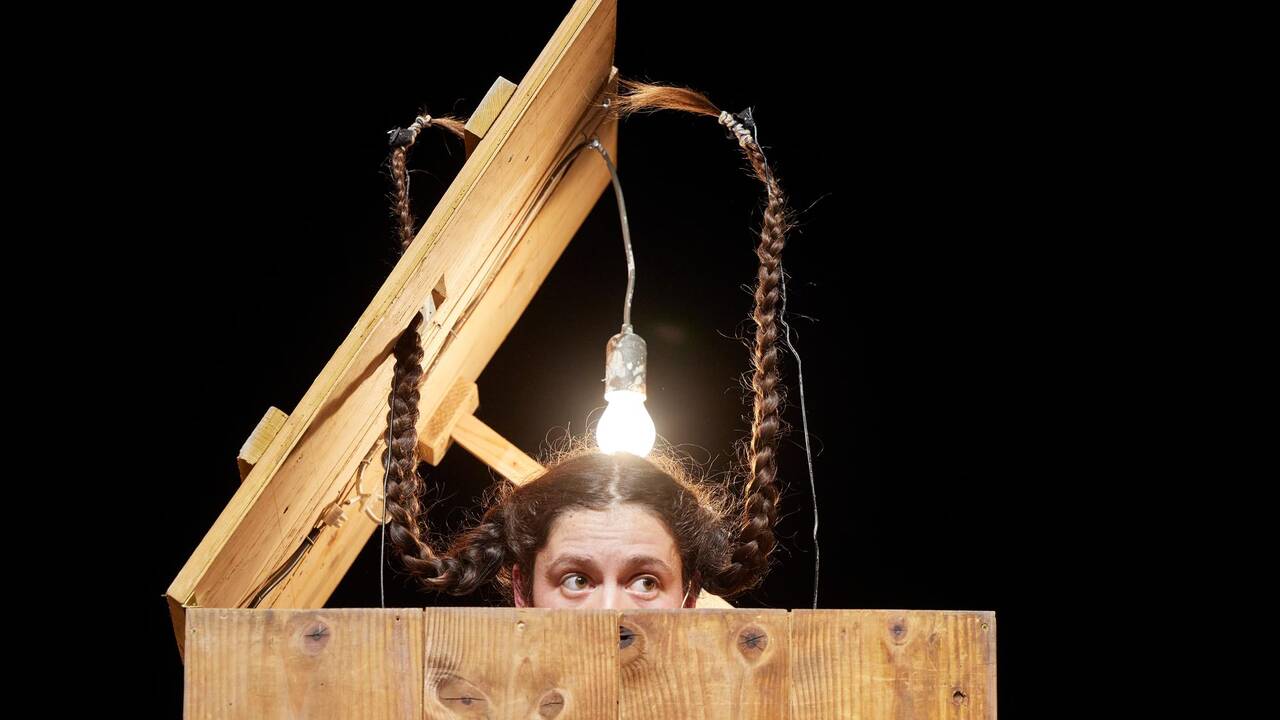
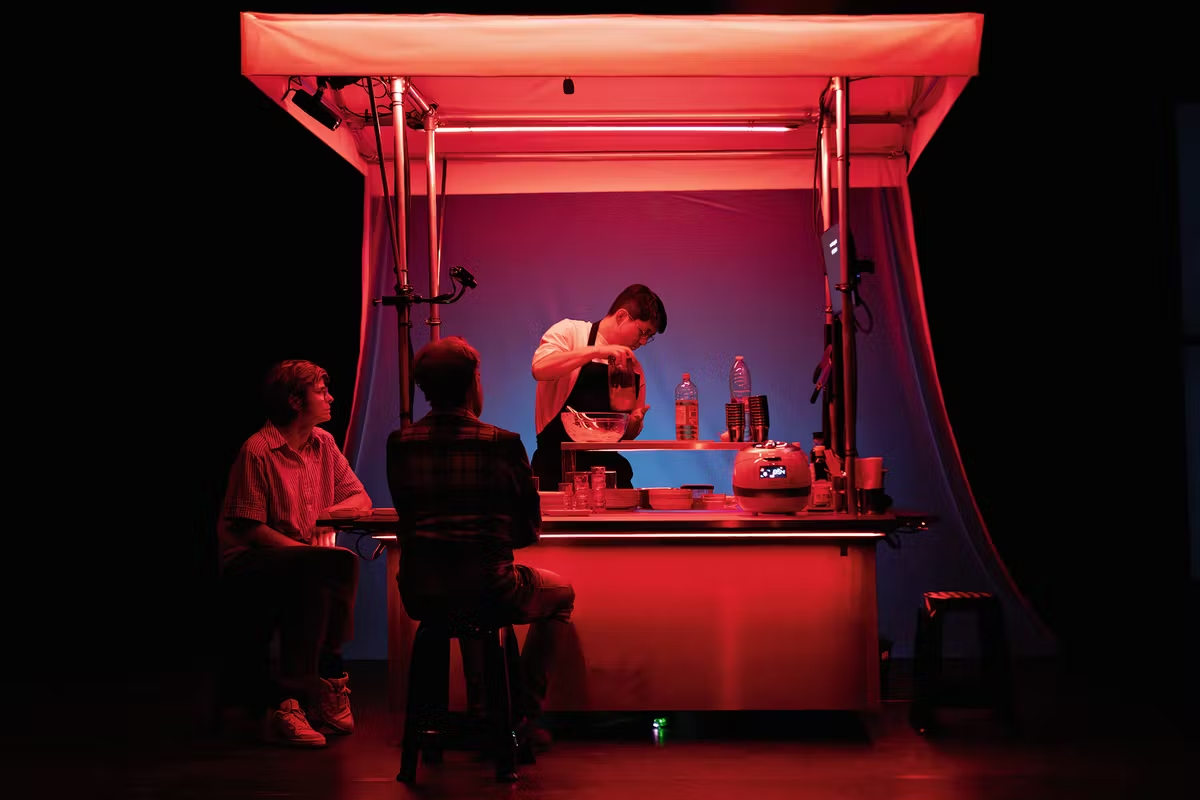
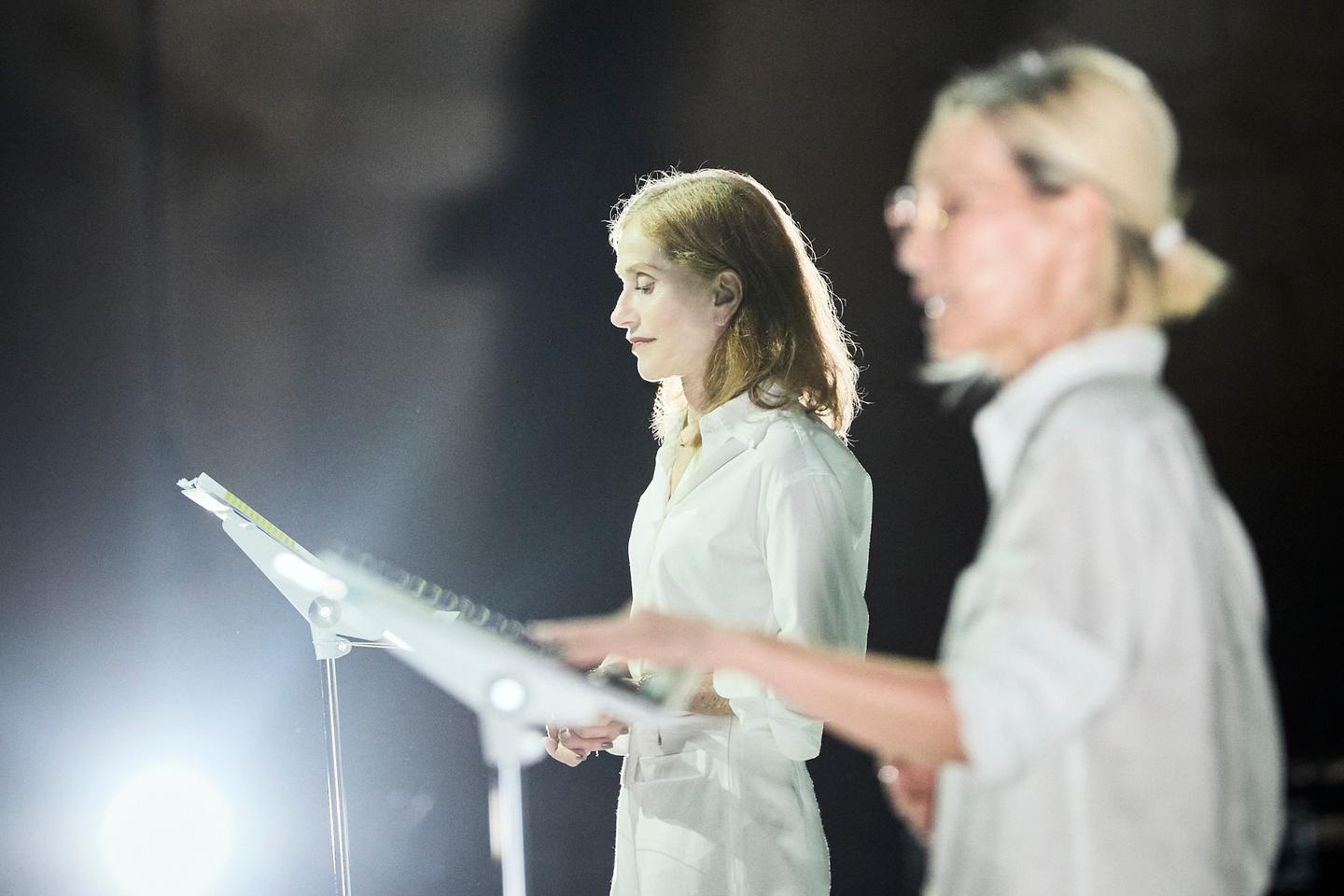
Korean-language productions take center stage at the world's leading performing arts festivalExpressing a mix of disbelief and excitement, many of the Korean artists featured in this year's festival said they could never have imagined standing on the Avignon stage one day.Founded in 1947, the Avignon Festival, alongside the Edinburgh Festival, is considered one of Europe's major performing arts festivals. This year's edition marks the first official inclusion of Korean works since 1998, when the festival's "Desir d'Asie" program spotlighted East Asian arts.Korean has been named this year's guest language, following English, Spanish and Arabic."We understood how rich and strong Korean performing arts are, and how this language has become something that makes young people very curious, something that can be a discovery for wider audiences," said the artistic director Tiago Rodrigues.He added that he was fascinated by how contemporary Korean creation "establishes a dialogue between innovation, present and future on one hand, and the past, tradition and history (on the other)."The 2026 edition, running from July 4 to 25, will feature nine Korean productions in its official program. Here's a preview of the invited works, in order of performance. Elephants Laugh's "Muljil" (Sejong Center for the Performing Arts) 'Muljil' (July 4-7)Inspired by the "haenyeo" of Jeju Island — women who free dive deep into the sea to harvest seafood — "Muljil" brings to the surface what remains unseen beneath the water. The title refers to the act of diving performed by the haenyeo. The production unfolds around large water tanks in which the performers are submerged.Director Lee Jin-yeob said the work connects Jeju's haenyeo with refugees through shared experiences of labor, survival and resilience. She suggested that while people may live like isolated islands, they ultimately share the same sea. The performers' submerged bodies evoke the fragile boundary between life and death while echoing the experiences of refugees crossing the sea. Refugees living in the Avignon region will join the cast onstage. Creative VaQi's "Island Story" (Ok Sang-hoon) 'Island Story' (July 4-6) A popular tourist destination and the homeland of haenyeo, Jeju Island also carries a painful history."The Island Story" revisits one of Korea's darkest chapters, the Jeju April 3 massacre — a period of political violence and state-led crackdown between 1947 and 1954, in which as many as 30,000 civilians were killed, many accused of communist sympathies. The events were long suppressed under military rule, and survivors and their families were stigmatized for decades.Based on testimonies from survivors and victims' families, the documentary theater draws on interviews conducted after the excavation of more than 400 sets of remains beneath Jeju Airport's runway. Director Lee Kyung-sung said the work reflects a community's resilience despite decades of silence. "1 Degree Celsius" (Seoul Performing Arts Festival) '1 Degree Celsius' (July 5-11)Bringing climate crisis discourse to the stage, "1 Degree Celsius" asks how art can spark action in the face of the changing environment around us.Choreographer Her Sung-im said the work was inspired in part by conversations with her 10-year-old son, whose biggest concern was global warming. She recalled realizing that the next generation was already carrying the burden of climate anxiety. When she asked him what could be done, he replied, "We need to walk more."Seven dancers move to a score built from atmospheric temperature data while lighting gradually intensifies to mirror a warming planet. Liquid Sound "Kin: Yeonhee Project I" (GoGuMa) 'Kin: Yeonhee Project I' (July 8-11)"Yeonhee" refers to a centuries-old Korean street performance tradition that blends dance, circus and percussion.Through "Kin: Yeonhee Project I," the creative collective Liquid Sound reimagines the form for contemporary audiences, deconstructing and reassembling traditional elements including sangmo, the hat with long paper streamers used in folk performances, and instruments from samulnori, the traditional percussion quartet. Through pared-down staging, vivid costumes and acrobatic sequences, the production offers a fresh interpretation of Korean heritage."Tradition is such a complete and established art form, so we think about how it can move forward with contemporary audiences," said director Lee In-bo. "The History of Korean Western Theater" (Leontien Allemeersch) 3 works by Koo Ja-ha (July 5-15)Theater maker Koo Ja-ha, the first Asian and youngest recipient of the International Ibsen Award, presents three multimedia works spanning nearly a decade of his practice. He blends performance, installation and music to explore Korean identity, political and social history, and questions of belonging.In "Cuckoo," Koo enters into dialogue with three Korean electric rice cookers, turning the familiar household appliance into a lens on Korean society, where personal stories intersect with social inequality, loneliness and youth anxiety."The History of Korean Western Theatre" examines the impact of Western culture on Korean cultural identity. Looking back in time, he questions the concepts of authenticity and self-censorship."Haribo Kimchi" turns a Korean pojangmacha (street food stall) into a stage for stories of diaspora, comfort food and assimilation.'Oiseau' (July 15-16)At the Cour d'Honneur, the festival's iconic venue, one of the most anticipated performances will feature the opening chapter, "Oiseau," from Han Kang's "We Do Not Part," in a staged reading. Through the novel, the Nobel Prize laureate explores the Jeju April 3 massacre.Featuring Isabelle Huppert and Lee Hye-young, the performance highlights Han's recurring themes of historical trauma, fragile humanity and hope, according to the festival.The production will travel to the Seoul Performing Arts Festival in October. Han is not listed among the performers, but will take part in a separate conversation on memory, silence and transmission, titled "How Can We Write About Snow?" on July 12.Italian director Daria Deflorian also presents an adaptation of "We Do Not Part," titled "What a Terrible Pain Love Is." The production shares with Han "a refusal to reduce tragedy to place names or numbers," the festival said. "Snow, Snow, Snow" (LG Arts Center) 'Snow, snow, snow' (July 17-22)Veteran pansori singer Lee Ja-ram has carved out her own path within the traditional Korean storytelling form, moving beyond the traditional repertoire to create original narratives. Pansori is a traditional form of musical storytelling performed by a single singer accompanied by a drummer, combining narrative, acting and singing in a one-person show.With only a folding fan in hand, Lee leads audiences into Tolstoy's short story "Master and Man," following Vassili and Nikita as they become stranded in a blizzard. The tale becomes an intimate exploration of desire, anxiety and moral responsibility."In pansori, the audience's imagination works together with mine," Lee said. "Everyone leaves having drawn the story in their own way."What else?Beyond the performing arts program, the festival also features a wide range of events spanning film, literature and food.A Korean film program will screen works by directors including Bong Joon-ho, Hur Jin-ho, Lee Isaac Chung, Yeon Sang-ho and Hong Sang-soo. The selection is organized around themes of social conflict, family and identity.In visual arts, the Lambert Collection presents the first solo exhibition in France by choreographer and performance artist Jeong Geum-hyung.The Korean Cultural Center in France will also host a Korean literature book fair in the open-air cloister of Saint-Louis. A pojangmacha-style Korean street food booth linked to "Haribo Kimchi" will also operate alongside the festival venues.