There was neither fanfare nor much in the way of expectation to accompany a new television series called The Office when it debuted on BBC Two on 9 July, 2001. Billed as a “documentary-style sitcom”, it was so deadpan, and its comedy so bleak, that few knew quite what to make of it. Was it supposed to be… funny?
“A summer stinker,” decried the Evening Standard review. Of the ingratiating lead character, David Brent, the newspaper wrote: “A bore in homeopathic doses can be hilarious, but a bore in real time remains simply a bore.”
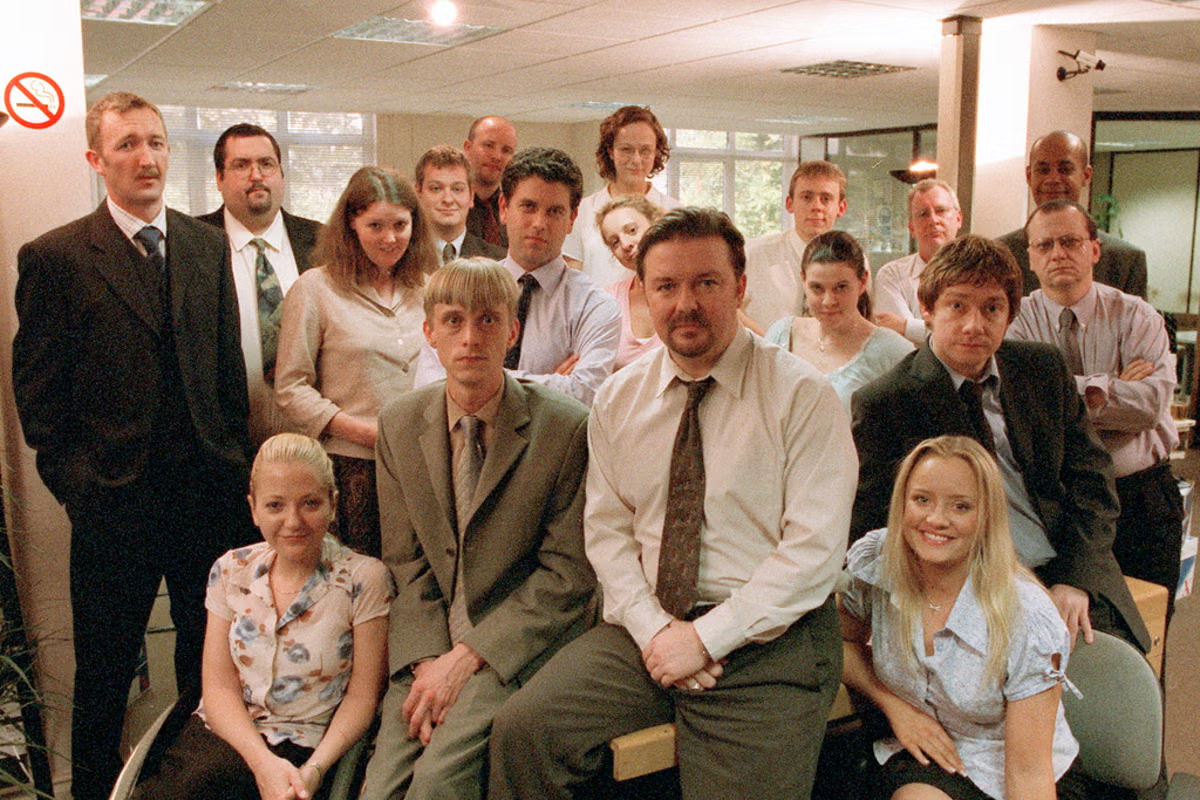
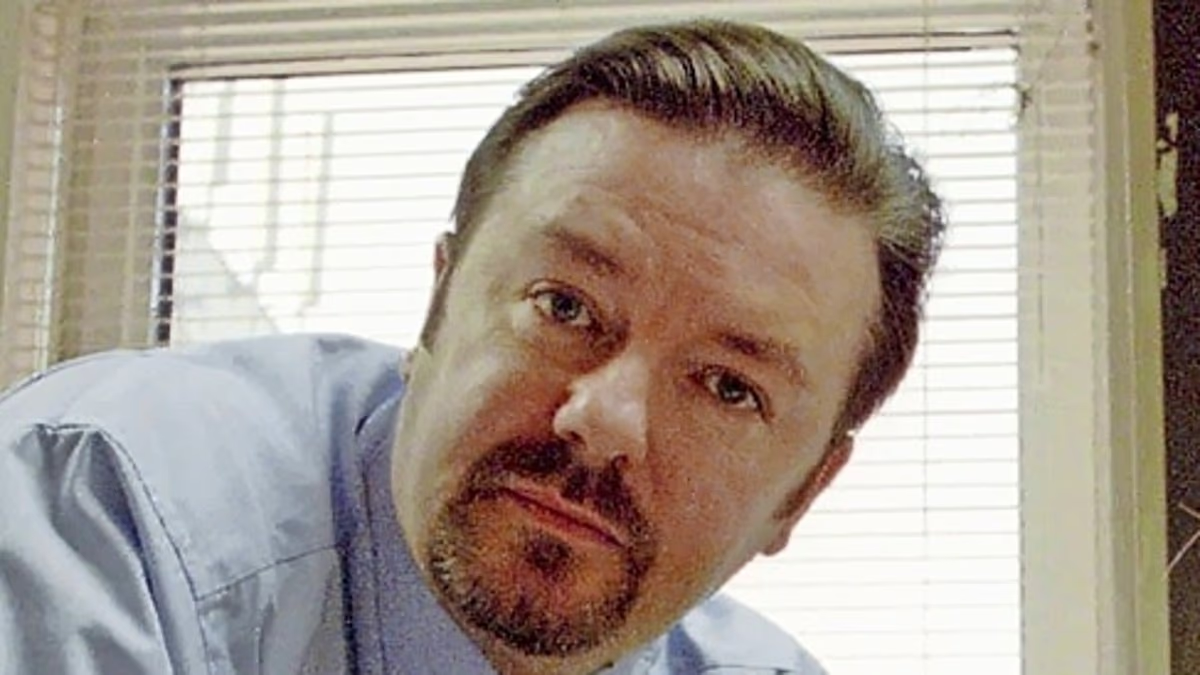
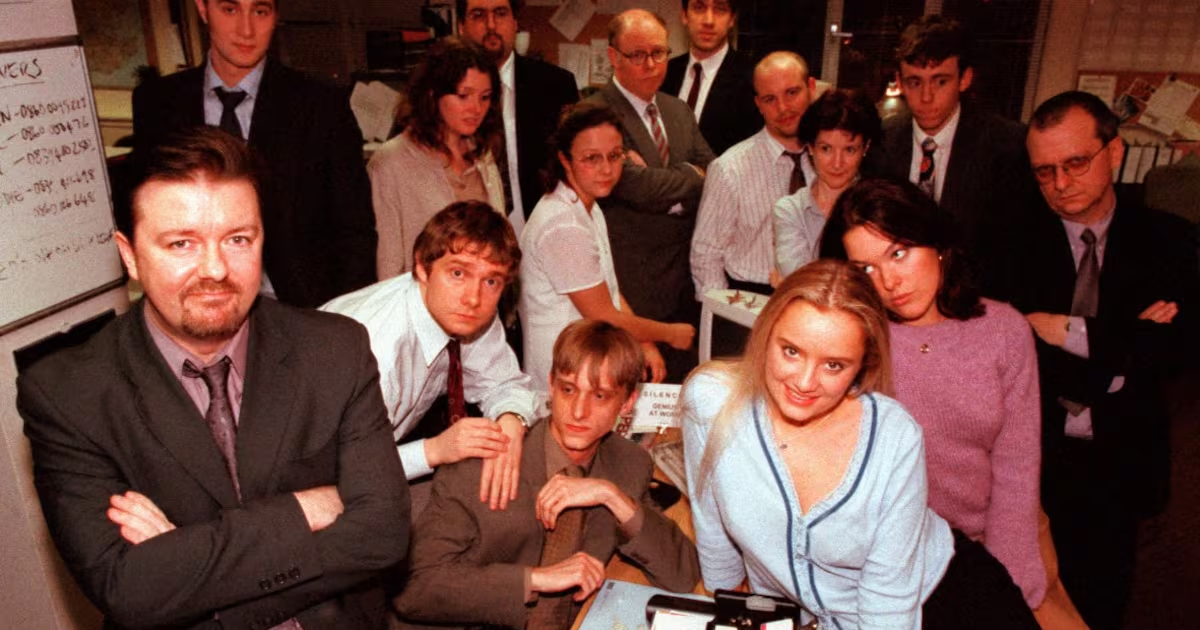
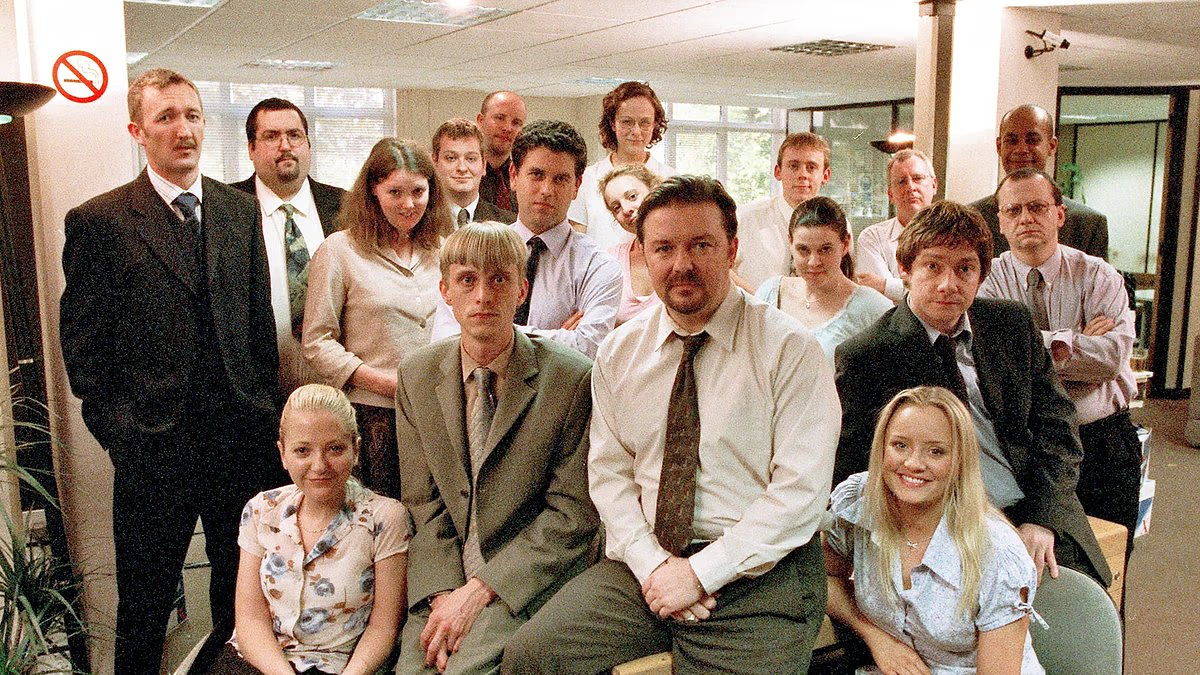
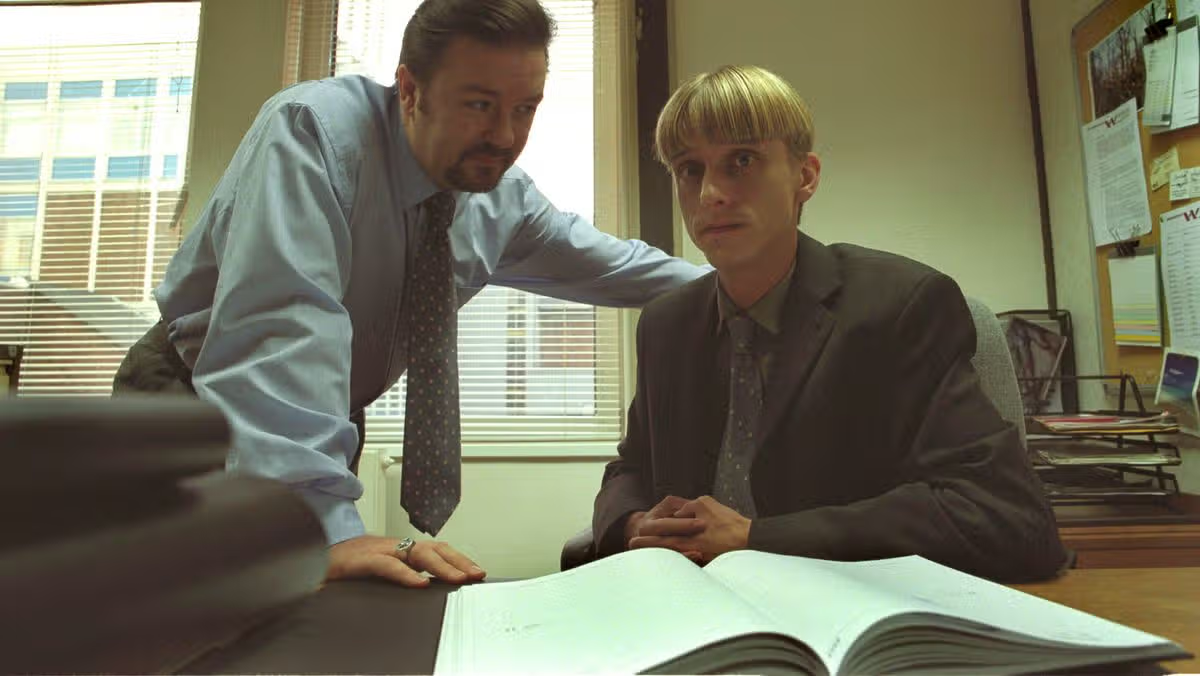
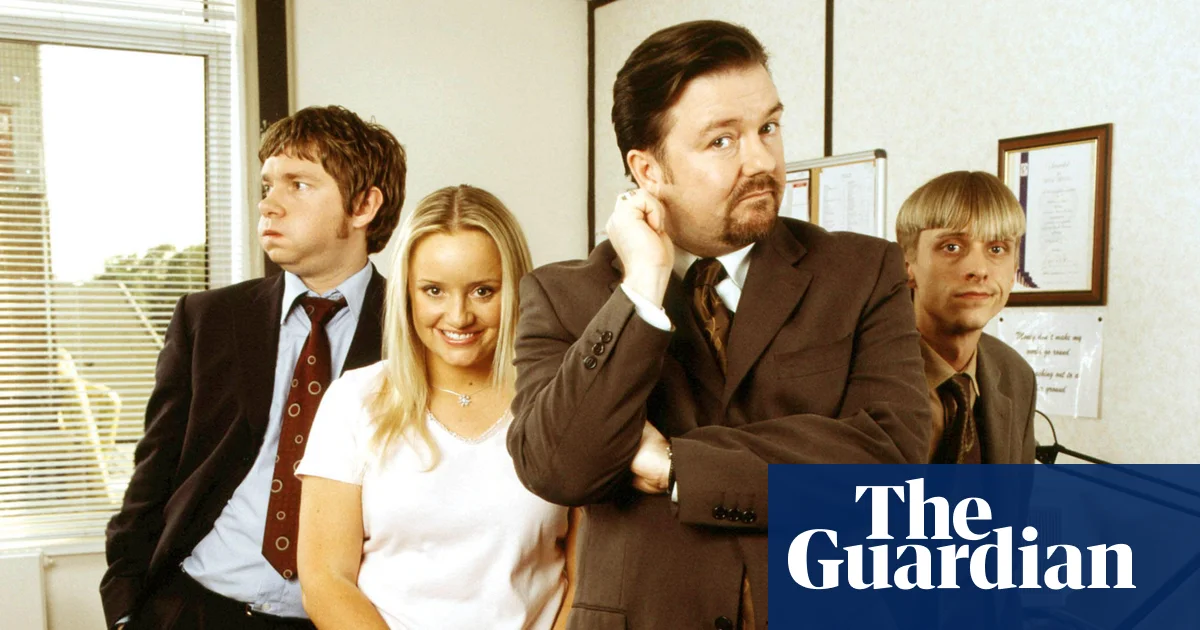
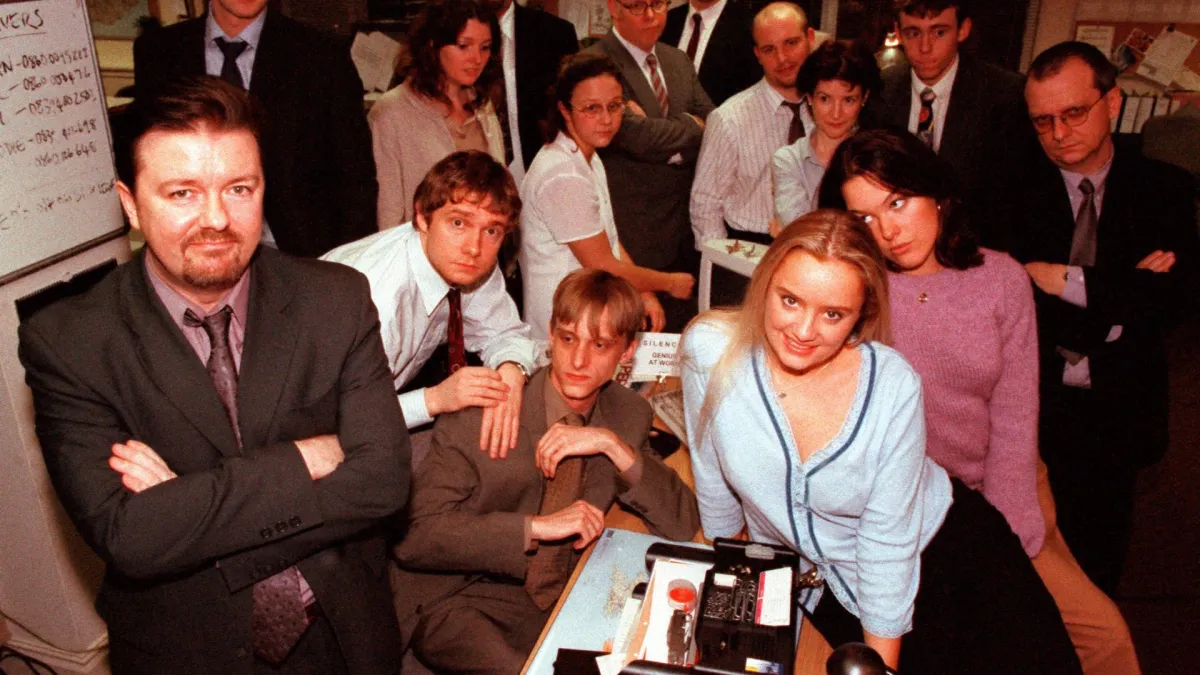
Its focus was the people who worked at Wernham Hogg, a small paper merchant company in the commuter town of Slough, all of whom – bickering colleagues Tim and Gareth, wan receptionist Dawn, a vacant accountant called Keith – seemed either terminally bored or terminally frustrated. Any action that occurred revolved primarily around the photocopier. Only Brent himself brought actual incident, a man of exaggerated mannerisms, and who continually offered direct-to-camera witticisms he thought highly amusing.
If the reviews weren’t universally positive – and in the main they were determinedly lacklustre – then others were convinced they’d just witnessed a generational game changer. Into this latter camp fell Kenton Allen, a successful producer of television comedy, with credits including The Royle Family, Rev and Mum. He’d watched that first episode with his eyes on stalks.