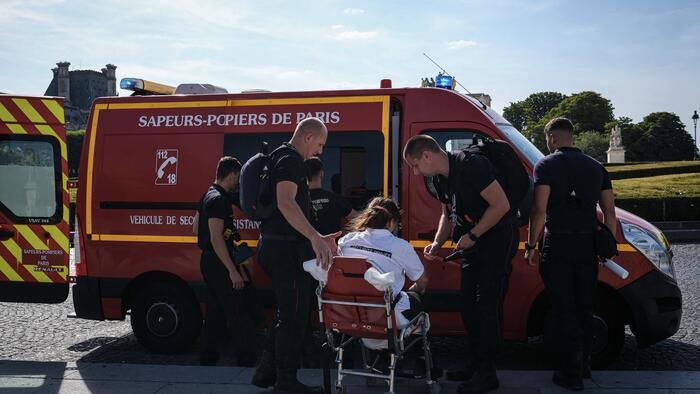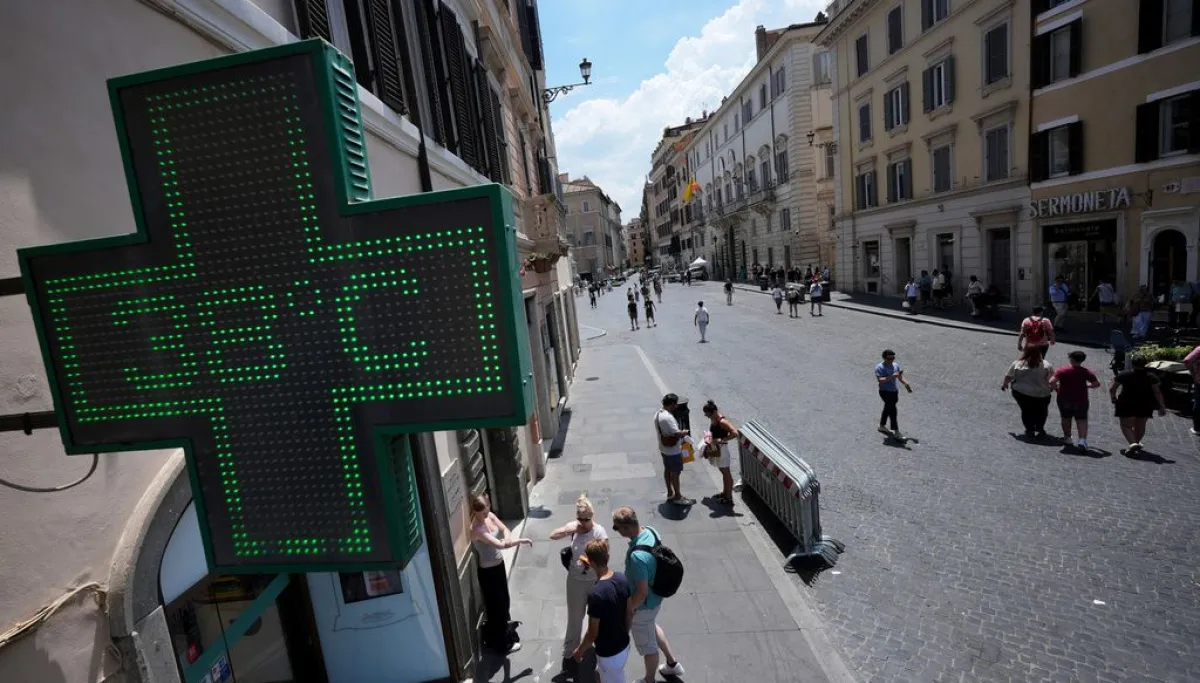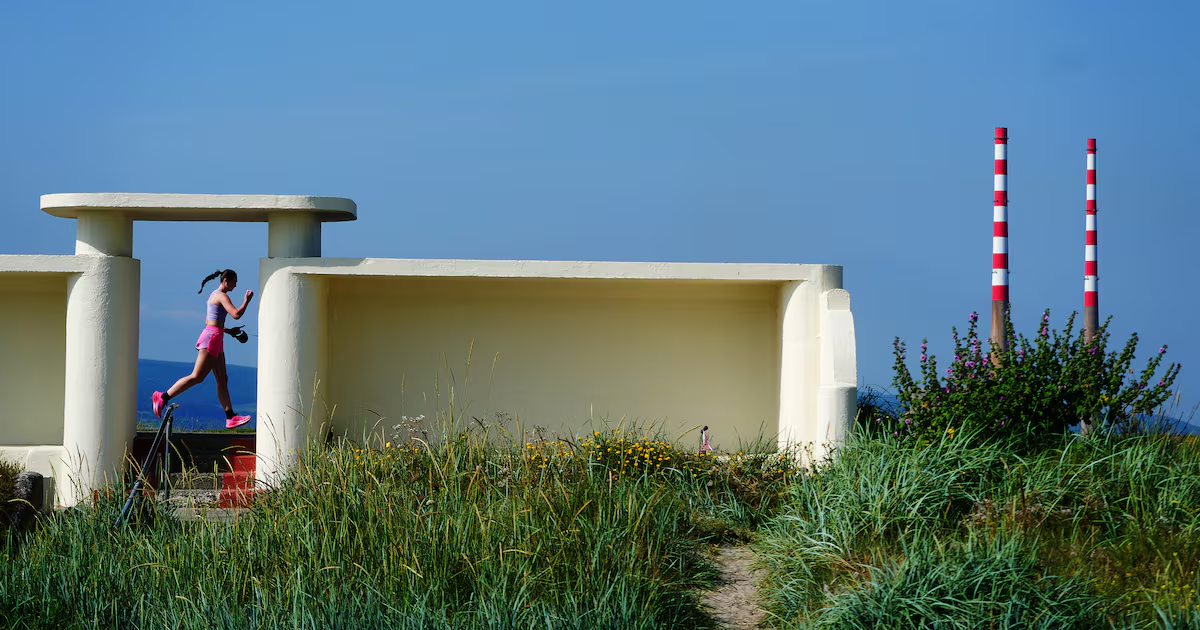
The heatwave across Europe and high temperatures we have seen here should not be forgotten when the heat subsides. It will happen again. And the quality of our housing stock will help determine how well we cope.The climate crisis is really a health crisis. Although we have been reading about France recording an extra 1,000 heat-related deaths last week, the number of people dying in Europe each year from heat is far more alarming. In 2024, the Lancet Countdown recorded 62,775 heat-related deaths across Europe, many of them older people. Ireland’s population is ageing, and older people (and infants) are more vulnerable to extremes of heat.Exposure to extreme heat doesn’t just cause heatstroke, it also worsens heart disease – already one of the leading causes of premature death and disability in Ireland – and can cause acute kidney injury. Even temperatures above 25 degrees can put older and more vulnerable groups such as people with diabetes and infants at risk.Responses are usually last-minute and panic-induced: when the heatwave began in Europe, the French supermarket Carrefour reported selling 30,000 air conditioning units by 6.30pm in one day – a thousand times more than a normal day. Spot electricity prices also rose quickly.Countries used to hot weather have houses designed to minimise heat gain. They use thick walls, shutters on windows, external blinds and shaded streets to help people survive the heat both indoors and outside. Daily life is organised around the sun, which is why shops close during the afternoon but stay open late at night. In Ireland, houses have been designed to retain heat. Concrete-built high-rise buildings, flat roofs and ordinary domestic house roof tiles all act as absorbers of heat during the day, which is then released slowly overnight. Irish houses have not been designed to stay cool during hot summers. Cities are usually hotter than rural areas because there are more hard surfaces such as roads and buildings to reflect heat. The design of housing is critical in mitigating the worst of summer heat, and apartments in cities are a real blind spot in our changing climate.Apartments with windows on more than one side – known as dual aspect – have a considerable advantage over those that do not, as windows can be opened to cross ventilate the dwelling. Single aspect apartments can get stiflingly hot and have limited capacity for ventilation. New multistorey buildings with window safety restrictors that are not permitted to be opened more than a few centimetres (except in a fire) limit the potential for useful ventilation.[ Fintan O’Toole: We have already had glimpses of climate-induced societal breakdownOpens in new window ]South facing apartments especially will also get a lot more sunshine during the day, leading to yet more heat gain, but in smaller new apartments in Ireland’s cities, overheating is generally a severe issue in all orientations except north. New apartment standards introduced by the Minister for Housing, James Browne, will now make apartments smaller, reduce the number of dual-aspect apartments required in any one development, limit the requirement for balconies and lower floor-to-ceiling heights, all in the interests of increasing financial viability for developers. The viability of being able to live in these apartments – particularly with hotter summers – has not been given much attention.Analysis by architect John Moorehead shows that new 32sq m (344sq ft) studios, because of their reduced size and single aspect will require significant cooling technology. While convenient, buying air conditioning units is an example of what experts refer to as “maladaptation”, or making things worse, as they will use more electricity and produce more carbon. The costs associated with this cooling demand will also be significant in a small dwelling. At Technological University Dublin, research by Mark Mulville and colleagues has shown that middle-floor and top-floor apartments and compact dwellings are at increased overheating risk, as are deep retrofitted dwellings. They found that up to 10 per cent of Ireland’s occupied housing stock may be at risk of overheating – a number likely to increase – which would affect more than 520,000 people. Climate change adaptation is how we plan for future negative effects, and how we create actions to prevent or minimise potential damage. In housing, the ability to increase ventilation rates offers the greatest adaptive protections, reported Mulville and his team. This is why features such as balconies are now necessities, not luxuries.When we know the likely effect of future climate change on our housing, it is incredible that we are introducing standards that will make apartment liveability worse. Health impacts have been ignored in the constant drive for output over outcomes.Outside buildings, adaptation means having more green spaces and trees, creating shaded areas where people can shelter from the high heat. It also means more seating in shaded areas, as they provide in Spain and elsewhere, so people can rest. The effects of climate change won’t just be felt in the heat. We are likely to see more storms such as Storm Éowyn in January 2025, with heavy rainfall and flooding. In this context, the last thing we need is a plethora of concrete platforms for structures such as shedsits.River and coastal flooding will likely increase as well, and despite all the water, there may well be water shortages in hotter summers. Excess water also leads to an increased risk of new pests and diseases. Water butts that people might sensibly use to store rainwater for watering the garden or washing the car are breeding grounds for mosquitos. Although rainwater harvesting systems should be mandatory on all new housing, used incorrectly they can become a nursery for parasites.[ European heatwave in graphics: Why are temperatures rising faster in Europe?Opens in new window ]Hotter weather may well lead to a huge increase in climate-related migration. Ireland may soon be regarded as a safe haven for those fleeing heat, drought and famine. And whenever there is an influx of immigration, and housing availability comes under pressure, immigrants are blamed – sometimes by politicians – even though immigrants bear no responsibility for a shortage of appropriate housing.As our summers get hotter and winters wetter – and summer heat-related deaths continue to rise – our housing should be health-focused. We need to start designing to mitigate the world we now live in. Lorcan Sirr is senior lecturer in housing at the Technological University Dublin
Lorcan Sirr: One in 10 Irish homes are at risk of overheating. Supermarket fans won’t cut it
Middle-floor and top-floor apartments and compact dwellings are at increased overheating risk, as are deep retrofitted homes
1,057 words~5 min read